
Last updated September 23, 2026
Insulation Permits, Codes & Inspections in CA: What You Need to Know
California’s Title 24 Part 6 sets a minimum R-38 for attic insulation in Climate Zone 9, but that number means nothing if the inspector never enters the attic - and in many LA County jurisdictions, attic insulation inspections are visual from the hatch only. We’ve pulled permits in West Hollywood since 2016, and the gap between what the code says and what the inspector actually verifies is where most homeowners get caught. This guide explains what Title 24 actually requires, when a permit is mandatory versus optional, what documentation you should hold in your hand when the job is done, and why skipping the permit can cost you at closing. For Insulation Warning Signs: A West Hollywood Homeowner’s Reference Guide, see our companion post.
Quick Answer
Insulation work in California requires a building permit when it disturbs existing fire-rated assemblies, alters the thermal envelope of a permitted space, or triggers HERS verification under Title 24 Part 6. For most attic insulation jobs in West Hollywood, this means a permit is required if you’re adding more than a trivial amount of insulation or changing insulation type. The job must pass final inspection, and you should receive a CF2R (Certificate of Installation) and, for HERS-triggered jobs, a CF3R (Certificate of Verification) for your files.
Table of Contents
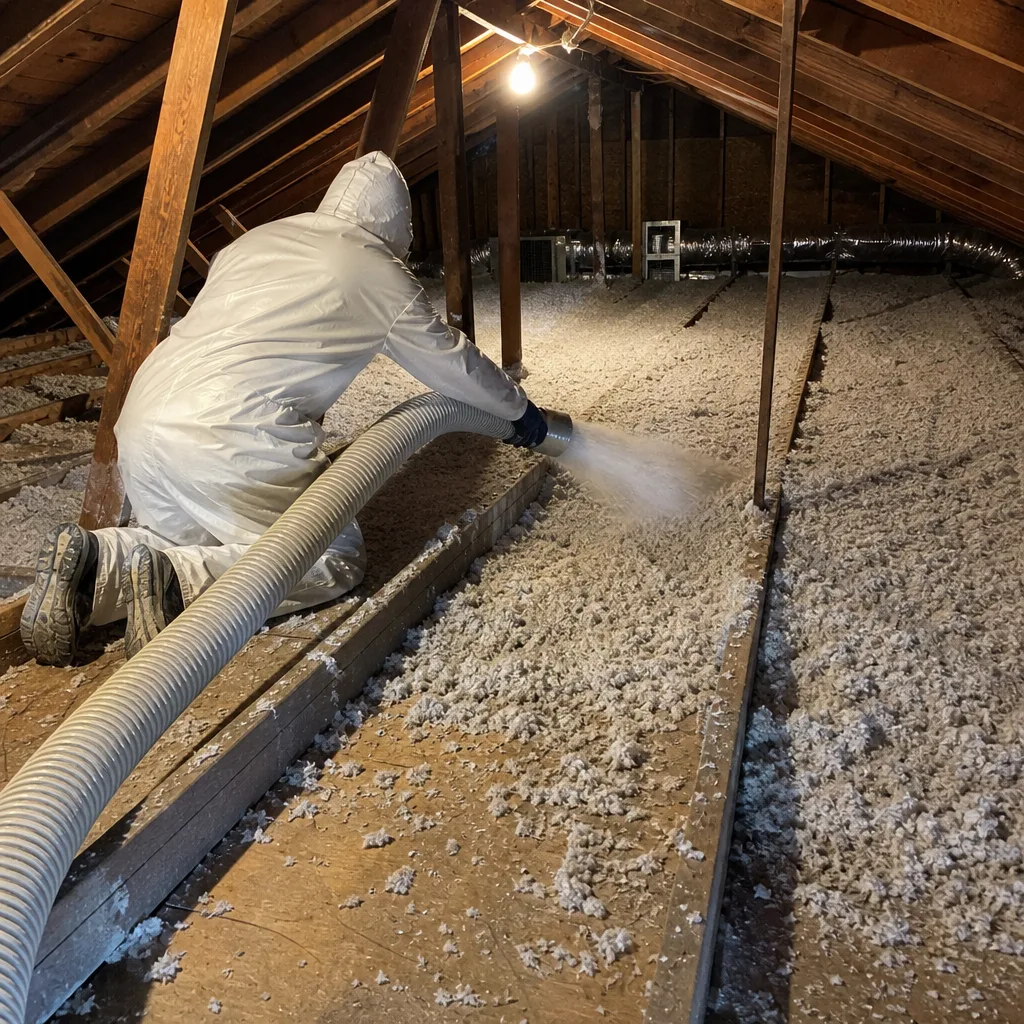
- When Is a Permit Legally Required for Insulation Work?
- Title 24 Part 6: Climate Zone 9 Minimums for West Hollywood
- HERS Verification: Third-Party Rater vs. Contractor Self-Certification
- What Inspectors Actually Check During Insulation Inspections
- CF2R and CF3R: The Documentation You Should Keep
- Liability Exposure for Unpermitted Insulation Work in LA County
- Common Mistakes to Avoid
- When to Call a Professional
- Frequently Asked Questions
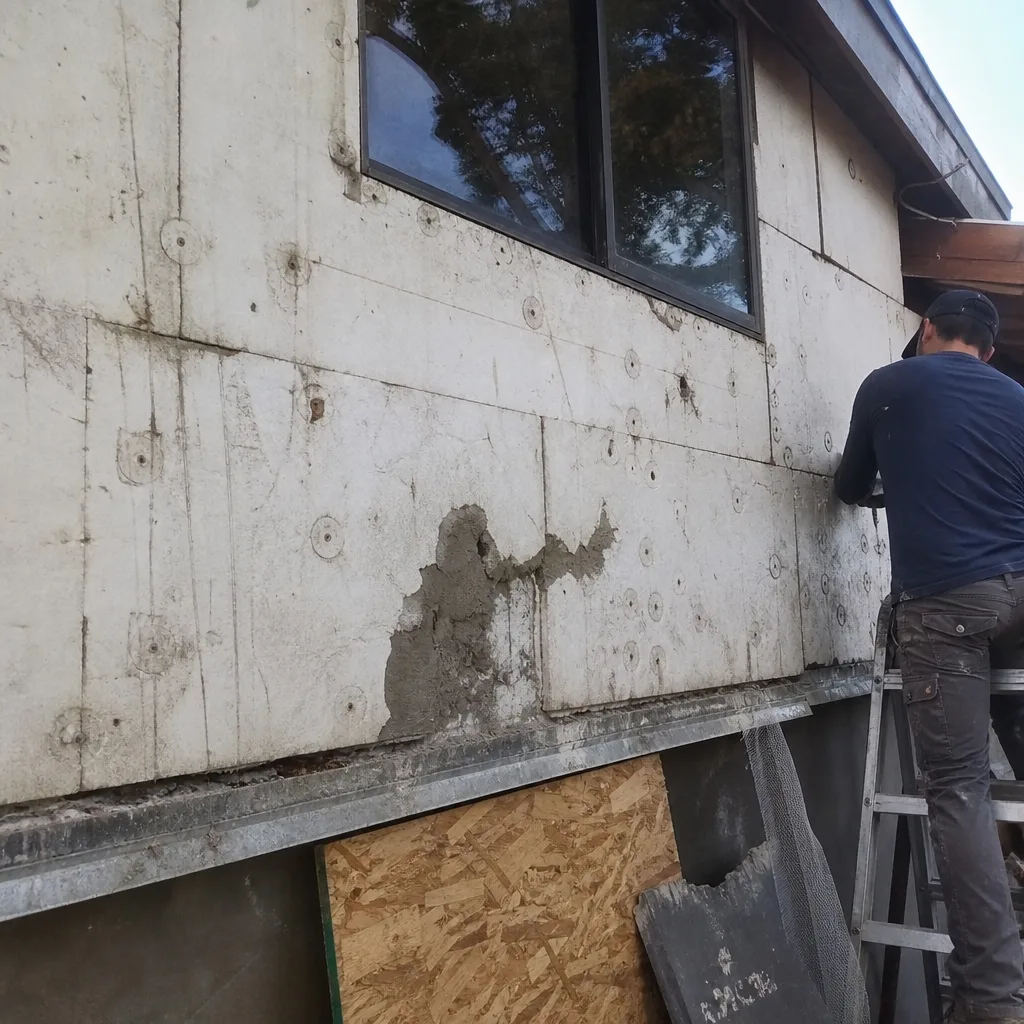 Before
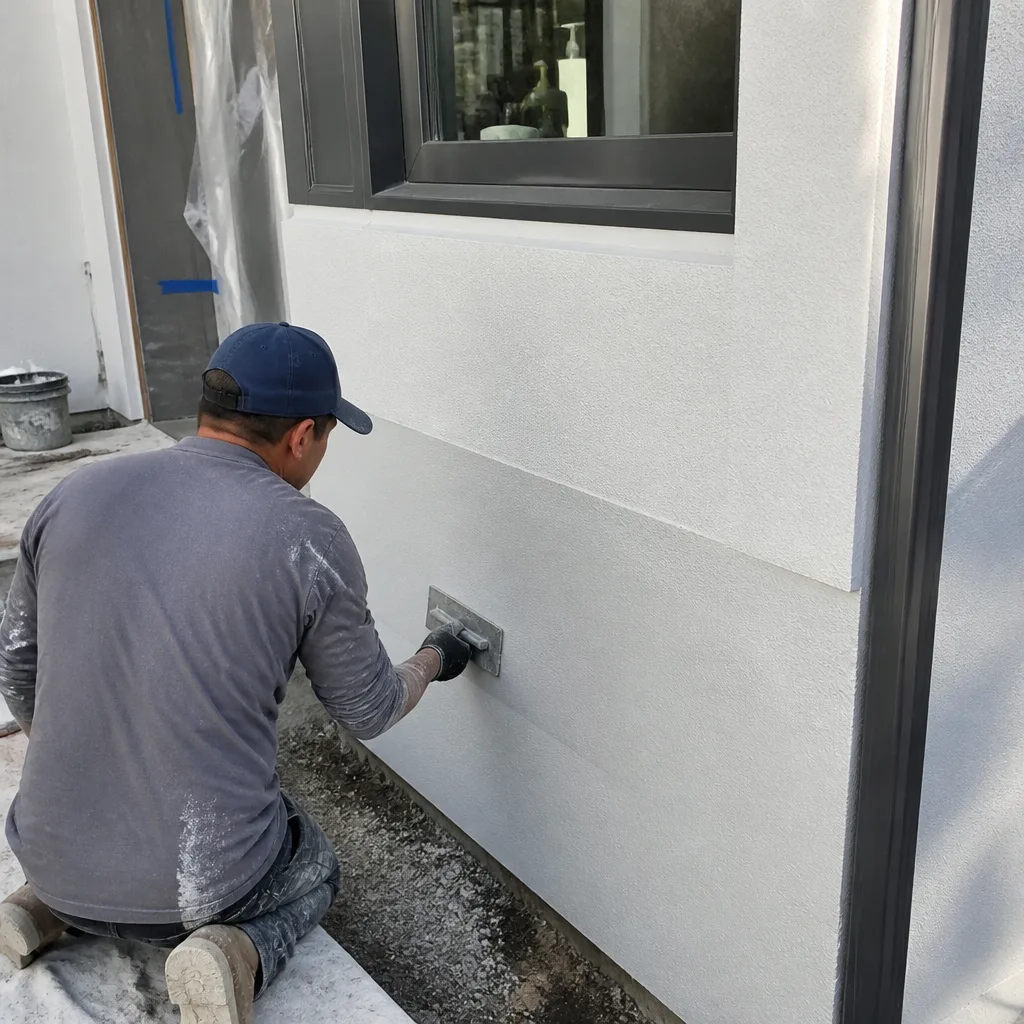 After
AfterWhen Is a Permit Legally Required for Insulation Work?
The threshold for permits is not R-value. This is the most common misunderstanding we hear from homeowners in West Hollywood. The California Building Code and Title 24 Part 6 distinguish between cosmetic or maintenance-level work and work that changes the thermal performance or fire safety of a building assembly.
Here is when a permit is legally required:
- Any work that alters the thermal envelope of a permitted space. Adding insulation to an attic, wall cavity, or crawl space that was previously uninsulated or underinsulated counts as altering the envelope. This covers most attic insulation jobs in West Hollywood homes built before 2005.
- Work that disturbs existing fire-rated assemblies. If your contractor removes or penetrates drywall, fire-blocking, or draft-stopping to install insulation, a permit is mandatory. Spray foam insulation in walls almost always triggers this because it requires access holes or cavity fill that disturbs the assembly.
- Jobs that trigger HERS verification requirements. Under Title 24, certain insulation improvements require independent verification of installed R-value and air barrier continuity. We’ll cover this in detail in the HERS section below.
- Insulation removal and replacement. When you take out old insulation, you expose the building envelope. In LA County, this is treated as an alteration, not maintenance, and requires a permit.
When a permit is typically not required:
- Top-off applications where you’re adding a small amount of loose-fill insulation to an already-insulated attic without disturbing the existing layer, and the total R-value remains below current code minimums. Even here, we recommend checking with the West Hollywood Building Division, as interpretation varies.
- Replacing insulation in a limited area due to localized damage (water, pest), provided the repair does not exceed 10 square feet and does not involve fire-rated assemblies.
In West Hollywood specifically, the Building Division at 8300 Santa Monica Boulevard enforces LA County’s amended version of the California Building Code. They’ve been consistent in our experience: if the insulation work is part of a larger remodel, the permit covers everything. If it’s standalone insulation work, you need a separate permit for anything beyond a top-off. We’ve had homeowners call us after a previous contractor skipped the permit, and the city required them to expose the work for inspection - at their cost.
The permit application in West Hollywood requires a scope description, the insulation type and manufacturer, and the proposed R-value. We use Owens Corning, Johns Manville, Knauf, and GreenFiber products, and we list the specific product on every permit application so there’s no ambiguity at inspection.
Title 24 Part 6: Climate Zone 9 Minimums for West Hollywood
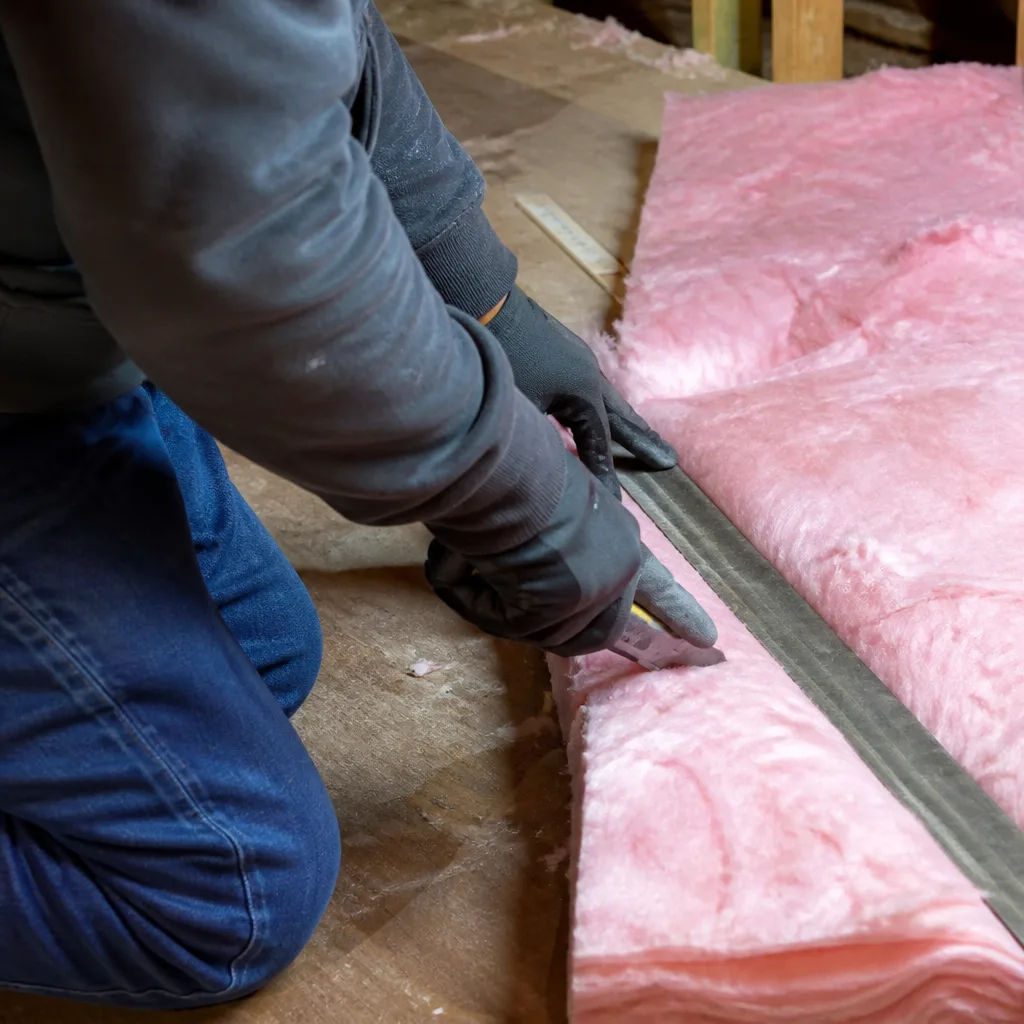
West Hollywood sits in California Climate Zone 9, the coastal basin zone that stretches from Ventura through central Los Angeles. The marine layer influence means milder temperature swings than inland zones, but the code minimums are still specific and enforceable.
Here are the current Title 24 Part 6 prescriptive minimums for Climate Zone 9:
| Assembly | Minimum R-Value (Prescriptive Path) | Notes |
|---|---|---|
| Attic, vented | R-38 | Can be reduced to R-30 if space constraints prevent full depth; must be documented on plans |
| Attic, unvented | R-38 | Requires air-impermeable insulation (spray foam) at roof deck or conditioned attic design |
| Wood-framed wall | R-19 or R-13 + R-5 continuous | R-13 cavity + R-5 exterior rigid is the typical West Hollywood retrofit path |
| Floor over unconditioned space | R-19 | Crawl space encapsulation can convert this to a conditioned assembly |
| Slab edge | R-5 | Required for heated slabs; rarely triggered in West Hollywood unless radiant floor is installed |
The prescriptive path is the simplest compliance method. There’s also a performance path, where software modeling shows the proposed design meets or exceeds the energy budget of the prescriptive baseline. We rarely use the performance path for standalone insulation jobs in West Hollywood because the prescriptive requirements are straightforward and the modeling cost doesn’t pencil out for smaller projects.
Air barrier requirements are where many jobs fail inspection. Title 24 mandates a continuous air barrier for all insulated assemblies. In practice, this means:
- Top plates at attic floor level must be sealed with caulk or foam before insulation covers them.
- Recessed can lights in insulated ceilings must be IC-rated (insulation contact) or sealed with a rated enclosure.
- Chases, soffits, and dropped ceilings must be air-sealed at the thermal envelope boundary.
- Penetrations for plumbing, electrical, and HVAC must be sealed at the envelope.
We’ve tested homes in the Norma Triangle and West Hollywood West where previous contractors blew GreenFiber cellulose or Owens Corning fiberglass over completely unsealed attic floors. The insulation performed poorly because air moved freely through it. Our process - seal first, then insulate - means we address the air barrier before the inspector ever arrives. The blower-door test, a pressurization reading that shows in one number how much air your building envelope is losing, typically reads 3,500 to 5,500 CFM50 in these homes before we start and 1,800 to 2,800 after sealing and insulating.
West Hollywood’s older housing stock, much of it built in the 1920s through 1950s, rarely meets current R-values. See our Seasonal Insulation Care for West Hollywood: Year-Round Homeowner’s Guide for maintenance tips. We’ve never encountered a pre-1970 attic in this city that had more than R-11, and most had R-7 or less. The code doesn’t grandfather existing insulation, but it does require that any new work meet current minimums.
HERS Verification: Third-Party Rater vs. Contractor Self-Certification
HERS - the Home Energy Rating System - is where California’s insulation code gets complicated. Not every job needs a HERS rater. Understanding which jobs trigger third-party verification and which allow contractor self-certification will save you money and prevent delays.
Jobs that require a HERS rater (third-party verification):
- New construction. All insulation in new buildings must be HERS-verified. No exceptions.
- Major alterations with modeled compliance. If your project uses the performance path or includes multiple energy measures, a rater typically verifies insulation installation quality and air barrier testing.
- Specific measures with mandatory HERS. These include spray foam insulation installation, dense-pack wall insulation, and any job where the permit requires a blower-door test for compliance rather than just quality assurance.
- Utility rebate programs. Many Southern California Edison and LADWP rebate programs require HERS verification as a condition of incentive payment, separate from code requirements.
Jobs that allow contractor self-certification:
- Attic insulation replacement or addition using batt or loose-fill products where the prescriptive path is used and no other energy measures are bundled.
- Crawl space insulation where the work is limited to floor joist bays and does not involve spray foam or air barrier redesign.
- Insulation removal and replacement of like kind in the same location, provided the R-value increase is modest.
The HERS rater’s role is verification, not installation. They inspect the work after it’s complete but before the final building inspection. In West Hollywood, we’ve worked with raters who verify R-value by measuring insulation depth and checking manufacturer density charts, who photograph air barrier details, and who conduct blower-door tests to confirm envelope tightness. The rater then submits a CF3R - Certificate of Verification - to the California Energy Commission database.
Self-certification requires the contractor to complete a CF2R - Certificate of Installation - attesting that the work meets the specified R-value, was installed per manufacturer instructions, and includes required air barrier details. The contractor’s license number is on that document. If the work fails a spot inspection or a future complaint, that CF2R is evidence of who performed the work and what they claimed.
We’ve completed over 9,000 homes since 2016, and roughly 30% required HERS raters. In West Hollywood specifically, most standalone attic insulation jobs use contractor self-certification. Jobs that bundle attic insulation with crawl space encapsulation or wall insulation more often trigger rater requirements.
The cost difference matters. A HERS rater adds $300 to $600 to the project. The timeline adds 3 to 5 business days for scheduling. We tell homeowners upfront which path their job requires, and we never surprise them with a rater fee after the contract is signed. Under Haven Standard Clause 1, the written price before any work starts includes all permit and verification costs.
What Inspectors Actually Check During Insulation Inspections
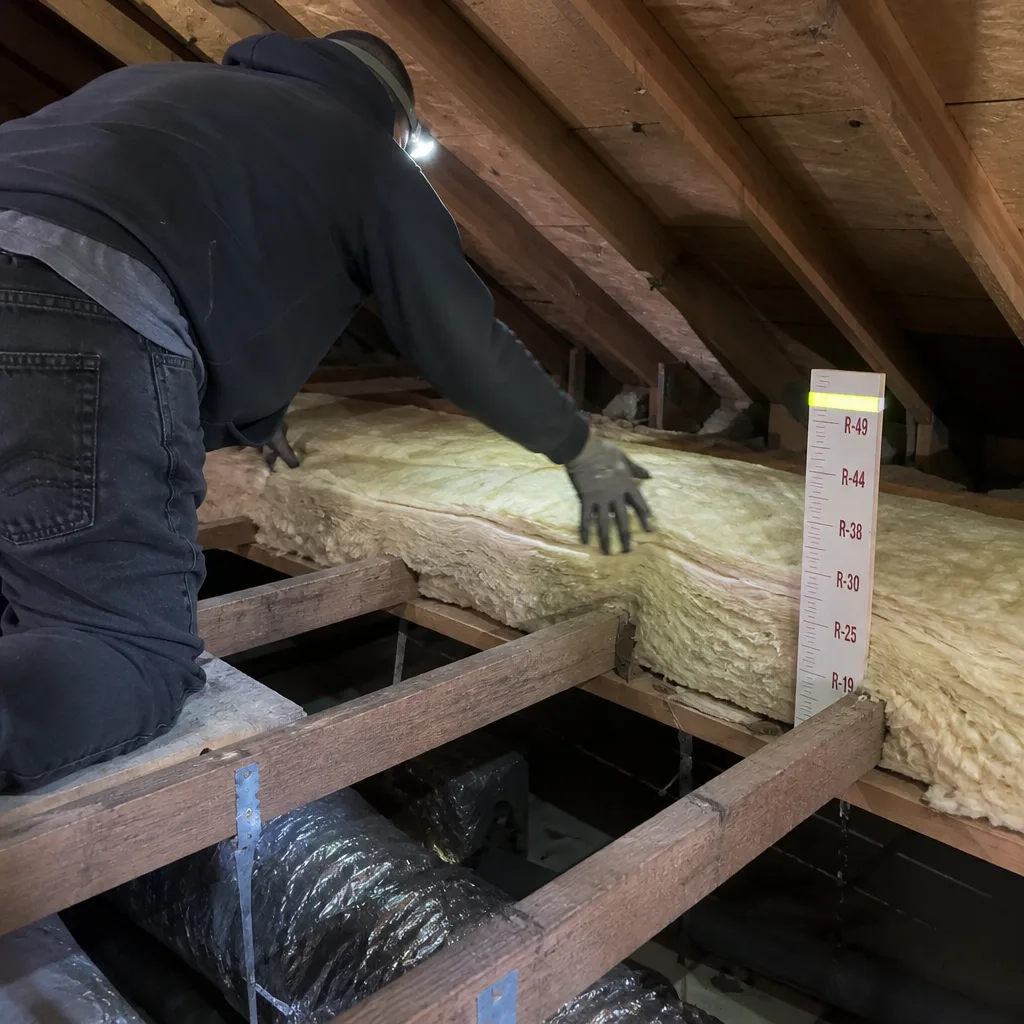
This is where the gap between code language and field practice matters most. Title 24 describes an ideal installation. The inspector has limited time and access. Knowing what they actually verify helps you understand whether your contractor’s work will pass.
Attic insulation inspections in LA County jurisdictions, including West Hollywood:
The inspector arrives with the permit application and the approved plans. For most attic jobs, they enter through the attic hatch with a flashlight and a measuring probe. In some jurisdictions, they conduct a visual inspection from the hatch only - they don’t enter the attic space. This is particularly common in West Hollywood for jobs where the attic is small, the hatch is narrow, or the inspector has a heavy schedule.
What they check:
- Insulation depth at multiple points. They probe through the insulation to the drywall and measure depth. For fiberglass batts, they check that the stated R-value matches the thickness installed. For loose-fill, they verify depth against the manufacturer’s coverage chart for the claimed R-value.
- Coverage completeness. They look for gaps, compression, and areas where insulation is missing. Common failure points: around attic access hatches, at eaves where baffles are missing or improperly installed, and near HVAC platforms where installers worked around equipment rather than insulating beneath it.
- Recessed light clearance. Non-IC-rated can lights must have 3 inches of clearance from insulation on all sides. IC-rated fixtures can be covered but must be visibly marked. We’ve found unmarked fixtures in dozens of West Hollywood homes; the inspector will fail these every time.
- Combustion air and ventilation. If the home has gas appliances in the attic or a furnace in a closet, the inspector verifies that insulation hasn’t blocked required combustion air openings or ventilation paths.
- Air barrier indicators. For jobs where air sealing is part of the permitted scope, the inspector looks for visible sealant at top plates, penetrations, and chase openings. They rarely test the air barrier themselves - that’s HERS territory - but they do look for evidence that sealing was attempted.
What they rarely check:
- Actual installed density of loose-fill insulation. The inspector measures depth, not density. Under-dense insulation settles faster and performs below its rated R-value, but this won’t fail inspection unless it’s visibly thin.
- Complete air barrier continuity. Without a blower-door test, the inspector cannot verify that the air barrier is continuous. They look for visible sealant, not performance.
- Manufacturer product verification. They rarely check that the installed product matches what was specified on the permit. We photograph bags and labels for our Documented Photo Record precisely because this gap exists.
Wall insulation inspections are more thorough because the work is hidden after completion. For dense-pack cellulose or fiberglass, the inspector may require inspection holes to verify fill density. For spray foam, they check thickness and surface consistency before the wall is closed. Spray foam insulation in West Hollywood almost always requires a mid-installation inspection because the product cures in place and cannot be corrected after the fact.
We’ve had exactly three inspection failures in West Hollywood since 2016. Two were for non-IC-rated can lights that previous electricians had installed without marking. One was for an attic access hatch that had no insulation or weatherstripping. All three were corrected same-day and re-inspected within 48 hours. Our Written Price Before Any Work Starts includes re-inspection fees if we caused the failure; we don’t charge for our mistakes.
CF2R and CF3R: The Documentation You Should Keep
When the inspector leaves and the permit is finaled, you should hold specific documents. Most homeowners don’t know to ask for them. Most contractors don’t volunteer them. This is what you need and why it matters.
CF2R - Certificate of Installation
The CF2R is the contractor’s signed attestation that the work was installed per the approved plans, meets the specified R-value, and complies with manufacturer instructions. It includes:
- The contractor’s name, license number, and signature
- The specific insulation product and manufacturer
- The installed R-value and location (attic, wall, floor)
- Air barrier details and any exceptions taken
- The date of installation
The CF2R is filed with the California Energy Commission and is retrievable by address. We provide a printed copy to every homeowner and email a PDF within 24 hours of final inspection. Under Haven Standard, you get a documented record when the crew leaves - this is part of that record.
CF3R - Certificate of Verification
The CF3R is the HERS rater’s independent verification, required for jobs that trigger third-party review. It includes:
- The rater’s name and certification number
- Verification of installed R-value by measurement
- Air barrier inspection results, including blower-door test numbers if required
- Photographic documentation of critical details
- Confirmation that the work matches the approved energy compliance documentation
For jobs with both CF2R and CF3R, the CF3R overrides if there’s a conflict. The rater’s measurement governs. This is why we welcome HERS verification - it provides an independent check on our work.
Final inspection record from the building department
The city issues a final inspection approval, typically a stamped card or electronic record showing the permit number, inspection date, and “approved” status. In West Hollywood, this is now issued through the LA County online portal. We download and include this in your project file.
Why keep these documents:
When you sell, the buyer’s inspector or the title company may request permit verification for any visible improvement. Unpermitted work can trigger re-inspection requirements, hold up closing, or reduce your sale price. The CF2R, CF3R, and final inspection record prove the work was done legally and to code. We’ve had West Hollywood homeowners call us years after a job to request copies for their sale; we maintain records indefinitely, but you should keep your own file as well.
Our Documented Photo Record, included on every job, adds another layer: dated photographs of the attic before work, during air sealing, during insulation installation, and after completion. These photos show what the inspector saw and what the next buyer’s inspector will see. For attic insulation in West Hollywood, where attic access is often through a closet or hallway ceiling, these photos are sometimes the only way to document the work without re-entering the space.
Liability Exposure for Unpermitted Insulation Work in LA County
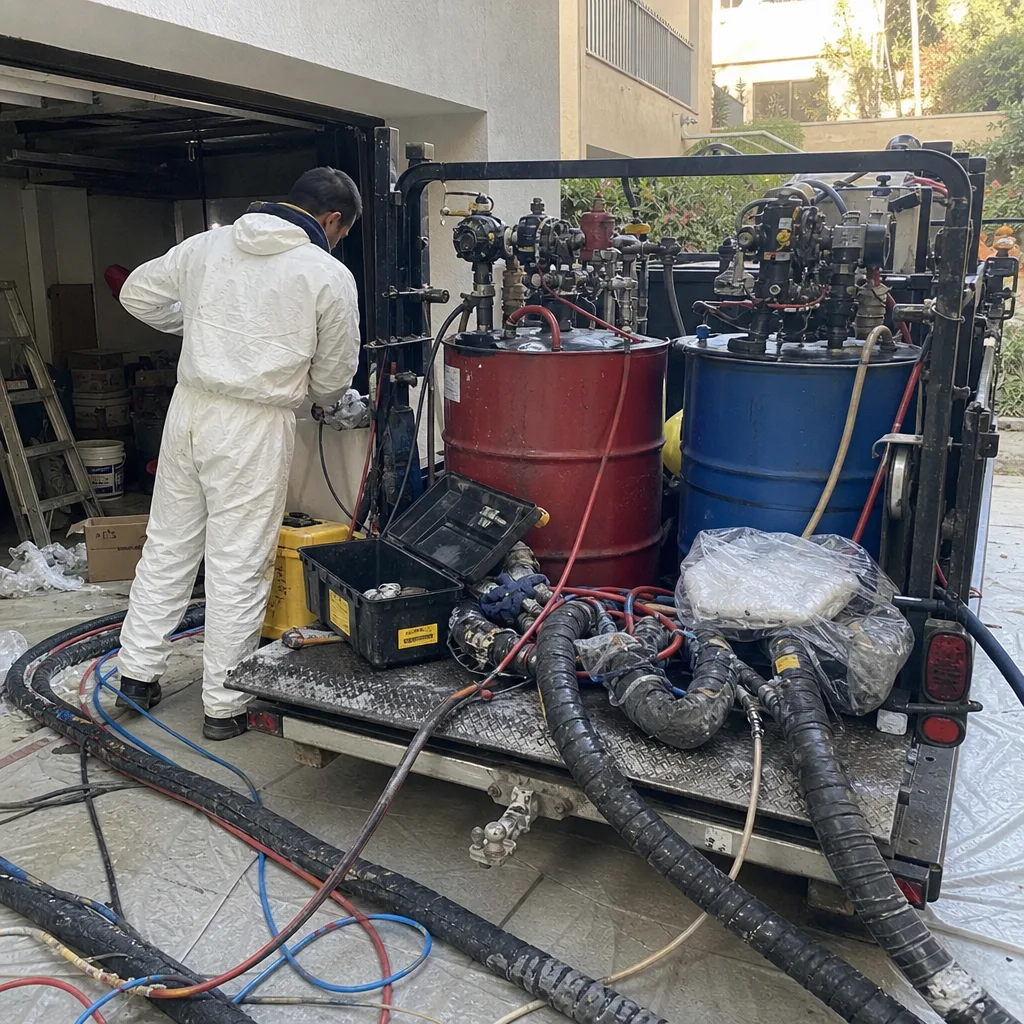
This is the section most contractors won’t write. We will, because we’ve seen the consequences.
California law requires sellers to disclose material facts affecting property value. In LA County, this includes unpermitted construction work. The Natural Hazard Disclosure Statement and the Transfer Disclosure Statement both ask about permits for improvements. Answering falsely or incompletely exposes the seller to post-closing liability.
Here’s how unpermitted insulation work creates specific risk:
- Buyer discovery during inspection. A sharp home inspector notices new insulation in an old attic, checks permits, and finds none. The buyer demands either a retrofit permit (expensive, often requiring work exposure) or a credit at closing. We’ve seen $5,000 to $15,000 credits demanded for unpermitted attic work in West Hollywood sales.
- Title insurance exceptions. Some title insurers exclude unpermitted work from coverage, meaning the seller retains liability for any code enforcement action after sale.
- Code enforcement complaint. Any person - neighbor, former contractor, even the buyer after closing - can file a complaint with the West Hollywood Building Division. The city can require permit application, plan submission, and inspection. If the work doesn’t meet current code, they can require correction or removal.
- Insurance coverage disputes. If a fire or water loss occurs in an area with unpermitted insulation, the insurer may deny coverage or reduce the claim if they determine the unpermitted work contributed to the loss. This is rare but not theoretical - we’ve reviewed two such cases with attorneys.
- Property tax reassessment triggers. In California, new construction triggers reassessment. Unpermitted work, if discovered, can lead to back taxes and penalties. Insulation alone rarely triggers this, but insulation bundled with other unpermitted improvements can.
The statute of limitations for code enforcement in California is generally four years for most building code violations, but there’s no true statute of limitations for unpermitted work that creates ongoing safety hazards. And disclosure liability runs to the buyer for any period they can prove fraud or negligent nondisclosure.
We’ve been called to West Hollywood homes where the seller’s agent recommended we “just look at” the attic and give an opinion on whether the unpermitted insulation would pass inspection. We won’t do this. We will, however, pull a retrofit permit, expose the work for inspection if required, and correct any deficiencies to bring it to code. Under our 365-Day Done Right Promise, if it’s not done right, we make it right - and unpermitted work is never done right.
The cost of a permit for attic insulation in West Hollywood is typically $200 to $400. The cost of dealing with unpermitted work at sale is typically 10 to 30 times that. The math is simple.
Common Mistakes to Avoid
- Assuming a “like-for-like” replacement needs no permit. In LA County, removing old insulation and installing new - even the same R-value - is treated as an alteration because the envelope is exposed. Always verify with the building department.
- Trusting a contractor who says “we never pull permits for this.” This is a red flag. Either they don’t know the code, or they’re avoiding the scrutiny that permits bring. In West Hollywood, we’ve seen this most often from out-of-area contractors who won’t be around when the problem surfaces.
- Not requesting the CF2R at final inspection. Some contractors file it but don’t provide a copy. You need this document for your records. Ask for it before final payment.
- Blowing insulation over unsealed air leaks. This isn’t a permit issue, but it’s a performance failure. The code requires air barriers, and an inspector who actually enters the attic may fail the job if top plates and penetrations are unsealed. We seal first, then insulate - always.
- Ignoring the can light problem. West Hollywood has thousands of unmarked recessed fixtures installed before IC-rating requirements. Covering them with insulation without verification is a fire hazard and an inspection failure.
- Not verifying HERS requirements before signing a contract. If your job needs a rater and the contractor didn’t price one, you’ll face a change order or a permit holdup. We identify HERS triggers in our written scope before any work starts.
- Discarding permit documentation after “a few years.” Keep CF2R, CF3R, and final inspection records for the duration of ownership plus seven years. Digital storage is free; losing these at sale time is expensive.
When to Call a Professional
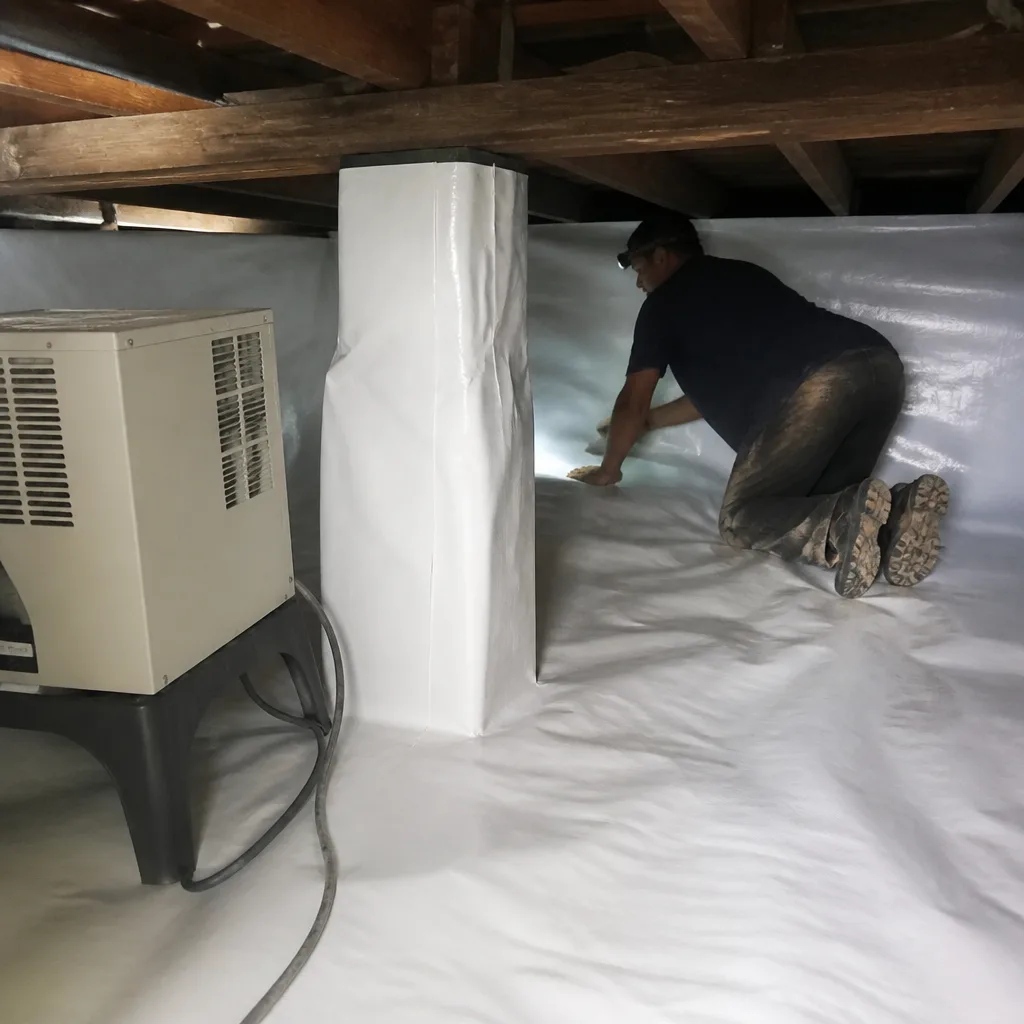
Call a professional when the work disturbs the thermal envelope, requires permit navigation you don’t have time for, or involves safety-critical components like combustion appliances or electrical penetrations in insulated assemblies. In West Hollywood, the Building Division’s permit intake process takes 2 to 3 weeks for residential insulation - longer if plans require correction. A contractor who pulls permits regularly knows the reviewers and the common rejection reasons.
Topside Attic Insulation West Hollywood offers free estimates in West Hollywood. We’ll review your attic, identify permit and HERS requirements, and provide a written price before any work starts. Call (213) 306-2607. We also offer a Free Second Opinion on any written estimate - bring us a competing quote and we’ll read it with you, line by line, and explain what you’re actually getting. Explore more guides & resources on attic insulation and home efficiency.
Frequently Asked Questions
Building permits for standalone attic insulation in West Hollywood typically run $200 to $400, depending on project scope and whether HERS verification is required. This does not include plan check fees if plans require engineering review, which is rare for standard insulation jobs. Call (213) 306-2607 and we’ll confirm current fees for your specific project - estimates are free.
No. In LA County, including West Hollywood, adding any insulation to an attic that alters the thermal envelope requires a permit. The threshold is not R-value increase; it’s whether the work constitutes an alteration to the building envelope. A “top-off” of existing insulation may qualify as maintenance if the amount is trivial and the total remains below code, but this interpretation varies by inspector. We recommend confirming with the West Hollywood Building Division before proceeding.
A CF2R is the contractor’s Certificate of Installation, attesting that the work meets specifications. A CF3R is the HERS rater’s Certificate of Verification, providing independent confirmation. You need a CF2R for all permitted insulation work. You need a CF3R only for jobs that trigger HERS requirements, such as new construction, spray foam installation, or performance-path compliance. Both documents are filed with the California Energy Commission and should be kept with your property records.
Plan check and permit issuance typically take 10 to 15 business days for straightforward residential insulation jobs. Inspection scheduling adds 3 to 5 business days after the work is complete. HERS verification, if required, adds another 3 to 5 business days. Total timeline from application to final: 3 to 5 weeks for most jobs. We handle all permit coordination and include the timeline in our written scope before work starts.
Not automatically. Title searches examine recorded documents, not building permits. However, unpermitted work is discoverable through building department records, and California sellers must disclose material improvements on the Transfer Disclosure Statement. If a buyer’s inspector finds unpermitted work, or if a neighbor files a complaint, the lack of permits becomes a known issue that can derail a sale or trigger post-closing liability. The safe course is to permit all envelope-altering work.
Almost always. Spray foam is an air-impermeable insulation that forms both thermal and air barriers, and Title 24 treats it as a critical component requiring verification. The HERS rater checks installed thickness, surface consistency, and adhesion. Self-certification is rarely accepted for spray foam. If you’re considering spray foam insulation in West Hollywood, budget $400 to $600 for HERS verification and schedule an additional week for rater coordination.
The inspector issues a correction notice detailing the deficiency. Common failures: insufficient insulation depth, non-IC-rated can lights covered with insulation, missing air barrier details, or incomplete coverage at eaves. The contractor corrects the issue and schedules a re-inspection, typically within 48 hours. Re-inspection fees in West Hollywood are $100 to $150 if the contractor caused the failure. Under our 365-Day Done Right Promise, we cover re-inspection fees for any deficiency in our work.
The Bottom Line
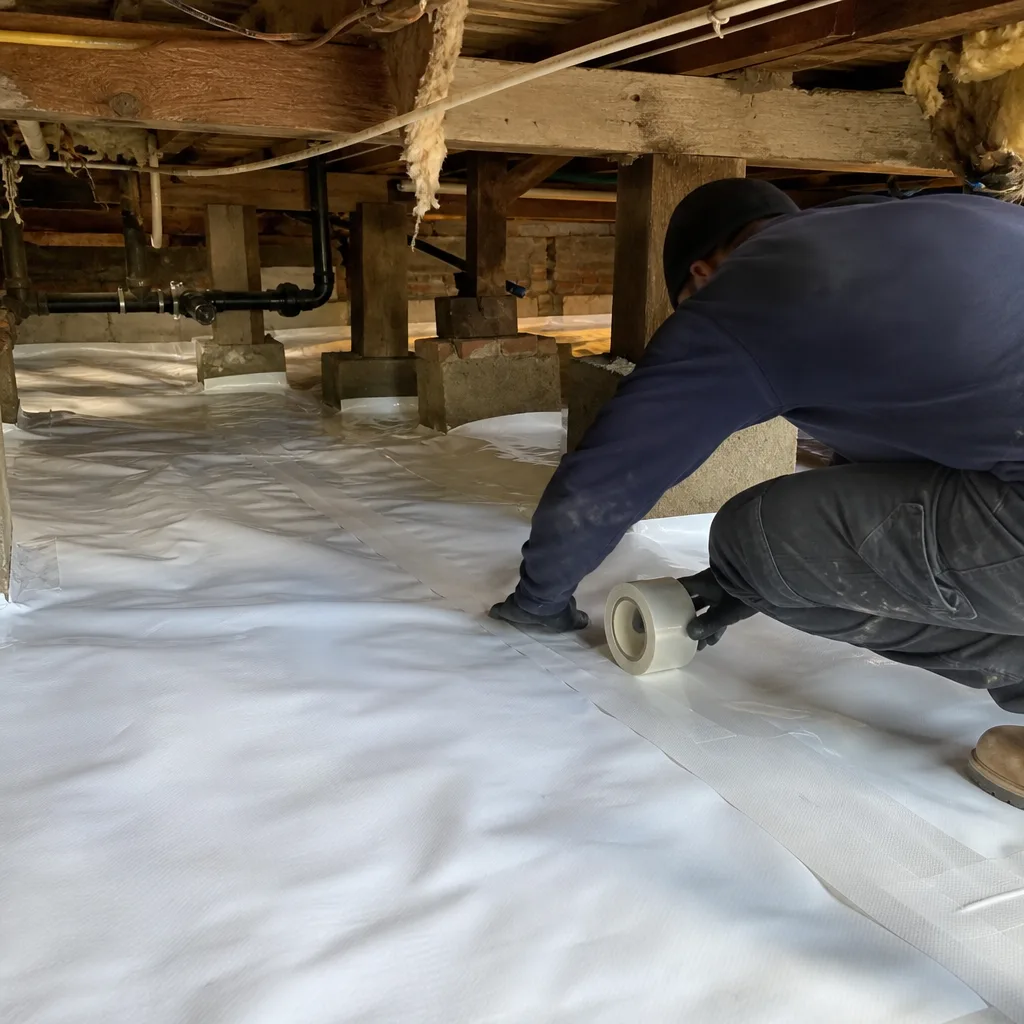
California’s insulation code is specific about outcomes - R-38 in Climate Zone 9 attics, continuous air barriers, verified installation - but the permit and inspection process that enforces it is local, variable, and full of gaps between what the code says and what the inspector verifies. In West Hollywood, most attic insulation jobs require permits, many can use contractor self-certification, and some trigger HERS raters. The documents you hold at the end - CF2R, CF3R if applicable, and final inspection approval - are your protection at sale time and your proof that the work was done to code. Skipping permits to save $300 is a bet that rarely pays off.
Written by Wes Okafor, Owner at Topside Attic Insulation West Hollywood, serving West Hollywood since 2016.