
Blown-In Attic Insulation in West Hollywood, CA
Our Attic Insulation services use cellulose or fiberglass loose-fill mechanically distributed across the attic floor – the most practical way to bring an older West Hollywood home up to California’s current Title 24 R-38 minimum without tearing out drywall or disturbing finished ceilings. Most jobs in a single-story bungalow or two-story Spanish Colonial in the Norma Triangle or Sunset Strip area run between $1,400 and $3,200, completed in a single day. But the insulation itself is only half the work that actually matters.
At Topside Attic Insulation West Hollywood, we do not blow insulation over an unsealed attic floor. That’s not a policy statement – it’s the reason our before-and-after blower-door numbers consistently show meaningful performance changes rather than marginal ones. Air sealing top plates, recessed can lights, and all penetrations happens first, on every job, before the first pound of material leaves the hose. If you want the full picture of what we cover under the roof, our Attic Insulation in West Hollywood page walks through every option.
Questions before you read further? Call us at (213) 306-2607 – a live person answers, not a voicemail system.
When You Need Blown-In Attic Insulation
- Your energy bills have been climbing without explanation. West Hollywood sits in LADWP Zone 9, where summer attic temperatures routinely hit 140-160°F by early afternoon. If your HVAC is running longer cycles than it did two or three summers ago and nothing else has changed, the attic is usually the first place worth measuring.
- The house was built before 1990 and the insulation has never been replaced. Most pre-1990 construction in West Hollywood – the Norma Triangle, the streets north of Santa Monica Boulevard, older four-plexes near Fountain Avenue – went in with R-11 or R-19 batts at most. Those values have degraded further over decades of settlement and pest activity. Current California code requires R-38 minimum in climate zone 9.
- You notice uneven room temperatures or hot second-floor rooms. When the master bedroom on the second floor of a Craftsman off Laurel Avenue runs 6-8°F warmer than the ground floor in July, insufficient attic insulation is almost always part of the diagnosis.
- There are gaps around recessed lights, attic hatches, or plumbing chases. These penetrations are air pathways, not just insulation voids. Blown-in material alone will not stop air movement through them – which is exactly why sealing comes first at Topside.
- You have existing batt insulation that’s been disturbed, wet, or rodent-damaged. Settled or contaminated batts lose R-value and can trap odors. In many cases, removal and replacement with blown-in loose-fill is cleaner and more cost-effective than trying to supplement around damaged material.
- You’re preparing for a home sale or a Title 24 compliance inspection. West Hollywood’s rental housing stock and the city’s active permit enforcement mean compliance questions come up regularly. A documented blower-door result and a written scope of work give you something concrete to put in front of an inspector or buyer’s agent.
Our Blown-In Attic Insulation Process
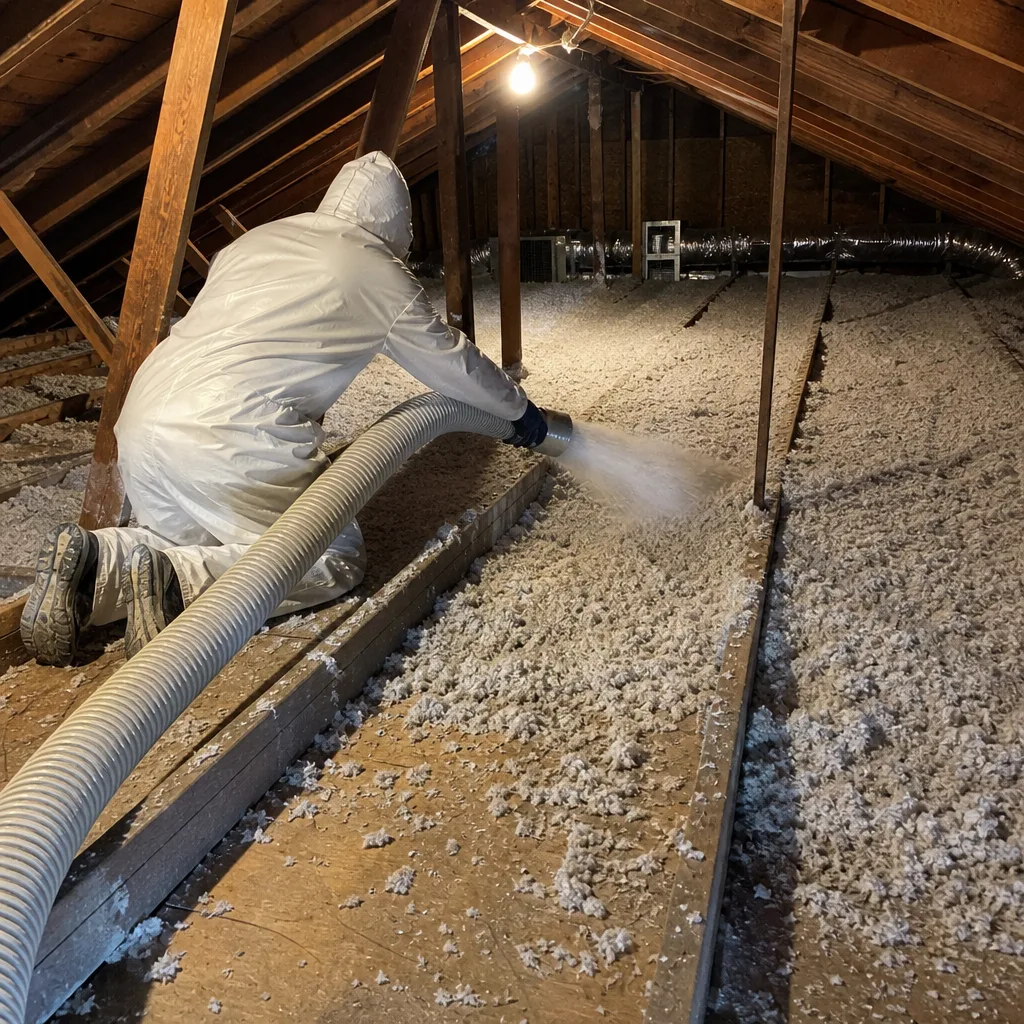
Here’s exactly what happens on a Topside job, start to finish, including Attic Baffles & Ventilation Prep. We describe it this way because the Haven Standard requires that every customer knows what “done” looks like before anyone lifts a tool.
- Attic assessment and blower-door baseline. Before anything else, we measure. The blower-door test – a pressurization test that expresses your building envelope’s air leakage in a single number called CFM50 – gives us a before reading. We document it in writing. This is the number you’ll compare against when the job closes. We also inspect existing insulation depth, note any pest evidence, check for signs of moisture intrusion (not uncommon in older West Hollywood buildings near the Hollywood Hills where fog patterns are different than in flatter parts of the basin), and identify every penetration that needs sealing before insulation goes in.
- Written price, written scope, written warranty – before any work starts. Under Haven Standard Clause 1, a flat written price and a written scope are delivered and signed before a single bag of material opens. No “we’ll figure it out as we go.” If the scope changes, the price changes in writing first.
- Air sealing all attic-floor penetrations. Top plates at interior partition walls, recessed can lights (a major source of conditioned-air loss in West Hollywood’s older remodeled bungalows), plumbing and electrical chases, attic hatch perimeters – every pathway gets sealed with two-part spray foam or fire-rated caulk as appropriate before insulation is installed. This step is non-negotiable. Blown-in insulation is a thermal barrier; it is not an air barrier. Skipping this step and calling the job done is the single most common mistake we see on competing quotes.
- Blown-in insulation installation to target depth. We use GreenFiber recycled cellulose or Owens Corning fiberglass loose-fill depending on the specific attic conditions – cellulose’s higher density works well in tighter cathedral sections, while fiberglass performs better in areas with known moisture sensitivity. Material is blown in lifts, with depth rulers placed across the attic floor so final depth is verifiable. For a standard West Hollywood attic targeting R-38, that means roughly 10-11 inches of cellulose or 14-15 inches of fiberglass loose-fill above the joists.
- Post-installation blower-door test and documentation. Once the attic is sealed and insulated, we run the blower-door again and record the after reading. The difference between the two numbers is the documented proof of what the air-sealing step actually accomplished. On a recent job on a 1960s duplex near Melrose and Fairfax, the before reading was 3,840 CFM50; after sealing and insulation, it came down to 1,920 CFM50 – a 50% reduction in measured air leakage. That kind of number is what you actually paid for, and you get it in writing.
- Documented photo record and written closeout. Every job closes with a photo record of pre-installation conditions, air-sealing work, depth rulers, and final installed depth. The written warranty for the 365-Day Done Right Promise is delivered before we leave the property. If something isn’t right within 365 days of completion, we make it right – that’s the promise, in writing, not a feeling.
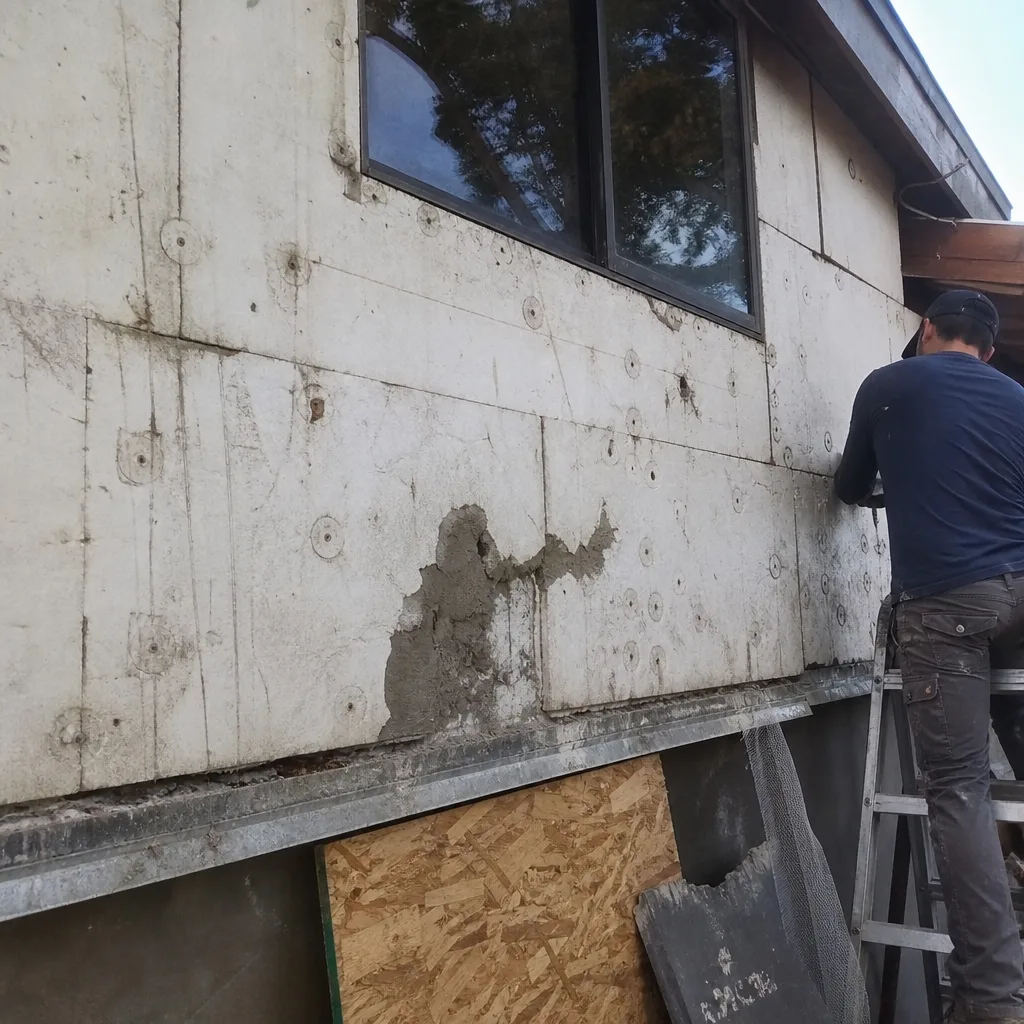 Before
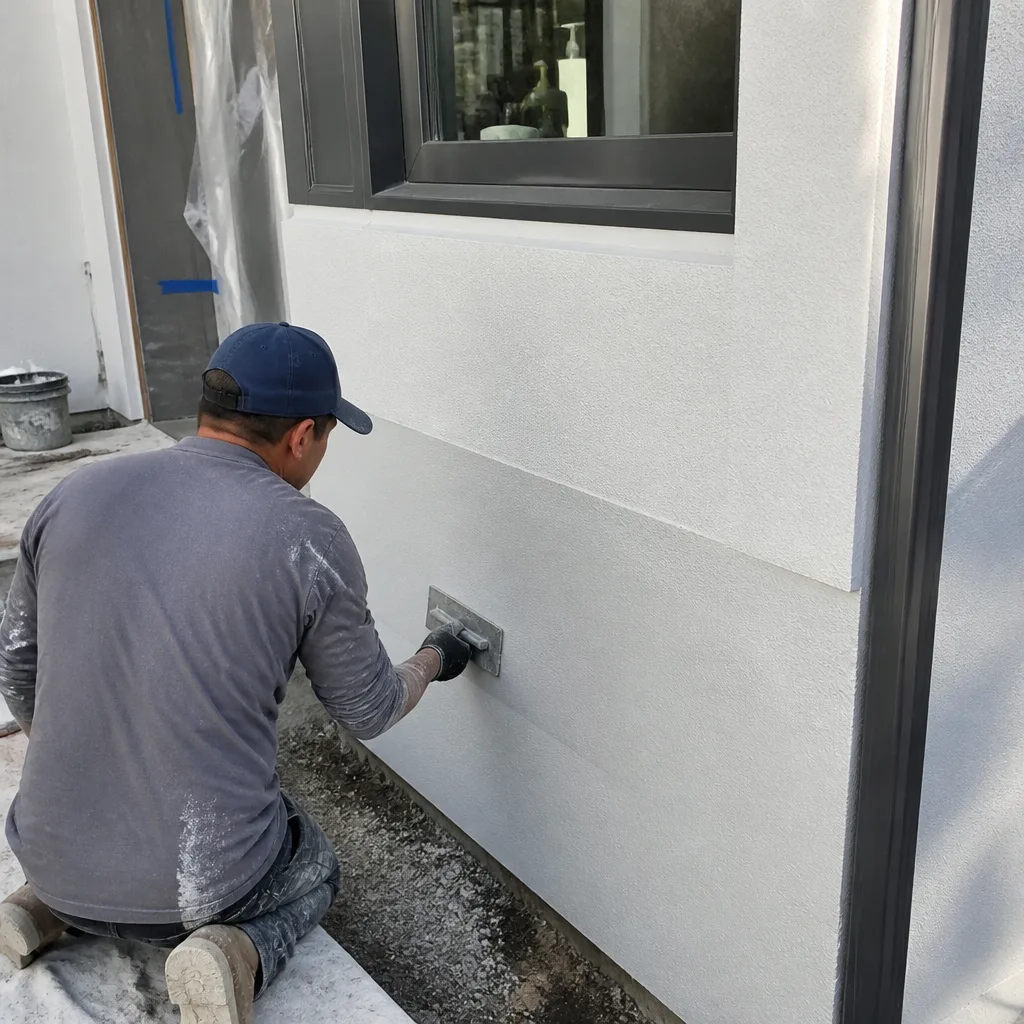 After
AfterBlown-In Attic Insulation Pricing in West Hollywood
Most blown-in attic insulation jobs in West Hollywood run between $1,400 and $3,200 for the insulation installation itself. Air sealing – which we require before any insulation goes in – adds to that range but is priced and scoped separately in writing so you know exactly what you’re paying for each phase.
| Scope | Typical Range | Notes |
|---|---|---|
| Attic air sealing only (no insulation) | $600 – $1,200 | Top plates, can lights, penetrations. Recommended before any insulation install. |
| Blown-in insulation, 800-1,200 sq ft attic | $1,400 – $2,000 | Typical for single-story West Hollywood bungalow or condo unit. |
| Blown-in insulation, 1,200-2,000 sq ft attic | $1,900 – $2,800 | Common range for two-story homes north of Sunset. |
| Full project: air sealing + blown-in insulation | $2,200 – $3,800 | Most common scope for a complete attic envelope upgrade in West Hollywood. |
| Insulation removal (if needed before re-install) | $800 – $1,800 | Priced separately; required when existing material is damaged, contaminated, or pest-affected. |
Several factors move a West Hollywood job toward the higher end of those ranges: limited attic access (many bungalows and attached units near Santa Monica Boulevard have low-pitch roofs with 18-24 inch clearance), extensive can-light penetrations from remodels, the presence of existing insulation that needs partial or full removal, or a larger-than-average footprint. We price all of it before work starts – there are no line items added after the fact.
California’s TECH Clean California rebate program and LADWP rebates may offset a portion of the project cost depending on your baseline R-value and documented improvement. We don’t promise rebate outcomes because eligibility depends on your specific situation, but we do provide the documentation – blower-door readings, material specs, installed R-value records – that rebate applications typically require.
Estimates are free and are delivered as a written price, not a range that shifts when the crew arrives. Call (213) 306-2607 or visit our home page to request yours.
Key Takeaways
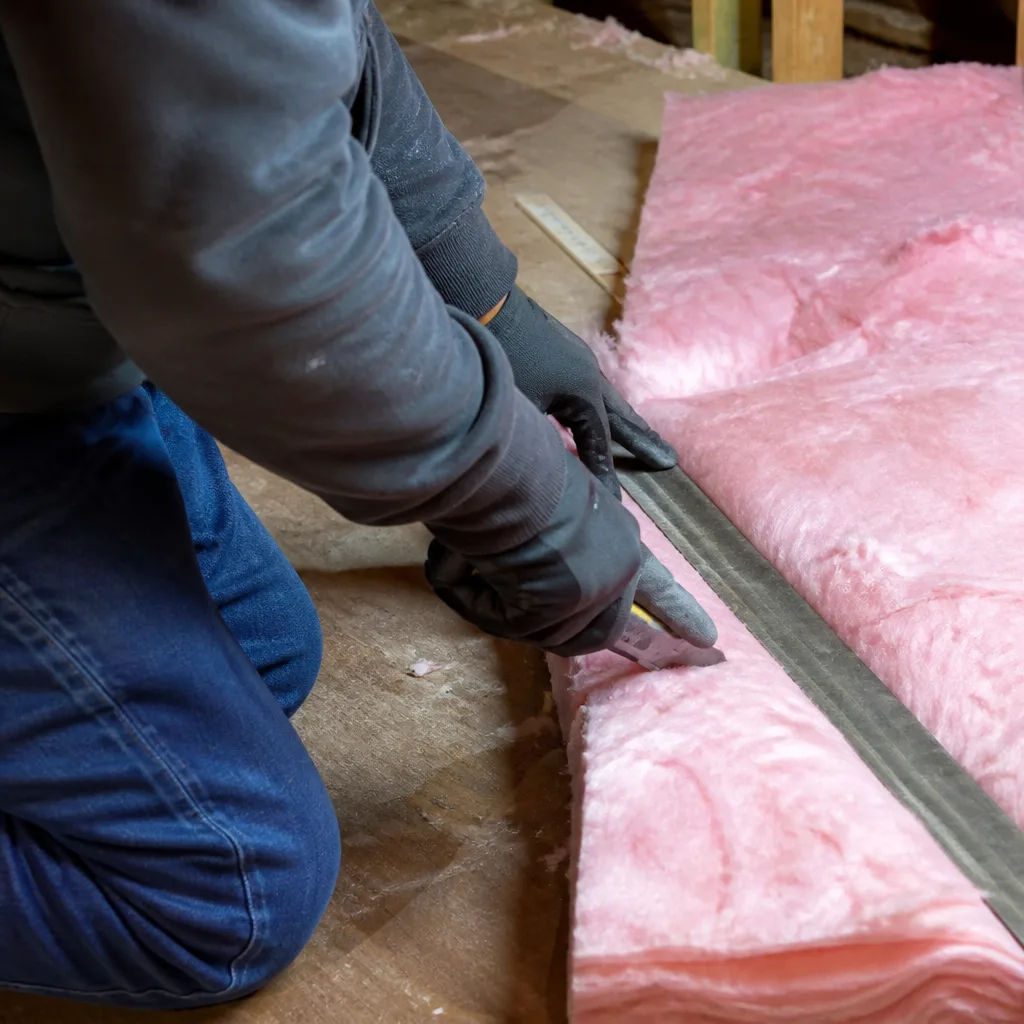
- Blown-in insulation without prior air sealing leaves the biggest source of conditioned-air loss untouched. We seal first, every time.
- Before-and-after blower-door numbers are documented on every applicable job – not available as an add-on, included by default.
- Most complete projects in West Hollywood (air sealing plus blown-in insulation) run between $2,200 and $3,800, priced in writing before work starts.
- California Title 24 requires R-38 minimum in climate zone 9. Most pre-1990 West Hollywood homes are significantly below that threshold.
- The 365-Day Done Right Promise covers every completed job, in writing.
FAQs – Blown-In Attic Insulation
How much does blown-in attic insulation cost in West Hollywood?
Wondering How Much Does Attic Insulation Cost? (2026 Price Guide) - West Hollywood, CA? Blown-in attic insulation in West Hollywood typically runs $1,400 to $2,800 for installation alone, depending on attic square footage and access. When combined with the air sealing work that should precede it, most full-scope projects run between $2,200 and $3,800. The exact number depends on your attic’s square footage, access conditions, existing insulation status, and how many penetrations need sealing. Under Haven Standard Clause 1, you get that number in writing before any work starts. Call (213) 306-2607 for a free written estimate.
Is blown-in insulation better than batt insulation for an attic?
For most West Hollywood attics, yes – blown-in loose-fill covers irregular joist cavities, gaps around obstructions, and tight low-pitch areas more completely than pre-cut batts can. Attic Batt Insulation leaves voids at irregular framing and tends to sag or settle over time, especially in attics that experience the significant thermal cycling common in the Hollywood Hills area. Blown-in cellulose or fiberglass maintains more consistent coverage across the full attic floor, which matters for achieving the R-38 California requires. That said, the choice between cellulose and fiberglass loose-fill depends on your specific attic conditions – moisture history, existing debris, and access all factor in.
Do you have to remove old insulation before adding blown-in?
Not always – but sometimes. If existing insulation is dry, undamaged, and free of pest contamination, blown-in material can be added over it to bring the total depth up to current R-value targets. If the existing material is wet, flattened to near-zero R-value, or shows signs of rodent activity, removal is the cleaner path and we scope that separately in writing before proceeding. On the assessment visit, we measure what’s there and document its condition with photos so you can see exactly what we found before any recommendation is made.
How long does blown-in attic insulation last in Southern California’s climate?
GreenFiber cellulose and Owens Corning fiberglass loose-fill both carry product warranties in the range of 25 years, and properly installed blown-in insulation in a dry, ventilated attic routinely performs for 30 or more years without significant degradation. The Southern California climate is actually favorable for insulation longevity compared to high-humidity regions – the primary threats here are pest infiltration and physical disturbance from HVAC maintenance or remodel work, not moisture-driven breakdown. Our documented photo record gives you a baseline to compare against if you ever open the attic years from now and want to verify nothing has shifted.
Written by Wes Okafor, Owner at Topside Attic Insulation West Hollywood, serving West Hollywood since 2016.