
Last updated September 23, 2026
How to Hire a Insulation Contractor in West Hollywood: A Step-by-Step Guide
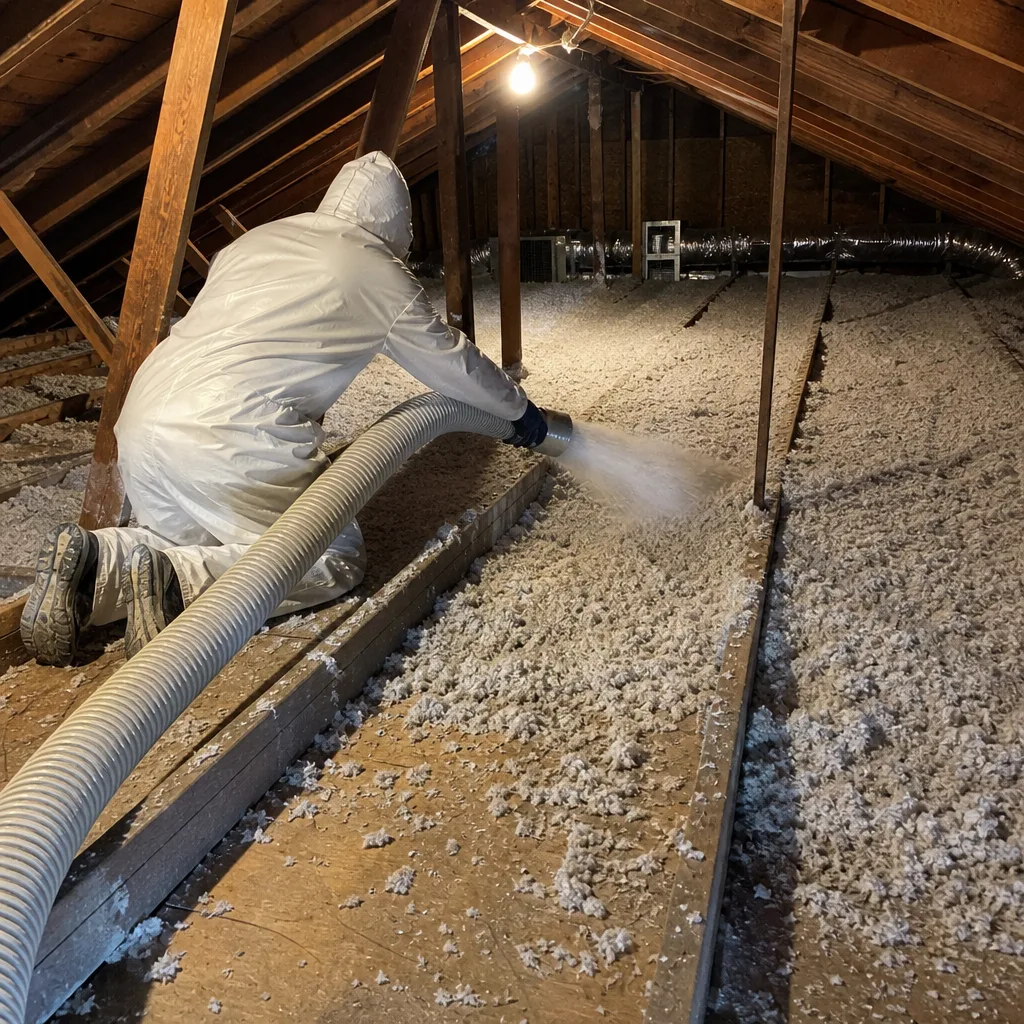
If an insulation quote arrives without a pre-installation blower-door number or a line item for air sealing, the contractor is pricing you for material only - the part of the job that accounts for roughly 40% of the actual performance outcome. We’ve spent nine years in West Hollywood homes where the previous contractor blew R-38 over unsealed top plates and can-light penetrations, leaving the homeowner with a thick attic that still leaked 3,800 CFM50. This guide teaches you to filter contractors on process, not price per square foot, so you get the documented performance you paid for. For more guides & resources, visit our blog.
Quick Answer
Hiring a legitimate insulation contractor in West Hollywood means verifying five written documents before work begins: a fixed-price scope of work, an air-sealing plan with a pre-installation blower-door test, a material specification sheet, permit status confirmation, and a written warranty. The contractor should hold a C-2 insulation and acoustical license (or a B general building contractor license with insulation experience), carry active workers’ compensation and general liability insurance, and never quote attic work over the phone without inspecting your attic floor, roof deck, and existing ventilation paths.
Table of Contents
- Why Process Beats Price Per Square Foot
- The Five Written Documents You Should Receive Before Work Begins
- How to Verify a California Insulation Contractor’s License
- Interview Questions That Separate Technicians From Material Sellers
- How to Read and Compare Insulation Quotes in West Hollywood
- Red Flags Specific to the West Hollywood Market
- Common Mistakes to Avoid
- When to Call a Professional
- Frequently Asked Questions
- The Bottom Line
 Before
 After
AfterWhy Process Beats Price Per Square Foot
Most homeowners in West Hollywood start their search the same way: they Google “insulation contractor near me,” collect three quotes, and pick the middle price. The problem is that two quotes can show identical R-values and square footage while delivering completely different buildings.
R-value measures a material’s resistance to heat flow through a static sample. It does not measure whether air is moving through that material, around it, or through the framing it sits between. In a 1970s bungalow north of Santa Monica Boulevard, we’ve measured R-38 fiberglass batts performing like R-19 because wind washing - outdoor air moving through soffit vents and across the attic floor - stripped the thermal boundary. The insulation was thick. The house was still leaking.
A blower-door test - a pressurization reading that shows, in one number, how much air your building envelope is losing - solves this. The test depressurizes the house to -50 Pascals and measures airflow in cubic feet per minute (CFM50). A 1,200-square-foot West Hollywood cottage built in 1948 might read 4,500 CFM50 before work. After proper air sealing of top plates, electrical penetrations, can lights, and duct boots, then insulation, that same house reads 2,200 CFM50. The homeowner gets a printed before-and-after number. The contractor can’t fake it.
Here’s what we see when contractors skip this step:
- They quote by the bag of blown-in material, not by the building’s performance target
- They never mention attic air sealing, or they bury it as an optional add-on
- They promise comfort and lower bills without measuring the hole they’re filling
- They leave West Hollywood homeowners with cold floors in January and AC that runs until 10 PM in August
The right question isn’t “how much per square foot?” It’s “what’s my ACH50 target, and how do we get there?” ACH50 - air changes per hour at -50 Pascals - is the metric that matters. California’s Title 24 energy code references it. A competent contractor should name a target and explain how air sealing plus insulation gets you there.
At Topside Attic Insulation West Hollywood home, we publish before-and-after blower-door numbers on every applicable job. The homeowner sees the performance change they paid for in a single figure. No interpretation needed.
The Five Written Documents You Should Receive Before Work Begins
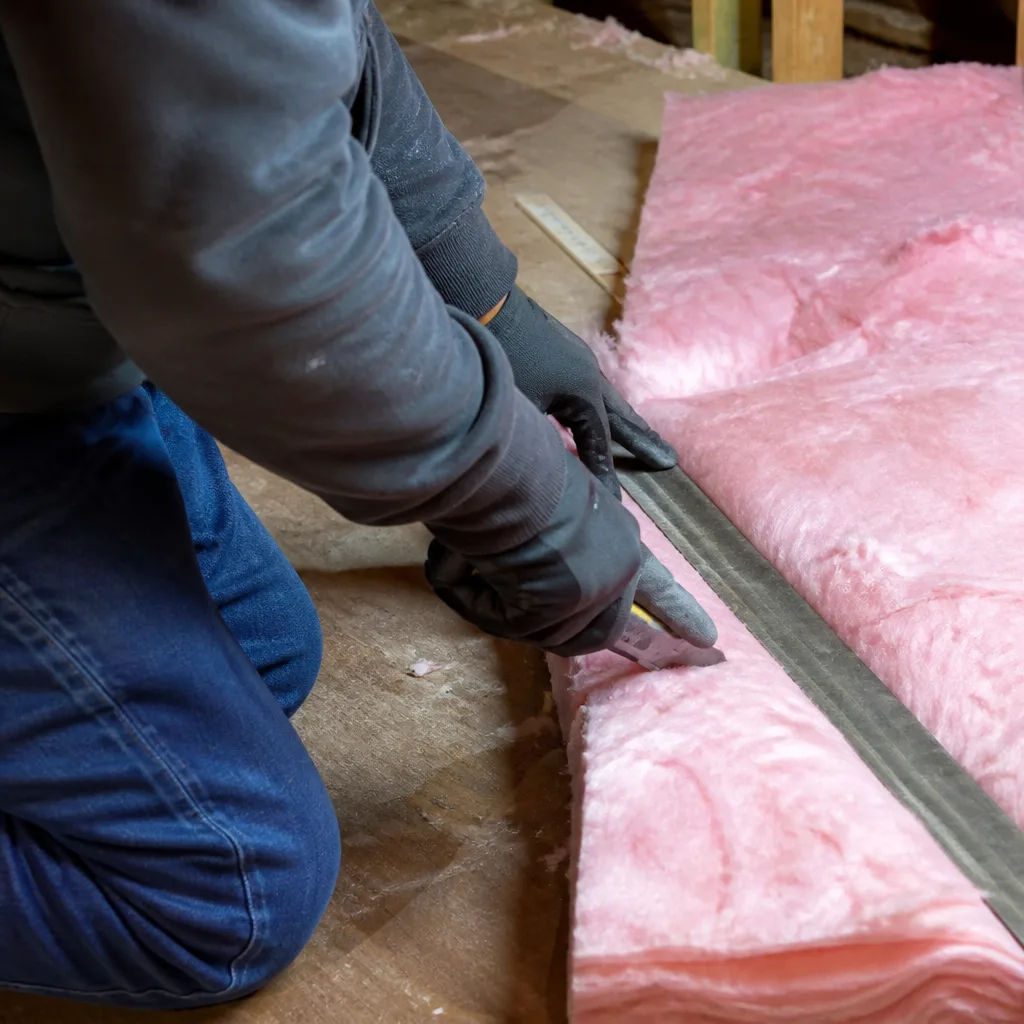
Under Haven Standard Clause 1, every job begins with a written price before any work starts. But a legitimate insulation contractor in West Hollywood should produce five distinct documents, not just a one-page estimate. Here’s what each contains and why missing any one is a signal to walk away.
1. Scope of Work
This describes exactly what areas will be insulated and to what depth or R-value. It should specify preparation steps: existing insulation removal, attic cleaning, rodent proofing if needed, and ventilation baffle installation to maintain soffit airflow. In West Hollywood’s dense neighborhoods - the Norma Triangle, West Hollywood Heights, the area east of Fairfax - many attics have been modified multiple times. The scope should note any irregular joist spacing, dropped soffits, or kneewalls that require custom treatment.
2. Air-Sealing Plan
This is the document that separates envelope technicians from bag-fillers. It should list every leakage point to be sealed: top plates of interior and exterior walls, electrical and plumbing penetrations, recessed can lights, chimney chases, duct boots, and attic access hatches. It should specify materials - fire-rated caulk, expanding foam, rigid foam with proper ignition barriers - and it should include a pre-installation blower-door number with a target post-sealing result. If this document is missing, the contractor is not doing air sealing as a prerequisite. They’re doing it as an upsell, if at all.
3. Material Specification Sheet
This names the manufacturer and product line for every material installed. In West Hollywood, we commonly specify spray foam insulation in West Hollywood from Icynene or Demilec for open-cell applications, or GreenFiber cellulose for blown-in jobs where homeowners prefer recycled content. Owens Corning fiberglass is specified where moisture management and cost balance matter. The sheet should note R-value per inch, coverage rates, and whether ignition or thermal barriers are required by code.
4. Permit Status Confirmation
Insulation work in West Hollywood requires a permit from the City of West Hollywood Building Division when it involves spray foam, changes to the thermal envelope of a multi-family building, or work in a commercial space. For a deeper look at requirements across the state, see our guide on Insulation Permits, Codes & Inspections in CA: What You Need to Know. Single-family attic insulation with blown-in or batt material often does not require a permit, but the contractor should state this explicitly in writing rather than leaving you to guess. The document should note who pulls the permit, who schedules inspections, and what inspections are required.
5. Fixed Price and Written Warranty
Not an estimate. A fixed price. The Haven Standard requires this: flat price, written scope, written warranty before anyone lifts a tool. The warranty should specify duration, what it covers (settlement, performance degradation, installation defects), and the process for making a claim. Our 365-Day Done Right Promise - if it’s not done right, we make it right - is delivered in writing before work begins, not offered verbally after a complaint.
Ask for these five documents at your first meeting. A contractor who produces them without hesitation has done this before. One who deflects to “we’ll send that after you sign” is operating on a handshake, and handshakes don’t hold up when your attic is 140 degrees in July and the new insulation isn’t performing.
How to Verify a California Insulation Contractor’s License
California requires anyone performing insulation work for over $500 in labor and materials to hold a valid contractor license from the Contractors State License Board (CSLB). Here’s how to verify it and what to look for.
Step-by-Step CSLB Verification
- Visit cslb.ca.gov and click “Check a License”
- Enter the six- or seven-digit license number the contractor provided
- Review the license status - it must show “Active,” not “Suspended” or “Expired”
- Click “View Details” to see the classification, bond history, and workers’ compensation status
- Scroll to “Workers’ Compensation Insurance” - this must show coverage for employees, or the contractor must certify they have no employees (a one-person operation)
- Check “Disciplinary Actions” for any history of consumer complaints or board sanctions
License Classifications for Insulation Work
Two classifications cover insulation in California:
- C-2 - Insulation and Acoustical Contractor: This is the specialist classification. It authorizes installation of all thermal and acoustical insulation materials, including spray foam, batt, blown-in, and radiant barrier. A C-2 holder can also perform incidental air sealing required for proper insulation installation.
- B - General Building Contractor: A B license holder can perform insulation work as part of a larger project or if they have documented experience in insulation. However, a B license alone does not demonstrate specialized knowledge of building envelope science, blower-door testing, or the air-sealing prerequisites that determine insulation performance.
For a West Hollywood home where envelope performance matters - and it does, with summer temperatures regularly hitting 95 degrees and winter nights in the 40s - we recommend a contractor who holds a C-2 or a B with demonstrated insulation specialization. Ask how many blower-door tests they’ve performed in the last year. The answer tells you whether they measure performance or install material.
Also verify general liability insurance. The CSLB requires a $25,000 bond, but that’s a consumer protection fund, not project insurance. Ask for a certificate of insurance naming you as additional insured during the project period. A legitimate contractor produces this without drama.
Interview Questions That Separate Technicians From Material Sellers
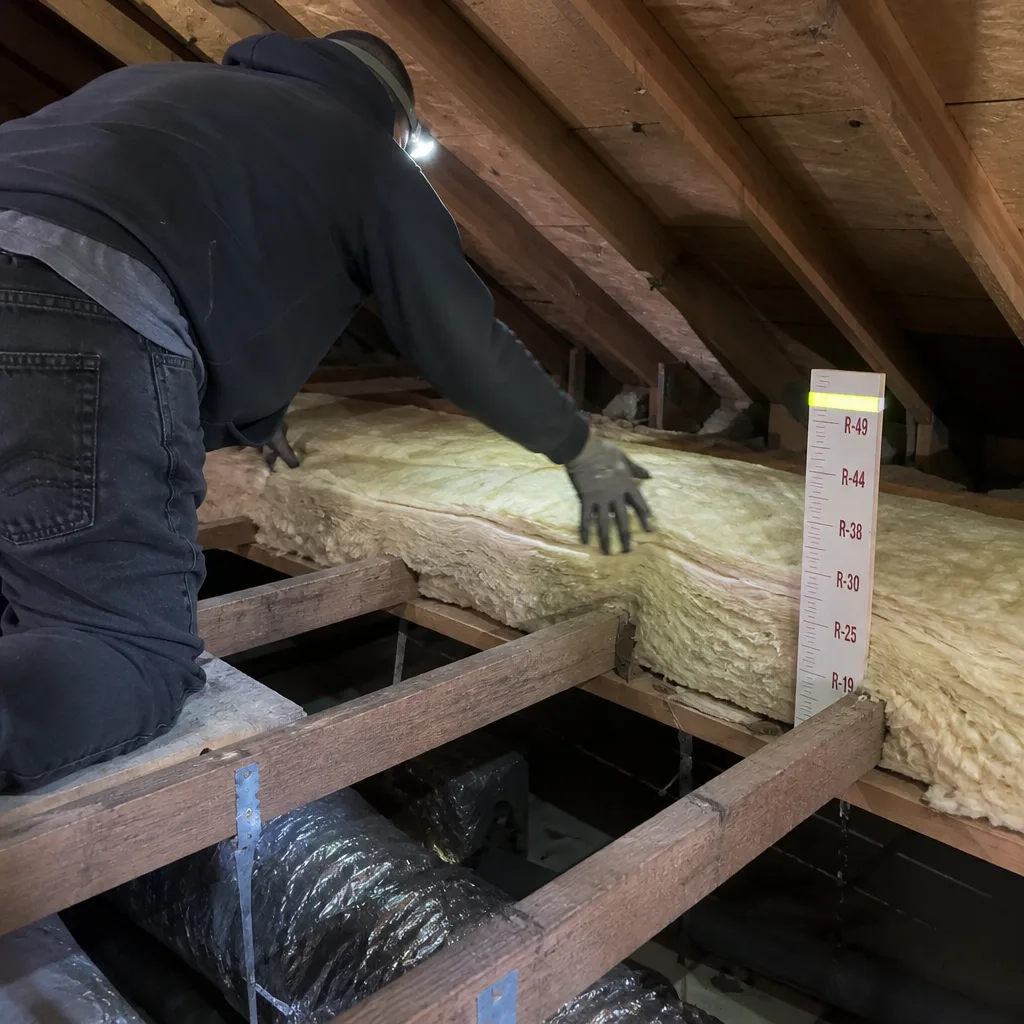
When we meet homeowners in West Hollywood - particularly in the older stock between Melrose and Beverly, where 1920s duplexes sit next to 1960s courtyard apartments - we expect to be interviewed. Here are the questions that actually reveal whether a contractor understands your building, plus what good and bad answers sound like.
Question 1: “Will you perform a blower-door test before quoting?”
Good answer: “Yes, we test before and after. Your pre-test number tells us how much air sealing is needed before we specify insulation type and depth. We can’t price the work without knowing the hole size.”
Bad answer: “We don’t need that for a standard attic. We just measure square footage and joist depth.”
Question 2: “What thermal bypasses do you typically find in West Hollywood homes of this era?”
Good answer: “In 1940s and 1950s West Hollywood construction, we regularly see unsealed top plates where interior walls meet the attic, open chase ways for plumbing vents, and original recessed lights without IC-rated housings. The stucco exterior often has no continuous air barrier, so we seal from the interior.”
Bad answer: “Every house is different. We’ll see when we get up there.” (This means they haven’t thought about it.)
Question 3: “Is air sealing included in your price, or is it extra?”
Good answer: “Air sealing is prerequisite. We don’t blow insulation over an unsealed attic floor. It’s line-itemed in your scope, and we don’t start insulation until the blower-door number drops to target.”
Bad answer: “We can add air sealing if you want. Most people just do the insulation.” (This contractor is selling bags, not performance.)
Question 4: “What documentation do I receive when the job is done?”
Good answer: “You’ll get a Documented Photo Record of the completed work, the final blower-door number if applicable, a material receipt showing what was installed where, and your written warranty. Everything in writing before we leave.”
Bad answer: “We’ll email you the invoice. The crew will let you know if there were any issues.” (No record, no recourse.)
Question 5: “How do you handle existing insulation that’s damaged or contaminated?”
Good answer: “We inspect for rodent activity, moisture damage, and asbestos-suspect material. If removal is needed, we quote it separately with proper containment, HEPA filtration, and disposal documentation. We don’t bury problems under new material.”
Bad answer: “We just blow over what’s there. More insulation is always better.” (This can trap moisture, hide electrical hazards, and compress old material to useless density.)
Ask these five questions in your first conversation. The contractor’s comfort with technical detail - or their evasion - tells you everything about what your attic will look like in six months.
How to Read and Compare Insulation Quotes in West Hollywood
Two quotes for “R-38 blown-in attic insulation, 1,000 square feet” can differ by $800 or more. The price per square foot is almost never the right comparison. Here’s a framework for evaluating what you’re actually buying.
The Unit-Cost Comparison Framework
Break every quote into these components:
| Line Item | Quote A | Quote B |
|---|---|---|
| Pre-installation blower-door test | $0 (not mentioned) | $Included |
| Air sealing (labor + materials) | $0 (not mentioned) | $680 |
| Insulation material (named product) | $1,400 (generic “blown-in”) | $1,200 (GreenFiber cellulose) |
| Insulation labor | $600 | $550 |
| Prep work (baffles, access hatch, etc.) | $0 | $240 |
| Post-installation blower-door test | $0 | $Included |
| Documentation package | $0 | $Included |
| Total | $2,000 | $2,670 |
| ACH50 target / result | Not stated | 8.0 ACH50 before, 4.5 after |
Quote A looks cheaper. But Quote A delivers R-38 material in a leaky attic. Quote B delivers a measured, documented building envelope improvement. In West Hollywood’s climate - where summer cooling loads dominate and winter heating is still significant - the air-sealed attic performs year-round. The unsealed attic performs in theory.
Key Comparison Points
- Is air sealing line-itemed or absent? Absence means it’s not happening, or it’s buried in “labor” without specification
- Is the insulation product named by manufacturer and line? “Blown-in” is not a product. “GreenFiber Sanctuary” or “Owens Corning AttiCat” is
- Is there a performance target? ACH50, CFM50 reduction percentage, or equivalent
- Are ventilation components included? Baffles, vent chutes, or ridge vent modifications needed for code compliance
- Is the price fixed or estimated? “Estimate” means it can increase. Fixed price means the contractor absorbs unexpected conditions
Our Free Second Opinion on Any Written Estimate exists for exactly this situation. Bring us a competing quote; we’ll read it with you and show you what’s included, what’s missing, and what questions to ask.
Red Flags Specific to the West Hollywood Market
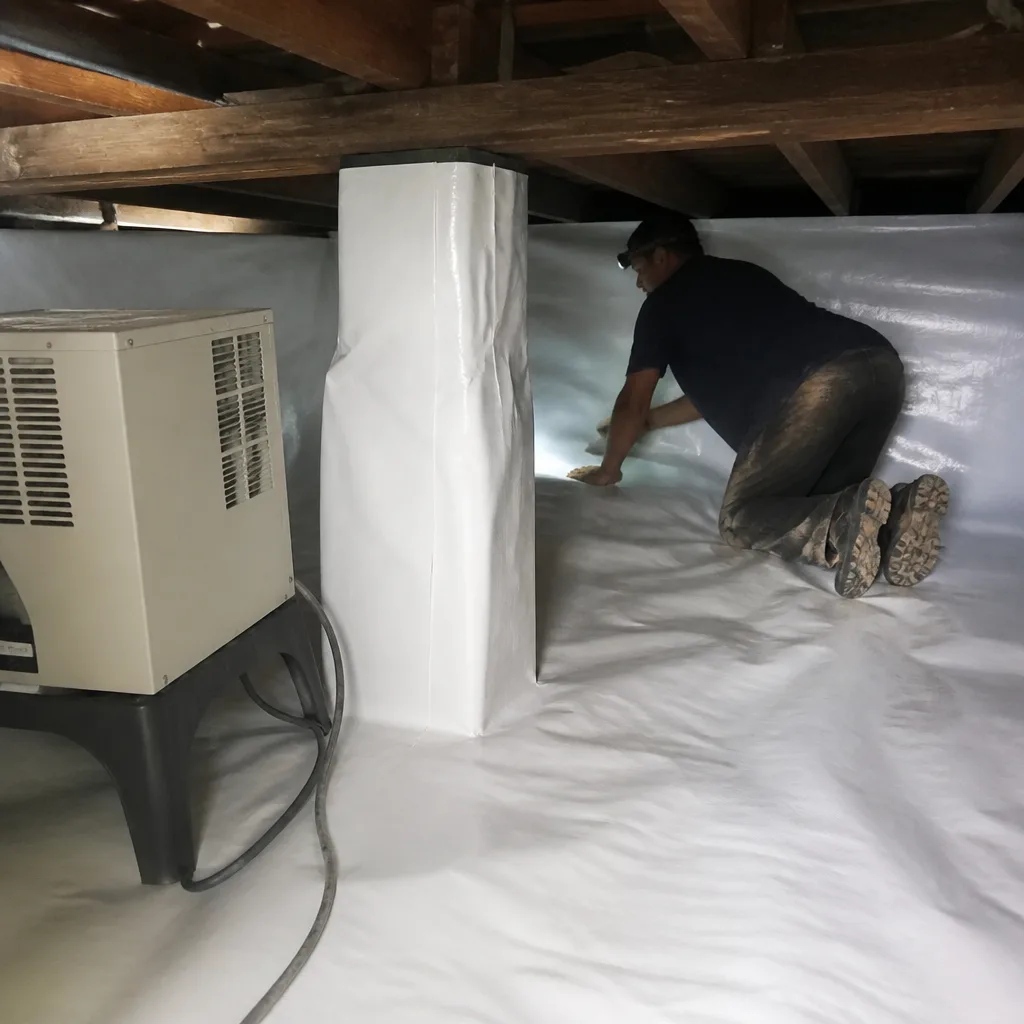
West Hollywood’s housing stock and regulatory environment create specific risks that don’t apply uniformly across Los Angeles County. Here are the Insulation Warning Signs: A West Hollywood Homeowner’s Reference Guide we’ve compiled from local homes.
Phone Quotes Without Attic Inspection
A contractor who quotes attic insulation over the phone - based on square footage from Zillow or your description - cannot know your joist spacing, existing insulation condition, ventilation configuration, or leakage paths. In West Hollywood’s hillside neighborhoods, like the area north of Sunset with stepped foundations and complex rooflines, attic geometry varies dramatically. A phone quote is a guess, and guesses go low to get the job, then change orders follow.
R-Value Promises Without Air-Sealing Prerequisites
“We’ll get you to R-38” is meaningless if air moves freely through the attic floor. In West Hollywood’s older buildings with balloon framing or unsealed chases, R-value without air sealing is like wearing a down jacket with the zipper open. The contractor knows this. The promise is designed to sound technical while avoiding the harder, more valuable work.
Verbal Post-Job Documentation
“The crew said it looked great” is not documentation. In a city where tenants and landlords both need records for habitability disputes - common in West Hollywood’s renter-majority market - written documentation protects everyone. A contractor who won’t provide photos, test numbers, and a signed completion statement is a contractor who doesn’t want their work examined later.
Permit Evasion in Multi-Family Buildings
West Hollywood has aggressive code enforcement and active tenant protection ordinances. Work in duplexes, triplexes, and courtyard apartments without proper permitting can trigger stop-work orders, fines, and required removal of completed work. A contractor who suggests “we can skip the permit to save money” is exposing you to liability, not saving you anything.
Generic Material With No Brand Accountability
“We use the best stuff” means nothing. If the contractor won’t name the manufacturer, you can’t verify warranty terms, fire ratings, or whether the product is appropriate for your application. We specify materials from Owens Corning, Icynene, Demilec, and GreenFiber because these manufacturers publish technical data, honor warranties, and have regional representation if issues arise.
Common Mistakes to Avoid
- Treating R-value as the only metric. A high R-value in a leaky attic underperforms a lower R-value in a sealed one. Always pair R-value discussion with air leakage targets.
- Comparing quotes by total price alone. Two quotes with $900 difference in total may differ by $1,500 in actual value delivered. Itemize before comparing.
- Ignoring ventilation. West Hollywood’s combination of older soffit designs and modern airtightness goals requires careful ventilation planning. Sealing without venting creates moisture problems.
- Skipping the license check. Unlicensed operators advertise on neighborhood apps and offer cash discounts. When the work fails, you have no CSLB recourse and no insurance claim path.
- Accepting “we’ll handle permits” without written confirmation. The contractor should state who pulls the permit, when inspections occur, and what final documentation you receive.
- Neglecting to ask about cleanup and protection. Insulation work generates dust and debris. The quote should specify floor protection, HEPA filtration during work, and post-job cleaning - not “we’ll try to keep it clean.”
- Assuming all spray foam is the same. Open-cell and closed-cell spray foam have different moisture permeance, R-value per inch, and ignition barrier requirements. A contractor who doesn’t specify which and why is guessing at your building’s needs.
When to Call a Professional
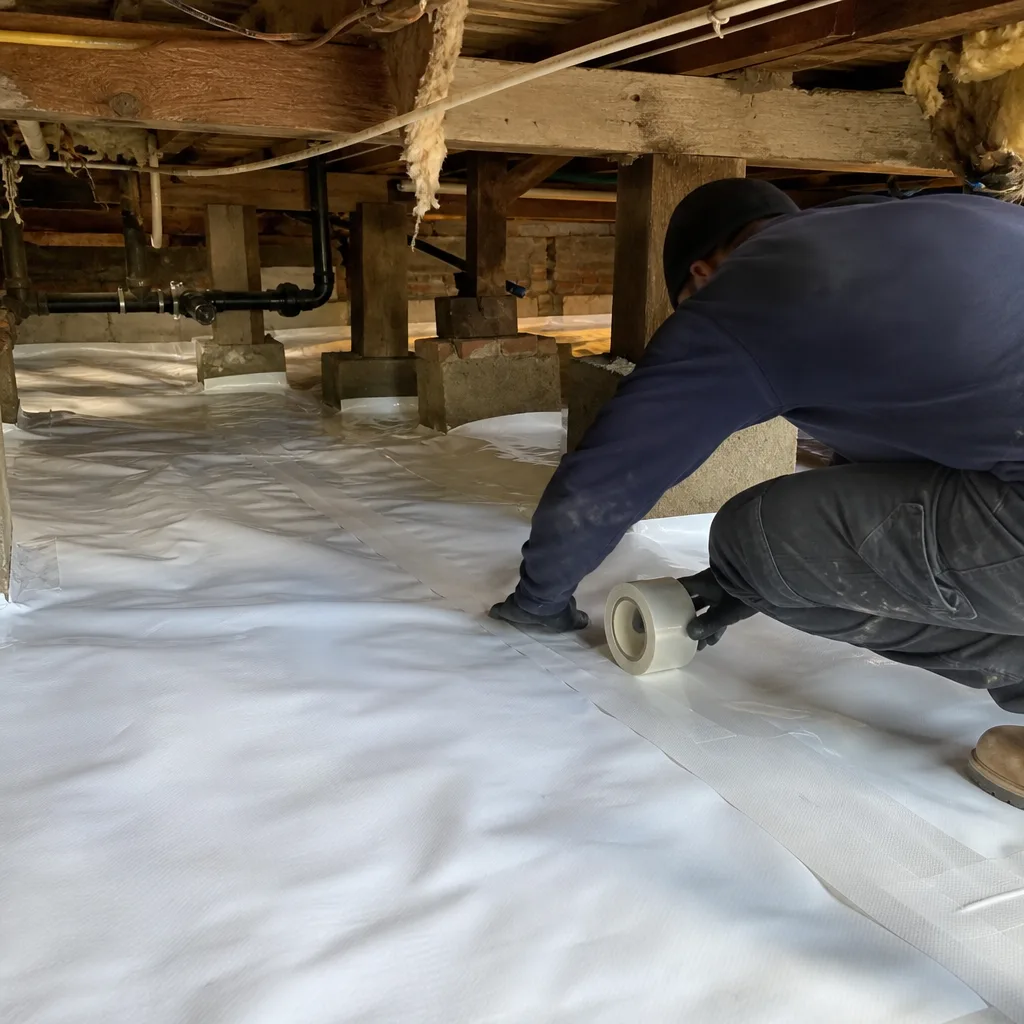
Call a professional insulation contractor when your energy bills spike without rate changes, when rooms on your top floor stay hot into the evening despite running AC, when you feel drafts from outlets and light switches on exterior walls, or when your existing attic insulation is visibly compressed, water-stained, or disturbed by rodents. These symptoms indicate envelope failure that DIY solutions won’t resolve.
In West Hollywood, where many buildings have had multiple owners with varying maintenance standards, a professional assessment also identifies hidden conditions: knob-and-tube wiring buried in old insulation, disconnected ductwork in the attic, or structural damage from long-term leaks. These conditions must be addressed before insulation is added.
Attic insulation in West Hollywood requires understanding local conditions - the Santa Ana wind exposure, the dense urban heat island, the mix of vintage and renovated stock. Crawl space encapsulation and vapor barrier in West Hollywood addresses the ground-level moisture that affects hillside and flatland homes differently. Topside Attic Insulation West Hollywood offers free estimates in West Hollywood - call (213) 306-2607. We’ll bring the five documents, perform the blower-door test, and show you exactly what your home needs.
Frequently Asked Questions
Most complete attic insulation jobs in West Hollywood run between $2,200 and $4,800 for a typical single-family home between 1,000 and 2,000 square feet, with the final price depending on whether existing insulation removal, air sealing, or ventilation modifications are needed. For a detailed breakdown, see our Insulation Cost Breakdown: The West Hollywood Homeowner’s Reference for 2026. Spray foam applications run higher due to material cost and specialized application requirements. Call (213) 306-2607 for a fixed-price quote - estimates are free, and the price we write is the price you pay.
Verify any contractor’s license at cslb.ca.gov using their six- or seven-digit license number; the status must show “Active,” the classification should be C-2 or B with insulation experience, and workers’ compensation coverage must be current if they have employees. We provide our license number at the first meeting and encourage every homeowner to check it.
Air sealing is the process of closing gaps, cracks, and penetrations in the building envelope - top plates, electrical boxes, duct boots, can lights - to stop conditioned air from escaping into the attic or walls. It is listed separately because it requires different materials, techniques, and verification (blower-door testing) than insulation installation. A contractor who bundles it into “insulation labor” without specification is likely not performing it systematically.
You can only add new insulation over old if the existing material is dry, uncontaminated, uncompressed, and free of rodent activity or asbestos-suspect material. In our experience inspecting West Hollywood attics, roughly half of pre-1990 insulation requires partial or full removal before new material is added. We assess this during our initial inspection and document our findings with photos.
A typical attic insulation job with air sealing takes one to two days for a West Hollywood single-family home: half a day for prep, air sealing, and blower-door verification; half a day to a full day for insulation installation and final testing. Larger homes, spray foam applications, or jobs requiring extensive existing material removal may extend to three days. We provide a written schedule with your fixed-price quote.
Spray foam insulation, multi-family building envelope work, and commercial applications require permits from the City of West Hollywood Building Division. Single-family blown-in or batt attic insulation often does not require a permit, but we confirm permit status in writing for every job so you have clear documentation. When permits are required, we pull them and schedule inspections as part of our scope.
The Bottom Line
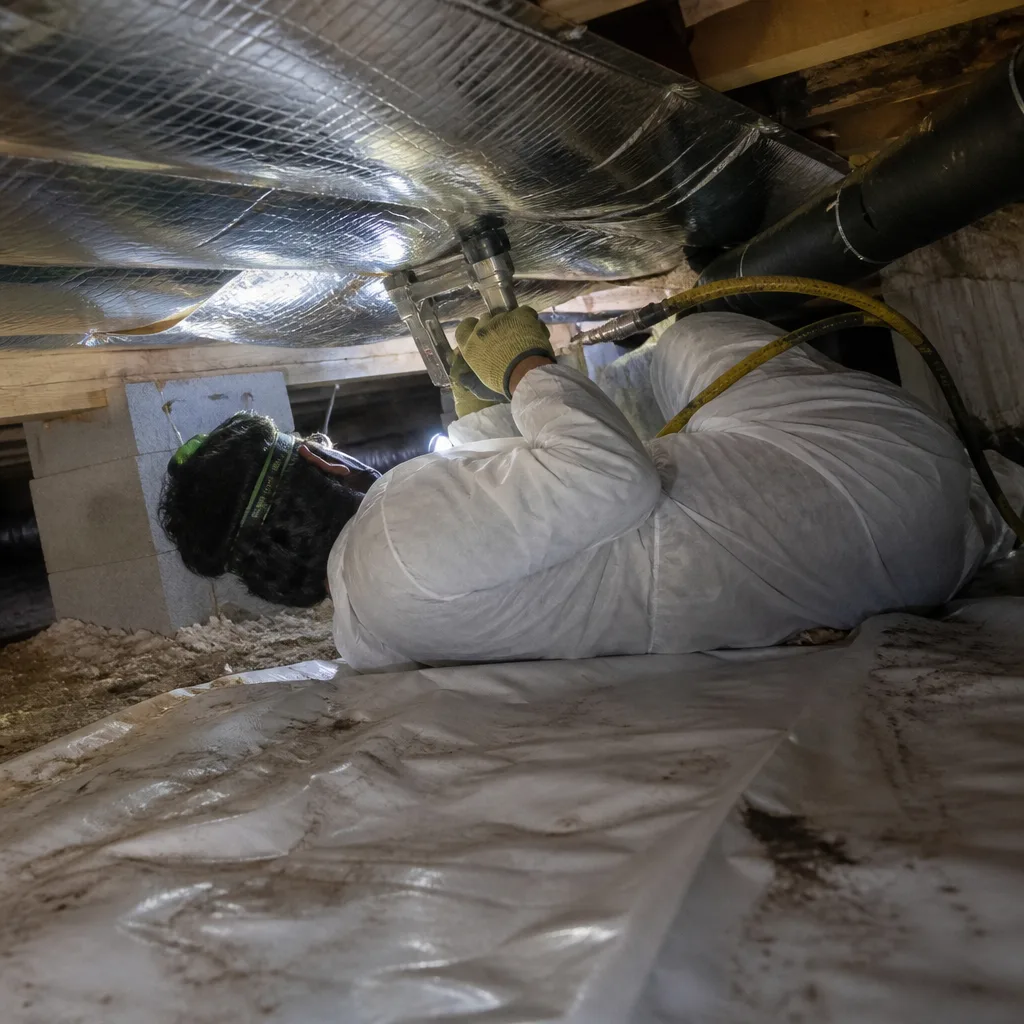
Hiring an insulation contractor in West Hollywood is not about finding the lowest price per square foot. It’s about finding a contractor who measures before quoting, seals before insulating, documents everything in writing, and proves results with a blower-door number you can verify. The five documents - scope, air-sealing plan, material spec, permit status, and fixed price - separate professionals from material sellers. Ask the interview questions. Verify the license. Compare quotes by component, not total. And never accept a verbal promise when a written record is your right as a homeowner.
We’ve sealed and insulated over 9,000 homes since 2016, every one with a written price before work started and a documented record when the crew left. The Haven Standard isn’t a slogan. It’s the paperwork you hold in your hand.
Call (213) 306-2607 for a free estimate. We’ll bring the documents, run the blower-door test, and show you exactly what your West Hollywood home needs.
Written by Wes Okafor, Owner at Topside Attic Insulation West Hollywood, serving West Hollywood since 2016.