
Last updated September 23, 2026
DIY vs Professional Insulation: The West Hollywood Homeowner’s Decision Guide
Blown-in insulation is legally and physically DIY-able in California for a homeowner working on their own residence - but the air sealing that must precede it, the permit that may be required, and the blower-door test that would confirm it worked are not tasks a bag of cellulose and a rented blower accomplish. In West Hollywood, where the housing stock runs heavy on 1920s bungalows, 1960s courtyard apartments, and recent ADU conversions, the gap between “can install” and “should install” is wider than the attic hatch most homeowners squeeze through. This guide breaks down what California law actually permits, what West Hollywood’s building code requires, which risks are manageable, and which ones require a trained crew, documented equipment, and a permit path you cannot walk alone.
Quick Answer
Most West Hollywood homeowners can legally self-install batt or blown-in insulation in their own attic without a contractor’s license, but they cannot pull the permit for work requiring HERS verification, cannot safely perform the air sealing that determines whether insulation performs, and cannot verify results without a blower-door test that costs nearly as much as hiring the work done. For attics with knob-and-tube wiring, asbestos-suspect vermiculite, or no floor decking, DIY is inadvisable regardless of skill level.
Table of Contents
- What California Law Permits Homeowners to Self-Perform
- The Air-Sealing Prerequisite Problem
- Skills and Tools Audit: What DIY Actually Requires
- Risk Categories in West Hollywood’s Housing Stock
- The Honest DIY Break-Even Point
- The Permit and Inspection Path in West Hollywood
- Common Mistakes to Avoid
- When to Call a Professional
- Frequently Asked Questions
- The Bottom Line
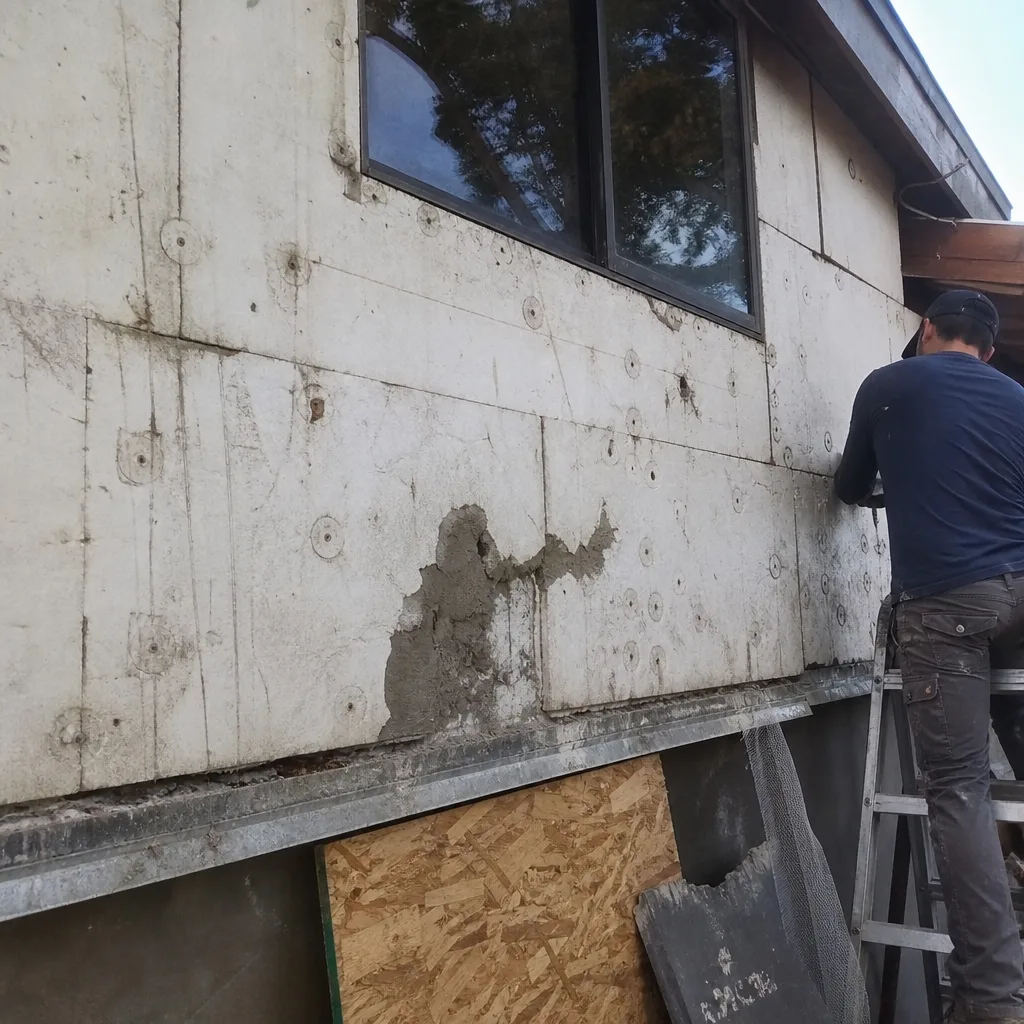 Before
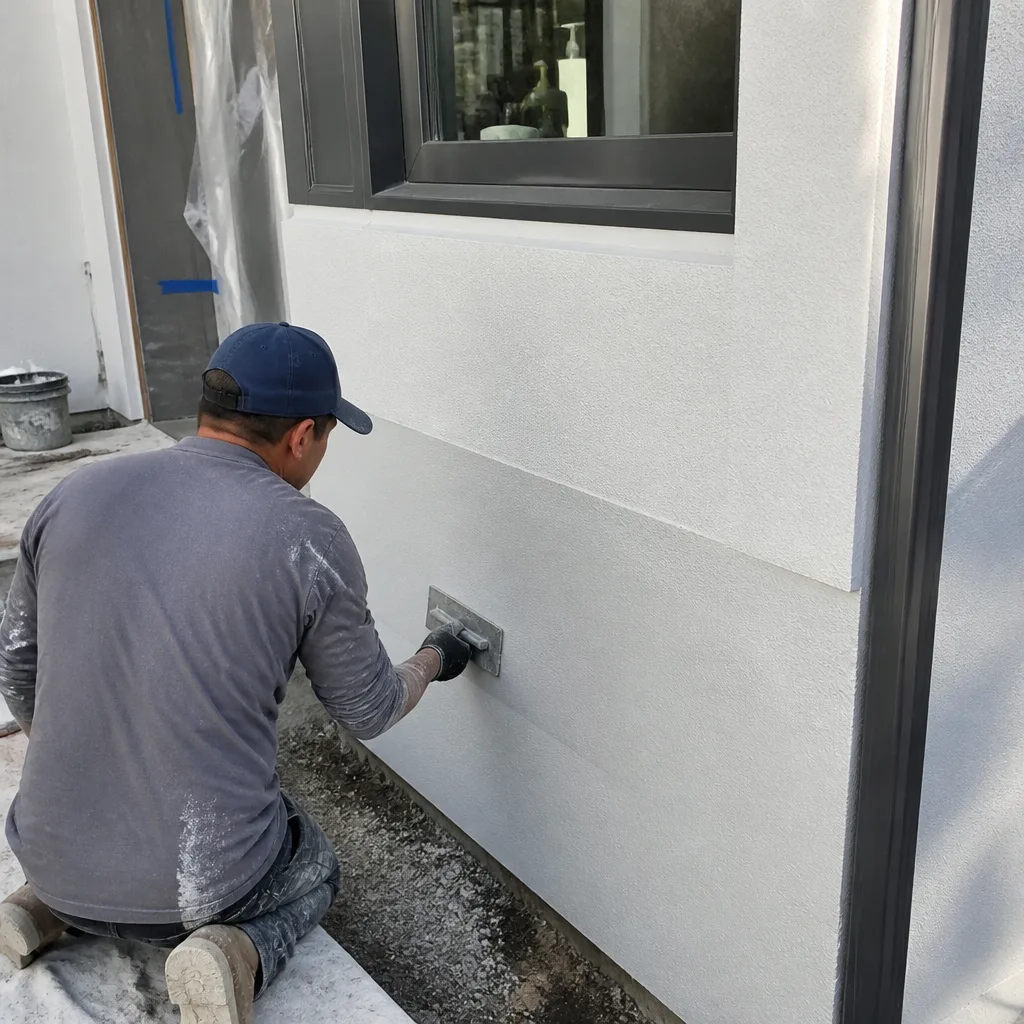 After
AfterWhat California Law Permits Homeowners to Self-Perform
California Business and Professions Code Section 7044 allows an owner of a single-family dwelling to perform construction work on their own residence without a contractor’s license, provided the work is not offered for sale within one year. This is the legal foundation for every big-box store rental machine and every weekend warrior hauling bags of cellulose up a ladder.
But the permission has boundaries that matter in West Hollywood.
First, the exemption applies to the property owner only - not to tenants, not to family members acting on the owner’s behalf, and not to LLCs or trusts that hold title. If your West Hollywood bungalow sits in a family trust, the exemption may not apply; the city building department will ask who holds title when you apply for a permit.
Second, the exemption does not override permit requirements. In West Hollywood, attic insulation work that involves structural modification, electrical relocation, or spray foam application typically requires a building permit. The California Energy Code (Title 24, Part 6) mandates HERS - Home Energy Rating System - verification for certain insulation upgrades when they are part of an energy alteration. A homeowner cannot self-certify HERS compliance; only a certified HERS rater can. This means that even if you can legally install the material, you may not be able to legally complete the compliance documentation without hiring a professional.
Third, the exemption does not extend to work that affects fire-rated assemblies. Many West Hollywood buildings, particularly the 1960s courtyard apartments along Fountain Avenue and the multi-family conversions near Santa Monica Boulevard, have fire-rated ceiling assemblies between units. Penetrating these assemblies to add insulation without proper fire-blocking and intumescent sealant violates the California Building Code and voids your insurance coverage in a fire loss.
What you can do without a license:
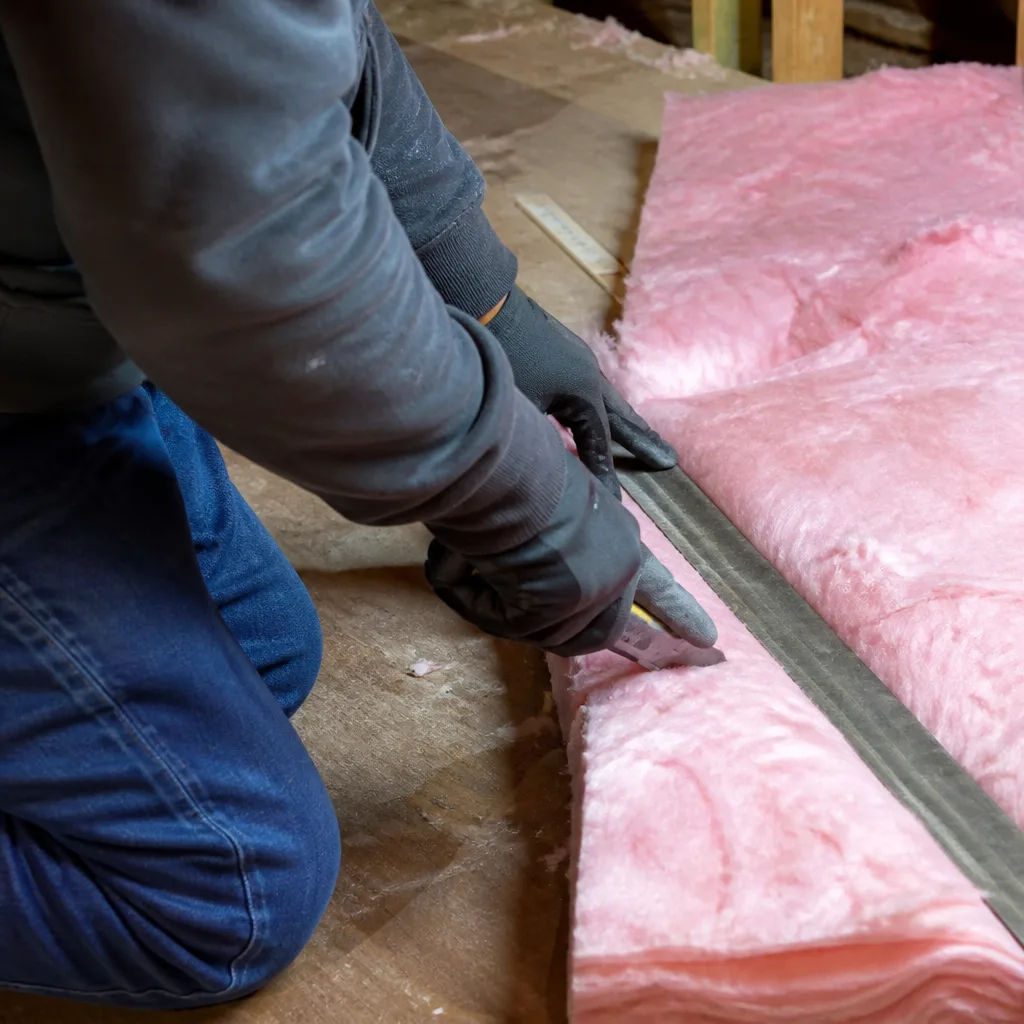
- Install batt insulation in an accessible attic with no electrical hazards
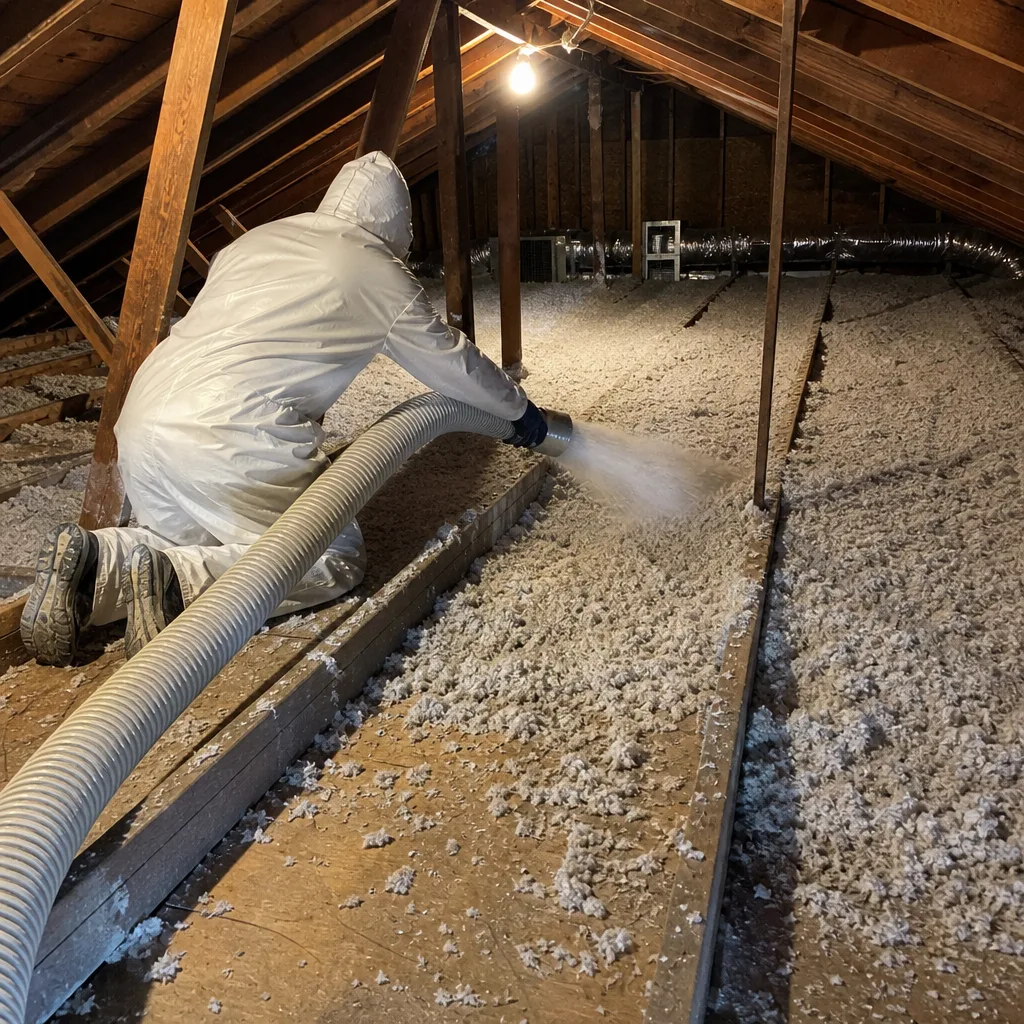
- Operate a rented loose-fill blower to add cellulose or fiberglass over existing insulation, if the attic floor is fully sealed and no permit is triggered
- Remove and replace insulation in a crawl space that does not require vapor-barrier modification or structural repair
What you cannot do without triggering professional requirements:
- Pull a permit for spray foam insulation - this requires a licensed C-2 insulation and acoustical contractor
- Perform HERS verification - this requires a certified HERS rater
- Seal fire-rated penetrations with intumescent materials - this requires knowledge of the assembly’s rating and the correct product for that rating
- Handle asbestos-containing materials - this requires Cal-OSHA certification and EPA notification
The legal frame matters because an unpermitted insulation job in West Hollywood can surface at resale, during an insurance claim, or when a neighbor’s contractor reports work they observed. The city’s building department has become more active in tracking energy-alteration compliance since California’s 2022 Title 24 updates.
The Air-Sealing Prerequisite Problem
Here is the technical reality that most DIY guides bury or omit: insulation does not stop air movement. It slows conductive heat transfer through solid materials. If air can move freely through or around the insulation, the R-value you paid for is largely theoretical. In a West Hollywood attic with original lath-and-plaster ceilings, unsealed top plates, and recessed can lights poking into the attic floor, the air leakage path often exceeds the conductive heat loss path.
At Topside Attic Insulation West Hollywood home, we begin every attic job with a blower-door test - a pressurization reading that shows, in one number, how much air the building envelope is losing. The typical 1920s bungalow in the Norma Triangle or West Hollywood West reads 3,500 to 5,500 CFM50 before any work. After sealing top plates, can lights, plumbing and electrical penetrations, and attic bypasses, that number typically drops 30 to 50 percent. Only then do we add insulation. Sealed first, then insulated - in that order. We will never blow insulation over an unsealed attic floor; the trapped moisture and continued air leakage create problems that are expensive to fix later.
The air-sealing work requires specific materials and access conditions that most homeowners do not have:
- Top plate sealing. The top plate is the horizontal framing member where wall studs meet the ceiling. In balloon-framed West Hollywood bungalows, this gap can run continuous around the perimeter. Sealing it requires low-expansion foam or acoustic sealant applied with a professional gun, working in confined space, often on hands and knees above a finished ceiling with no floor decking.
- Can light enclosures. Recessed can lights in contact with insulation must be IC-rated (insulation contact) or enclosed with a fire-rated cover. Many 1960s and 1970s West Hollywood apartments have non-IC cans that cannot safely contact insulation. A homeowner cannot always identify the can model from below; the rating stamp is on the housing inside the attic, often obscured by dust and corrosion.
- Attic bypasses. These are unintentional air paths - chimney chases, dropped soffits, plumbing vent stacks, HVAC platform gaps. Each requires different treatment: fire-rated foam near flues, rigid foam and sealant for large chases, metal flashing with sealant for vent stacks. Wrong material near a flue creates a fire hazard. Wrong material in a chase creates a moisture trap.
- Intumescent sealants. Where fire-rated assemblies are penetrated, standard caulk or foam will not pass inspection. Intumescent sealants expand when heated, maintaining the assembly’s fire rating. They cost more, require specific application thickness, and must be matched to the assembly’s hourly rating. A homeowner buying sealant at a hardware store rarely has the assembly documentation to make the correct match.
Without this sealing layer, DIY insulation often achieves a fraction of its rated performance. A homeowner who installs R-38 cellulose over an unsealed attic may see effective performance closer to R-19 or lower, because wind washing and stack effect move air through the material continuously. The only way to know is the blower-door test - which the DIY installer cannot self-perform and which costs $400 to $600 to hire separately in the Los Angeles market.
Skills and Tools Audit: What DIY Actually Requires
Let us be specific about what a competent DIY attic insulation job demands, using a typical 1,200 square foot West Hollywood bungalow as the model. This is the housing stock you find north of Santa Monica Boulevard, in the streets between Fairfax and La Cienega, where 1920s and 1930s single-family homes sit on 5,000 square foot lots.
Physical requirements:
- Ability to work in 120 to 150 degree attic temperatures for 4 to 8 hours
- Ability to carry 30-pound bags up a ladder and through a 22-by-30-inch attic hatch
- Ability to navigate joist bays without stepping through lath-and-plaster ceilings below
- Ability to work in dust, with potential rodent droppings, fiberglass itch, and limited visibility
Tools and equipment:
| Item | DIY Source | Typical Cost | Limitation |
|---|---|---|---|
| Loose-fill blower (rented) | Home depot, equipment rental yard | $75-$150/day | Single-stage machine; cannot achieve contractor-grade density in dense-pack applications |
| Extension hoses (2-3) | Usually included with rental | $0-$50 | Lightweight; kink and clog with cellulose; require frequent clearing |
| Respirator (P100 or N95 minimum) | Hardware store | $30-$60 | Must fit tested; facial hair compromises seal |
| Headlamp and work light | Hardware store | $40-$80 | Attic dust coats lenses; need spares |
| Insulation ruler / depth gauge | Included with material or store | $0-$10 | Must verify depth across entire attic; inconsistent depth = inconsistent R-value |
| Staple gun and baffles | Hardware store | $50-$100 | Required at eaves to maintain soffit ventilation; improper installation blocks airflow and causes moisture |
| Air-sealing materials (foam, caulk, tape, covers) | Hardware store, specialty supplier | $150-$400 | Product selection critical; wrong foam near heat sources is a fire hazard |
The equipment gap that matters most is the blower machine itself. A rental unit is a single-stage, portable machine designed for homeowner use. It moves material at lower pressure and lower density than a contractor’s truck-mounted or high-CFM portable unit. For loose-fill fiberglass or cellulose, installation density determines settled R-value and resistance to settling over time. A rental machine may deliver 0.5 pounds per cubic foot where the manufacturer specifies 1.3 to 1.5 pounds per cubic foot for optimal performance. The homeowner cannot easily verify density; it requires weighing material and measuring volume in place.
For Spray Foam Insulation in West Hollywood, the equipment gap is absolute. Two-component closed-cell spray foam requires a proportioning machine, heated hoses, and trained application technique. The chemicals are reactive and require respiratory protection beyond what a homeowner can source. No rental market exists for this equipment to homeowners; the DIY spray foam kits sold online deliver inconsistent yields and have documented failure rates for adhesion and cure.
The skills gap is harder to quantify but equally real. A professional crew knows how to read an attic for existing conditions: identifying knob-and-tube wiring by its ceramic knobs and cloth insulation, recognizing vermiculite by its pebbly, silver-gold appearance, spotting a compromised structural member under dust cover, working around a furnace flue without contact. These are not skills acquired from a video; they are pattern recognition developed over hundreds of attics.
Risk Categories in West Hollywood’s Housing Stock
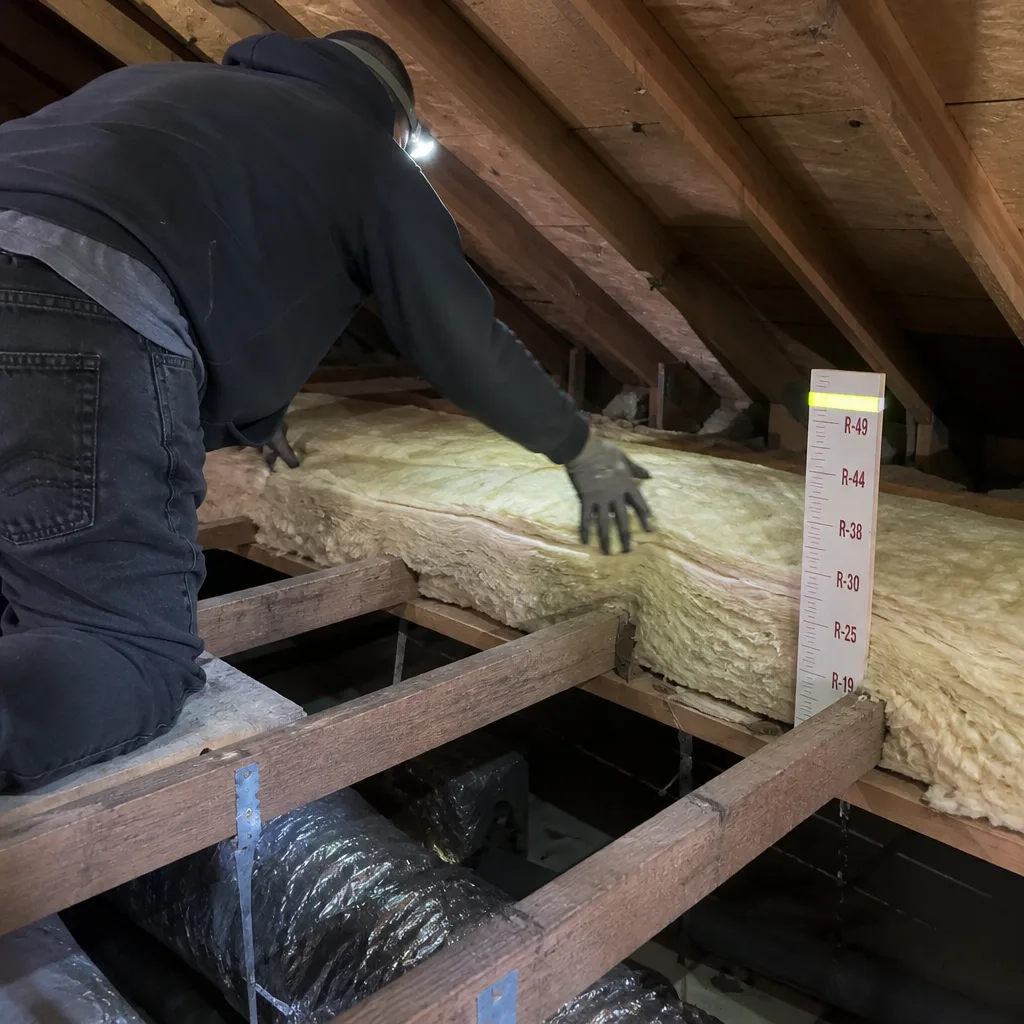
West Hollywood’s building inventory presents specific conditions that shift the DIY calculus from “challenging but possible” to “inadvisable for anyone without training.” We have documented these across our work in the city since 2016.
Knob-and-tube wiring. Common in pre-1940 homes, particularly in the older neighborhoods south of Melrose and east of Doheny. This wiring system has no ground conductor and was designed to run free-air, cooling by convection. Burying it in insulation creates an overheating and fire risk. A homeowner may not recognize knob-and-tube if it has been partially replaced or if the ceramic knobs are hidden above the ceiling line. Even if recognized, the correct remediation - replacement with modern wiring or installation of a derating clearance - requires an electrician. We encounter active knob-and-tube in roughly 15 percent of West Hollywood attic inspections. In our experience, homeowners who bought after 2015 often do not know it exists; it was not flagged in their purchase inspection because the inspector did not enter the attic.
Asbestos-containing vermiculite. Vermiculite insulation, the pebbly gray-brown material installed in some attics from the 1940s through 1980s, often came from the Libby, Montana mine and contains asbestos. It is visually distinctive once you know the look, but a homeowner may mistake it for mineral wool or rock wool. Disturbing vermiculite without Cal-OSHA certification and EPA notification is illegal and creates serious health exposure. The material cannot be vacuumed with standard shop vacuums; HEPA negative-air containment is required. If your West Hollywood home has vermiculite, DIY is not an option. Professional abatement runs $8,000 to $15,000 for a typical attic, and insulation replacement follows.
No floor decking above finished ceilings. Many West Hollywood attics, especially in bungalows with original construction, have no flooring - just open joist bays with lath-and-plaster ceilings below. Working in these conditions requires laying walk boards across joists, moving them as you work, and maintaining three points of contact at all times. A misstep punches through the ceiling, creating repair costs that exceed professional insulation pricing. The risk increases with age; lath-and-plaster loses structural integrity as the plaster keys deteriorate. We have repaired ceilings where a homeowner’s foot went through during a holiday-light installation; the same risk applies to insulation work.
Low-slope or flat roofs with limited access. The 1960s courtyard apartments and some mid-century modern homes in West Hollywood have flat roofs with scuttle access or interior ceiling hatches. These attics are essentially uninhabitable cavities, 18 to 24 inches deep, with no room to maneuver. Insulation must be blown through a limited number of hose drops, with no ability to verify coverage visually. A homeowner cannot access these spaces to install batts and cannot verify loose-fill distribution without thermal imaging.
Shared attic spaces in multi-family buildings. West Hollywood has a significant stock of duplexes, four-plexes, and courtyard apartments with continuous attic spaces above multiple units. A homeowner in one unit cannot legally modify insulation in a shared space without agreement from all owners and proper fire-blocking between units. The party-wall fire rating must be maintained. This is not a DIY context; it requires coordinated professional work with permit and inspection.
For Crawl Space Encapsulation & Vapor Barrier in West Hollywood, the risk profile is different but similarly prohibitive for DIY. Crawl spaces in the area’s hillside homes, particularly north of Sunset, have moisture problems from groundwater and poor drainage. Encapsulation requires vapor-barrier selection (10-mil minimum, 20-mil recommended for rocky soil), proper seam sealing, and often a dehumidification strategy. The confined space, potential for mold, and need for structural assessment make this professional work.
The Honest DIY Break-Even Point
The economic case for DIY insulation rests on material cost savings versus labor costs. For a detailed breakdown, see our Insulation Cost Breakdown: The West Hollywood Homeowner’s Reference for 2026. Let us run the numbers for that 1,200 square foot bungalow, using actual Los Angeles market pricing.
DIY cost scenario:
- Cellulose insulation (R-38, approximately 40 bags): $600-$800
- Rental blower machine and hoses: $150
- Respirator, lights, baffles, staples, incidental tools: $200
- Air-sealing materials (foam, caulk, tape, can light covers): $250-$400
- Blower-door test to verify results (hired): $450
- Total DIY outlay: $1,650-$2,000
Professional cost scenario for equivalent scope:
- Attic air sealing and R-38 cellulose installation: $2,800-$4,200 (West Hollywood market range for this size)
- Blower-door test included in scope
- Documented photo record and written warranty included
The nominal savings: $800 to $2,550. But this assumes perfect DIY execution, which the homeowner cannot verify without the blower-door test. If the DIY installation has gaps, settling, or insufficient density, the effective R-value may be 30 to 50 percent below target. The homeowner pays the same utility bills as if they had installed less insulation, and the payback period for the project extends by years.
Additional costs the DIY scenario does not capture:
- Ceiling repair from a misstep: $400-$1,200 per damaged area, plus matching textured finish on older West Hollywood ceilings
- Remediation of trapped moisture from skipped air sealing: Mold assessment, removal, and re-insulation can exceed $5,000
- Electrical correction if knob-and-tube was disturbed: $2,000-$6,000 for attic circuit replacement
- Time value: Two full weekends for a competent DIYer, more for a first-timer; opportunity cost of that time
The break-even point shifts further if the home requires any of the risk-category work described above. A home with knob-and-tube wiring requires electrician involvement before insulation; that cost is identical whether the insulation is DIY or professional, and the professional can coordinate the sequence. A home with vermiculite requires abatement; again, a fixed cost that does not change with DIY ambition.
Where DIY makes honest economic sense: a simple, accessible attic in a post-1980 home with modern wiring, no air-sealing needs, and a homeowner with construction experience who already owns basic tools. This describes a minority of West Hollywood’s housing stock.
The Permit and Inspection Path in West Hollywood
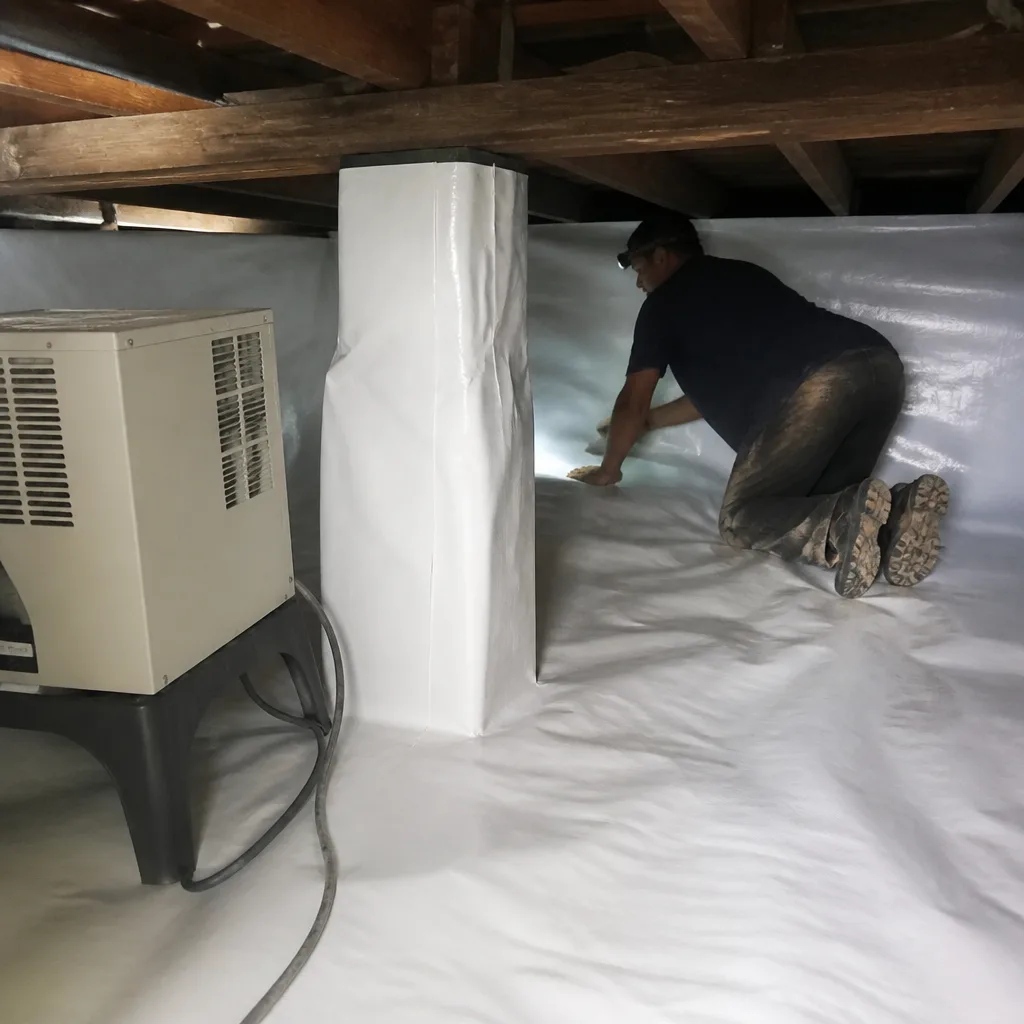
West Hollywood operates its own building department, separate from Los Angeles County, with inspectors who know the local housing stock. The city adopted the 2022 California Energy Code with local amendments. For insulation work, the permit and inspection path depends on scope.
No permit required: Adding batt or loose-fill insulation to an existing attic, with no electrical work, no structural modification, and no spray foam. This is the exemption that enables DIY.
Permit required, no HERS: Insulation removal and replacement in a crawl space, or addition of insulation to walls during a repair project. The permit is primarily for structural and moisture protection verification.
Permit required, HERS verification mandatory: Any energy alteration that triggers Title 24 compliance, including spray foam application, significant envelope modification, or insulation work tied to HVAC replacement with altered ducting. A certified HERS rater must verify installation quality and thermal performance. The homeowner cannot self-perform this verification.
The practical impact: if you are DIY-installing loose-fill cellulose in your own attic, you likely do not need a permit. But you also have no inspection to catch errors, no documentation for resale, and no verification that the work performed as intended. If you hire a professional for spray foam or extensive air sealing, the permit and HERS path provides that documentation.
At Envelope Insulation Co., operating under The Haven Standard since 2016, every job that requires a permit includes permit pull and inspection scheduling. Every job, permit or not, includes a written scope, a written price before any work starts, and a Documented Photo Record. On applicable jobs, before-and-after blower-door readings are provided so the homeowner can verify the air-sealing result. This is the documentation our customer base - homeowners aged 32 to 50 who purchased between 2015 and 2025 - expects before they commit.
Common Mistakes to Avoid
- Installing insulation over unsealed can lights. Non-IC-rated recessed lights buried in cellulose or fiberglass overheat and create fire risk. The correct fix is a fire-rated enclosure or fixture replacement, not hoping for the best.
- Blocking soffit ventilation with insulation. West Hollywood’s older homes rely on passive attic ventilation - soffit intake and ridge or gable exhaust. Stuffing insulation into eaves without baffles chokes airflow, trapping moisture and shortening roof deck life. In the humid winter months, this shows up as mold on the sheathing.
- Compressing batts to fit. Fiberglass and mineral wool batts achieve rated R-value only at full loft. Stuffing a R-30 batt into a 2×6 joist bay compresses it to R-19 performance or lower. The correct product for the cavity depth is cheaper and performs better.
- Ignoring the top plate gap. The most common air leakage path in West Hollywood bungalows is the wall-to-ceiling junction. A homeowner who adds insulation but skips this seal achieves minimal performance improvement. The blower-door test exposes this; without it, the homeowner assumes the job worked.
- Using the wrong foam near heat sources. Standard expanding foam melts at temperatures above 240 degrees and is not fire-rated. Within three inches of a furnace flue or recessed light housing, it is a code violation and a fire hazard. Intumescent sealant or fire-rated caulk is required.
- Failing to identify vermiculite before disturbing it. A homeowner who assumes old attic insulation is “just mineral wool” and begins removal without testing may create an asbestos exposure event that requires professional abatement, health monitoring, and EPA notification. The cost of testing - $50 to $150 for a lab sample - is negligible against this risk.
- Assuming more insulation is always better. Attic insulation has diminishing returns; in West Hollywood’s mild climate, R-38 to R-49 is typically optimal. Beyond that, the energy savings do not justify material cost, and excessive depth can complicate future electrical or HVAC work.
When to Call a Professional
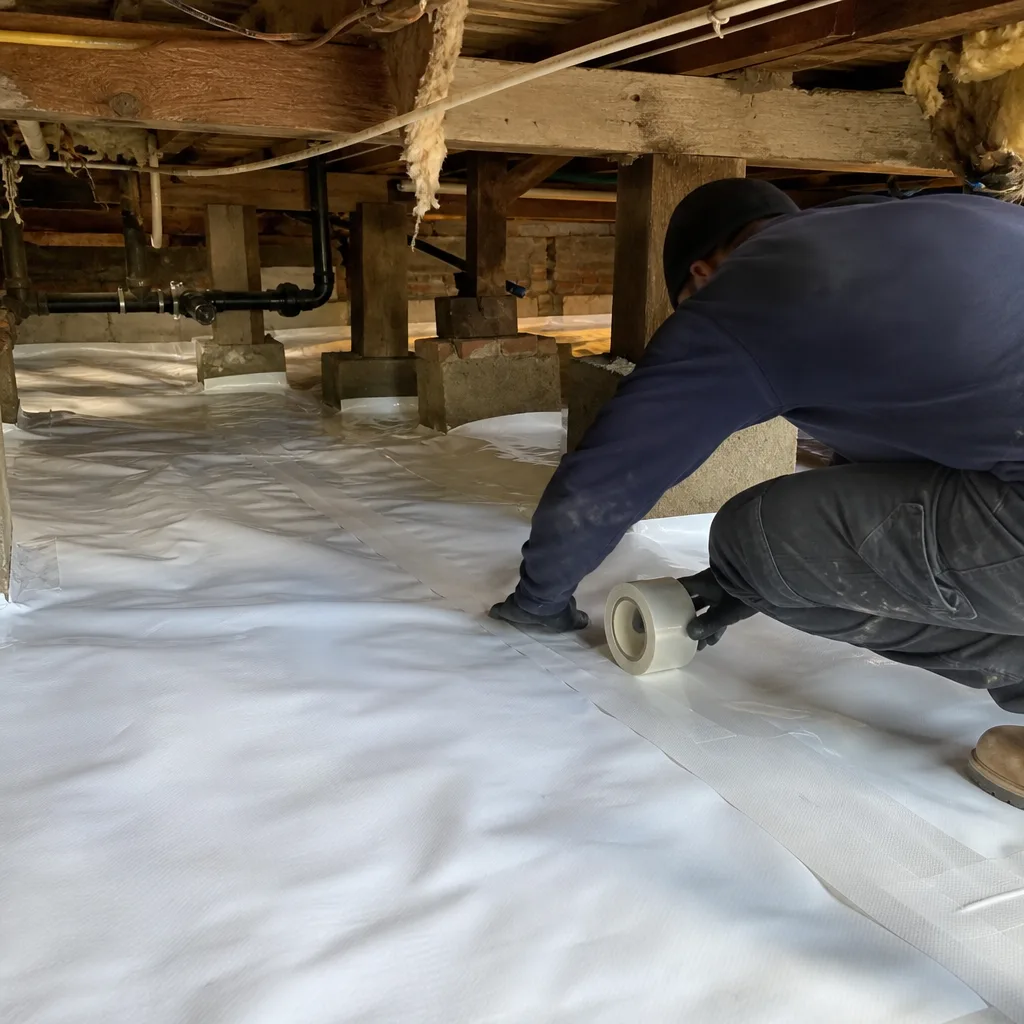
Call a professional when the work requires a permit you cannot self-certify, when the attic presents any of the risk conditions described above, or when you cannot verify your own results. See our How to Hire a Insulation Contractor in West Hollywood: A Step-by-Step Guide for help selecting the right crew. Specifically: knob-and-tube wiring, asbestos-suspect vermiculite, no floor decking, spray foam application, multi-family shared attics, or any project where HERS verification is triggered.
Also call when the economics no longer favor DIY. If adding a blower-door test to your DIY plan brings the total within 30 percent of professional pricing, the documentation, warranty, and performance guarantee justify the difference. Our 365-Day Done Right Promise - if it’s not done right, we make it right - applies to all completed work, backed by a written scope and written warranty delivered before anyone starts.
Attic Insulation in West Hollywood from Topside Attic Insulation West Hollywood includes air sealing as a hard prerequisite, not an upsell; before-and-after blower-door numbers on every applicable job; and a Free Second Opinion on any written estimate. We have sealed and insulated 9,000+ homes since 2016, every one with a written price before work started and a documented record when the crew left. Call (213) 306-2607 for a free estimate in West Hollywood.
Frequently Asked Questions
Yes, if you are the property owner and the work does not require a permit or HERS verification. California law allows homeowners to perform construction on their own single-family residence, but this exemption does not override permit requirements for spray foam, structural modification, or energy alterations requiring HERS compliance. If your work triggers a permit, you will need a licensed contractor to pull it and a certified HERS rater to verify compliance.
Most attic insulation jobs in a West Hollywood home of 1,000 to 1,500 square feet run between $2,800 and $4,800 for air sealing plus loose-fill cellulose or fiberglass to R-38. Spray foam runs higher, typically $4,500 to $8,000 for the same footprint, depending on access and thickness. These ranges include materials, labor, blower-door testing, and documentation. Call (213) 306-2607 for a written price on your specific home - estimates are free, and we offer a Free Second Opinion on any written estimate you have already received.
Yes, rental machines are available at home improvement stores in the Los Angeles area. The limitation is installation density: rental machines typically deliver lower pressure and lower density than contractor equipment, which affects settled R-value and long-term resistance to settling. You also cannot verify your results without hiring a blower-door test separately, which costs $400 to $600. If you choose to DIY, prioritize air sealing first; without it, the insulation performance will be substantially reduced.
A blower-door test is a pressurization measurement that shows, in a single figure, how much conditioned air your building envelope is losing. A large fan mounts in an exterior door, depressurizes the house, and measures airflow in CFM50 - cubic feet per minute at 50 Pascals pressure. You do not legally need one for simple DIY batt or loose-fill installation, but without it you cannot verify that your air sealing and insulation performed as intended. Professional jobs at Topside Attic Insulation West Hollywood include before-and-after blower-door readings on every applicable project.
Knob-and-tube wiring is visible in the attic as ceramic knobs securing cloth-insulated wires, often running along joists or through porcelain tubes in framing. Asbestos-suspect vermiculite looks like pebbly, silver-gold granules, distinct from fibrous fiberglass or fluffy cellulose. If you suspect either, stop work and call a professional. Disturbing asbestos without certification is illegal and hazardous; disturbing knob-and-tube without electrical assessment creates fire risk. We inspect for both conditions during every West Hollywood attic assessment at no charge.
No. Two-component spray foam requires a proportioning machine, heated hoses, specialized respiratory protection, and trained application technique. The chemicals are reactive and require precise temperature and ratio control. No legitimate rental market exists for homeowner spray foam equipment; the DIY kits sold online have documented inconsistency in yield, adhesion, and cure. In California, spray foam insulation work requires a C-2 insulation and acoustical contractor’s license. For Spray Foam Insulation in West Hollywood, professional installation is the only viable path.
Before work starts: a written scope of work, a written price, and a written warranty. After work completes: a Documented Photo Record showing before, during, and after conditions; on applicable jobs, before-and-after blower-door readings; and a final invoice matching the written price. Under The Haven Standard, we deliver all of this on every job, no exceptions. If a contractor cannot produce these documents, the work cannot be verified and the warranty may be unenforceable.
The Bottom Line
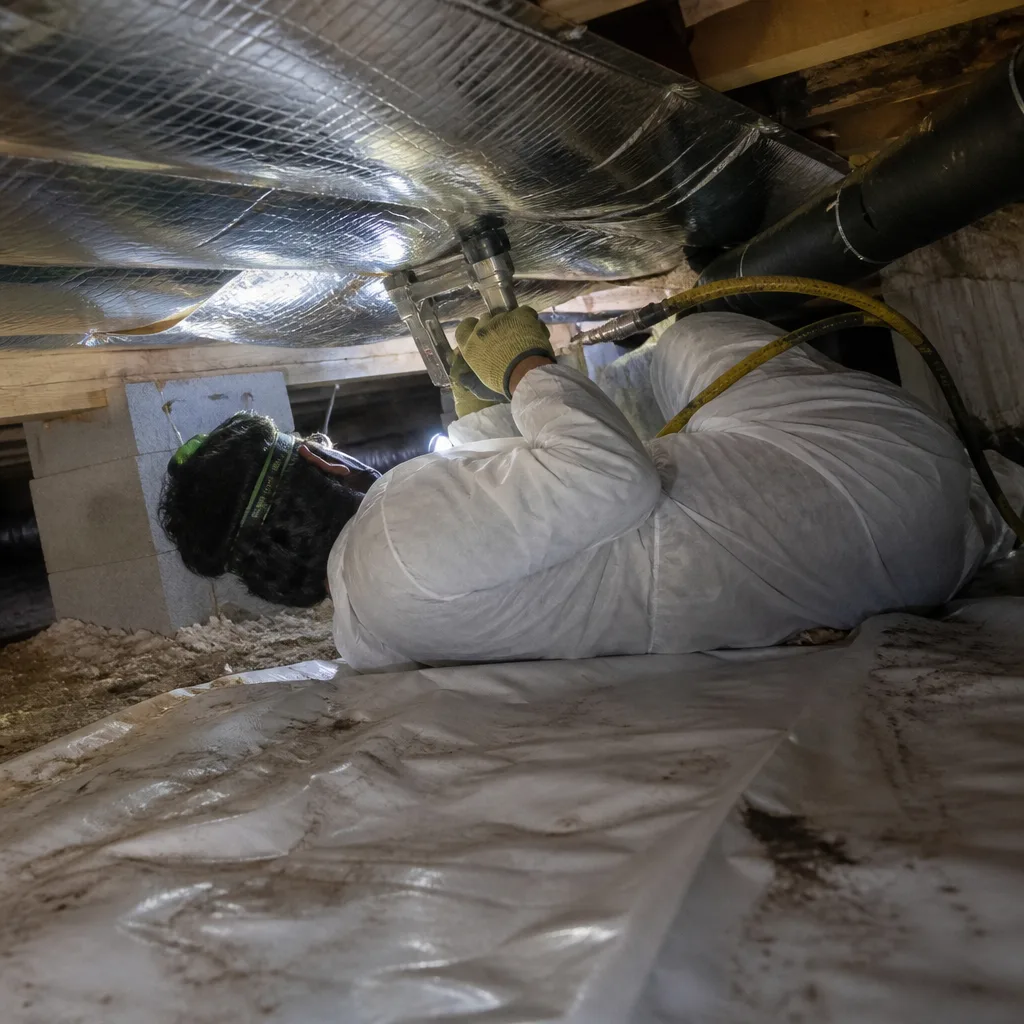
The DIY-versus-professional question for West Hollywood homeowners is not about whether you are handy enough to blow insulation. It is about whether you can legally complete the compliance documentation, safely perform the air sealing that determines performance, and verify that the work actually worked. California law permits homeowner installation of basic insulation materials, but the permit path, HERS verification, and hazardous material protocols require professional involvement. In a housing stock with knob-and-tube wiring, asbestos-suspect vermiculite, and unsealed attic floors, the risks of DIY often exceed the savings. The honest break-even point arrives when you price in verification, risk mitigation, and the documentation that protects your investment at resale.
Written by Wes Okafor, Owner at Topside Attic Insulation West Hollywood, serving West Hollywood since 2016.