

Fast, Reliable Spray Foam Insulation Across Glendale
Spray foam insulation in Glendale, CA typically runs $2.80-$5.40 per board foot for open-cell and $4.50-$7.80 for closed-cell, with most whole-home retrofits falling between $4,200 and $12,000 depending on accessibility and fire-rating requirements. We’re usually on-site in Glendale within 24 hours of your call, and we carry both standard and fire-rated foam assemblies so we’re not making a second trip for materials. Call (213) 306-2607 for a written price before any work starts.
Glendale’s a different animal than coastal LA. We’re talking CEC Climate Zone 9 - summers that hit triple digits while Santa Monica barely breaks 80 - and hillside tracts near the Verdugo Mountains where California’s Very High Fire Hazard Severity Zone changes what foam products you can legally install. Our crews know the difference between a flatland bungalow in Tropico and a foothill home in Chevy Chase Canyon, and we pull permits with the right material specs so the job doesn’t get red-tagged at inspection. Dispatch and scheduling run from our Los Angeles office, but our spray rigs serve Glendale neighborhoods daily.
Why Topside Attic Insulation West Hollywood Is Glendale’s Preferred Spray Foam Insulation Company
We’ve sealed and insulated over 9,000 homes since 2016, and a significant share of those have been in Glendale’s pre-WWII housing stock - the bungalows and Spanish Colonial Revivals with original plaster-over-lath walls and zero existing insulation. Our reviews from Glendale customers consistently mention two things: we show up when we say we will, and we deliver the blower-door numbers to prove the work.
Response time to Glendale averages same-day or next-day, depending on permit status. For jobs not requiring fire-rated materials, we can often spray within 48 hours. Hillside jobs in Verdugo Woodlands or Chevy Chase Canyon take longer only because we won’t start without confirmed plan-check approval - we’ve seen too many out-of-area crews get sent home at inspection for showing up with the wrong foam assembly.
Local knowledge that matters here: we know which Glendale inspectors will accept a pre-submittal package and which want to see material data sheets in person. We know the alley widths in Adams Hill and the parking restrictions around Brand Boulevard. And we know that a 1930s plaster wall won’t accept foam the same way modern drywall will - substrate prep isn’t optional, it’s the difference between a bond that lasts and a callback in 18 months.
Our Spray Foam Insulation Services in Glendale
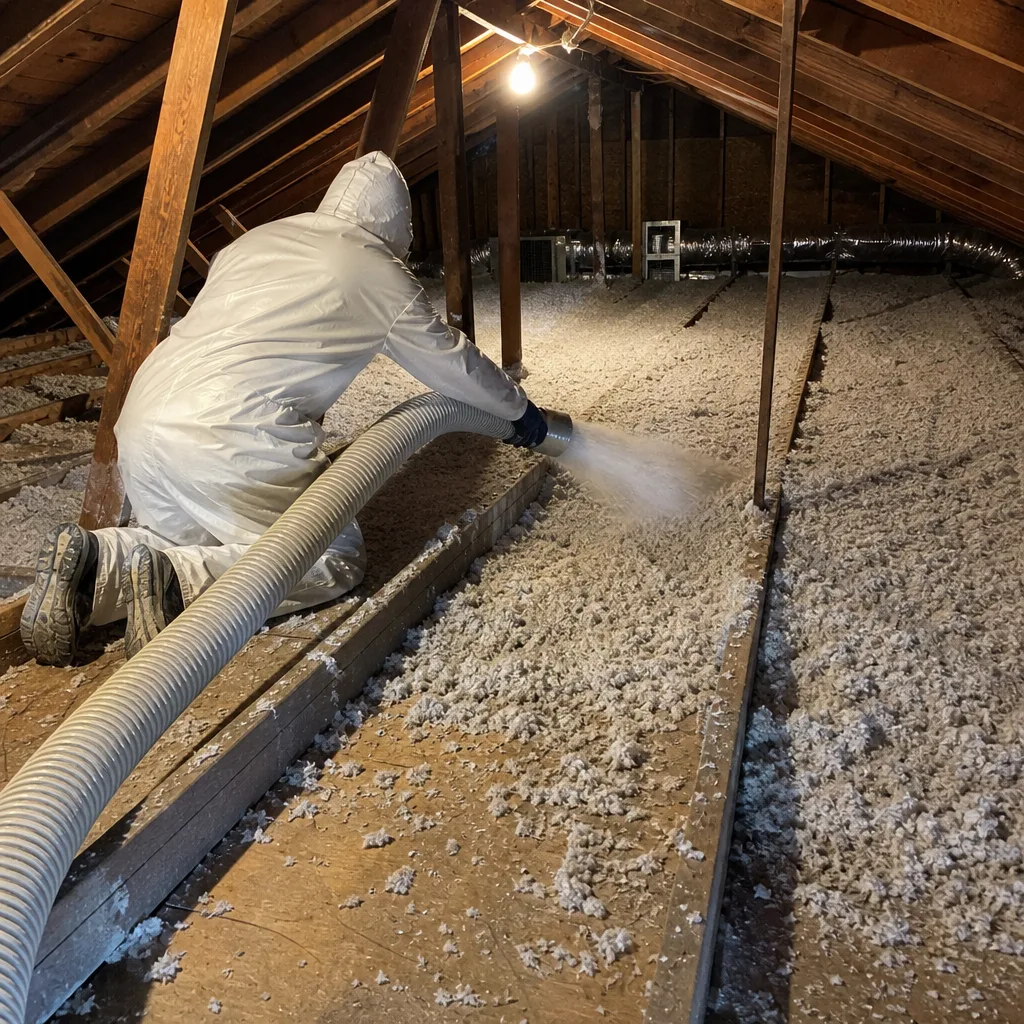
Closed-Cell Spray Foam
Closed-cell spray foam is our most specified product for Glendale’s Zone 9 heat loads. At R-6.5 per inch, it delivers the highest R-value per inch of any insulation we install, which matters when you’re trying to get performance into a 2×4 wall cavity that was never designed for insulation. For hillside homes in the Verdugo foothills, we source fire-rated closed-cell from Demilec and Johns Manville that meets Very High Fire Hazard Severity Zone requirements - standard closed-cell won’t pass plan check there, and we don’t waste your time with products that will get rejected.
Closed-cell also functions as a vapor barrier at thicknesses above 1.5 inches, which is critical in Glendale’s older homes where the original plaster-over-lath walls can wick moisture from summer humidity spikes. We specify closed-cell for rim joists, roof decks, and any application where we’re trying to stop both heat transfer and air infiltration in one pass.
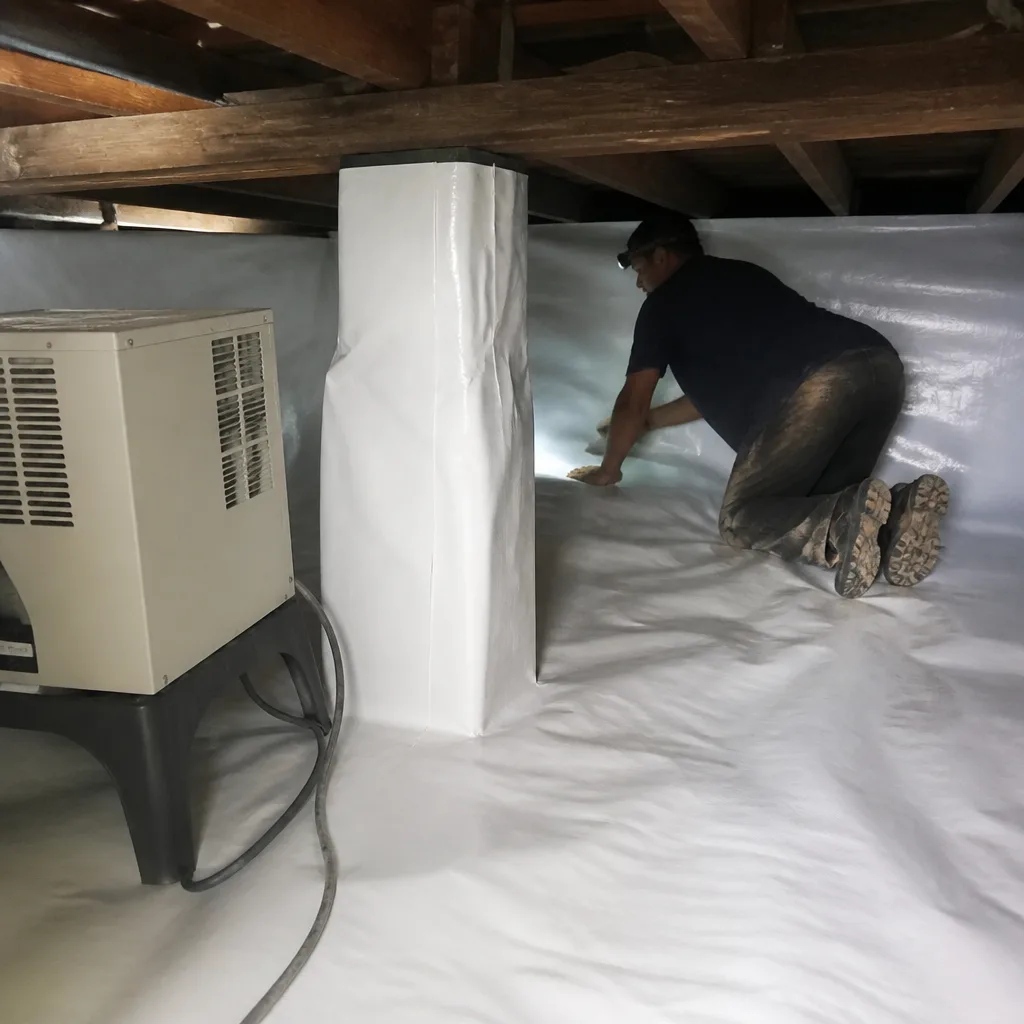
Open-Cell Spray Foam
Open-cell runs R-3.6 per inch and costs roughly 30% less than closed-cell, making it viable for large attic applications where cavity depth isn’t constrained. In Glendale’s flatland neighborhoods - Tropico, Adams Hill, the Rossmoyne grid - we use open-cell for roof deck applications where the attic is vented and fire rating isn’t triggered. The tradeoff is moisture management: open-cell is vapor-permeable, so we won’t spec it for unvented assemblies or below-grade rim joists where condensation risk runs high.
One caution specific to Glendale: improperly mixed open-cell in Zone 9 attic heat can off-gas and shrink, leaving gaps at rim joists and wall tops where Santa Ana winds push through. We monitor ambient temperature and substrate conditions during application, and we don’t spray when attic temps exceed manufacturer specs. The foam either goes on right or it doesn’t go on.
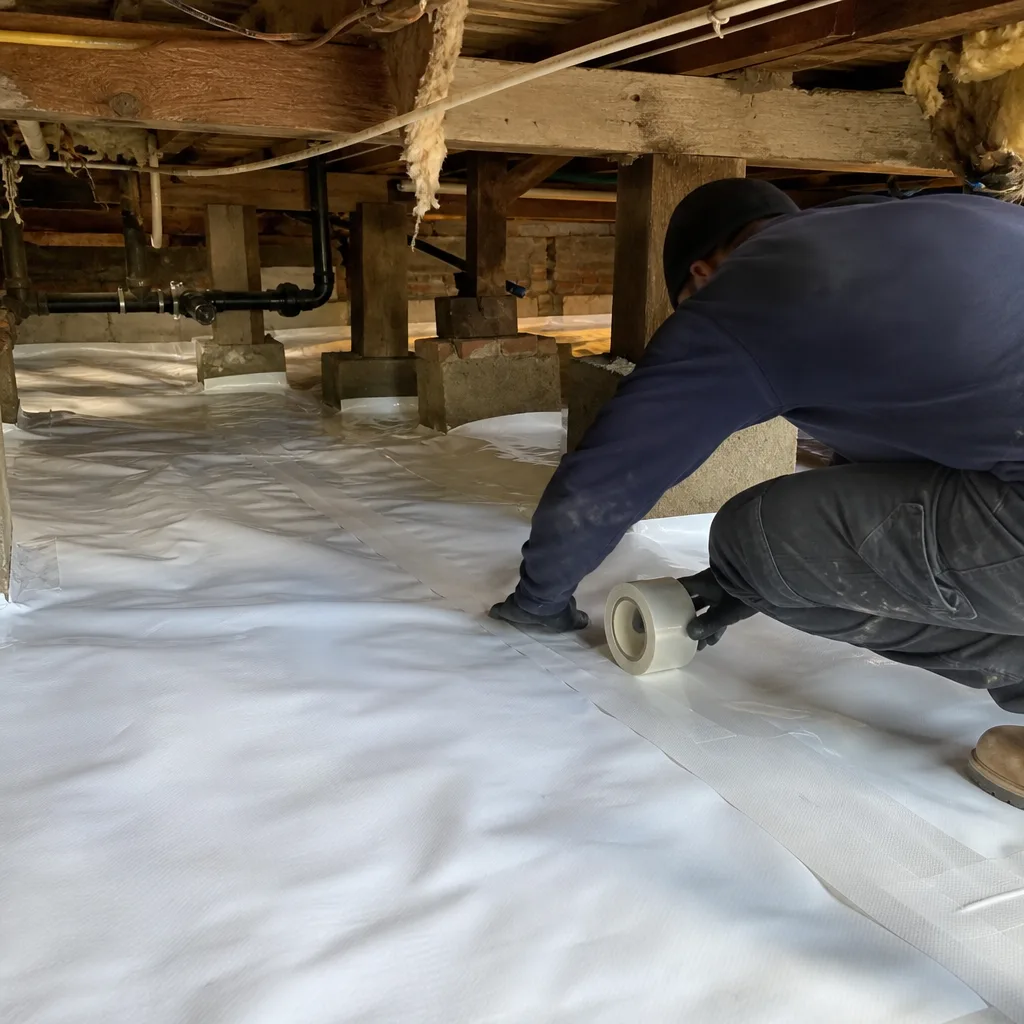
Rim Joist Spray Foam
Rim joists are the single biggest unsealed gap in most Glendale homes built before 1945. That band of framing where the first floor meets the foundation? It’s usually wide open to outside air, and in a Zone 9 climate, that means 105°F attic air is pulling conditioned air out through convection while Santa Ana winds push unfiltered outside air in through the basement or crawl space.
We foam-seal rim joists with closed-cell in almost every Glendale retrofit. The application takes 4-6 hours in a typical bungalow, and the blower-door difference is immediate and measurable - usually a 15-25% reduction in CFM50 from this one detail alone. For hillside homes with crawl spaces carved into slopes near the Verdugo Mountains, we often need to prep the substrate with a moisture barrier first; we document that prep with photos, and you get the record.
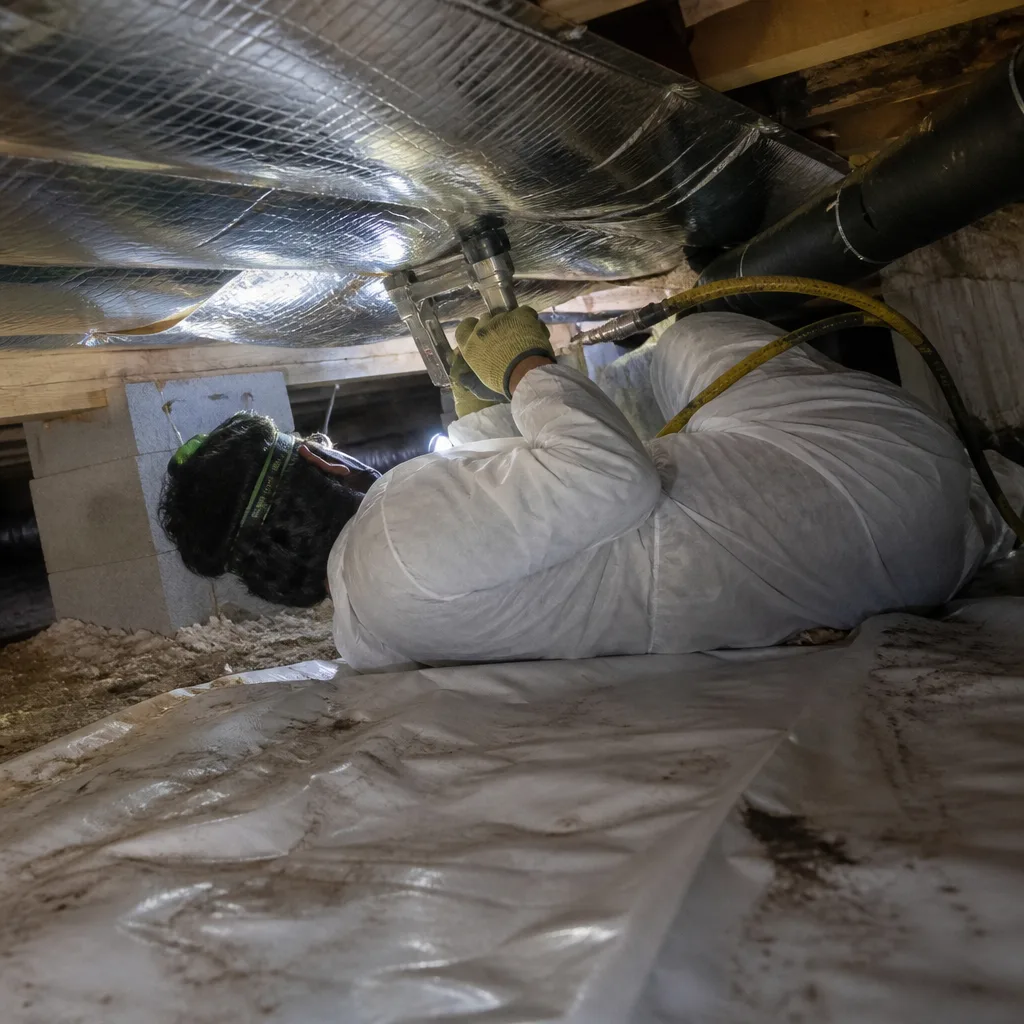
Garage Ceiling Spray Foam
Glendale’s alley-load garages - especially the detached units behind bungalows in Rossmoyne and Adams Hill - create a unique problem. The ceiling is usually uninsulated plaster or drywall, and the space above is either a hot attic or a finished room that can’t maintain temperature. We spray garage ceilings with open-cell or closed-cell depending on whether there’s living space above, and we coordinate around alley access so we’re not blocking your neighbor’s driveway for three hours.
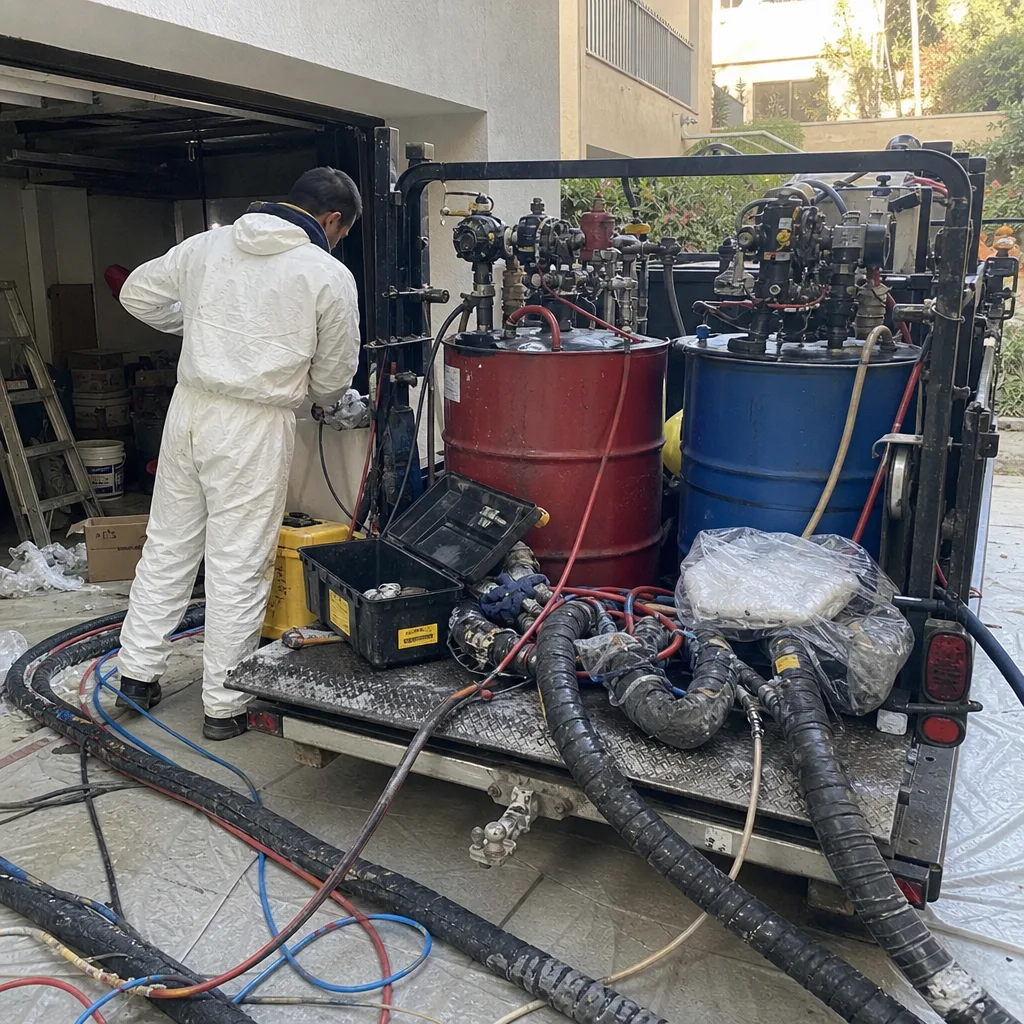
Spray Foam Roof Deck
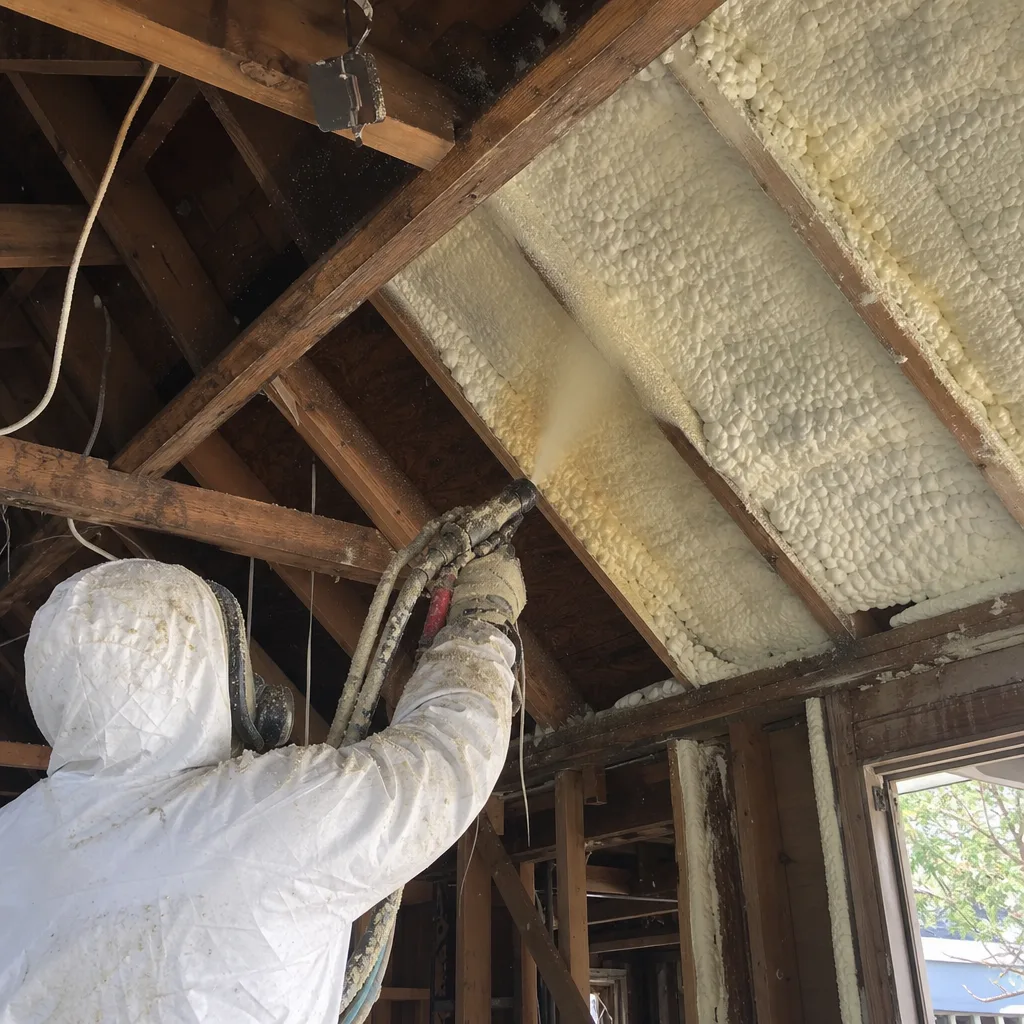
Spray foam applied directly to the roof deck creates an unvented, conditioned attic - the most effective way to eliminate the 140°F attic temperatures that destroy HVAC efficiency in Glendale’s Zone 9 summers. We specify this for homes where ductwork runs through the attic (common in 1960s-1980s Glendale additions) and for any homeowner who wants to convert attic space to storage or living area. Fire rating applies: hillside jobs need fire-rated foam or an ignition barrier, and we handle that in the permit submittal so there’s no surprise at inspection.
What happens when you call
- 1
A real person answersNo phone trees - you reach a local pro.
- 2
You get an upfront price rangeHonest numbers before anyone is dispatched.
- 3
A background-checked tech heads outLicensed & insured, dispatched right away.
- 4
You approve before work beginsNothing starts until you say go.
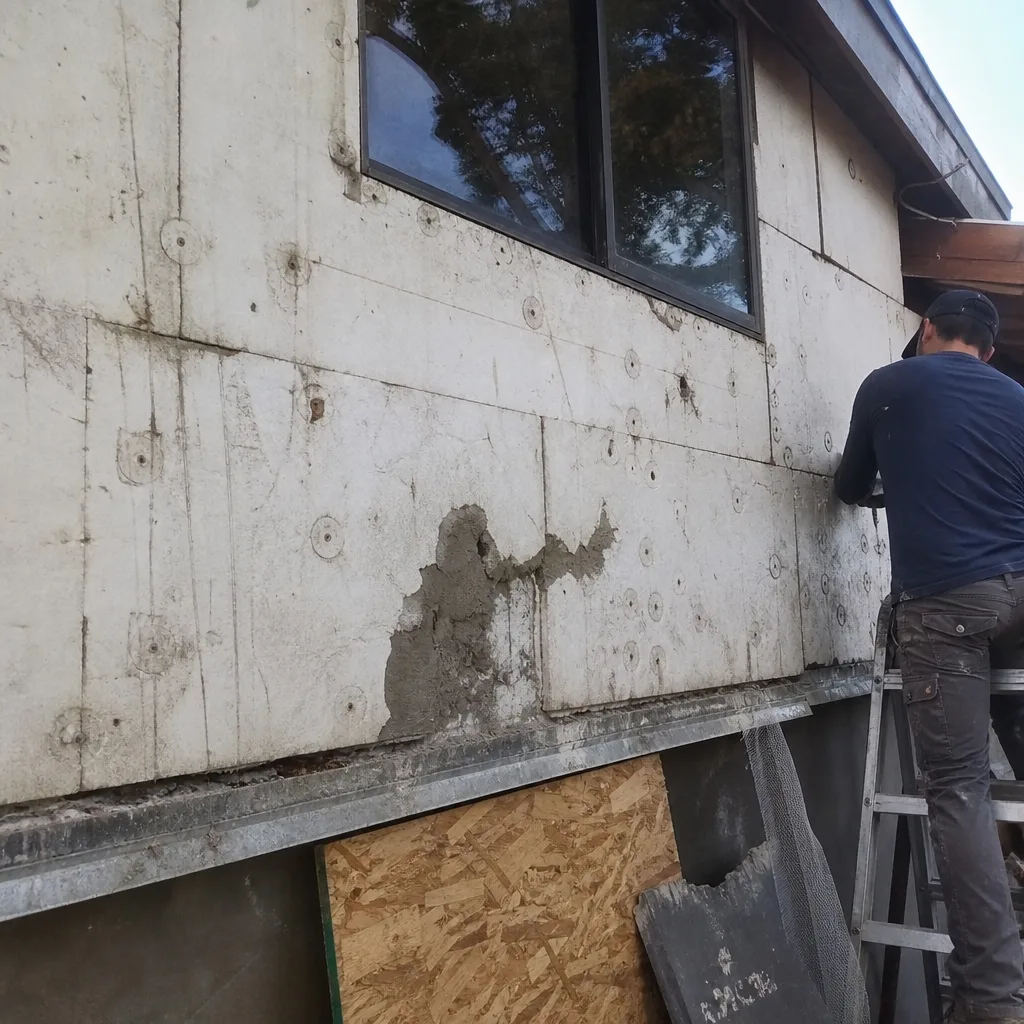 Before
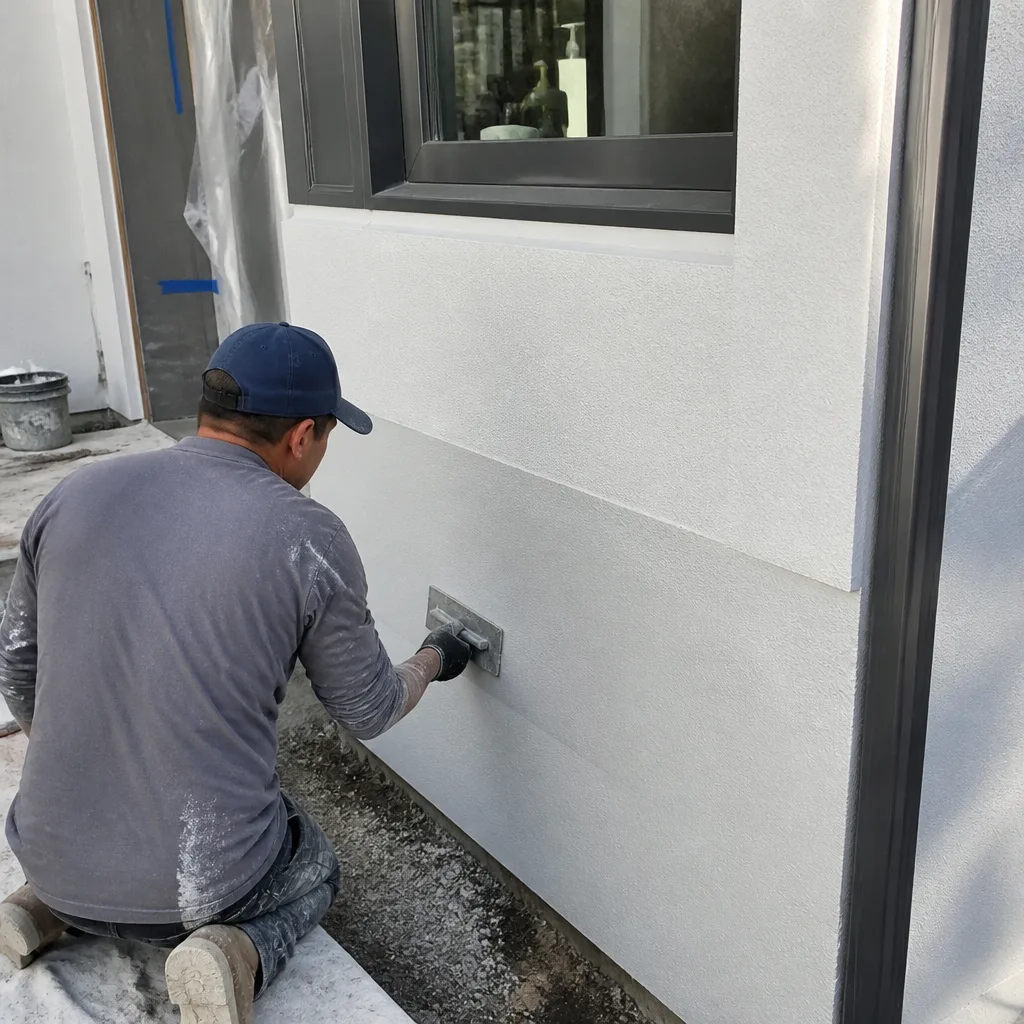 After
AfterTrusted Brands We Service in Glendale
We source spray foam materials from Owens Corning, Johns Manville, Demilec, and other manufacturers with California-approved fire-rated formulations. No proprietary lock-in - we spec the product that matches your home’s code requirements and performance needs, not whatever our supplier is pushing this quarter. For Glendale’s hillside fire zones, we stock Demilec’s heat-resistant closed-cell and Johns Manville’s mineral-fiber hybrid assemblies so we’re not waiting on a special order while your job sits. Every product ships with a material data sheet, and every data sheet goes into your documented record.
Common Spray Foam Insulation Problems We See in Glendale Homes
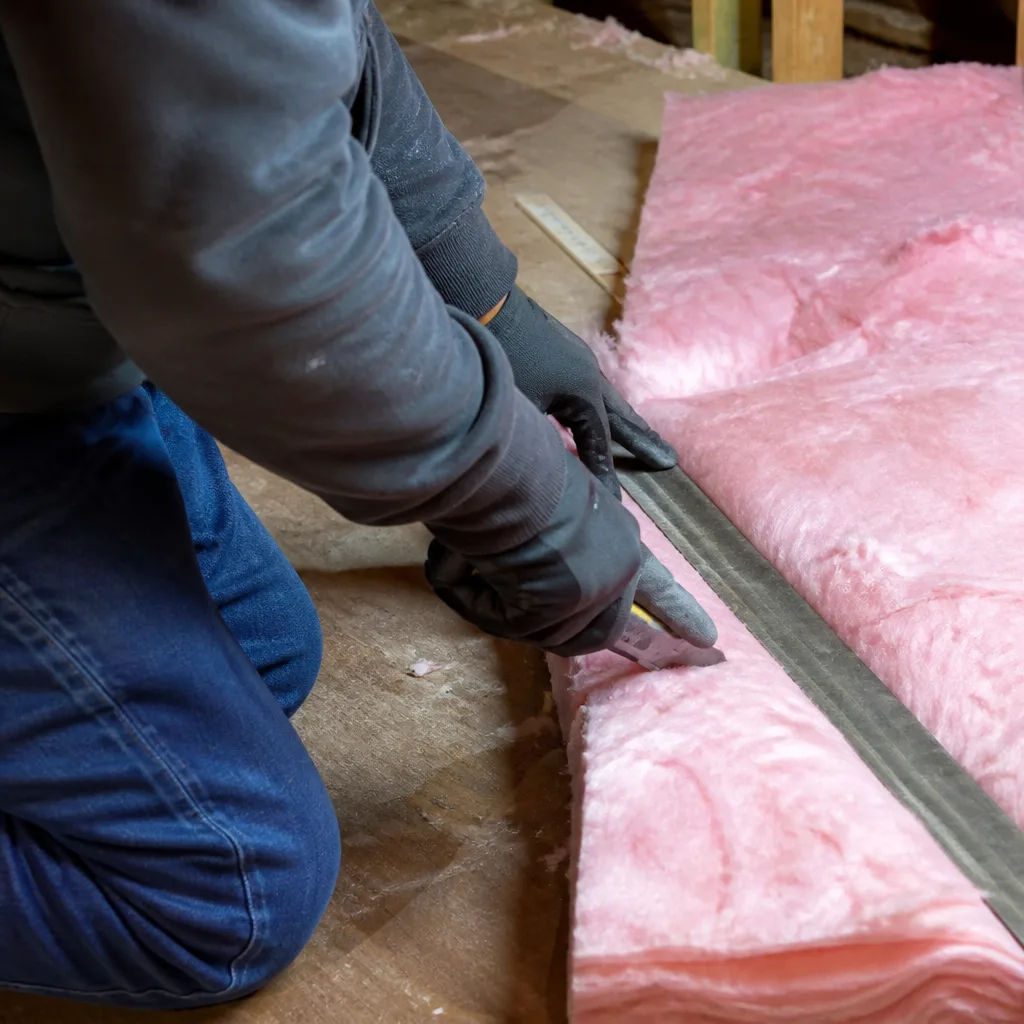
- Out-of-area crews arrive with standard unfaced fiberglass batts for Verdugo foothill jobs. Glendale building inspectors in the Very High Fire Hazard Severity Zone send them back at plan check. Fire-rated or non-combustible assemblies are mandatory there, and the contractor who doesn’t know this wastes your time and their own.
- Improperly mixed open-cell foam shrinks in Zone 9 attic heat. The off-gassing and shrinkage leaves gaps at rim joists and wall tops, and Santa Ana winds through Chevy Chase Canyon push right back through. We see this on jobs where the low bidder rushed the mix ratio or sprayed in excessive heat.
- Foam applied over original plaster-over-lath without moisture prep. The plaster wicks summer humidity, condensation forms behind the foam, and the lath delaminates within a season or two. Substrate assessment isn’t optional in Glendale’s 1920s housing stock - it’s the first step of our scope.
- Permits pulled without fire-rating documentation for hillside properties. The inspector holds the job, the homeowner pays for re-inspection, and the contractor blames “Glendale being difficult.” Glendale isn’t being difficult; it’s enforcing code that Burbank and Pasadena handle with different zoning overlays. We know which zone we’re in before we file.
Pricing for Spray Foam Insulation in Glendale, CA
Here’s what spray foam costs in Glendale’s current market:
| Application | Price Range (per board foot) | Typical Job Total |
|---|---|---|
| Open-cell spray foam | $2.80 - $4.20 | $3,800 - $8,500 |
| Closed-cell spray foam | $4.50 - $7.80 | $6,200 - $14,000 |
| Rim joist sealing (typical bungalow) | - | $1,800 - $3,400 |
| Garage ceiling (2-car, standard) | - | $2,200 - $4,600 |
| Roof deck (conditioned attic) | - | $5,500 - $12,000 |
| Fire-rated foam upgrade (hillside zones) | Add 15-30% | - |
What moves the number: accessibility (crawl space vs. open attic), fire-rating requirements for Verdugo foothill properties, whether we’re removing existing insulation first, and the condition of plaster or drywall substrate. Every job gets a written price before any work starts - Haven Standard Clause 1 - and we offer a Free Second Opinion on any competing written estimate. Call (213) 306-2607 for your specific quote; estimates are free.
We Also Serve Cities Near Glendale
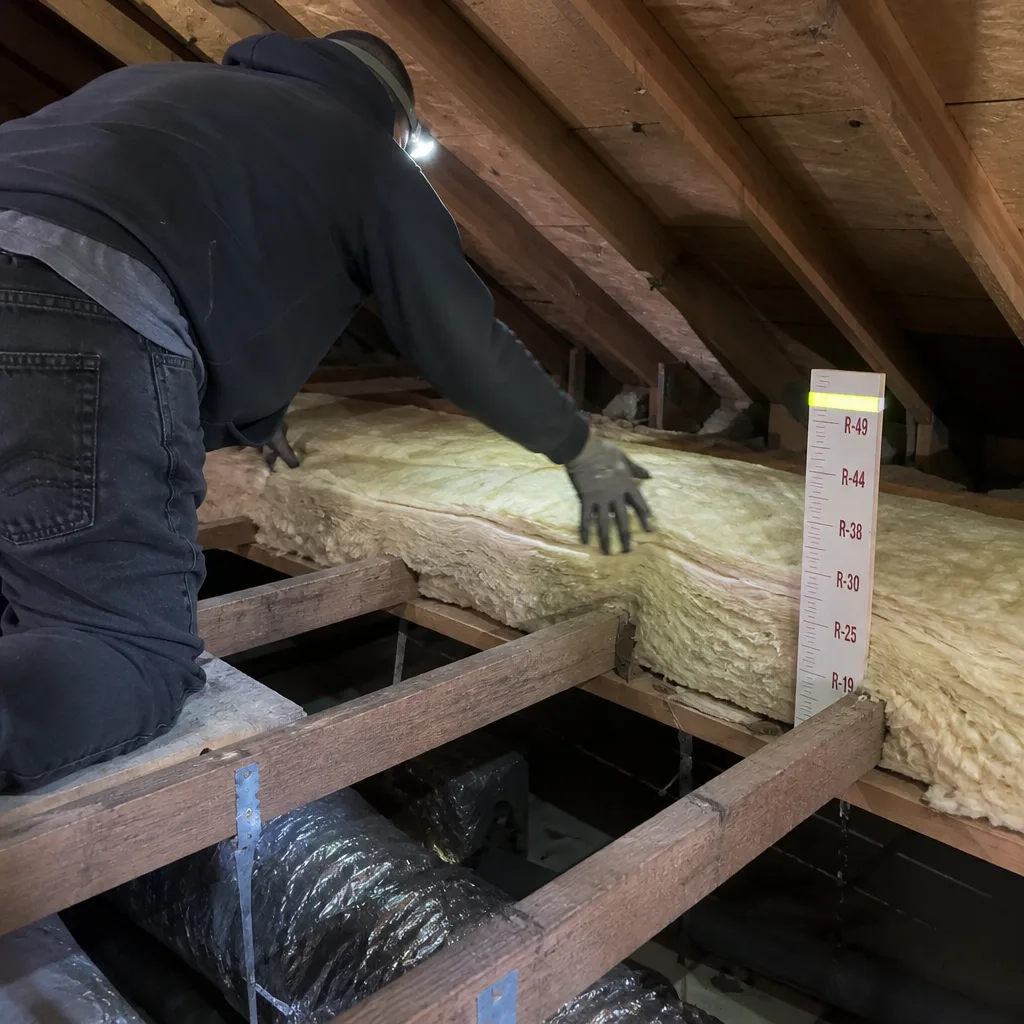
Our Spray Foam Insulation in Glendale crews also work in Burbank, West Hollywood, Pasadena, and South Pasadena - same written-price standard, same documented photo record, same blower-door verification where applicable. Each city has its own code nuances and climate considerations, and we adjust our specs accordingly rather than running the same product everywhere.
Serving Glendale, CA - Our Local Coverage Area
We’re based in the Glendale area and know this community well. Use the map below to see our service coverage - if you’re nearby, we can almost certainly help.
FAQs - Spray Foam Insulation in Glendale
Yes. Properties in California’s Very High Fire Hazard Severity Zone - including most hillside tracts abutting the Verdugo Mountains - require fire-rated or non-combustible insulation assemblies. Standard open-cell and unfaced closed-cell will not pass Glendale plan check for these addresses. We source Demilec and Johns Manville fire-rated formulations specifically for these jobs, and we confirm zone status before quoting so your permit doesn’t get held. Call (213) 306-2607 and we’ll verify your property’s fire zone in the estimate.
Yes, and the difference is measurable. Original plaster-over-lath walls in Glendale’s pre-WWII stock typically have zero insulation and leak conditioned air through gaps at top plates, electrical penetrations, and window rough openings. Our crew was called to a 1930s Spanish Colonial Revival bungalow in the Rossmoyne flatlands where the original plaster-over-lath walls had zero insulation and the alley-side garage door clearance was barely 8 feet. We foam-sealed the rim joists and closed-cell sprayed the open wall cavities with Icynene, then backed the truck down the narrow alley in stages to avoid blocking a neighbor’s driveway. The homeowner reported their summer electric bill dropped noticeably and the back bedroom finally held temperature through the 100°F afternoons. We delivered before-and-after blower-door numbers: 4,150 CFM50 before, 2,180 after.
We coordinate arrival times with alley load restrictions, stage the rig to minimize blockage, and carry hose lengths that let us park on the street when alleys won’t accommodate. For Adams Hill and Rossmoyne jobs with sub-10-foot clearances, we survey access during the estimate visit and note any constraints in the written scope. You get a named technician and a text when they’re en route - Haven Standard: Arrive on schedule.
Closed-cell for rim joists in almost every case - it seals air, blocks vapor, and delivers R-6.5 per inch in a space where every fraction of an inch matters. For roof decks, open-cell works in vented flatland attics; closed-cell or fire-rated assemblies are required for unvented or hillside applications. We specify based on your assembly type, not a one-product-fits-all approach.
They don’t account for the dual overlay of CEC Climate Zone 9 energy code and Very High Fire Hazard Severity Zone material restrictions. A contractor who works mostly in coastal LA assumes standard products will pass; Glendale’s hillside inspectors know the fire zone boundaries street by street and enforce them. We pull permits with the correct material data sheets attached, and we’ve never had a Glendale spray foam job red-tagged for product non-compliance. Call (213) 306-2607 for an estimate that includes the right spec from the start.
Written by Wes Okafor, Owner at Topside Attic Insulation West Hollywood, serving Glendale since 2016.