
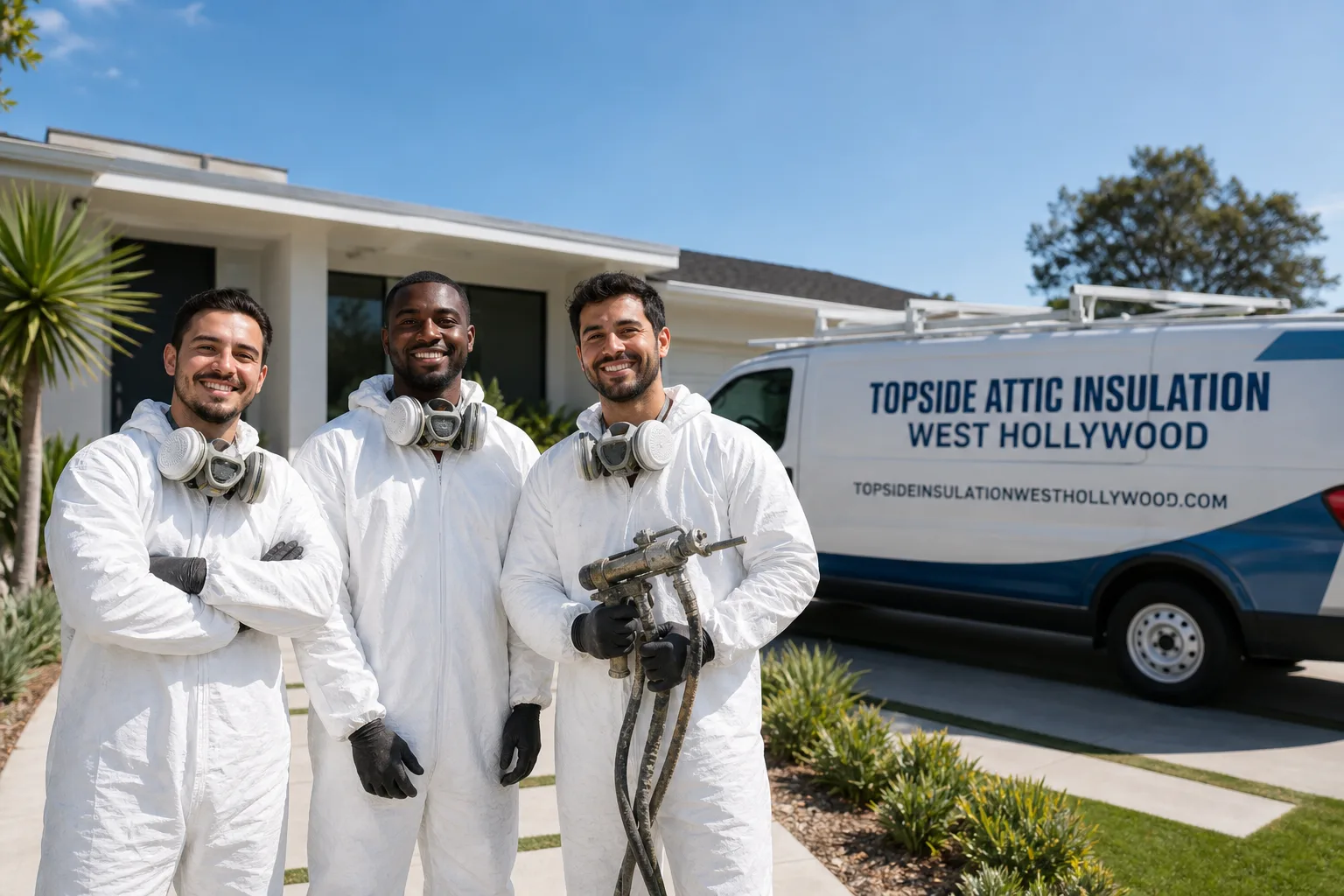
Fast, Reliable Spray Foam Insulation Across Burbank
Spray foam insulation in Burbank typically runs $1,800-$4,500 for most residential jobs, with same-week scheduling available and crews arriving from our Los Angeles office. We’re familiar with the tight driveways off North Hollywood Way, the alley-load access behind Magnolia Park bungalows, and the zero-clearance garages in the Rancho area. Call (213) 306-2607 for a written price before any work starts.
Our Spray Foam Insulation team has sprayed foam in Burbank homes where the rig barely fit through the alley, where staging meant two trips before the first hose could unroll. We’ve worked in the flight-path corridors north of Magnolia Boulevard where homeowners ask about STC ratings before they ask about price. That local rhythm matters. Dispatch and scheduling are coordinated from our Los Angeles office; crews serve Burbank locally.
Why Topside Attic Insulation West Hollywood Is Burbank’s Preferred Spray Foam Insulation Company
We’ve completed spray foam retrofits in Burbank’s 1940s-1960s housing stock, the Lockheed-era bungalows and ranches that dominate streets from Downtown Burbank to the foothills near Wildwood Canyon. These homes routinely show up with zero wall insulation and attic fiberglass compressed to 2 inches after sixty years. Our crews know the pattern before we pull the blower door from the truck.
Reviews from Burbank customers consistently note the documented photo record and the before-and-after blower-door numbers we publish on every applicable job. One homeowner off Alameda Avenue wrote that seeing the CFM50 drop from 3,800 to 1,900 was “the first time a contractor showed me what I actually paid for.”
Response time to Burbank neighborhoods averages same-day or next-day for standard calls, with emergency scheduling available when attic heat gain has driven interior temperatures above livable ranges during San Fernando Valley heat events. A live person answers calls 24/7. No voicemail loops.
Our local knowledge extends to the specific failure modes Burbank’s climate produces: spray foam applied over dust-contaminated old framing in tight attic clearances, foam mixed cold during early-morning alley loads, soffit vents sealed shut by prior contractors who didn’t understand the heat-trap topography. We’ve seen it. We document what we find.
Our Spray Foam Insulation Services in Burbank
Open-Cell Spray Foam
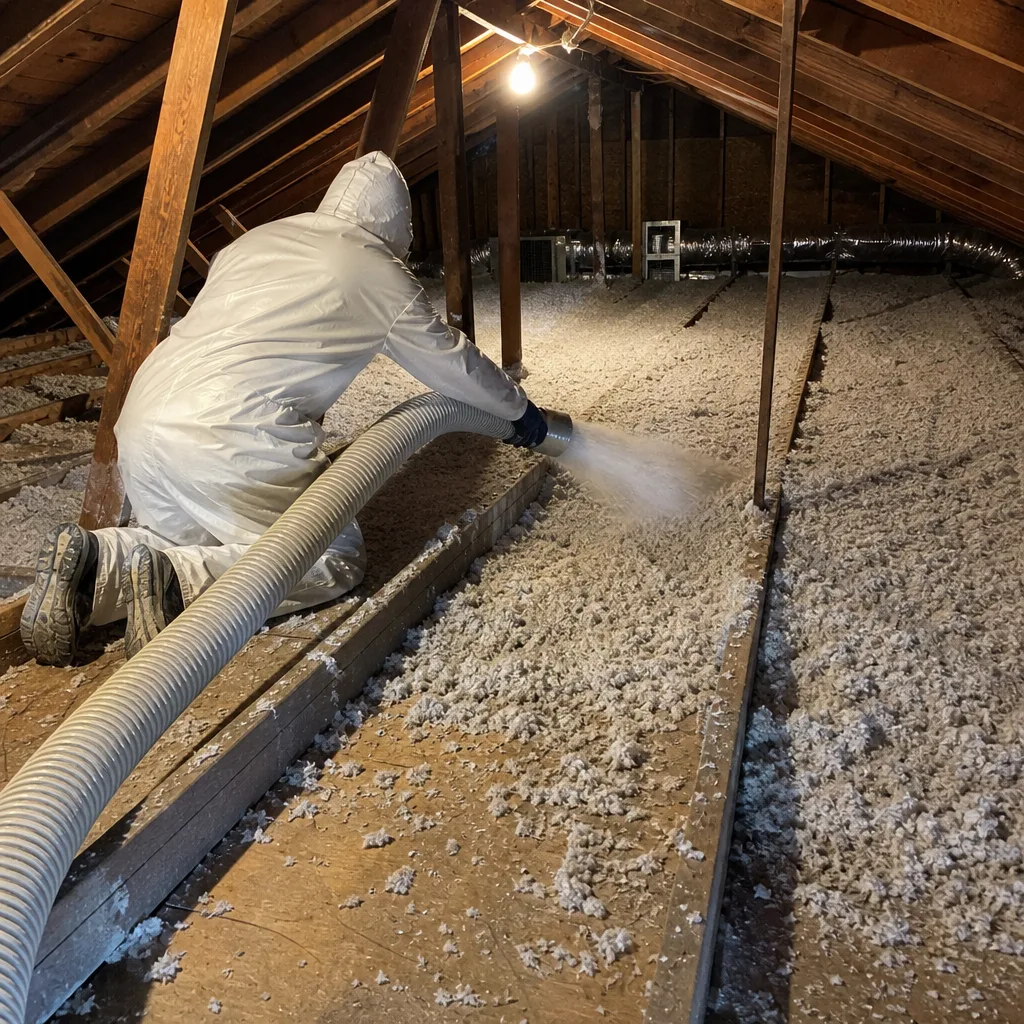
Open-cell spray foam in Burbank runs $1.20-$1.60 per board foot installed, making it the cost-effective choice for attic floors and roof decks in the 91501 and 91505 zip codes. The foam expands to roughly 100 times its liquid volume, filling irregular joist bays in those 1950s ranch attics where dimensional lumber never sat perfectly square. In Burbank’s flight-path corridors, we specify open-cell for roof decks where the primary goal is thermal performance and the secondary goal is budget-conscious air sealing. It doesn’t match closed-cell for structural rigidity or moisture resistance, but for attic applications where the roof deck is sound and ventilation is addressed first, it’s the right tool. We air-seal top plates, can lights, and penetrations before any foam goes in. Always.
Closed-Cell Spray Foam
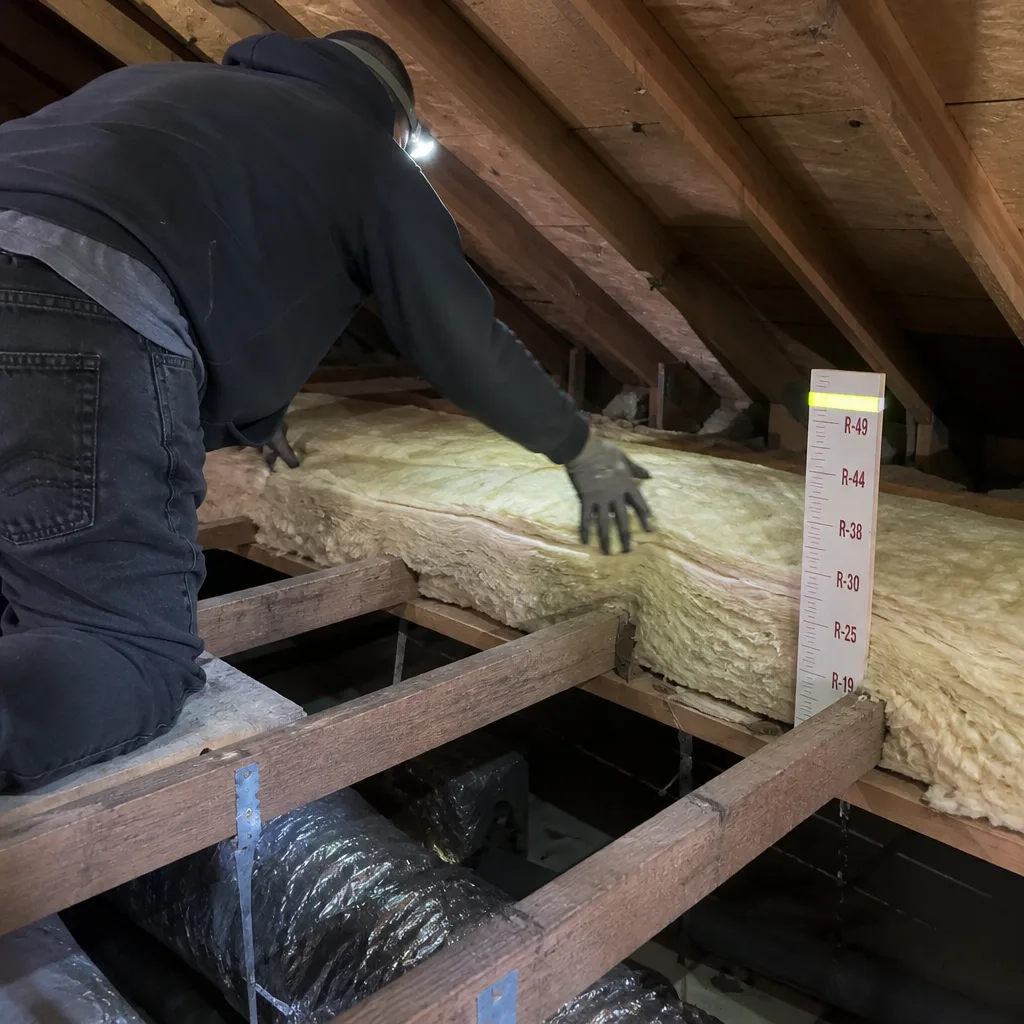
Closed-cell spray foam in Burbank costs $1.80-$2.40 per board foot installed, and it’s what we specify for rim joists, crawl space walls, and any application where moisture resistance or structural reinforcement matters. The San Fernando Valley’s temperature swings, 10-15°F above coastal LA during heat events, mean attics can hit 140°F. Closed-cell’s R-6.5 per inch and vapor-impermeable surface prevent moisture drive from the conditioned space into the roof deck. In Burbank’s tighter townhome clearances near the Empire Center, closed-cell’s higher density means less thickness for the same R-value, preserving headroom in converted attic spaces. We never apply closed-cell over old, dust-contaminated framing without cleaning and priming first. Slumped foam is a warranty claim we don’t intend to file.
Rim Joist Spray Foam
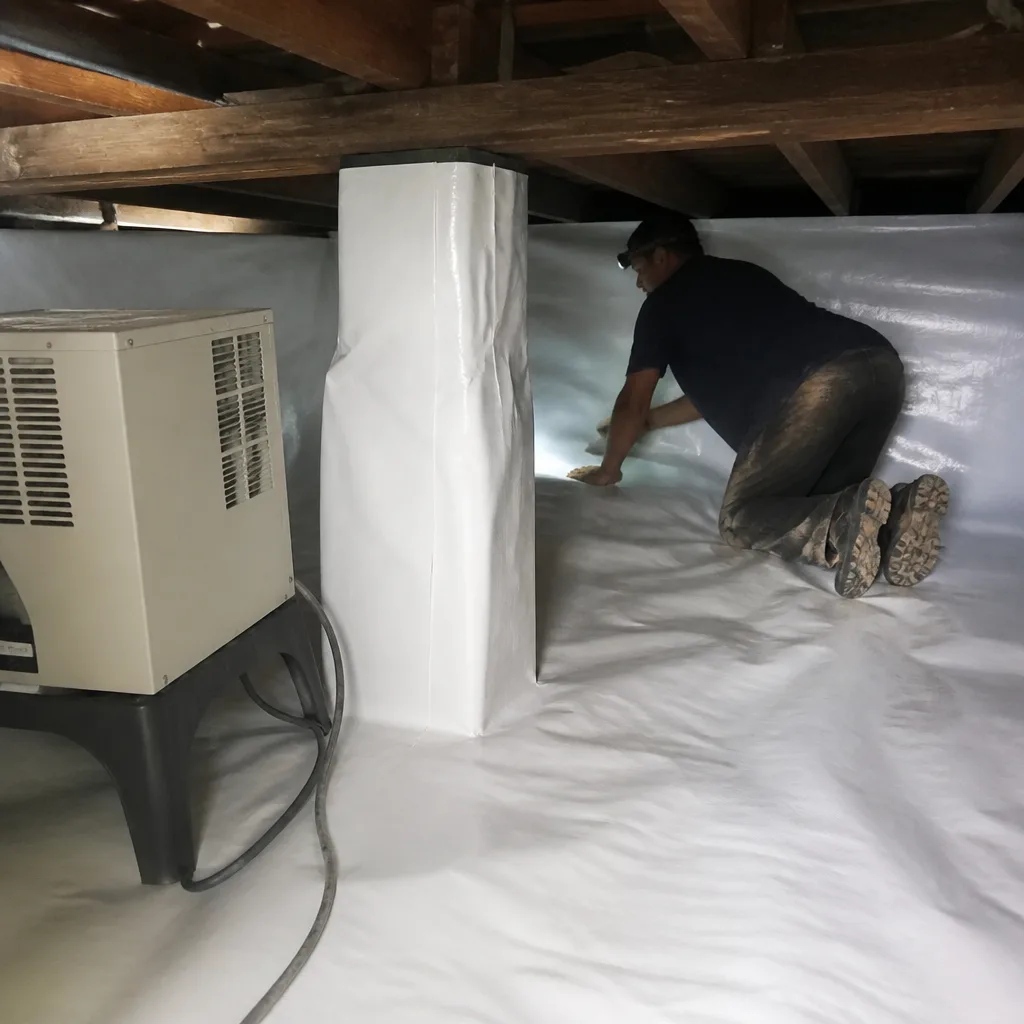
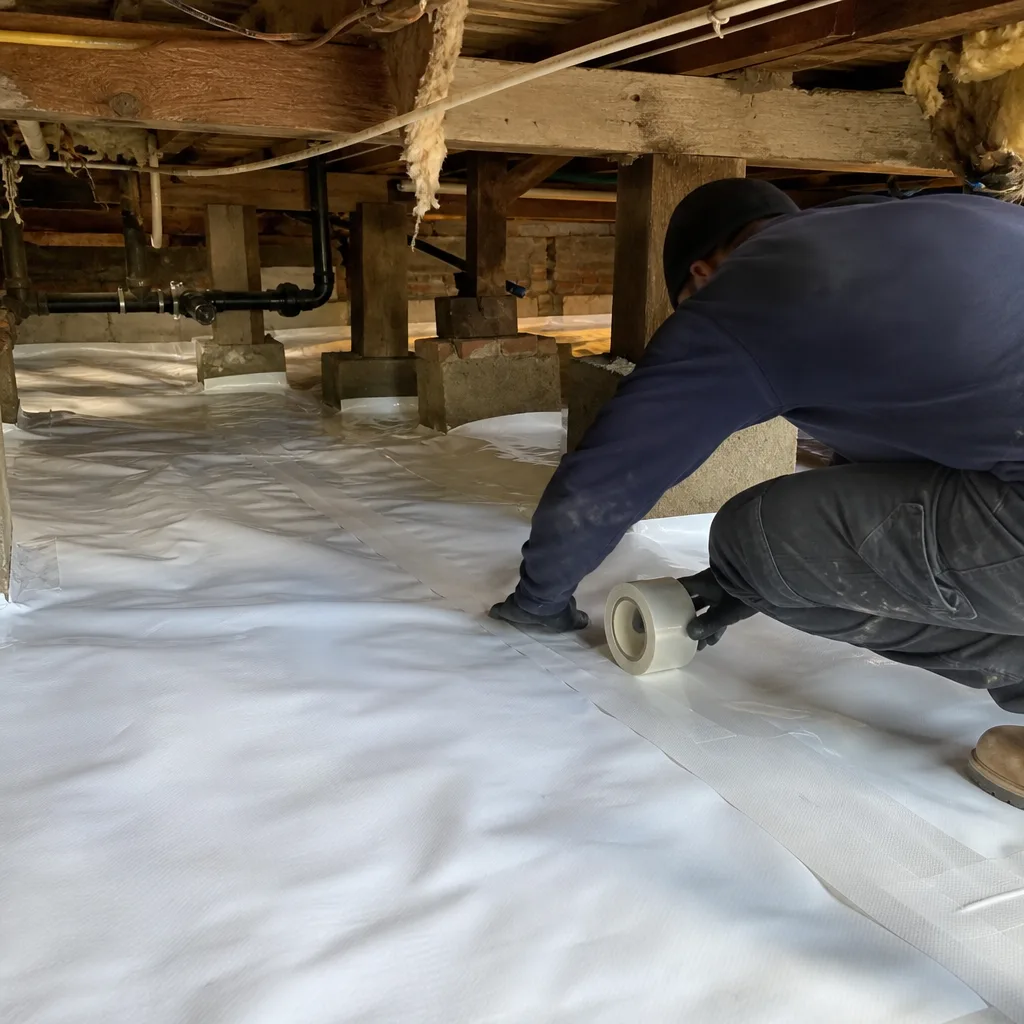
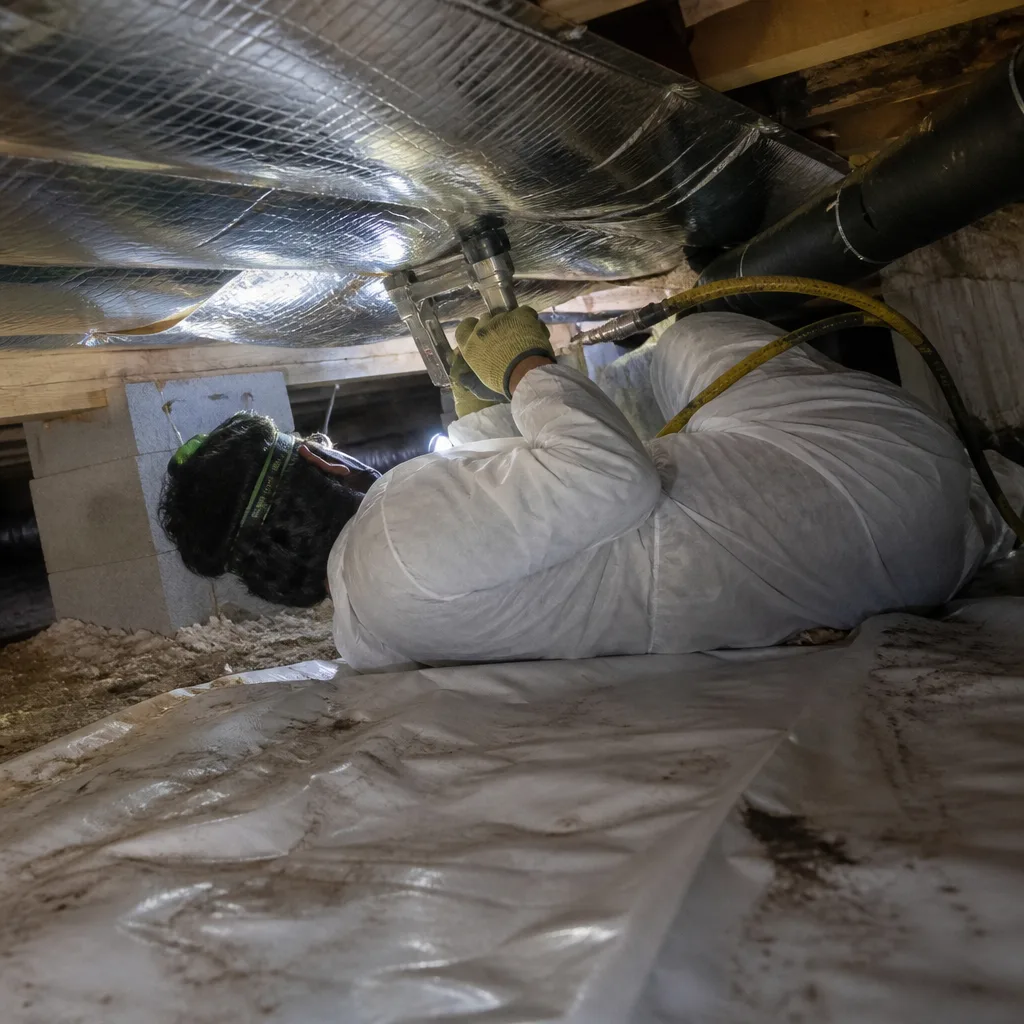
Rim joist spray foam in Burbank typically costs $800-$1,400 for a full basement or crawl space perimeter, and it’s often the single highest-impact upgrade in these 1940s-1960s homes. The rim joist, where the foundation wall meets the floor system, is essentially a continuous thermal and air leak in houses built before continuous insulation was code. In Burbank’s Lockheed-era housing, we find rim joists completely unsealed, with daylight visible from the crawl space to the exterior. We spray closed-cell foam directly to the rim joist surface, sealing the joint and insulating in one pass. For homes near the Burbank-Glendale border under the flight path, this also reduces the low-frequency rumble that travels through framing connections. Our crew sprayed open-cell foam along the rim joists and kneewall edges of a 1950s ranch off North Hollywood Way in Burbank, where the original wall cavities had zero insulation and the attic had settled to a 2-inch mat of compressed fiberglass. We foamed the rim joist and roof deck seams to seal jet-path air leaks, then dense-packed the wall cavities, and the homeowner reported the overhead aircraft noise was noticeably dulled alongside a cooler second-floor bedroom. Loading through the narrow driveway and alley behind the house meant staging the rig in two trips before we could start spraying.
Garage Ceiling Spray Foam
Garage ceiling spray foam in Burbank runs $1,500-$2,800 for a typical two-car footprint, and it’s the fix for rooms above garages that never stay comfortable. In Burbank’s denser neighborhoods, the garage is often the buffer between conditioned living space and the alley, with a bedroom or office directly above. The garage ceiling is rarely insulated to the same standard as the rest of the envelope. We spray open-cell foam to the garage ceiling underside, air-sealing around duct boots and electrical penetrations, then verify with a smoke pencil before the crew packs up. The result is a room above the garage that actually responds to the thermostat.
What happens when you call
- 1
A real person answersNo phone trees - you reach a local pro.
- 2
You get an upfront price rangeHonest numbers before anyone is dispatched.
- 3
A background-checked tech heads outLicensed & insured, dispatched right away.
- 4
You approve before work beginsNothing starts until you say go.
 Before
 After
AfterTrusted Brands We Service in Burbank
We source spray foam systems from Owens Corning, Johns Manville, and Knauf, with no proprietary lock-in that limits what’s available for your specific job. For Burbank customers, this means we can match the foam chemistry to the application, whether that’s a low-GWP open-cell for a vented attic or a high-yield closed-cell for a tight crawl space. We stock common set sizes locally and coordinate with our Los Angeles office for same-day replenishment on larger jobs, so a Burbank alley-load that requires two trips doesn’t turn into a two-day delay.
Common Spray Foam Insulation Problems We See in Burbank Homes
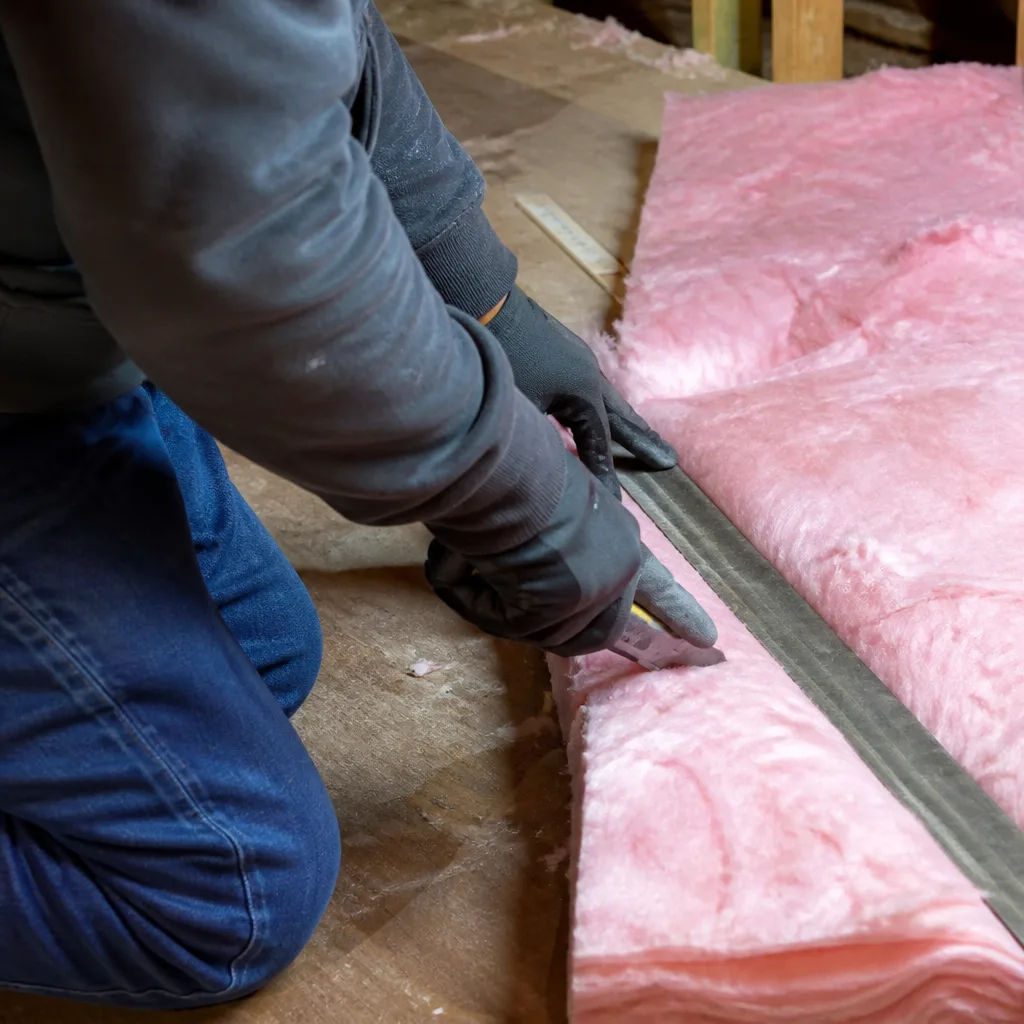
- Soffit and kneewall vents foamed shut by prior contractors. In 1940s-1960s Burbank bungalows, unqualified installers spray foam directly over soffit vents and kneewall grilles, trapping heat and moisture under the roof deck. The San Fernando Valley heat trap then cooks the deck from both sides, producing condensation that rots sheathing in 18-36 months. We map ventilation paths before spraying and install baffles or close vents intentionally with a calculated alternative.
- Closed-cell foam slumping off dust-contaminated framing. Burbank’s tight attic clearances in older homes make surface prep difficult, and some crews skip it. Foam applied over sixty years of dust, rodent debris, or oxidized old fiberglass fails to bond chemically. It slumps within a season, leaving bare spots and a warranty dispute. We vacuum and prime surfaces before spraying, and we photograph the prep.
- Off-ratio foam from cold-morning alley loads. Two-part spray foam requires precise temperature control of the A and B components. When crews stage in Burbank’s inland temperature swings during early-morning alley-access loads, material that sat in a cold truck overnight produces foam that never fully cures. It stays tacky, smells, and has to be removed. We heat our rigs and verify material temperature before the first trigger pull.
- Zero wall insulation discovered mid-job. Burbank’s residential stock, built for Lockheed and studio workers, was constructed with no wall insulation as standard practice. Homeowners who request attic-only spray foam sometimes learn, during our blower-door test, that the walls are the actual dominant leak. We flag this in the written scope before work starts, with options to address it.
Pricing for Spray Foam Insulation in Burbank, CA
Most spray foam insulation jobs in Burbank fall between $1,800 and $4,500, with the final figure driven by board-foot volume, foam type, and access complexity. Here’s how typical Burbank applications break down:
| Application | Typical Range |
|---|---|
| Open-cell attic (1,200 sq ft ceiling) | $1,800 - $2,800 |
| Closed-cell rim joist (full perimeter) | $800 - $1,400 |
| Closed-cell crawl space walls | $2,200 - $3,600 |
| Garage ceiling (two-car) | $1,500 - $2,800 |
| Roof deck, open-cell (complete) | $3,200 - $4,500 |
Factors that move Burbank jobs toward the higher end: alley or narrow-driveway access requiring staged loads, removal of degraded existing insulation before spraying, and homes under the Hollywood Burbank Airport flight path where STC-rated assemblies add material cost. Every job begins with a written price, flat and complete, before any work starts. Free second opinion on any written estimate from another contractor. Call (213) 306-2607.
We Also Serve Cities Near Burbank
Our crews work throughout the metro core, including Burbank and neighboring Glendale, West Hollywood, Beverly Hills, and Pasadena. Each city’s housing stock and climate conditions shape how we specify foam type and application method.
Serving Burbank, CA - Our Local Coverage Area
We’re based in the Burbank area and know this community well. Use the map below to see our service coverage - if you’re nearby, we can almost certainly help.
FAQs - Spray Foam Insulation in Burbank
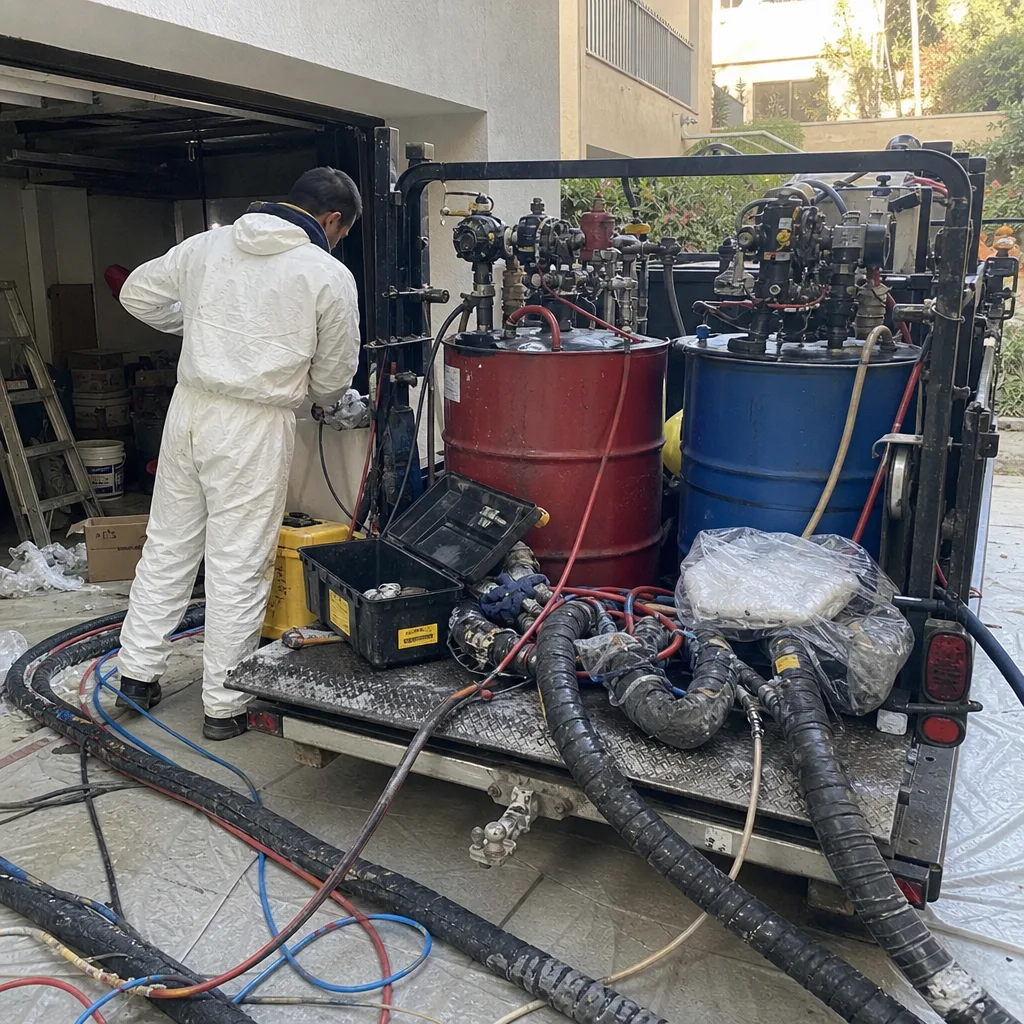
Yes, spray foam insulation reduces aircraft noise in Burbank, particularly when paired with dense-pack wall insulation and air sealing of the rim joist and top plates. The open-cell foam we spray in roof decks and wall cavities absorbs mid- and high-frequency jet noise, while sealing the continuous air leaks that carry low-frequency rumble through framing. Homeowners on streets north of Magnolia Boulevard, directly under the departure corridors, consistently report noticeable reduction after we foam rim joists and dense-pack walls. STC ratings aren’t typically published for spray foam alone; we specify assemblies that combine foam with acoustic batting where noise attenuation is the primary goal. Call (213) 306-2607 for a site-specific assessment.
No, spray foam cannot be applied to existing closed walls without access openings, but we can dense-pack the wall cavities with cellulose through strategically placed ports, then seal the rim joist and attic floor with spray foam for a complete envelope upgrade. In Burbank’s 1950s ranches, we typically find the wall cavities are open to the attic and basement, which lets us dense-pack from above and below without interior demolition. The plaster stays intact. We document the cavity fill with borescope photos. For homes where full spray foam walls are desired, we coordinate with a drywall contractor for controlled access, with the scope and price written before anyone cuts a hole.
Yes, our crews regularly access Burbank alleys and narrow driveways, though tight sites may require staged loading that adds 30-60 minutes to setup. We’ve sprayed foam in Magnolia Park alleys barely eight feet wide, and in Rancho townhome driveways where the rig had to park on the street and hose in 200 feet. We survey access during the initial walkthrough and note any constraints in the written scope. If two trips are needed, that’s in the plan from day one. Call (213) 306-2607 to schedule a site review.
No, spray foam on the roof deck does not make the attic hotter; it creates a conditioned, semi-conditioned, or unvented assembly that moves the thermal boundary to the roof line, eliminating the extreme temperature swings of a vented attic. In Burbank’s San Fernando Valley heat trap, where vented attics regularly hit 140°F, an unvented roof deck with open-cell foam keeps the attic within 10-15°F of the living space below. The key is never foaming soffit vents shut without a designed alternative; we install baffles or convert to a fully unvented assembly with calculated mechanical ventilation. Our before-and-after blower-door tests verify the assembly performs as specified.
Burbank’s extreme summer heat, regularly 10-15°F above coastal LA, pushes us toward closed-cell foam for moisture-critical applications and open-cell for cost-effective attic sealing where moisture drive is managed through assembly design. The temperature differential between conditioned space and roof deck is sharper here than in Glendale or Pasadena, which means vapor drive is more aggressive. Closed-cell’s impermeable surface prevents moisture accumulation in rim joists and crawl spaces. Open-cell’s vapor-permeable surface works in roof decks only when the assembly is designed to dry to the interior or exterior. We specify based on the specific location, not a default product. The written scope names the foam, the thickness, and the R-value before work starts.
Written by Wes Okafor, Owner at Envelope Insulation Co., serving Burbank and the greater Los Angeles area since 2016.