
Crawl Space Vapor Barrier in West Hollywood, CA
Our Crawl Space Encapsulation & Vapor Barrier services use a heavy-duty polyethylene sheet installed across the soil floor and up the foundation walls of your crawl space to block ground moisture before it can evaporate into the air below your home. In West Hollywood, where coastal marine air pushes humidity inland most of the year and older bungalows along streets like Havenhurst and Laurel Avenue sit on pier-and-beam foundations with exposed dirt floors, uncontrolled ground moisture is one of the most consistent sources of wood rot, mold, and rising indoor humidity we see on every job. Most installations for a typical West Hollywood home run between $1,400 and $3,200, depending on the crawl space square footage, access conditions, and whether existing moisture damage needs to be addressed first.
If you’re not sure whether vapor barrier alone covers what your crawl space needs, or if you’ve already received a competing estimate, our broader Crawl Space Encapsulation & Vapor Barrier in West Hollywood page explains how a full encapsulation – sealed walls, conditioned air, and drainage – compares to a barrier-only installation. You can also reach us directly at (213) 306-2607 – a live person picks up, no voicemail loop, and a written price comes before any work starts. That’s Haven Standard Clause 1, not a slogan.
Wes Okafor has led Envelope Insulation Co. since 2016, and the approach here is straightforward: document what we find, write the price before we lift anything, and leave you with a photo record of the completed work. On jobs where air sealing is part of the scope, before-and-after blower-door readings are included – a pressurization measurement that shows, in a single number, how much conditioned air the building envelope was losing before and after the work.
When You Need a Crawl Space Vapor Barrier
- Musty odors on the first floor. Ground moisture that evaporates below your subfloor works its way through the stack effect into living spaces above. In tightly spaced West Hollywood homes where floor vents run close to the perimeter, this smell tends to concentrate near exterior walls and under baseboards.
- Hardwood floors cupping or laminate buckling. When relative humidity beneath the subfloor stays above 70% for weeks at a time – common during West Hollywood’s late-fall marine layer season – wood flooring absorbs that moisture from below and deforms. The fix at floor level is cosmetic; the fix in the crawl space is structural.
- Visible condensation on pipes or subfloor joists. If you or a plumber have been under the home and spotted water beading on cold-water supply lines or dark staining on the bottom of joists, the ground is releasing more moisture than the existing venting can exhaust.
- A pest or rodent inspection flagged wood rot. Termite and rodent inspectors in West Hollywood often note moisture-softened sill plates and rim joists before a homeowner is aware of any problem. Softened wood is partly a moisture problem; a vapor barrier addresses the ongoing source rather than just the symptom.
- Recent foundation or plumbing work disturbed the old barrier. Older homes in the Norma Triangle and West Hollywood West neighborhoods sometimes have torn 4-mil poly sheeting that was installed decades ago and never replaced. A cut, torn, or improperly lapped barrier is nearly as ineffective as no barrier at all.
- HVAC ducts running through the crawl space are sweating. Sheet metal ducts in an unconditioned crawl space are cold on the outside surface during air-conditioning season. Ground moisture condenses directly onto them, accelerating corrosion and wetting the insulation jacket. Reducing the ambient humidity in the crawl space with a proper barrier reduces duct sweating significantly.
Our Crawl Space Vapor Barrier Process
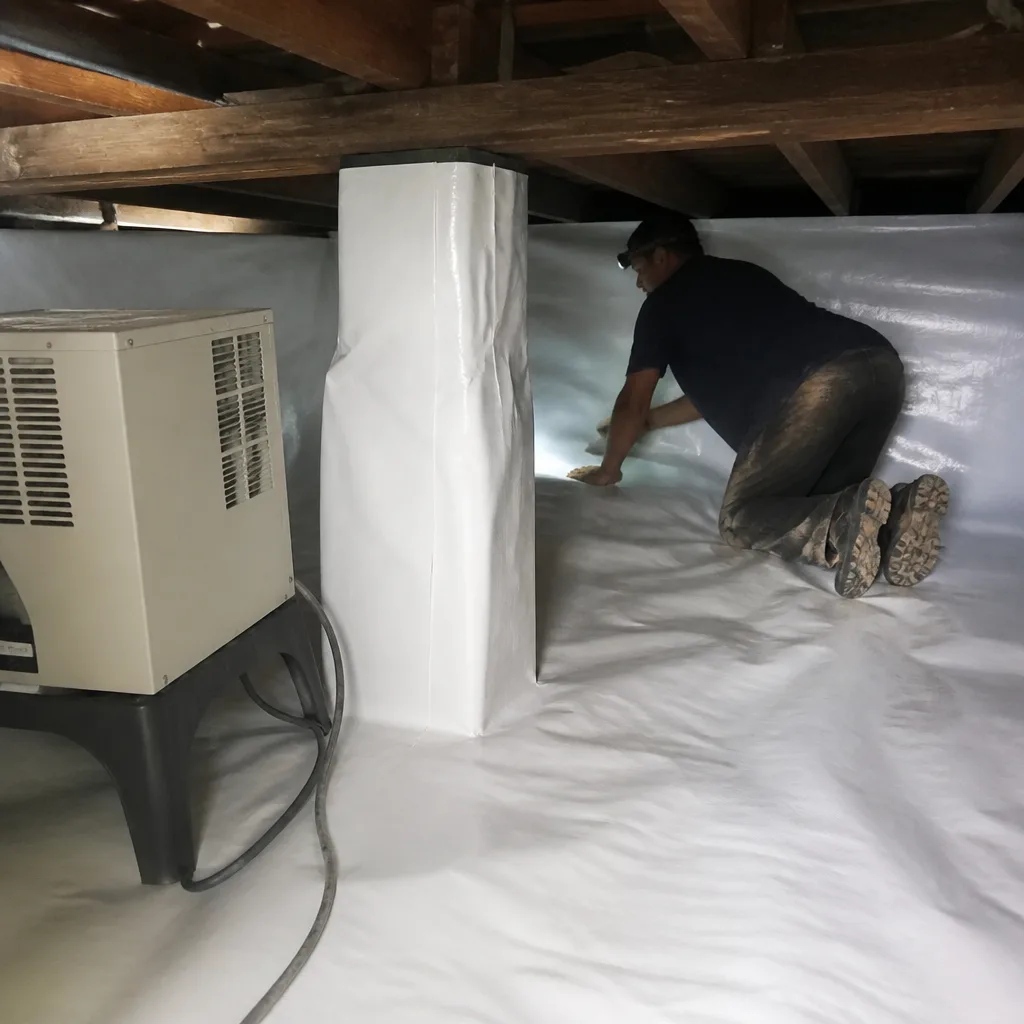
- Written assessment and flat-price quote before any work begins. We access the crawl space, measure the square footage, document existing conditions with photos, and note any standing water, damaged barriers, or structural concerns. Under Haven Standard Clause 1, you receive a written scope and a flat price – not a range, a price – before we schedule installation. The Documented Photo Record starts here, not at the end.
- Site preparation and debris removal. Loose soil, displaced vapor barrier fragments, and any organic debris on the ground are cleared before new material goes down. Leaving debris under a new barrier traps it in a sealed environment and accelerates decay. If we encounter rodent evidence or significant wood rot, we document it and discuss next steps with you before continuing.
- Ground barrier installation. We install a minimum 12-mil reinforced polyethylene barrier across the full soil floor – no seams left open, no corners cut around piers without proper draping. Overlaps are a minimum of 12 inches and sealed with vapor-barrier tape rated for below-grade use. Thicker material matters here: a 6-mil sheet punctures on routine crawl space entry; 12-mil holds. Johns Manville barrier materials, among others we source, meet the ASTM E1745 Class A standard for vapor retarders in ground contact.
- Foundation wall coverage and fastening. The barrier runs up each foundation wall at least 6 inches and is fastened with mechanical termination strips or concrete fasteners at the top edge. This step keeps the barrier from pulling away from the wall face over time and eliminates the gap at the perimeter where most of the air infiltration occurs in vented crawl spaces.
- Penetration sealing. Every pipe, post, and column that passes through the barrier gets individually sealed. A barrier with open penetrations loses most of its effectiveness – moisture migrates up around any uncovered surface. We use pre-cut boots and compatible tape at each penetration rather than loose folds.
- Final inspection and documented photo record. Once installation is complete, we photograph the finished barrier from multiple angles, document the tape seams and wall terminations, and walk through the result with you. The photo record is delivered as part of the job close, not available on request. The 365-Day Done Right Promise covers all completed work in writing: if something isn’t right within the first year, we come back and make it right.
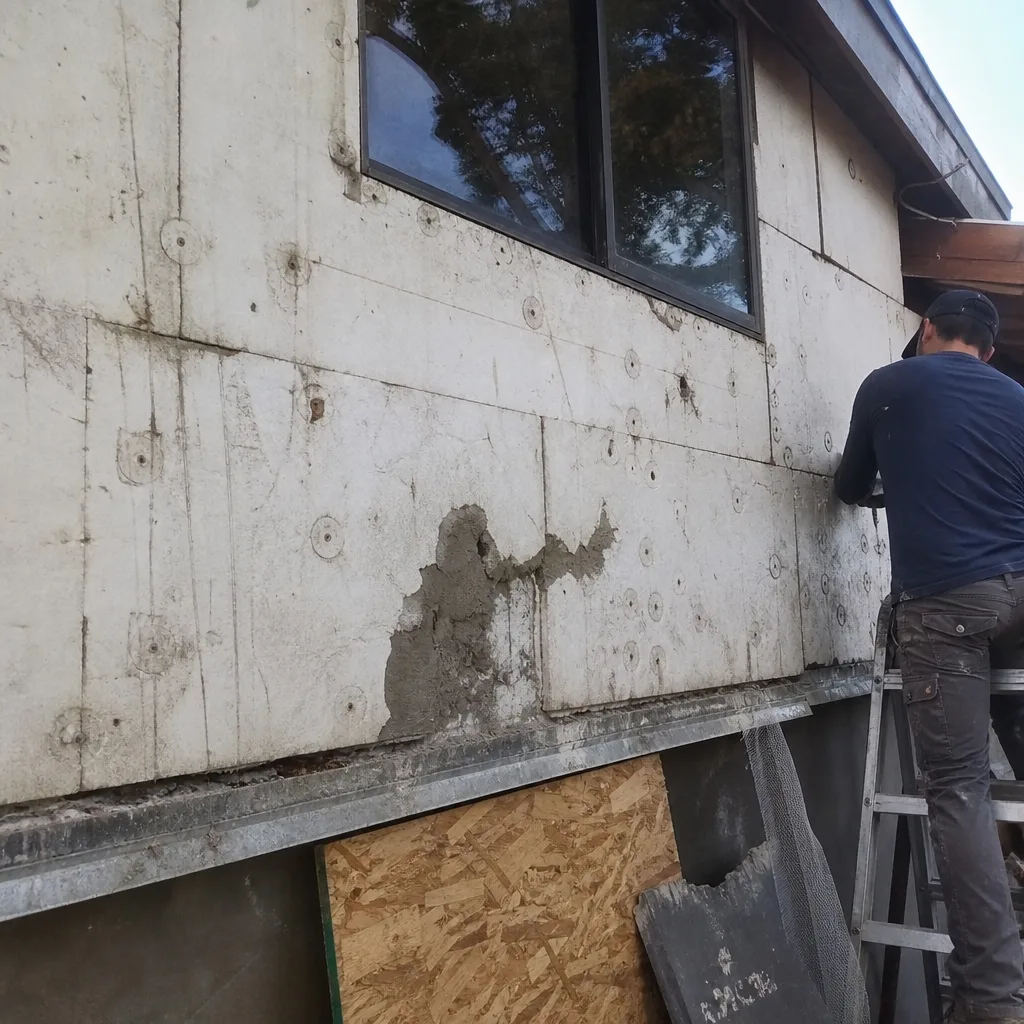 Before
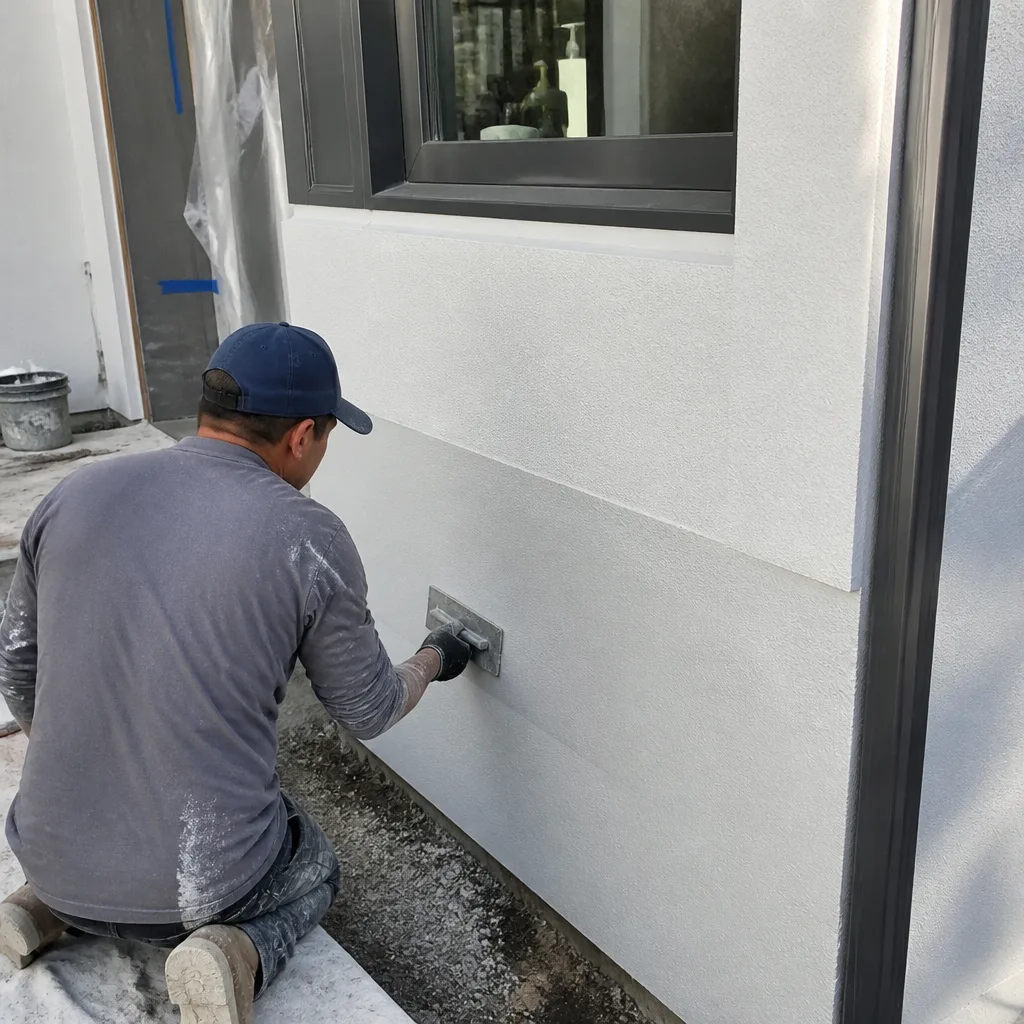 After
AfterCrawl Space Vapor Barrier Pricing in West Hollywood
Wondering how much does crawl space encapsulation & vapor barrier cost? In West Hollywood, most single-family homes run between $1,400 and $3,200. The range is real – here’s what moves the number up or down:
| Factor | Typical Range |
|---|---|
| Crawl space square footage (under 600 sq ft) | $1,400 – $1,900 |
| Crawl space square footage (600 – 1,200 sq ft) | $1,900 – $2,600 |
| Crawl space square footage (over 1,200 sq ft) | $2,600 – $3,200+ |
| Barrier thickness upgrade (20-mil vs. 12-mil) | +$200 – $450 |
| Old barrier removal and disposal | +$150 – $400 |
| Extremely low clearance (under 18 inches) | +$100 – $300 labor adjustment |
| Multiple access points or interior piers requiring additional cuts | +$75 – $200 |
West Hollywood’s housing stock skews toward smaller footprints – many of the 1940s and 1950s bungalows in the Norma Triangle sit on crawl spaces under 700 square feet. Those jobs tend to come in at the lower end of the range. Larger homes closer to the Beverly Hills border or multi-unit structures on Gardner or Vista streets can push toward the upper end, especially when access is limited to a single hatch.
These numbers do not include any structural repair, mold remediation, or duct work that may be needed before or after the barrier goes in. If a competing contractor has already given you a written estimate, bring it to us. Under our Free Second Opinion offer, we will read it with you and tell you what you’re comparing – material thickness, seam treatment, wall coverage, warranty terms. Getting a second set of eyes on a crawl space quote costs you nothing.
A written price before any work starts is not a formality here – it is how every job at Envelope Insulation Co. operates, going back to 2016. Call (213) 306-2607 to schedule your assessment. There’s no obligation to book, and the written estimate stays with you regardless of what you decide.
Key Takeaways
- Most vapor barrier jobs in West Hollywood run $1,400 to $3,200, with the largest variable being crawl space square footage and access difficulty.
- A 12-mil reinforced barrier installed to the full perimeter wall with taped seams and sealed penetrations is the baseline; thinner material or open seams reduce effectiveness significantly.
- Wes Okafor leads every assessment with a written price and a Documented Photo Record – both delivered before and after the work, not on request.
- The 365-Day Done Right Promise covers all completed work in writing.
- If vapor barrier alone isn’t the right scope for your crawl space, the full Crawl Space Encapsulation & Vapor Barrier in West Hollywood page explains where a sealed-wall encapsulation with conditioned air makes more sense.
FAQs – Crawl Space Vapor Barrier
What thickness vapor barrier does a West Hollywood crawl space actually need?
For a vented crawl space in West Hollywood, pairing proper Crawl Space Insulation with 12-mil reinforced polyethylene is the practical minimum for any installation that needs to hold up to routine access. The 6-mil material you’ll find at hardware stores tears on the first crawl-through and loses its effectiveness quickly. Homes closer to the coastal influence – anything west of La Cienega where evening humidity consistently stays high – benefit from stepping up to 20-mil, particularly if the crawl space sees annual HVAC or plumbing service. The California Building Code references ASTM E1745 Class A for vapor retarders in contact with the ground; 12-mil material rated to that standard satisfies code, and we document the material spec in your photo record. Call (213) 306-2607 for a written price on the specific thickness that fits your crawl space conditions.
How long does a crawl space vapor barrier installation take?
Most single-family crawl space vapor barrier installations in West Hollywood are completed in one day. A crawl space under 700 square feet with reasonable access typically takes four to six hours including prep, barrier installation, seam taping, and wall termination. Larger or lower-clearance spaces – anything under 18 inches of headroom across a significant portion of the floor – can extend the job to a full day or occasionally require a return visit for the wall termination detail. We give you a specific time estimate in the written scope before the crew arrives, so you’re not adjusting your schedule around a window measured in half-days.
Can I install a crawl space vapor barrier myself?
The material itself is not hazardous, and a straightforward barrier installation does not carry the serious injury risk of, say, garage door spring work or high-voltage electrical. That said, the two places DIY installs consistently fail are seam treatment and penetration sealing. Overlaps taped with standard duct tape or left untaped separate within a season, and pipe penetrations left loosely folded rather than booted allow most of the moisture you’re trying to block to migrate right back through. If you have a clean, accessible crawl space and you’re willing to use the right tape and proper mechanical fasteners at the wall termination, a competent DIY install is possible. If there is any existing damage – torn old barrier, standing water, wood staining – it’s worth having a professional assess it first, because installing over an active moisture problem seals the damage in rather than stopping it.
Does a vapor barrier replace crawl space encapsulation, or are they different things?
A vapor barrier is a component of encapsulation, but encapsulation is a larger scope. A standalone vapor barrier covers the ground and runs up the foundation walls to block soil moisture from evaporating into the crawl space air. Full encapsulation adds sealed foundation vents, conditioned or dehumidified air supply, and sometimes an interior drainage system – turning the crawl space from a vented, unconditioned zone into a semi-conditioned one. In West Hollywood, where summer marine layer and year-round mild temperatures limit the severity of condensation cycles compared to wetter climates, a well-installed 12-mil or 20-mil barrier with sealed seams handles most moisture problems without requiring the full encapsulation scope. Homes with persistent high humidity readings inside the crawl space (above 70% RH on a dry day), active condensation on ducts, or prior mold remediation are better candidates for the full system. The home page outlines our full service line if you want to understand how these scopes connect before calling.
Written by Wes Okafor, Owner at Topside Attic Insulation West Hollywood, serving West Hollywood.