
Rockwool Vapor Barrier Installation: The West Hollywood Owner’s Guide
Rockwool vapor barrier installation in West Hollywood typically runs $1,800-$3,400 for a complete attic assembly, depending on square footage and whether we’re retrofitting over existing batts or starting from open joists. Most jobs we book are completed same-day, and we stock Rockwool Comfortbatt and Comfortboard-compatible poly-faced barriers on every truck. Homeowners usually discover the problem when they pull back insulation to run a new recessed can and find black-stained kraft paper, or when their energy auditor flags that the existing barrier has degraded to the point it’s passing moisture into the fiberglass layer beneath.
Which Rockwool Models This Applies To
This applies to any Rockwool assembly where a vapor retarder or barrier is specified by the architect or required by Title 24. We most commonly see it paired with Comfortbatt (the semi-rigid batt for wood stud cavities) and Comfortboard 80/110 (the rigid board used for continuous exterior or interior insulation). The vapor barrier isn’t manufactured by Rockwool itself; it’s a complementary component, typically a reinforced polyethylene or foil-scrim-kraft facing (a laminated sheet with a reflective layer and reinforcing fibers) installed on the warm-in-winter side of the assembly.
To identify what you need: check the existing facing for a perm rating printed in the corner. Rockwool’s own installation guides call for a Class I or II vapor retarder (0.1 perm or less for Class I, up to 1.0 perm for Class II) in West Hollywood’s climate zone, which is CZ9 - mild heating, significant cooling load. If your existing facing reads higher than 1.0 perm, it’s not doing the job. We also see homeowners confuse a vapor barrier with a radiant barrier; the former blocks moisture diffusion, the latter reflects radiant heat. They’re often installed together in West Hollywood attics, but they serve different purposes.
OEM-spec vapor barriers for Rockwool assemblies come from distributors like Stego, Poly-America, or CertainTeed’s MemBrain (a smart vapor retarder that adapts its perm rating to humidity). We stock all three on our trucks because West Hollywood’s mix of 1920s Spanish Revival stucco and 1960s slab-on-grade ranches means we never know which assembly we’ll find until we open the hatch. Aftermarket equivalents work fine if they meet the same ASTM E96 desiccant-method spec. We don’t push proprietary products.
Signs Your Rockwool Vapor Barrier Installation Is Failing
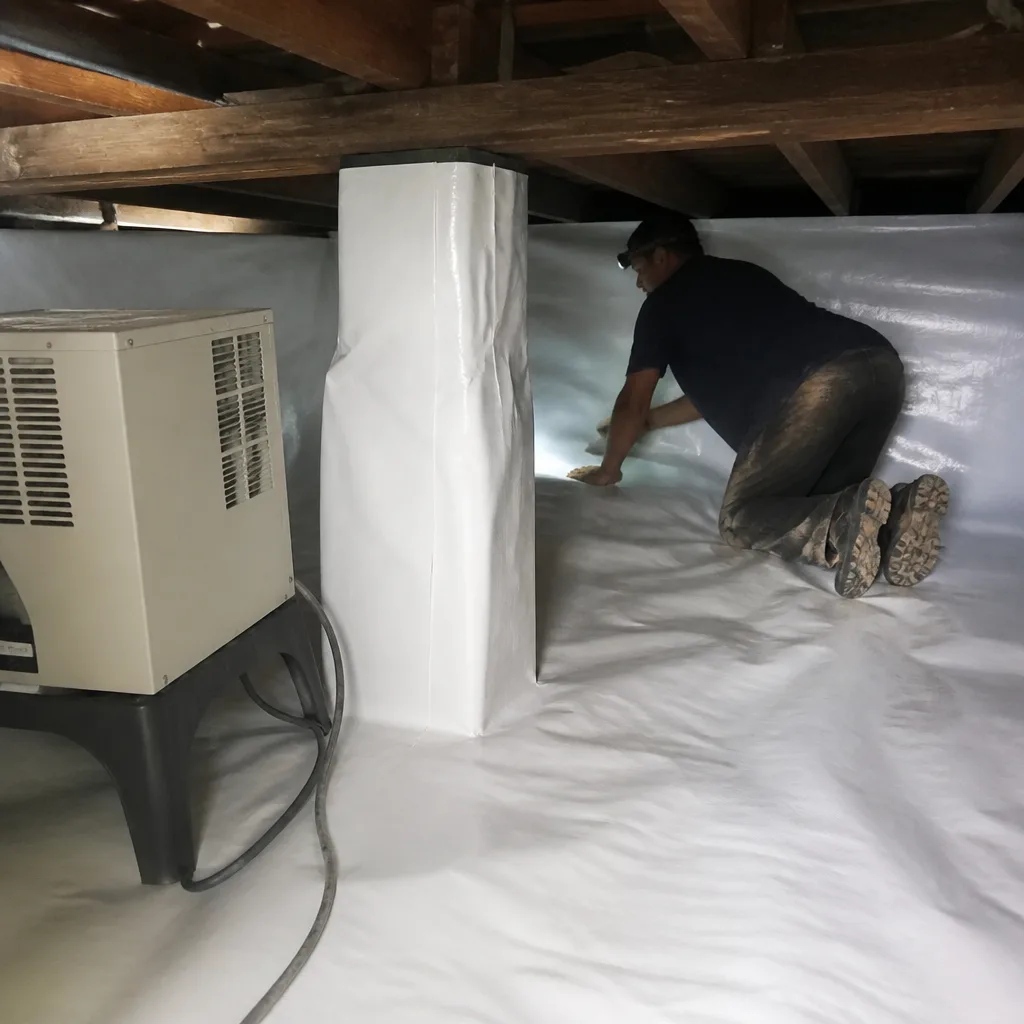
- Dark staining or mold on the facing’s interior side. This means warm, moist interior air is reaching a cold surface and condensing. In West Hollywood, we see this most often where the original installer left gaps at top plates or around chimney chases - the barrier can’t retard vapor it isn’t covering.
- Insulation that feels damp or clumps when compressed. Rockwool itself is hydrophobic (it repels liquid water), but if the vapor barrier failed, the adjacent materials - often older fiberglass or cellulose - saturate and compress. The Rockwool stays intact, which ironically masks the problem until the framing starts showing distress.
- Peeling or delaminating facing, especially near can lights or HVAC penetrations. The adhesive or mechanical fasteners holding the barrier have degraded. We find this constantly in West Hollywood’s hillside homes above Sunset Plaza, where roof temperatures swing 40 degrees in a day and thermal cycling fatigues the tape seams.
- Musty odor when the attic hatch is opened. This is olfactory evidence of mold growth on organic materials behind the barrier. Rockwool won’t grow mold, but the wood framing and any residual cellulose will. The barrier failed somewhere, and the stack effect is pulling conditioned air through the breach.
- Energy bills climbing without rate increases. A compromised vapor barrier lets moisture into the insulation layer, which drops its effective R-value. Your HVAC runs longer to hold setpoint. We document this with blower-door testing - pressurizing the house to 50 pascals to measure envelope leakage - before and after we seal and re-barrier.
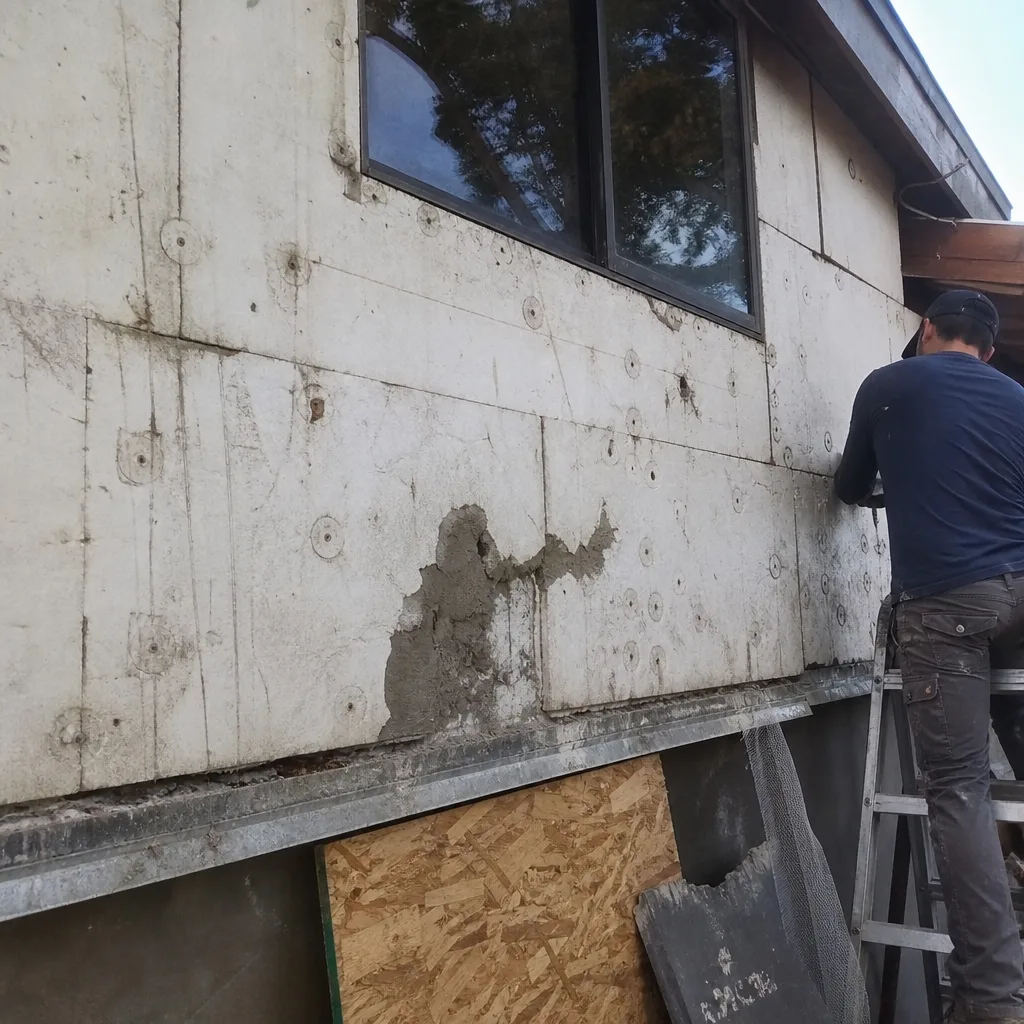 Before
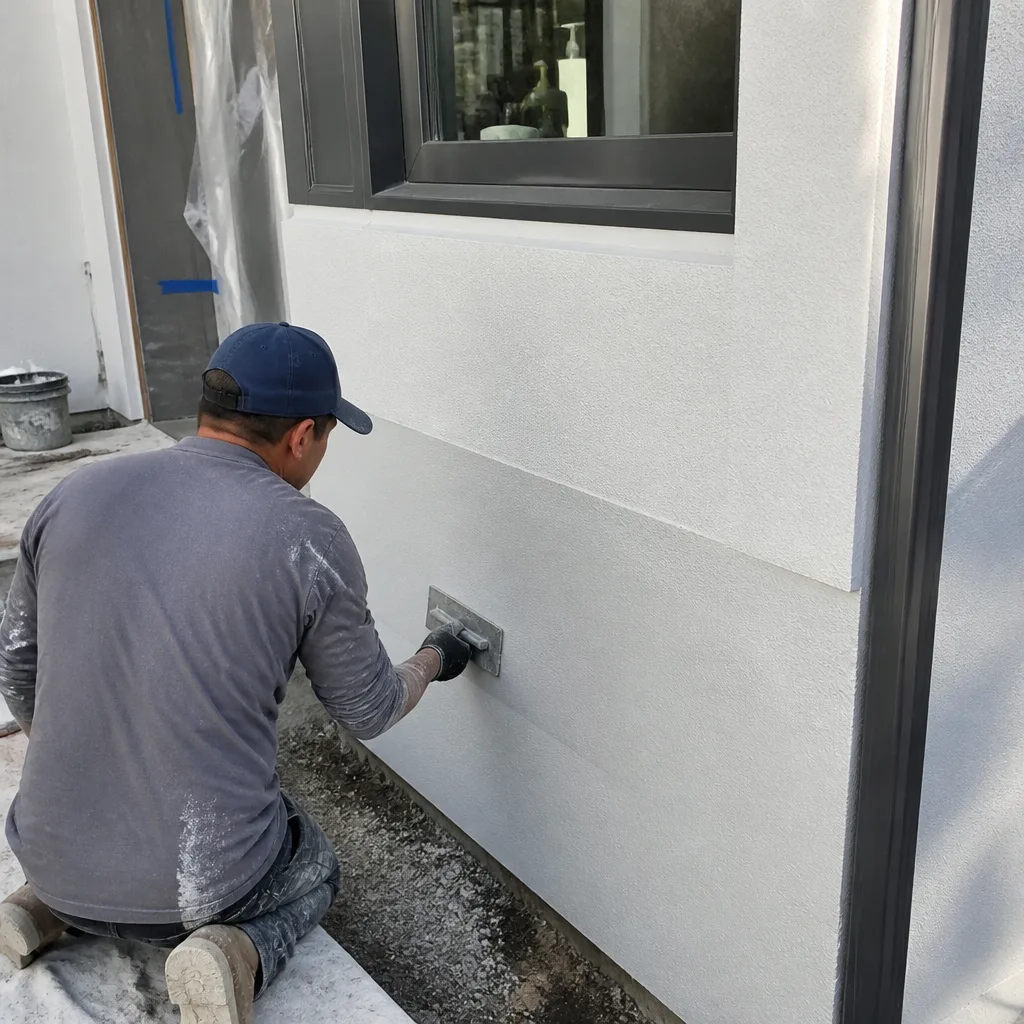 After
AfterReplacement Cost & What’s Included
Most Rockwool vapor barrier replacements in West Hollywood fall between $1,800 and $3,400 installed. Here’s what drives that range:
| Factor | Low End | High End |
|---|---|---|
| Attic under 800 sq ft, open joists, easy access | $1,800-$2,200 | - |
| Attic 800-1,500 sq ft, retrofit over existing Rockwool | $2,400 | $2,900 |
| Attic 1,500+ sq ft, complex rooflines, removal of failed facing required | $3,000 | $3,400 |
| Air sealing of top plates, can lights, penetrations (required before barrier) | Included | Included |
Every price we quote is flat and written before any work starts - Haven Standard Clause 1. The scope includes: removal of degraded facing if present, air sealing of all accessible leakage points with foam and tape, installation of new vapor barrier with sealed laps and mechanical fastening per manufacturer spec, and a Documented Photo Record delivered when we leave. On applicable jobs, we also run a blower-door test and hand you the pre- and post- numbers. The 365-Day Done Right Promise covers all work.
Materials are sourced from our standard suppliers - Owens Corning, Johns Manville, Knauf, Rockwool, CertainTeed, and others. No proprietary lock-in. We also stock Reflectix radiant barrier if your assembly calls for both components.
DIY or Call Us?
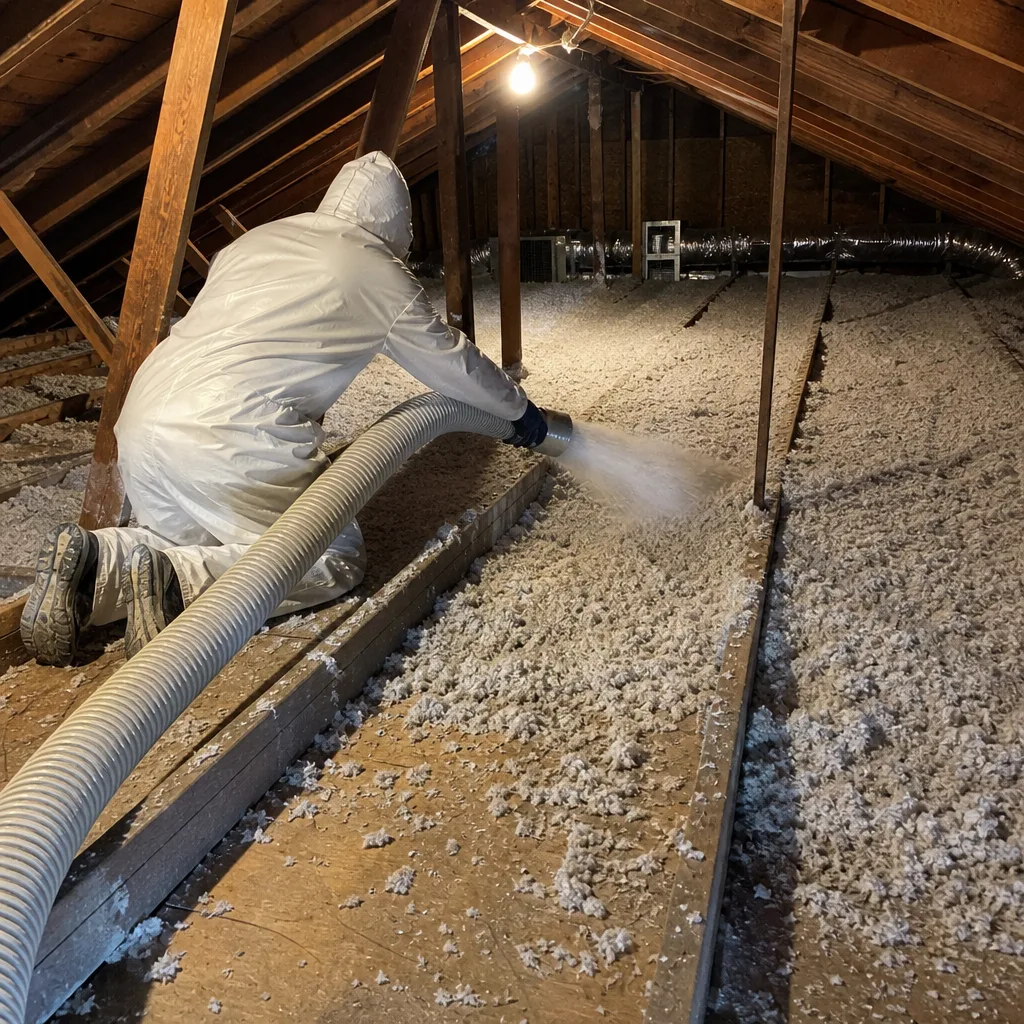
There’s no high-tension danger here like a garage door spring, but there are ways DIY goes wrong that cost more than the original call would have. An owner can safely check: whether the facing has visible tears, whether tape seams are lifting, and whether there’s staining near penetrations. Use a flashlight, don’t disturb asbestos-containing materials if your home predates 1980, and stop there.
Where DIY fails: installing a vapor barrier on the wrong side of the assembly (in CZ9, it belongs on the interior, warm-in-winter side), leaving gaps at top plates that render the barrier meaningless, or trapping moisture by adding a barrier where none was specified. We’ve been called to West Hollywood homes where a homeowner’s six-mil poly install actually created a condensation problem that didn’t exist before. The California Energy Code has specific guidance on this; Wes keeps a worn copy on his truck seat, which his crew finds funny and he finds practical.
Seal the leaks first. Then insulate. The R-value on the bag assumes you did it in that order. If you’re not set up to blower-door test before and after, you’re guessing. Call (213) 306-2607 and we’ll walk through what you’re seeing - free second opinion on any written estimate you already have.
FAQs
A properly installed vapor barrier should last 20-30 years, but in West Hollywood we see premature failure at 8-12 years when the original installer skipped air sealing or used incompatible tape. The thermal cycling in hillside neighborhoods above the Sunset Strip accelerates adhesive degradation. Call (213) 306-2607 for an exact quote - estimates are free.
Patching works only for isolated mechanical damage - a single tear from a cable installer, for instance. If the failure is systemic (widespread delamination, staining at multiple points, or incorrect original placement), replacement is the only fix that restores the assembly’s designed performance. We assess this on every visit and tell you which category you’re in before quoting. Call (213) 306-2607 for an exact quote - estimates are free.
Most Rockwool vapor barrier replacements in West Hollywood are completed in one day. A small attic with open joists might take 4-5 hours; a larger retrofit with existing insulation to work around can run 6-8 hours. We schedule enough crew to finish in a single visit - no return trips, no callback windows measured in business days. Call (213) 306-2607 for an exact quote - estimates are free.
Yes. We carry reinforced polyethylene, foil-scrim-kraft, and smart retarder membranes on every vehicle, sized for both Comfortbatt and Comfortboard assemblies. Topside Attic Insulation West Hollywood is an independent service provider, not affiliated with Rockwool, and we source materials from multiple manufacturers so we’re not locked into one product line. Call (213) 306-2607 for an exact quote - estimates are free.
Written by Wes Okafor, Owner, Topside Attic Insulation West Hollywood at Topside Attic Insulation West Hollywood, serving West Hollywood and nearby areas.