
Owens Corning Radiant Barrier Installation: The West Hollywood Owner’s Guide
We install Owens Corning-compatible radiant barrier systems in West Hollywood homes for $2,400-$4,800 depending on attic square footage and whether the existing insulation needs repositioning first. Most jobs are scheduled within 48 hours and completed in a single day. Homeowners usually notice the problem when their second-floor bedrooms won’t cool below 78°F even after the AC runs all afternoon, or when their summer electric bill jumps 30-40% compared to neighbors with similar homes.
Which Owens Corning Models This Applies To
Owens Corning manufactures radiant barrier products under the AtticCat and EnergyComplete system lines, though the radiant barrier component itself is most commonly the RB (Radiant Barrier) foil-faced sheathing or the FOIL-TECH rolled membrane designed for retrofit installation over existing attic insulation. The critical compatibility gotcha in West Hollywood’s 1940s-1960s bungalow stock: Owens Corning’s foil-faced products require a minimum 3/4-inch air gap on the radiant side to function, which means they cannot be laid directly against old cellulose or fiberglass without spacers or a suspension system. Many generic installers miss this, and the barrier becomes a conductor rather than a reflector.
To identify what you have, check for the Owens Corning pink panther logo and product code printed on the foil edge tape. The RB series uses a woven polyethylene core rated to 250°F; aftermarket equivalents like Reflectix use a bubble-core construction that performs similarly but compresses differently under foot traffic during future attic work. We stock both OEM Owens Corning and Reflectix-compatible hardware on our trucks, and we’ll match to your existing system if you’re doing partial replacement. We are an independent service provider with no affiliation to Owens Corning.
Signs Your Owens Corning Radiant Barrier Installation Is Failing
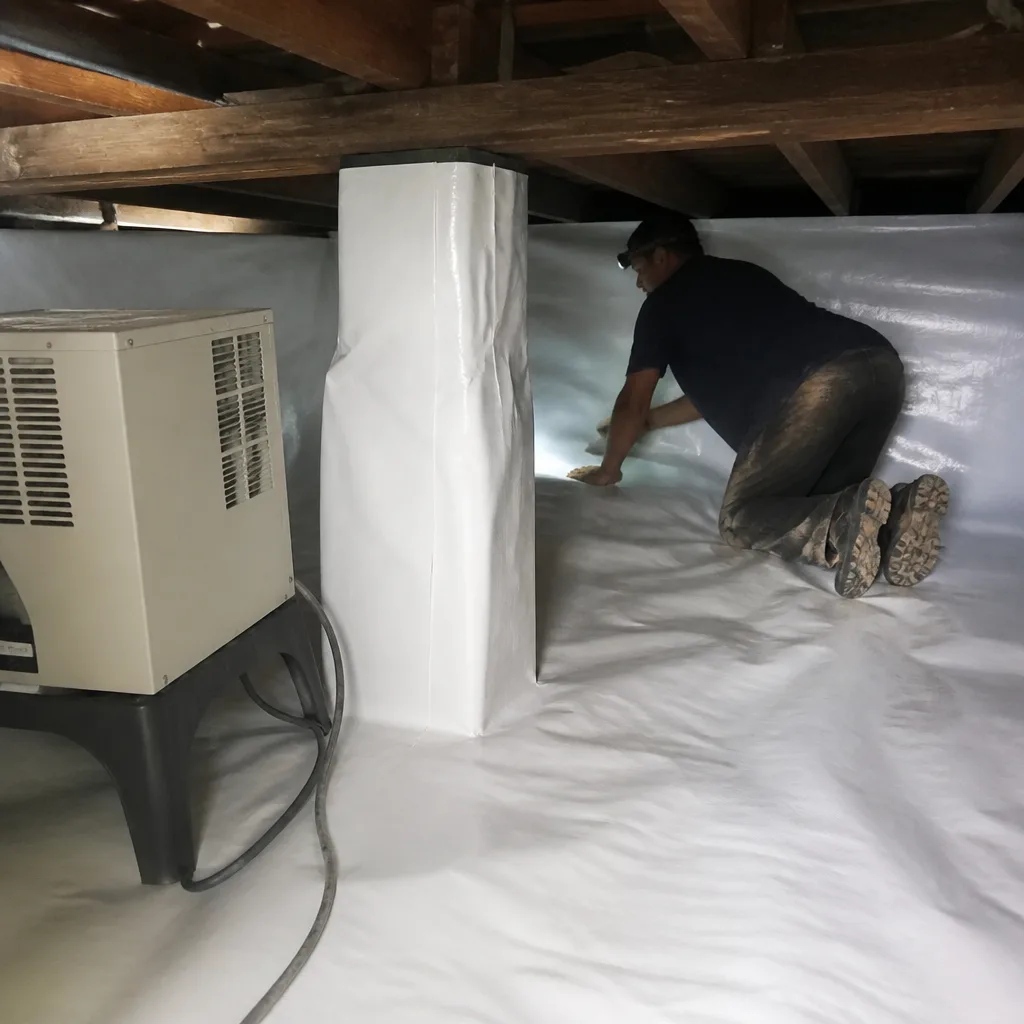
- Hot ceiling patches in late afternoon. The radiant barrier has likely torn at a staple line or been displaced by rodent activity, exposing the drywall to direct radiant heat from the roof deck. In West Hollywood’s climate, roof surface temperatures regularly hit 160°F in August, and a 6-inch gap in the barrier creates a perceptible hot spot.
- AC runs continuously from 2 PM to 7 PM. When the radiant barrier degrades, the attic temperature can climb from a controlled 110°F to 140°F or higher, forcing your ductwork to fight an uphill battle. We see this pattern most often in homes north of Santa Monica Boulevard where the original installation used adhesive tabs that failed after 8-12 years of thermal cycling.
- Dust accumulation on the foil surface turning it matte gray. A clean radiant barrier reflects 95% of radiant heat; a dust-coated one performs closer to 60%. West Hollywood’s Santa Ana wind events pull fine particulate through gable vents, and without periodic inspection, the foil becomes a dull absorber.
- Sagging or pooling in the barrier membrane. Owens Corning foil products are tensioned during installation; if the support wires or staple patterns were spaced too far apart, gravity and humidity create low points where condensation collects. This is common above bathrooms where vapor drives upward through ceiling penetrations that were never sealed.
- Insulation compression directly beneath the barrier. When installers lay radiant barrier on top of existing insulation without proper support, the weight crushes the R-value of the material below. We’ve found old fiberglass compressed from 6 inches to 2 inches in West Hollywood attics where the barrier was “upgraded” in the mid-2010s.
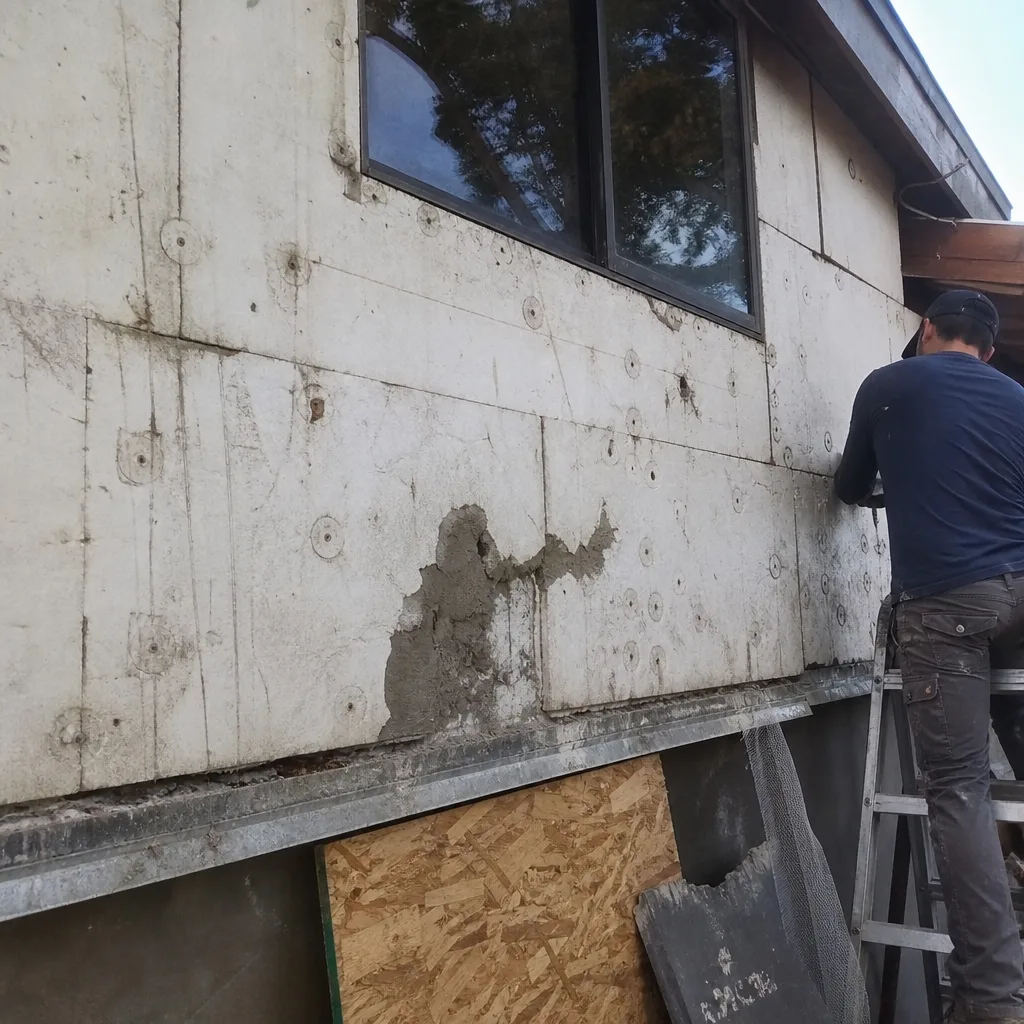 Before
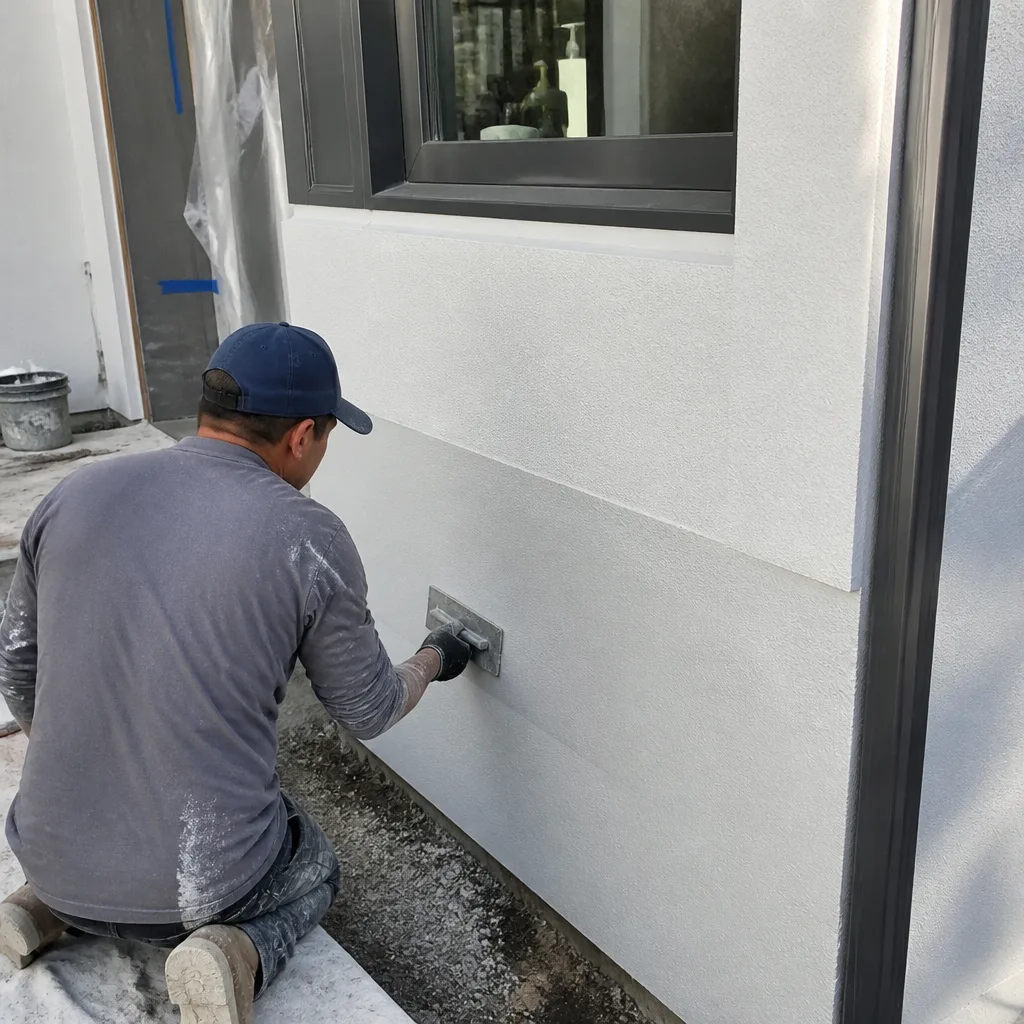 After
AfterReplacement Cost & What’s Included
Most Owens Corning radiant barrier replacements in West Hollywood run $2,400-$4,800 installed. The lower end covers a 1,000-square-foot attic with accessible joist bays and intact existing insulation; the upper end addresses 2,000+ square feet with removal of failed material, air sealing of top plates and can lights, and installation of a suspended barrier system with proper 1-inch minimum air gaps.
What drives the range: attic square footage, pitch (steeper = slower work), whether we need to relocate existing insulation to seal underneath it first, and whether your home has active knob-and-tube wiring that requires coordination with an electrician before we can work safely. Every quote is a written flat price under Haven Standard Clause 1, delivered before anyone enters your attic. The work carries our 365-Day Done Right Promise, and you’ll receive a Documented Photo Record plus before-and-after blower-door numbers if air sealing is part of the scope.
DIY or Call Us?
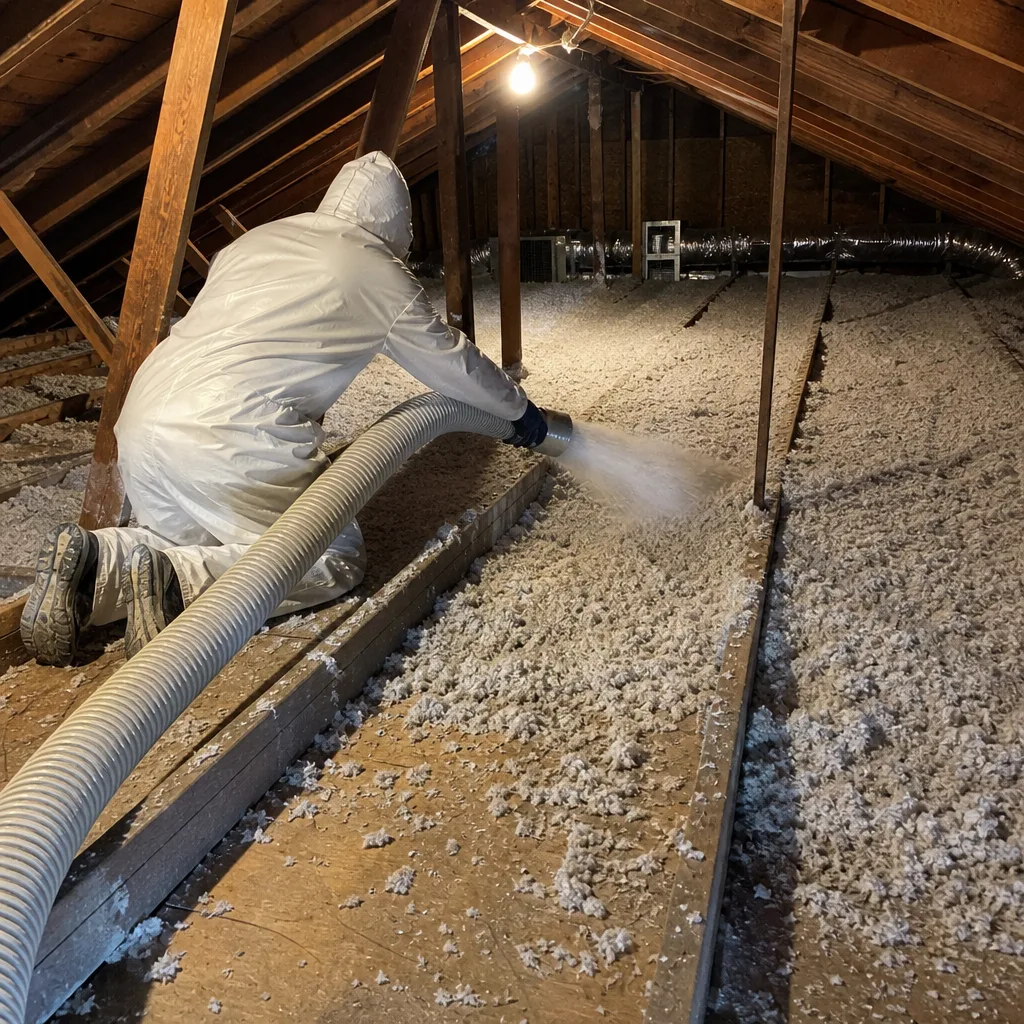
There’s no high-tension danger here like a garage door spring, but there are genuine hazards: West Hollywood’s older homes often have compromised attic flooring, active electrical junctions buried in insulation, and asbestos-containing vermiculite in pre-1980 construction. What you can safely check from the hatch with a flashlight: whether the foil surface is clean and taut, whether you see obvious tears or displacement, and whether your soffit vents are unobstructed. What goes wrong with DIY radiant barrier work: improper air gap spacing, compressing existing insulation, blocking ventilation paths, and stapling through electrical runs. Seal the leaks first. Then insulate. The R-value on the bag assumes you did it in that order. If your attic hasn’t had a blower-door test to locate infiltration paths, you’re likely installing a radiant barrier over a sieve. Call (213) 306-2607 and we’ll walk through what we found in your specific space.
FAQs
The foil membrane itself is rated for 20+ years, but in practice we see effective performance drop after 10-15 years due to dust accumulation, staple corrosion, and displacement from maintenance activity. West Hollywood’s combination of Santa Ana dust events and occasional rodent pressure accelerates the timeline compared to coastal zip codes. Call (213) 306-2607 for an attic inspection - estimates are free.
Patching is possible for isolated tears under 2 square feet using compatible foil tape, but it’s rarely worth the labor cost when the surrounding material is approaching end of effective life. Most West Hollywood homeowners opt for full replacement once multiple failure points appear, since the attic is already disrupted. Call (213) 306-2607 and we’ll show you both options with a written price for each.
A typical West Hollywood home between 1,200 and 1,800 square feet takes one crew day, assuming air sealing is completed first. Larger homes or those requiring insulation repositioning may extend to a second day. We arrive with Owens Corning and Reflectix-compatible materials on the truck, so there’s no supplier delay. Call (213) 306-2607 to check this week’s schedule.
Yes. We carry Owens Corning RB-series foil and Reflectix-compatible suspension hardware, plus the support wire and standoff systems needed for proper air gap installation. If your home has an unusual configuration - low-cleariance attic, finished vaulted ceiling, or active solar thermal piping - we’ll verify material needs during the estimate and order any specialty components with a confirmed delivery date before work starts. Call (213) 306-2607 to arrange a site visit.
Written by Wes Okafor, Owner, Topside Attic Insulation West Hollywood at Topside Attic Insulation West Hollywood, serving West Hollywood and nearby areas.