
Knauf Wall Insulation in West Hollywood: What to Know First
We provide independent Knauf wall insulation service in West Hollywood, typically scheduling diagnostic visits within 24-48 hours and completing most jobs in a single day. Most Knauf wall insulation projects in West Hollywood homes run between $2,800 and $6,400 depending on wall area, cavity condition, and whether we need to open interior drywall or can work through exterior siding. This page is for homeowners who already have Knauf insulation products in their walls and need to add, replace, or troubleshoot them - call (213) 306-2607 for a free estimate with a written price before any work starts.
How Knauf Products Fail - and How We Fix Them
- Knauf Jet Stream Ultra settling in balloon-framed walls. This high-velocity blown fiberglass was designed for open attic floors, not the narrow stud bays common in 1920s-1950s West Hollywood bungalows. Gravity and vibration from Santa Monica Boulevard traffic gradually pack it into the bottom third of the wall, leaving the upper cavities bare. We remove the settled material with a reverse-flow vacuum, then dense-pack with Knauf’s Jet Stream MAX or switch to a stabilized cellulose that resists settling in vertical applications.
- Knauf EcoBatt paper facing degradation in exterior walls. The kraft paper vapor retarder on EcoBatts fails when roof leaks or failed stucco allow moisture into the cavity - a pattern we see repeatedly in West Hollywood’s flat-roofed courtyard buildings. The paper delaminates, the batt compresses, and mold follows. We pull the damaged batts, remediate the cavity, and reinstall unfaced EcoBatts with a continuous interior vapor retarder (polyethylene or smart membrane) so the wall can dry to the inside during our dry summers.
- Knafs Insulation Board (KIB) thermal bridging at stud edges. Rigid KIB boards cut and cobbled into existing walls rarely achieve full contact with the studs, creating convection loops at the edges that show up on infrared as vertical stripes. Our fix: remove the boards, fill the cavity with a friction-fit batt or dense-pack material, then add a continuous layer of KIB on the interior side as a thermal break - not as the primary cavity insulation.
- Knafs Momentum spray foam shrinkage in irregular cavities. Open-cell Momentum can pull away from framing members by 1/4 to 1/2 inch as it cures, especially in the cool, shaded wall cavities of north-facing West Hollywood units. The gaps nullify the advertised R-value. We cut away the separated foam and reapply, or switch to a closed-cell alternative when the cavity depth is limited and every fraction of an inch matters.
- Knauf Ecose binder off-gassing in interior soundproofing applications. The plant-based Ecose binder is low-VOC, but in tightly sealed interior walls without adequate drying time, residual phenol-formaldehyde trace compounds can linger - something occupants with chemical sensitivities notice immediately. For interior Knauf soundproofing jobs, we specify a 72-hour cure verification with a photoionization detector before closing the wall, and we ventilate actively during installation.
Our Knauf Wall Insulation Process
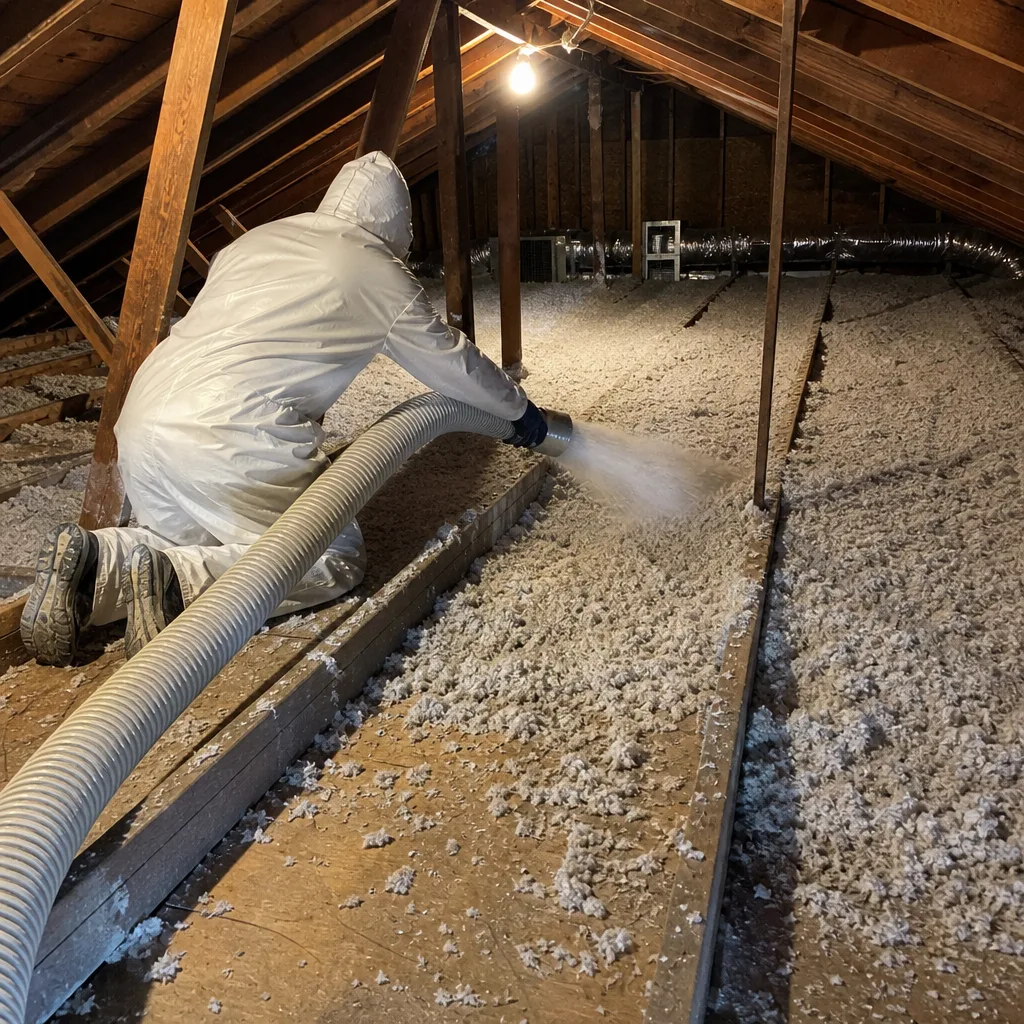
- 1
Diagnostic blower-door and infrared scan. We pressurize the house to 50 pascals (a standard pressure differential that reveals infiltration paths) and run a thermal camera to locate where Knauf insulation has failed, settled, or was never properly installed. You get the before number in writing.
- 2
Cavity inspection through minimal openings. We core a 2-inch inspection hole in an inconspicuous spot - behind baseboard, typically - to verify cavity depth, existing product type, and moisture condition. No exploratory demolition without your written approval.
- 3
Written scope and price. Under Haven Standard Clause 1: flat price, written scope, written warranty before anyone lifts a tool. We specify Knauf OEM material or the quality aftermarket equivalent, with the trade-off explained.
- 4
Air sealing before insulation. Seal the leaks first. Then insulate. The R-value on the bag assumes you did it in that order. We seal top plates, electrical penetrations, and plumbing chases with Knauf-recommended compatible sealants.
- 5
Installation and real-time verification. Dense-pack to 3.5 pounds per cubic foot for cellulose, or friction-fit batts with no compression. We photograph every cavity and run a post-job blower-door test to confirm the air-sealing result.
- 6
Documented Photo Record and 365-Day Done Right Promise. You receive the photo set, the before-and-after blower-door readings, and the written warranty before the crew leaves.
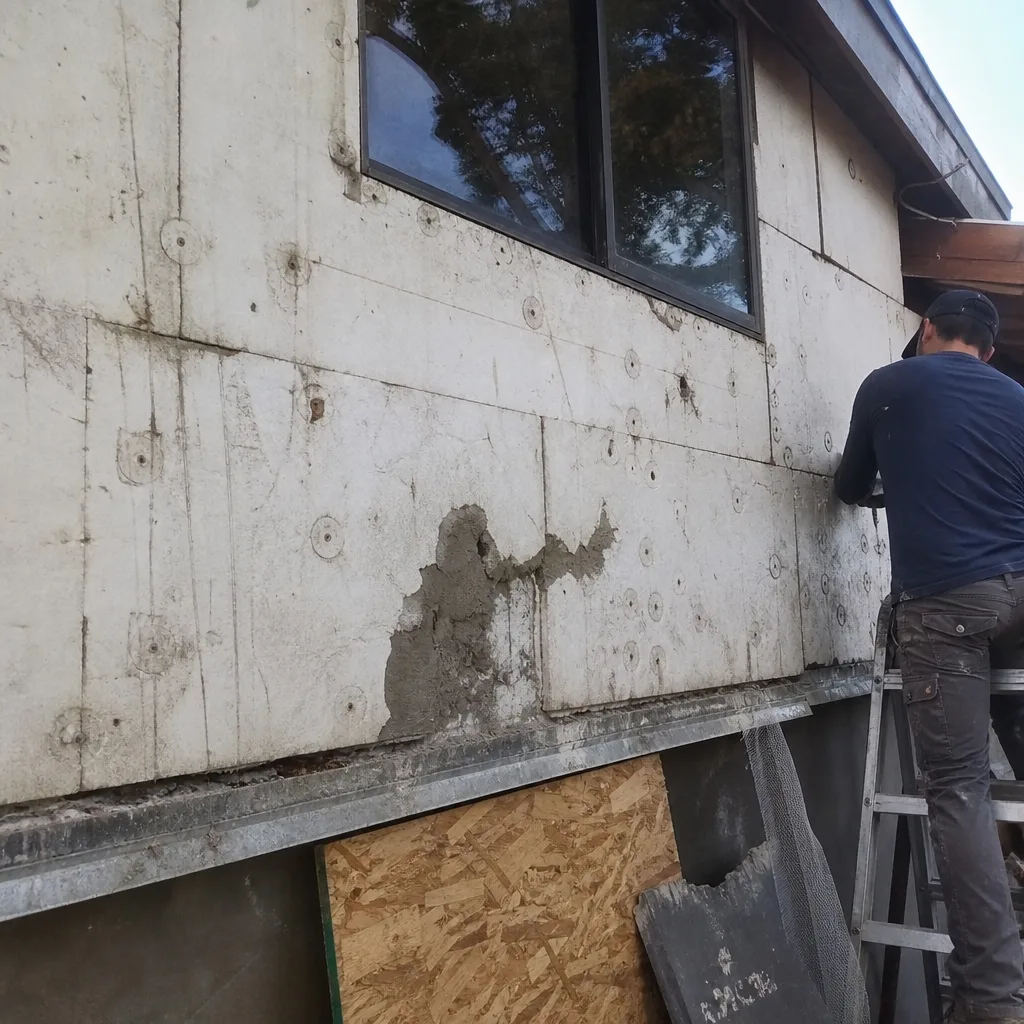 Before
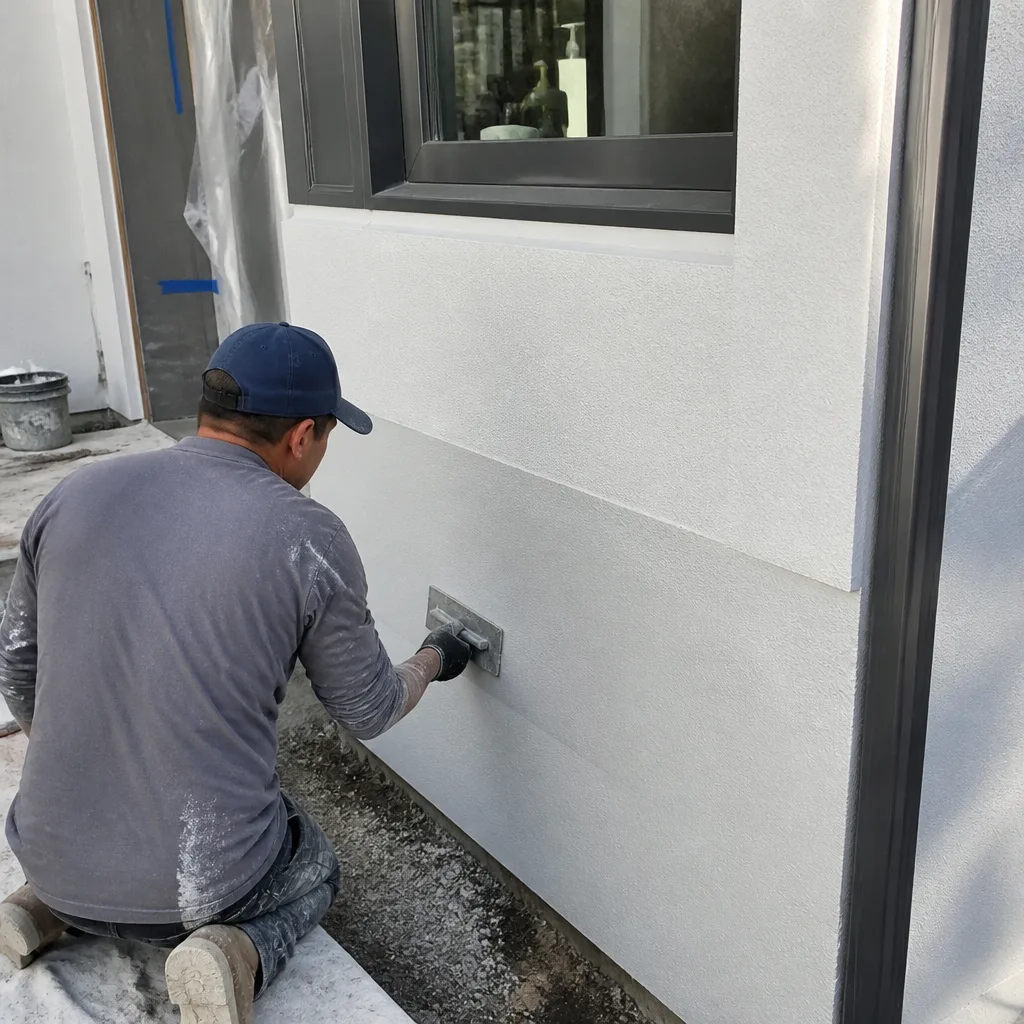 After
AfterWhat Knauf Wall Insulation Costs in West Hollywood
| Scenario | Typical Range | What Moves the Price |
|---|---|---|
| Drill-and-fill exterior walls (1,200 sq ft home) | $2,800 - $4,200 | Siding type (stucco vs. wood lap), cavity obstructions, need for patching |
| Interior open-wall replacement with Knauf batts | $3,600 - $5,800 | Drywall removal/replacement, mold remediation, vapor retarder upgrade |
| Knauf spray foam (Momentum) in limited cavities | $4,800 - $6,400 | Cavity depth, access difficulty, closed-cell vs. open-cell specification |
| Interior soundproofing with Knauf acoustic batts | $3,200 - $5,400 | Wall count, STC rating target, resilient channel installation |
Factors that push any job toward the high end: balloon framing (no fire blocking, requiring dense-pack technique), lathe-and-plaster walls that must be opened from the interior, and homes within the West Hollywood noise corridor where we coordinate work around daytime quiet hours. Call (213) 306-2607 for an exact quote - estimates are free, and we provide a Free Second Opinion on any written estimate you bring us.
Why West Hollywood Homeowners Call Topside Attic Insulation West Hollywood for Knauf Work
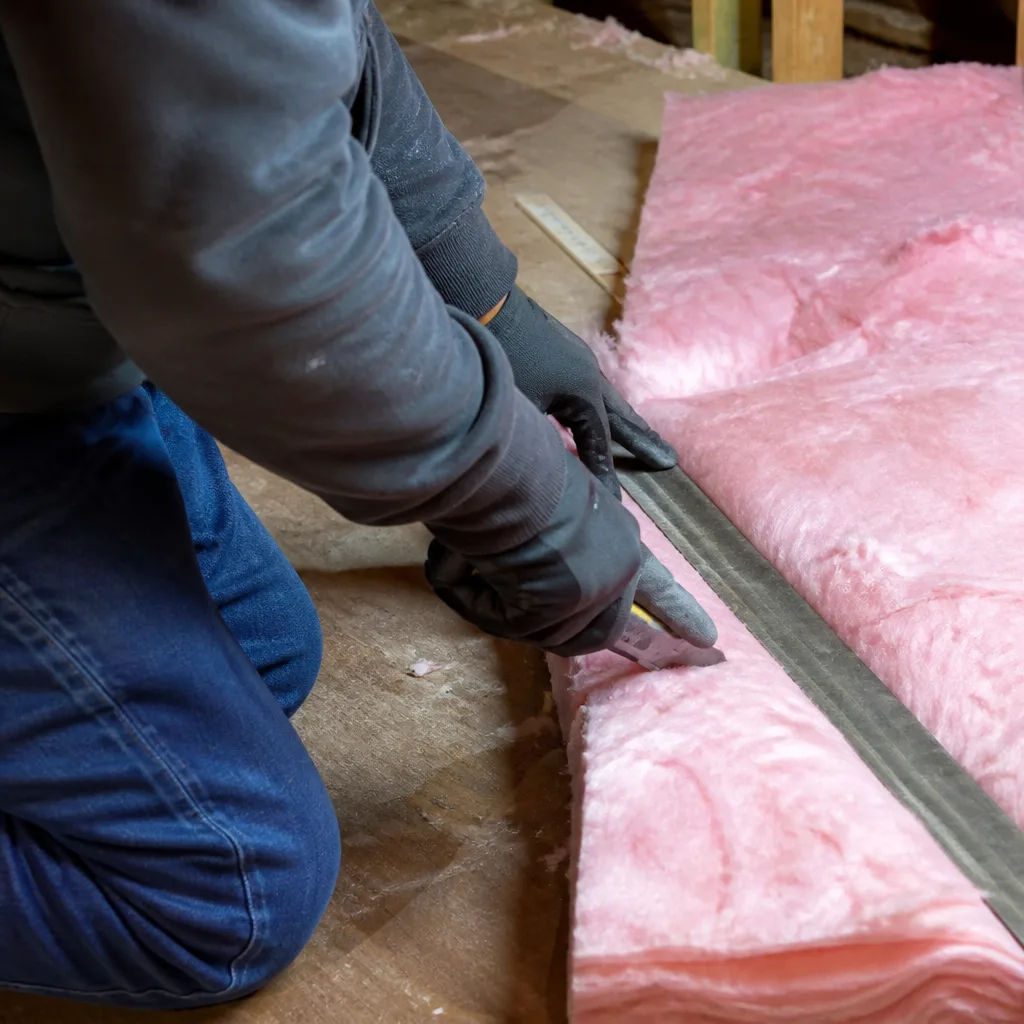
We’ve been inside the wall cavities of more than a few bungalows off Santa Monica Boulevard - the ones with original Knauf batts from the 1980s energy retrofit that have compressed to half their labeled thickness. Wes Okafor and our crew know the difference between a Jet Stream Ultra job gone wrong and an EcoBatt that was never meant for that application in the first place. We’re an independent Knauf service provider, not a factory-authorized dealer, which means we source materials from Owens Corning, Johns Manville, Knauf, Rockwool, CertainTeed, and others - no proprietary lock-in. If Knauf’s the right product for your wall, we use it. If another material solves your problem better, we’ll say so. Every job carries the 365-Day Done Right Promise, and a live person answers (213) 306-2607 around the clock.
FAQs
Knauf’s product warranty covers defects in manufacturing, not installation - so our work doesn’t affect it. As an independent Knauf service provider, we document the product lot numbers and install per manufacturer specifications, which preserves any valid manufacturing claims you might have.
We typically schedule diagnostic visits within 24-48 hours, and most wall insulation jobs are completed in one day once scoped. Call (213) 306-2607 - a live person answers 24/7, and we’ll give you a specific date, not a callback window.
Repair makes sense when the Knauf product is intact but displaced - settled blown fiberglass, for instance, that we can extract and re-dense-pack. Replacement is the right call when the binder has failed, moisture has degraded the facing, or the original product was spec’d for a different application (attic batts crammed into walls). We make the recommendation after the cavity inspection, with photos, and we don’t charge for that diagnostic.
We carry Knauf’s common residential wall products - EcoBatt, Jet Stream MAX, and Momentum - on our trucks for West Hollywood jobs. Specialty items or large commercial quantities may require a two-day pull from the distributor in Vernon, which we coordinate before your scheduled date so work isn’t interrupted.
We can match the product type and approximate the density, but exact color and texture matching of aged Knauf batts isn’t guaranteed - the fiberglass yellows slightly over decades, and binder formulations have changed. For visible access panels or partial walls, we typically recommend completing the full wall plane to avoid a patchwork appearance, and we’ll show you both options in the written scope before you decide.
Written by Wes Okafor, Owner, Topside Attic Insulation West Hollywood at Topside Attic Insulation West Hollywood, serving West Hollywood and nearby areas.