
Knauf Crawl Space Encapsulation: The West Hollywood Owner’s Guide
We stock and install Knauf-compatible crawl space encapsulation systems in West Hollywood, with most complete jobs running $3,800-$7,200 depending on square footage and whether the foundation needs active dehumidification. Same-day assessment is available, and we carry Knauf vapor barrier rolls, seam tape, and conditioning accessories on our trucks. Most West Hollywood homeowners discover their encapsulation has failed when they notice a sharp musty smell returning after months of absence, or when their dehumidifier runs continuously without pulling the relative humidity below 60%.
Which Knauf Models This Applies To
Knauf’s crawl space line centers on the Knauf CleanSpace vapor barrier system and the Knauf MoistureShield reinforced polyethylene series, typically sold in 12-mil, 16-mil, and 20-mil thicknesses. The model designation is printed on the white tape strip running the length of the roll, usually formatted as “KS-12,” “KS-16,” or “KS-20” followed by a two-digit year code. If your existing barrier is torn at the seams or delaminating, check this tape before calling; mismatched mil ratings between original installation and repair patches are a common source of re-failure in West Hollywood’s older bungalow conversions.
We also stock Reflectix radiant barrier products for hybrid encapsulation jobs where the crawl space shares a floor joist bay with conditioned space above. OEM Knauf seam tape uses a butyl-acrylic hybrid adhesive rated for 90-mil application thickness; the aftermarket equivalent we carry matches this spec but costs roughly 30% less per linear foot. For most West Hollywood homes built between 1920 and 1960 with 24-inch on-center joist spacing, the 12-foot roll width minimizes seams and therefore failure points. The 16-mil rating is the practical minimum for our soil conditions; anything thinner tends to puncture on the crushed granite substrate common to this area’s post-war slab foundations.
Signs Your Knauf Crawl Space Encapsulation Is Failing
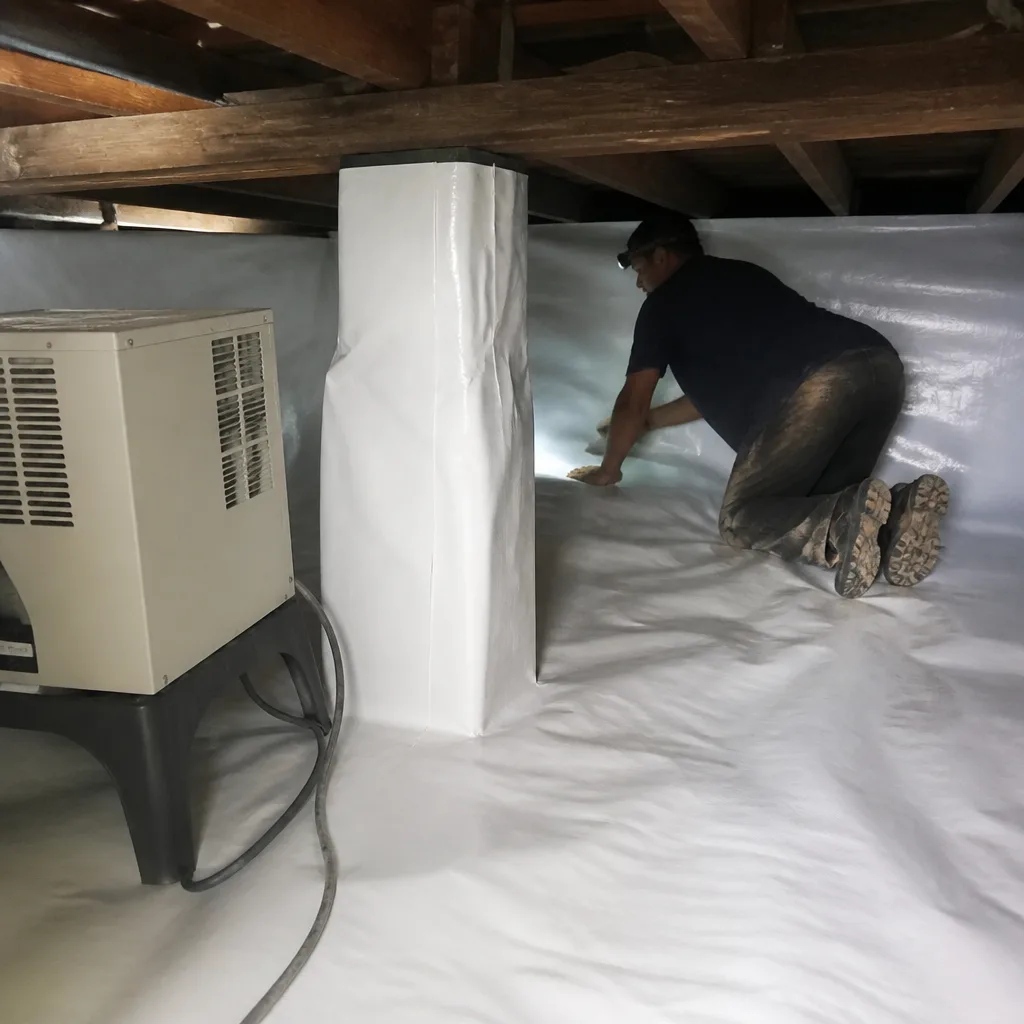
- Musty odor returning to first-floor rooms. This means the vapor barrier has separated at a seam or been punctured, allowing soil gas and moisture to bypass the sealed envelope. In West Hollywood, where many crawl spaces sit above clay-heavy soils that hold moisture for weeks after rain, even a 6-inch gap will saturate the air above 70% relative humidity within 48 hours.
- Dehumidifier running constantly without reaching set point. The unit is working against an unsealed load larger than its capacity. We see this most often in homes where the original installer skipped piers or plumbing penetrations, leaving a chimney effect that defeats the barrier entirely.
- White powder forming on the barrier surface. This is efflorescence, mineral salts left behind as moisture evaporates through micro-perforations in the polyethylene. It indicates the 16-mil or 20-mil layer has chemically degraded from UV exposure, usually because someone left a crawl space light on for months or the access door admits daylight.
- Sagging or pooling on the barrier floor. Water above the membrane means either a plumbing leak from above or, more commonly, that the drainage matting beneath the barrier has compacted and no longer channels water to the sump. Knauf’s system relies on this matting to create a capillary break; without it, you have a swimming pool liner holding water against your foundation.
- Insect or rodent activity increasing. A compromised barrier creates entry points and humidity conditions that attract pests. In the blocks north of Santa Monica Boulevard, where many crawl spaces connect to older sewer laterals, this is often the first visible sign that the encapsulation seal has failed at a penetration point.
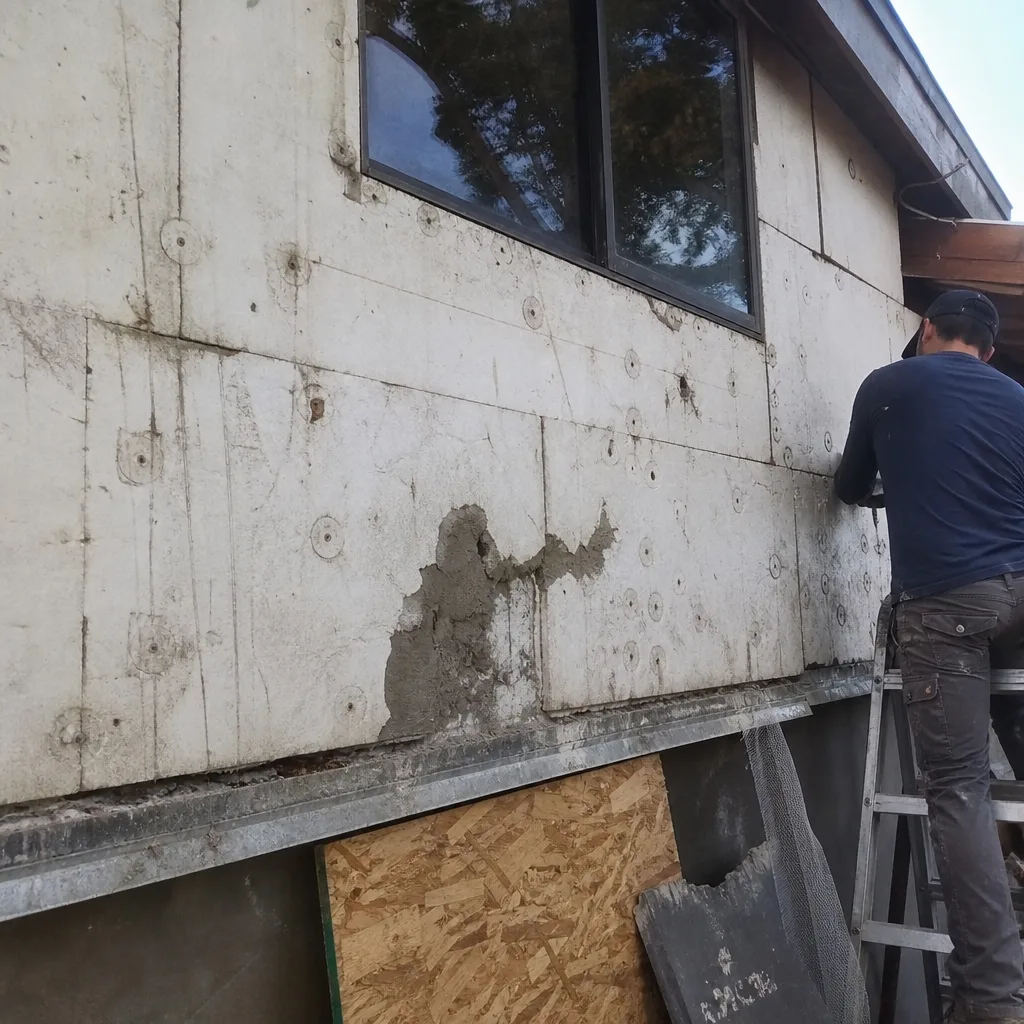 Before
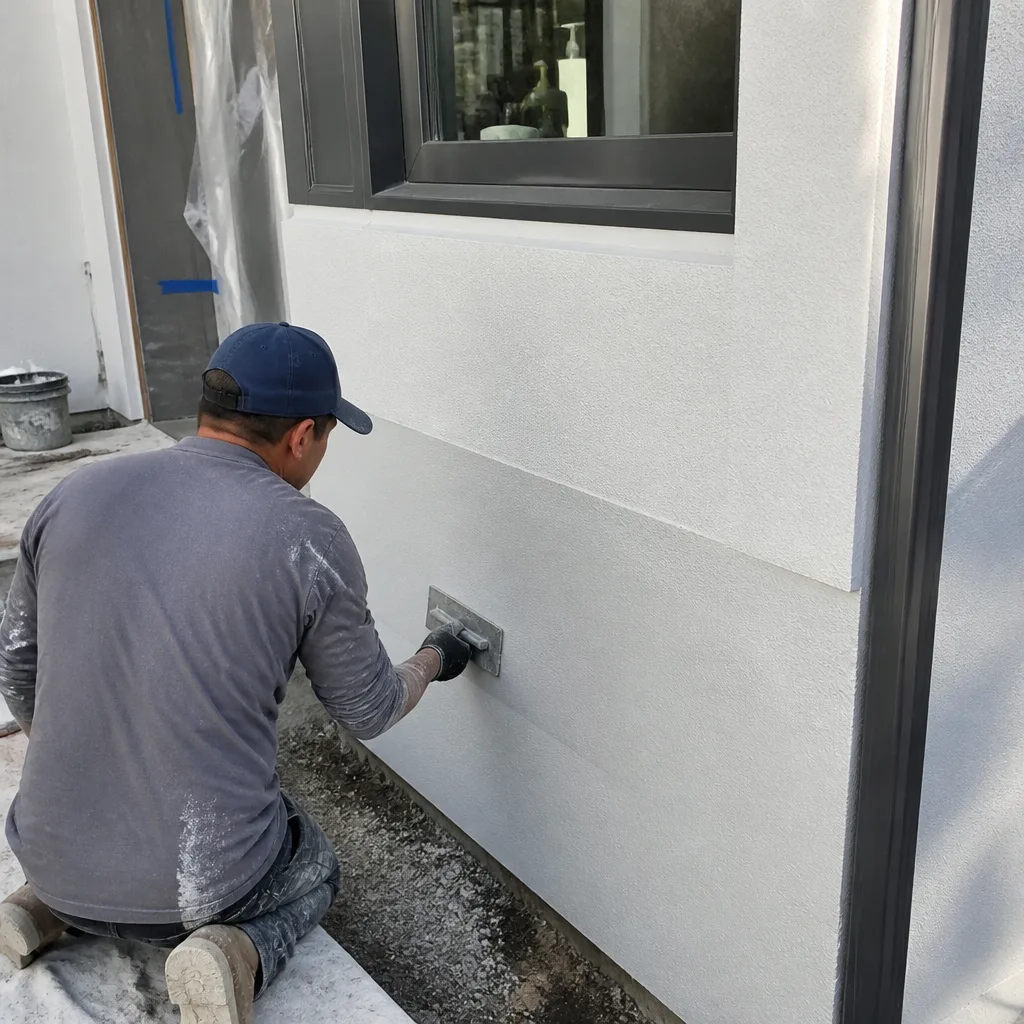 After
AfterReplacement Cost & What’s Included
For a typical West Hollywood crawl space of 800-1,200 square feet, complete Knauf encapsulation replacement runs $3,800-$5,400; spaces requiring dehumidifier upgrade or sump pump addition reach $5,800-$7,200. The lower end assumes intact drainage matting and a single-access layout; the higher end covers multiple piers, HVAC duct penetrations, and the 70-pint dehumidifier we spec for our climate zone.
Every job includes removal of failed material, surface prep, new Knauf or equivalent barrier installation with heat-welded seams, sealant at all penetrations, and a post-installation humidity reading. We deliver a Written Price Before Any Work Starts - Haven Standard Clause 1 - and a Documented Photo Record showing before condition, seam detail, and final readings. The 365-Day Done Right Promise covers labor and materials; manufacturer warranty on the barrier itself runs 25 years against delamination. We publish before-and-after blower-door numbers on every job where the crawl space connects to conditioned space above, so you can verify the air-sealing result in a single figure.
DIY or Call Us?
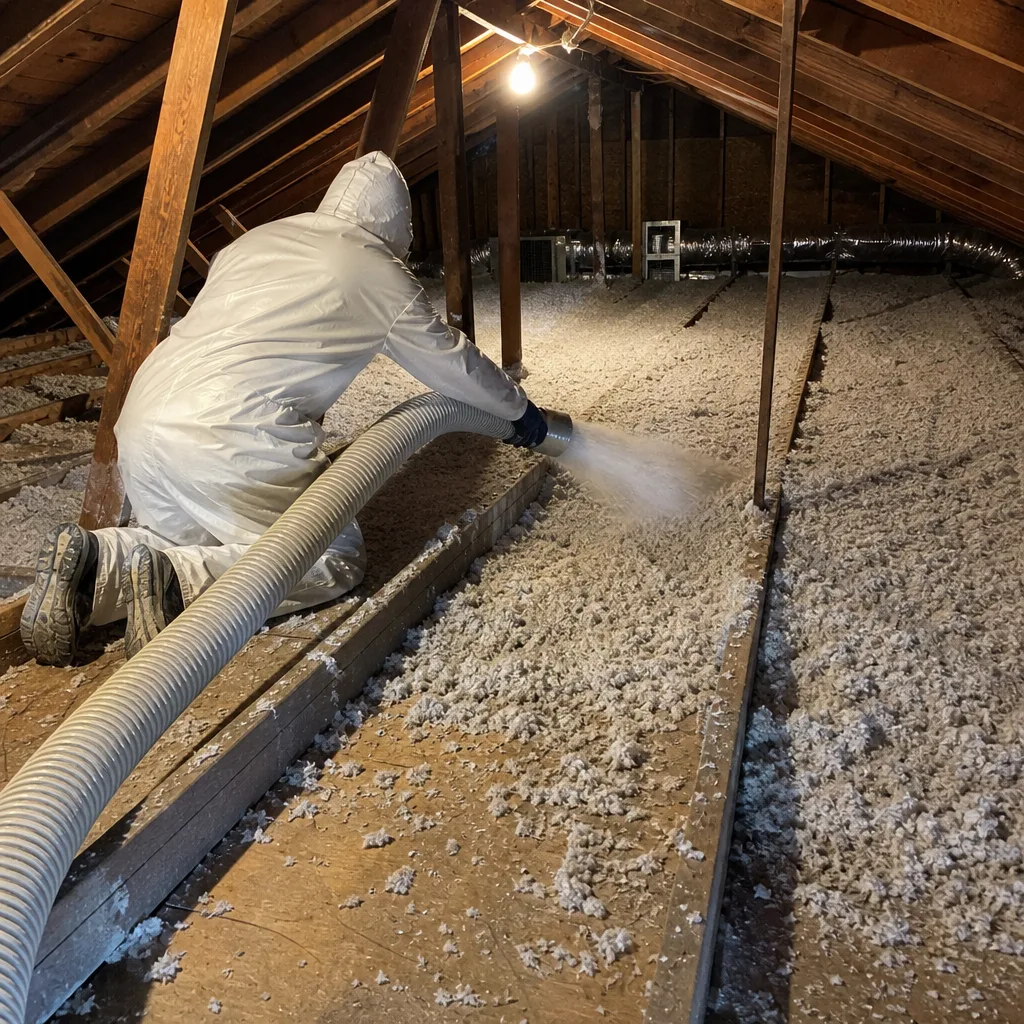
What you can safely check: verify your dehumidifier is set to 55% relative humidity and that the condensate pump or drain line isn’t clogged. Look at the access door for daylight gaps; a $12 rubber gasket fixes more problems than you’d expect. Measure any visible tears and note the mil rating on the existing barrier tape.
Where DIY goes wrong: crawling a confined space with active electrical, plumbing, and potentially compromised structural supports is genuinely hazardous. The vapor barrier itself isn’t dangerous, but the environment is - we’ve found live knob-and-tube wiring, unsupported pier posts, and sewer gas accumulation in West Hollywood crawl spaces that looked benign from the access hatch. Heat-seaming polyethylene to create watertight seams requires a 1,200-watt seam iron and proper overlap technique; tape-only repairs fail within a season in our humidity. Seal the leaks first. Then insulate. The R-value on the bag assumes you did it in that order. For assessment and honest guidance on what’s actually failing, call us at (213) 306-2607.
FAQs
Properly installed Knauf barrier material lasts 20-25 years, but the seam tape and penetration seals typically need attention at 8-12 years in our climate. The combination of seasonal ground moisture and the thermal cycling from Santa Ana events stresses the adhesive interface faster than in cooler, drier regions. Call (213) 306-2607 for a free condition assessment - estimates are free, and we carry replacement tape and sealant on every truck.
Isolated punctures under 4 inches can be patched with matching mil-rated material and proper seam welding; widespread delamination, UV degradation, or multiple seam failures mean full replacement is more cost-effective than chasing individual leaks. We evaluate this on every site visit and will tell you directly which path makes sense. Call (213) 306-2607 for a written price on either option.
Most West Hollywood crawl spaces are completed in one to two working days; larger or pier-heavy foundations may extend to three days. We schedule arrival for 8 a.m., work continuously, and leave the site clean each evening. You’ll receive a Documented Photo Record and, where applicable, before-and-after blower-door readings before we leave. Call (213) 306-2607 to book a specific start date.
Yes - we carry 12-mil, 16-mil, and 20-mil Knauf-compatible barrier rolls, seam tape, drainage matting, and dehumidifier units on our trucks daily. For same-day emergency patching of active leaks, we can usually respond within hours. Full replacements require a site visit for Written Price Before Any Work Starts, per Haven Standard Clause 1. Call (213) 306-2607 to confirm current truck stock.
Written by Wes Okafor, Owner, Topside Attic Insulation West Hollywood at Topside Attic Insulation West Hollywood, serving West Hollywood and nearby areas.