
Johns Manville Radiant Barrier Installation: The West Hollywood Owner’s Guide
We install Johns Manville-compatible radiant barrier systems in West Hollywood homes for $2,800-$4,600 depending on attic square footage and whether the existing barrier is being retrofitted or replaced entirely. Most jobs we book are completed same-day or next-day once the written scope is approved. Homeowners usually figure out something’s wrong when their upstairs rooms won’t cool below 78°F even after sunset, or when they spot sagging, torn, or dust-caked reflective sheeting during a routine HVAC check.
Which Johns Manville Models This Applies To
Johns Manville produces radiant barrier products under the AP Foil-Faced and Polyiso lines, including the AP Foil-Faced Polyiso sheathing boards (R-values from R-6 to R-24 depending on thickness) and the reflective foil-faced batt accessories designed for hot-climate attic retrofits. The critical compatibility gotcha in West Hollywood is this: JM’s foil-faced polyiso is manufactured in 4×8 sheets with specific ASTM C1289 Type II classification, and stacking it against incompatible substrates like standard kraft-faced batts traps moisture at the foil interface. We’ve pulled down installations where a general contractor laminated JM foil board directly over existing fiberglass without a proper air gap, creating a condensation plane that rotted roof sheathing in three Beverly Grove bungalows we serviced in 2023.
Identify your existing JM product by the printed label on the foil face, which includes the ASTM classification, R-value, and lot number. If the label’s worn off, measure thickness precisely: 1-inch boards are R-6, 2-inch are R-12, and the 3-inch commercial-grade runs R-18. For retrofit work, we also stock quality aftermarket equivalents from Reflectix that meet the same emissivity specs (0.03 or lower) when JM lead times stretch out, though we default to OEM when the existing system is under warranty.
Signs Your Johns Manville Radiant Barrier Installation Is Failing
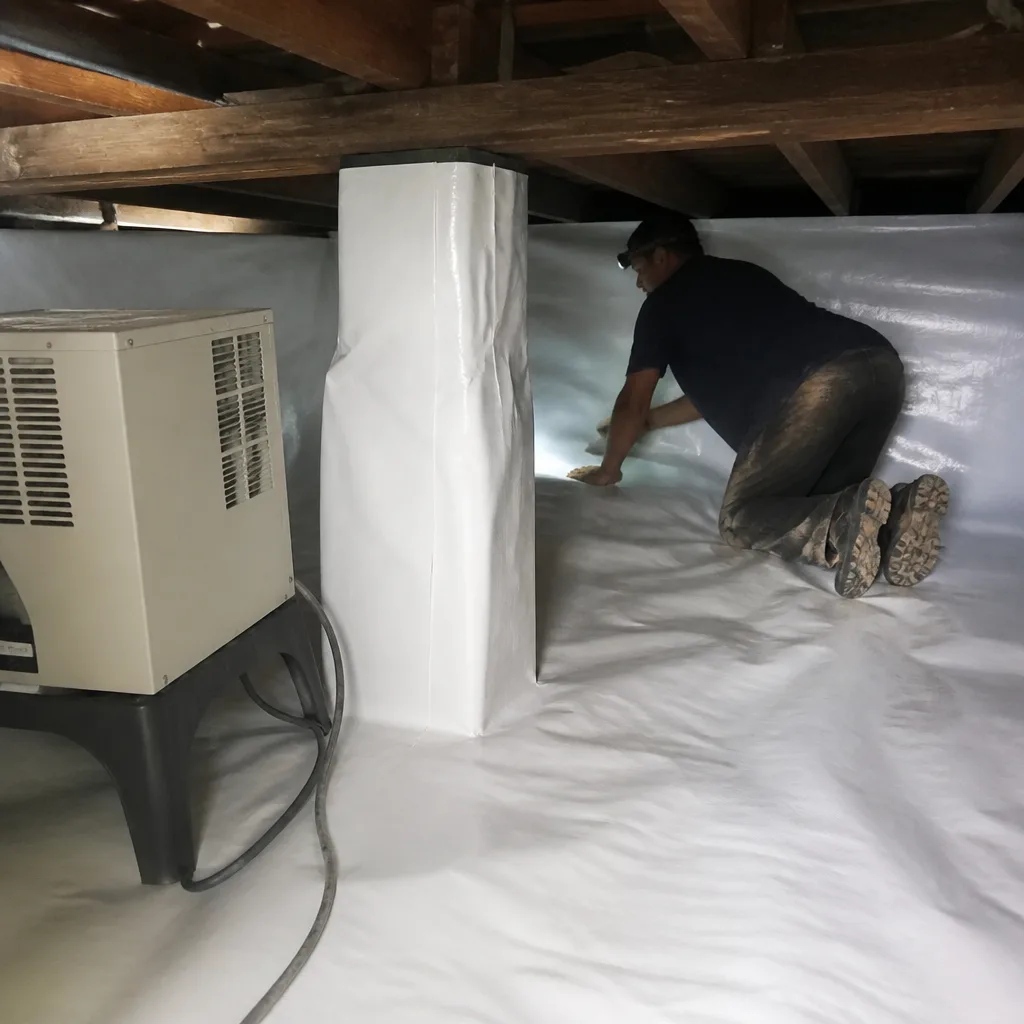
- Upstairs rooms stay hot past 10 p.m. The radiant barrier’s emissivity has degraded, often from dust accumulation or oxidation of the foil surface, so it’s reflecting less solar heat back toward the roof deck and more is radiating into conditioned space.
- Visible sagging or tearing in the attic sheeting. JM foil-faced products rely on mechanical fasteners or adhesive tabs; when these fail, the material drops onto insulation below, eliminating the critical air gap that makes radiant barriers work.
- Water staining on the attic-side of the barrier. This indicates a vapor drive problem, usually from installing the foil face wrong-side-out or blocking soffit ventilation, which is a common error in 1960s West Hollywood ranch homes with original retrofit work.
- HVAC runtime increased 30% or more year-over-year. We compare current blower-door and cooling-load data against baseline; when the radiant barrier fails, the attic radiant heat gain spikes and the condenser can’t cycle off.
- Foil surface reads above 0.05 emissivity on infrared inspection. We check this during every attic evaluation: fresh JM product tests at 0.03 or below. Above 0.05, the reflective performance is shot and replacement outperforms repair.
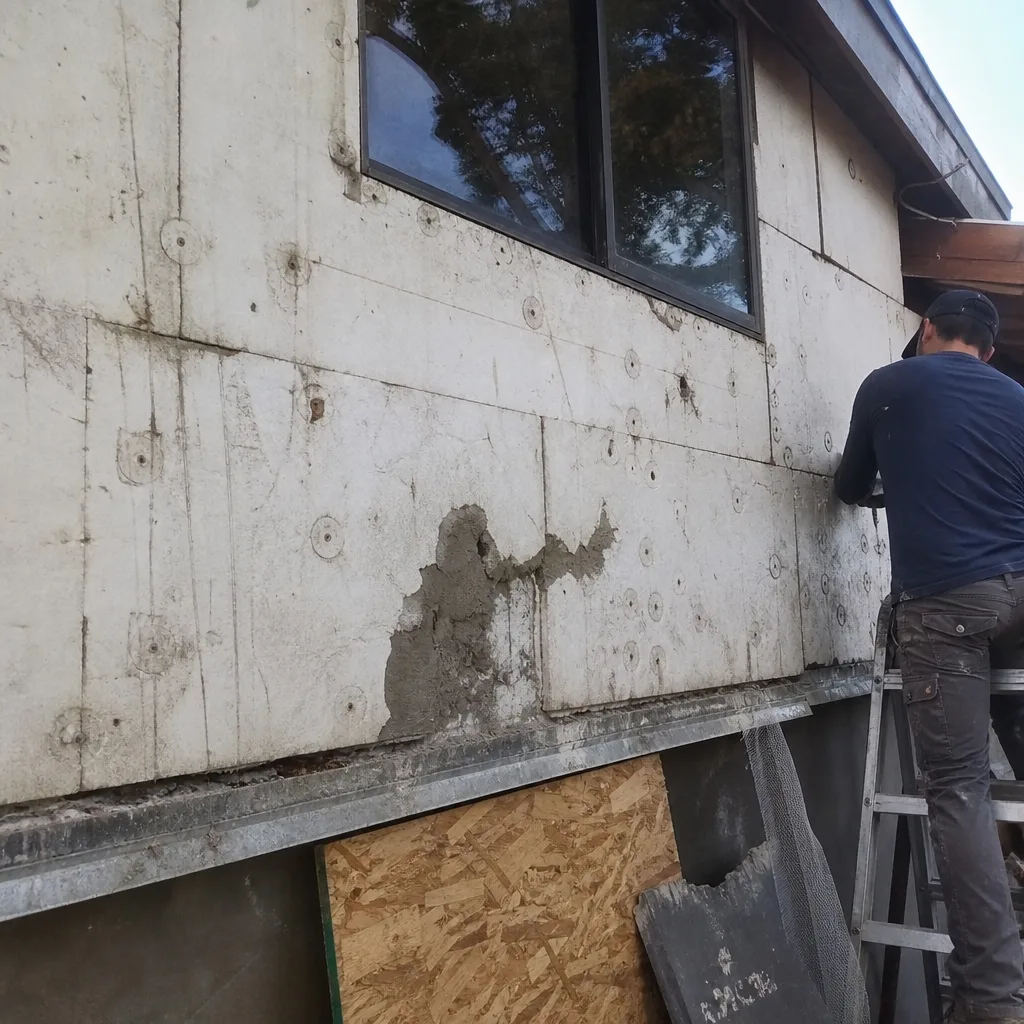 Before
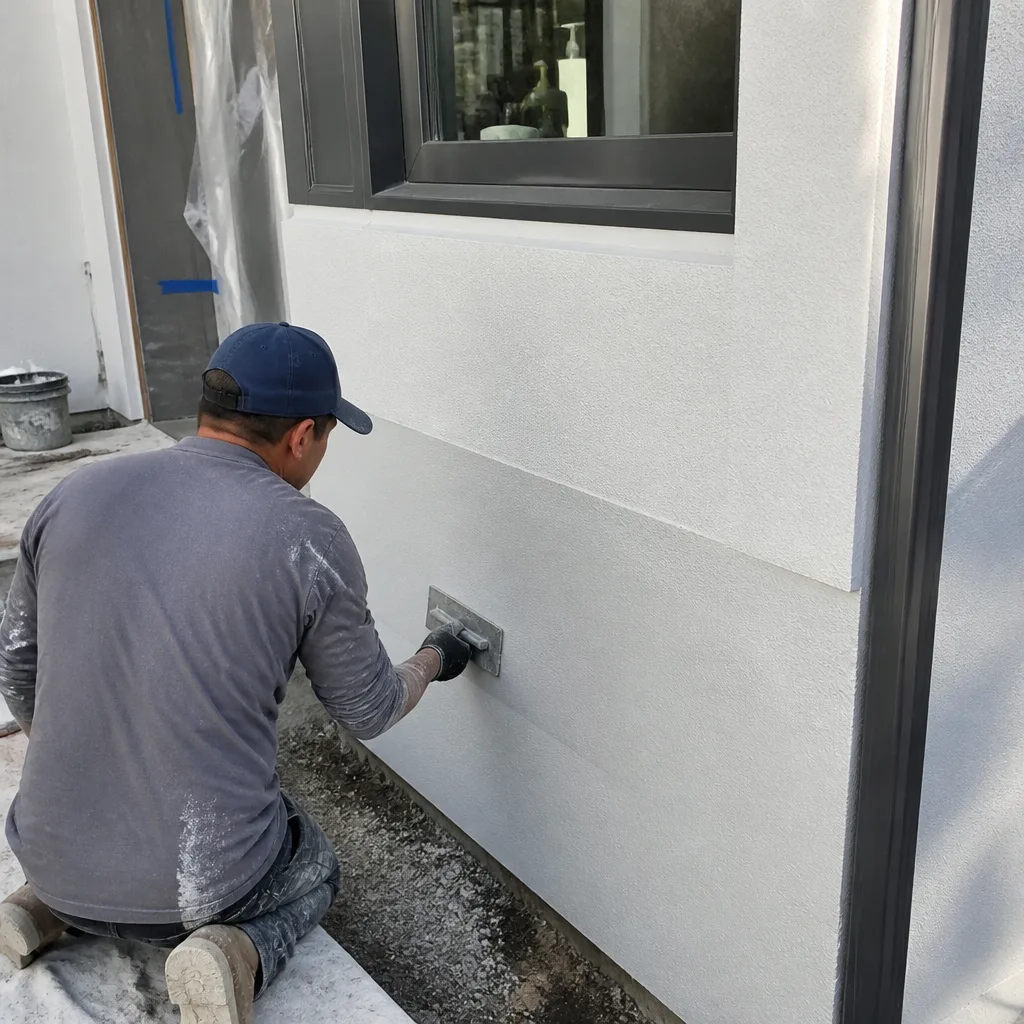 After
AfterReplacement Cost & What’s Included
In West Hollywood, a full Johns Manville radiant barrier replacement runs $2,800-$4,600 for attics between 800 and 2,200 square feet. The lower end covers retrofit over existing insulation with proper air-gap spacers; the upper end includes removal of failed material, remediation of any moisture-damaged decking, and installation of new JM AP Foil-Faced boards with integrated baffles for soffit ventilation.
| Component | Price Range |
|---|---|
| JM AP Foil-Faced board material (per sq ft installed) | $1.80-$2.40 |
| Removal and disposal of failed barrier | $400-$650 |
| Air-sealing top plates and penetrations (pre-install) | $380-$520 |
| Ventilation baffles and soffit extensions | $220-$340 |
| Before-and-after blower-door test with written report | Included |
What drives the range: attic accessibility (cathedral ceilings through West Hollywood’s Spanish Revival homes add labor), whether we need to coordinate with a roofer for deck repair, and if the existing insulation must be removed first. Every job gets our written scope, our 365-Day Done Right Promise, and a Documented Photo Record. We don’t start until you have the flat price in hand.
DIY or Call Us?
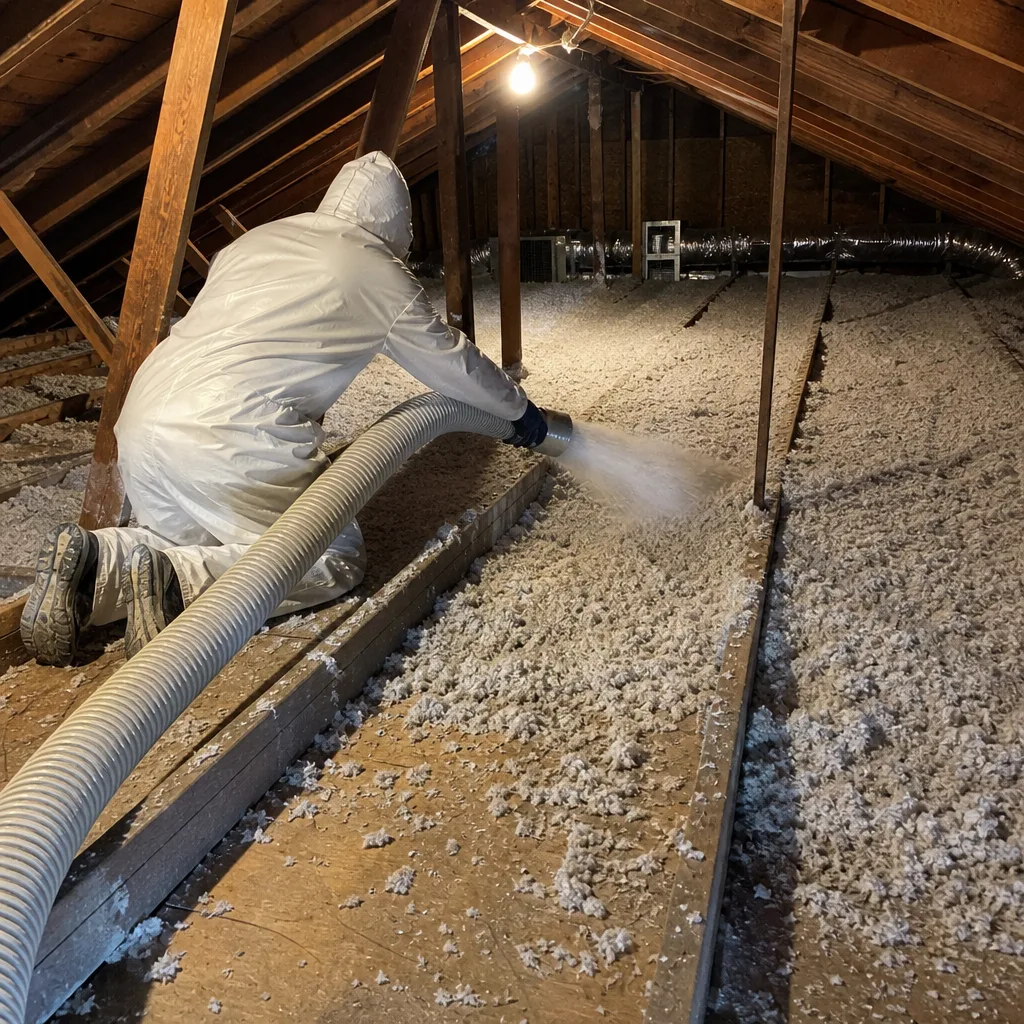
You can safely check what you’ve got: photograph the label, measure the board thickness, and look for sagging or staining from the attic hatch with a flashlight. Don’t walk the joists unless you know what you’re doing; West Hollywood’s 1920s bungalows often have 2×4 ceiling joists spaced 24 inches on center that won’t hold a foot placed wrong.
Where DIY goes wrong is the sequence. Radiant barrier without air sealing first is a waste of the material cost. The conditioned air you’re trying to keep cool is leaking out through top plates, recessed can lights, and plumbing chases at 50 pascals of pressure, and no reflective foil fixes that. We also see homeowners staple JM foil directly to roof decking with no air gap, which turns the barrier into a conductor, not a reflector. For the actual installation, the roof pitch in many West Hollywood neighborhoods hits 8:12 or steeper, and foil-faced board is slick. Call us at (213) 306-2607 and we’ll give you a written price before anyone lifts a tool.
FAQs
In West Hollywood’s climate, a properly installed JM foil-faced barrier lasts 15-25 years before emissivity degradation becomes significant. The coastal humidity west of La Cienega accelerates foil oxidation compared to drier inland valleys, and dust from Santa Monica Boulevard traffic settles on attic vents, coating the reflective surface faster than in canyon locations. Call (213) 306-2607 for an attic inspection and we’ll measure your current emissivity.
Spot repairs work for isolated fastener failures or small tears, but degraded emissivity is a full-surface condition that patching doesn’t fix. We’ve re-stapled sagging sections in a few West Hollywood condos and the thermal imaging still shows heat bleed at the seams. Replacement is the only way to restore the original performance spec. We offer free estimates, so you’ll know the exact cost before deciding.
Most residential attic replacements in West Hollywood take one full day for crews of two, or two days if we’re removing old material and air-sealing before the new JM barrier goes in. We schedule a morning arrival, send a text when the crew is en route, and hand you the blower-door report and photo record before we leave. Same-week scheduling is usually available.
We stock JM AP Foil-Faced boards in 1-inch and 2-inch thicknesses, plus the fastening and ventilation accessories, on every radiant barrier truck in our fleet. For the 3-inch commercial grade or specialized low-emissivity variants, we pull from the JM distribution center in Vernon, typically next-day. We’re an independent service provider, not affiliated with Johns Manville, and we also carry Reflectix equivalents when compatibility or availability requires it.
Seal the leaks first. Then insulate. The R-value on the bag assumes you did it in that order.
Ready to see what your attic is actually doing? Call (213) 306-2607 for a free estimate. We’ll pressurize your house to 50 pascals, show you where the air is moving, and hand you a written price before any work starts. Haven Standard Clause 1: flat price, written scope, written warranty before anyone lifts a tool.
Written by Wes Okafor, Owner, Topside Attic Insulation West Hollywood at Topside Attic Insulation West Hollywood, serving West Hollywood and nearby areas.