
GreenFiber Vapor Barrier Installation: The West Hollywood Owner’s Guide
We stock and install GreenFiber-compatible vapor barrier systems in West Hollywood, with most residential jobs running $1,800 to $3,400 depending on crawl space or attic footprint and whether the existing barrier needs full removal. Same-day installation is available when we have your dimensions and photos by 10 a.m. Homeowners usually discover the problem when a musty smell won’t leave the first floor, or when they pull back insulation in a Beverly Grove crawl space and find black spots on the polyethylene - the barrier failed years ago, but the conditioned air above it masked the damage until the humidity broke through.
Which GreenFiber Models This Applies To
GreenFiber doesn’t manufacture standalone vapor barrier membranes; their systems rely on compatible polyethylene sheeting installed beneath or alongside their cellulose insulation products, particularly the Sanctuary line blown into floor assemblies and the Low Dust formulation used in retrofit attic work across West Hollywood’s 1920s-1950s housing stock. The critical match is mil thickness to assembly type: 6-mil minimum for crawl space ground cover per California Energy Code, 10-mil for high-traffic access areas, and reinforced woven polyethylene where rodent activity is documented.
Identification starts with what’s in place now. Look for stamped markings on the existing sheeting - “ASTM E1745 Class A” for underslab or “ASTM E154” for general vapor retarder use. GreenFiber’s own installation guidelines specify overlapping seams by 12 inches and sealing with pressure-sensitive tape rated for polyethylene; we find the failure point is almost always the seam, not the sheet. OEM-spec barrier runs 0.15 perms or lower - the perm rating measures how much water vapor passes through. Aftermarket equivalents from Stego or Crawlspace Depot meet the same spec at lower cost, but the tape system must match: butyl rubber adhesive outperforms acrylic in West Hollywood’s clay-heavy soil conditions, where ground moisture stays elevated through May.
One compatibility gotcha we see regularly: GreenFiber cellulose installed in 2016-2019 in the Norma Triangle area was often paired with 4-mil builder-grade poly that degrades in 7-10 years under crawl space UV exposure. The current Energy Code calls for 6-mil minimum, so a direct swap to “like for like” leaves you below standard. We flag this during our Free Second Opinion walkthrough.
Signs Your GreenFiber Vapor Barrier Installation Is Failing
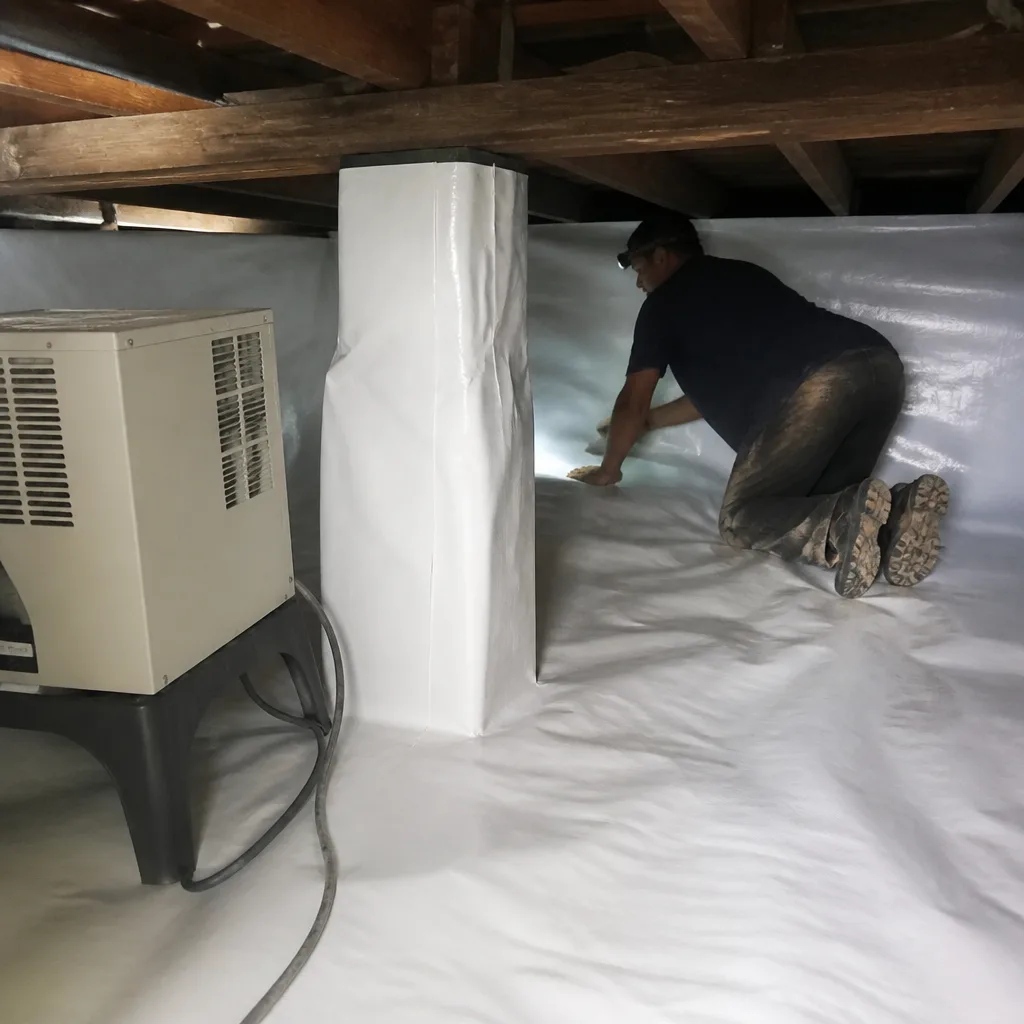
- Musty odors that intensify after rain. When the polyethylene tears at seams or punctures, soil gas and moisture rise directly into the floor assembly. In West Hollywood’s older duplexes near Melrose, we find the smell concentrates in bathrooms because the plumbing chase acts as a chimney for damp air.
- Condensation on ductwork in the crawl space. A functioning vapor barrier keeps relative humidity below 70% at the ground surface. Once it fails, summer dew point hits the cold metal first - you’ll see rust on galvanized ducts before you notice the poly degradation.
- Wood flooring cupping or buckling above the crawl space. Moisture migration through a compromised barrier raises the equilibrium moisture content of subflooring. Oak and maple react fastest; we’ve replaced barriers in Spanish Colonial Revival homes near Harper Avenue where the original 1923 oak showed 16% moisture content, double the stable range.
- Increased pest activity. Termites and silverfish follow moisture gradients. A dry crawl space is inhospitable; a wet one draws them in. The barrier failure is usually preceded by rodent damage - they burrow under edges, and the torn poly flaps in the air current, accelerating the tear.
- Insulation sagging or dropping from floor joists. GreenFiber cellulose absorbs airborne moisture when the vapor barrier below it fails, gaining weight and pulling free of friction-fit or wire-supported installs. The insulation isn’t the problem; it’s doing exactly what unprotected cellulose does.
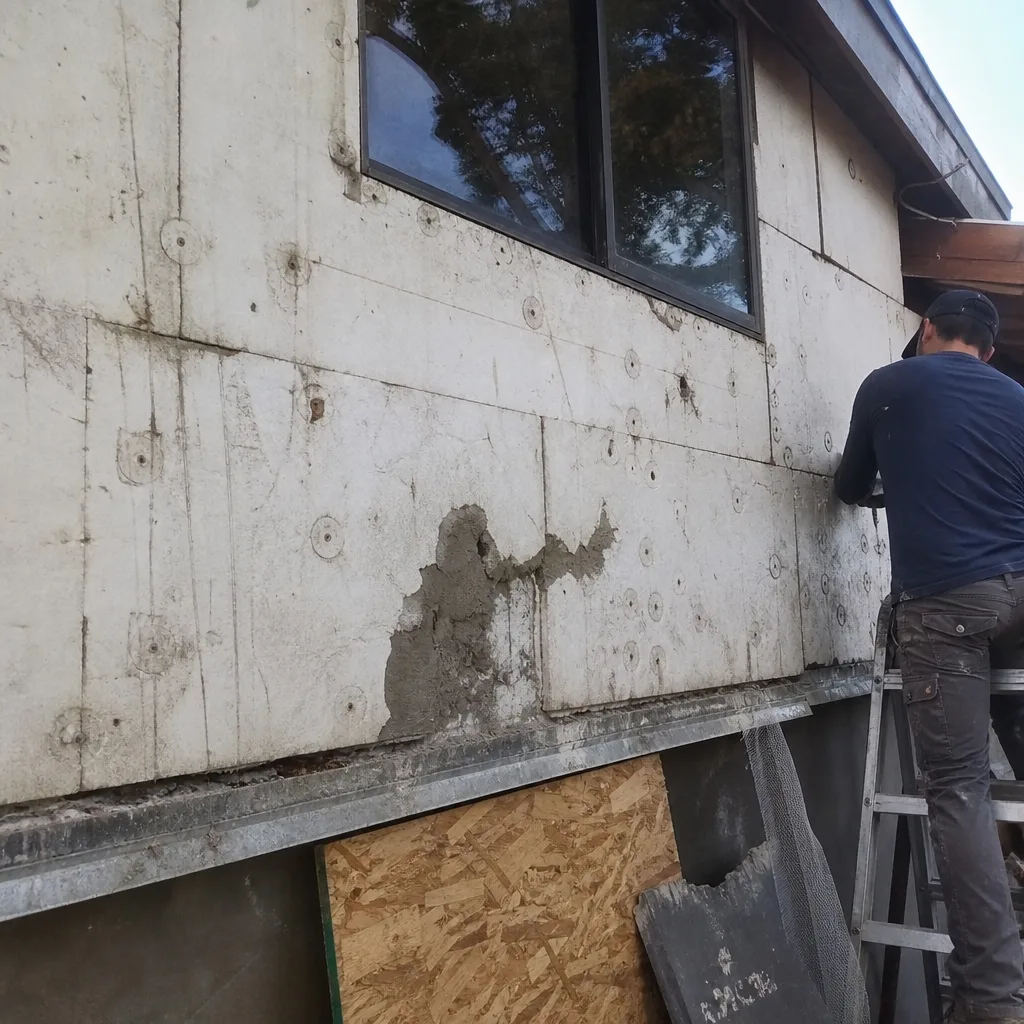 Before
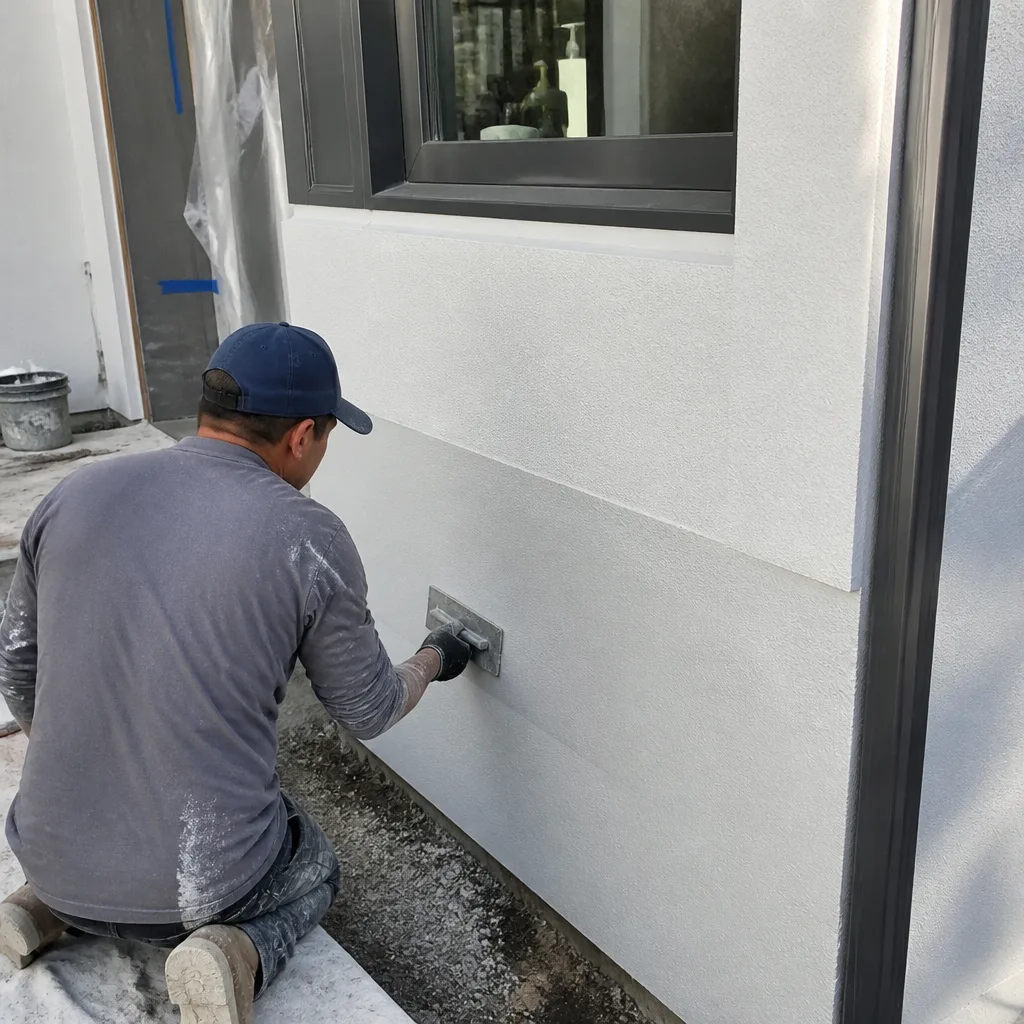 After
AfterReplacement Cost & What’s Included
Most full vapor barrier replacements in West Hollywood run $1,800 to $3,400 for crawl spaces under 1,200 square feet, and $2,800 to $4,800 for larger footprints or attic-grade installations with mechanical fastening. The range depends on three factors: whether we remove the failed barrier (adds $400-$700 for disposal and surface prep), whether the soil needs grading or drainage correction first, and whether we’re also air-sealing rim joists and penetrations before the new poly goes down.
Our price includes 10-mil reinforced polyethylene with taped seams, mechanical fastening at perimeter walls, and a post-installation photo record showing overlap details and sealed penetrations. Under Haven Standard Clause 1, you get the written price before any work starts - no surprises, no “while we were down there” add-ons. The 365-Day Done Right Promise covers seam separation, fastener pull-out, or material defect. We also stock Reflectix radiant barrier products for homeowners combining vapor control with thermal reflectivity in unvented attic assemblies.
Before-and-after moisture readings with a calibrated thermohygrometer are included; you’ll get the documentation showing pre-install relative humidity and post-install stabilization, typically a 25-40 point drop within 72 hours.
DIY or Call Us?
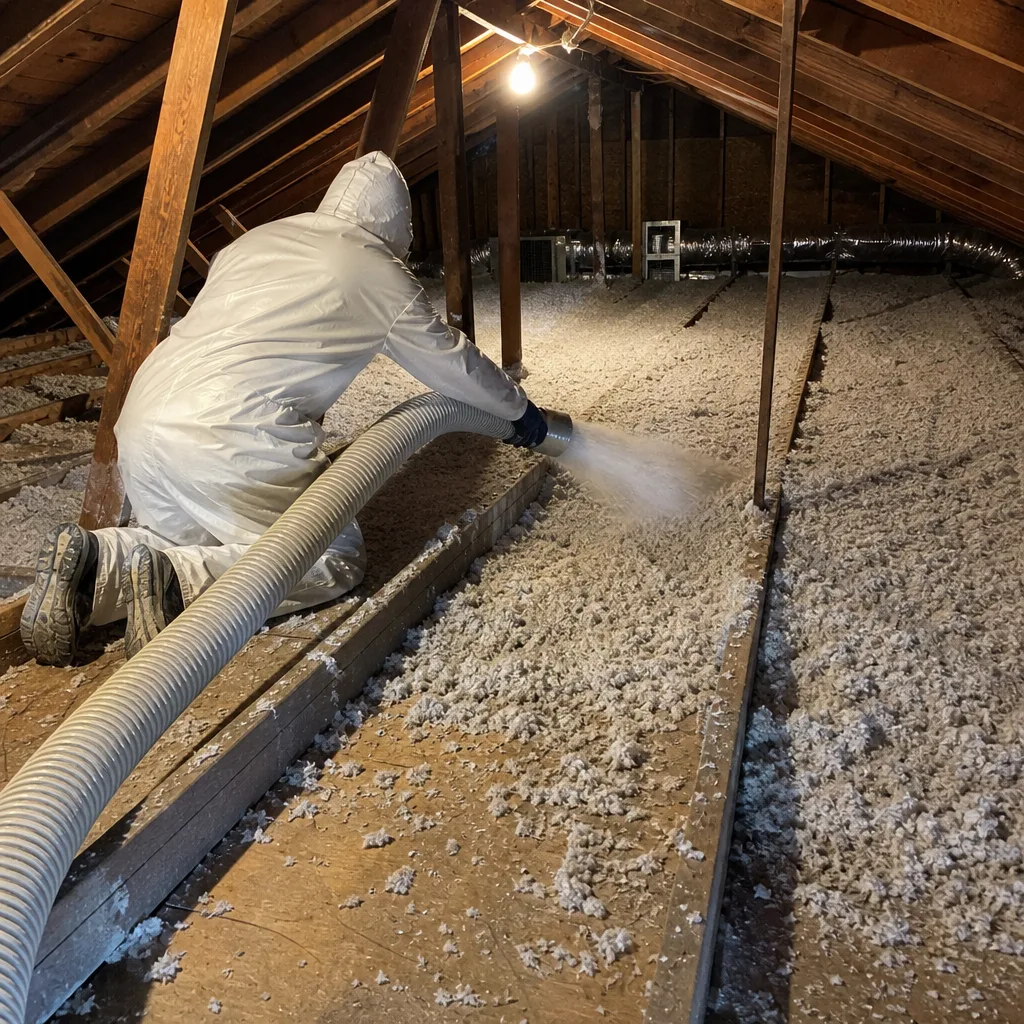
What you can safely check: measure your crawl space or attic footprint, photograph the existing barrier’s markings and any damage points, and verify whether your HVAC ducts run through the space - this determines whether we need to coordinate with an HVAC technician for temporary relocation.
Where DIY goes wrong: polyethylene vapor barrier installation looks simple until you’re working in a 24-inch crawl space with clay soil, active spider colonies, and a 6-mil sheet that wrinkles and tears under its own weight. The critical failure we see in West Hollywood DIY jobs is inadequate seam overlap - 6 inches instead of 12, taped with hardware-store duct tape that delaminates in 18 months. Worse, some homeowners staple poly to sill plates without sealing the fastener penetrations, creating new infiltration paths. The California Energy Code requires specific fastening patterns; we keep a marked copy on the truck.
There’s no high-tension danger in vapor barrier work, but confined-space entry, soil gas exposure, and proper respiratory protection are real considerations. If you’re crawling under your own house, you’re also disturbing decades of accumulated debris and possible rodent harborage.
Call (213) 306-2607 for a Free Second Opinion on any written estimate you’ve received - we’ll read it with you and flag what’s actually included.
FAQs
Properly installed 10-mil reinforced polyethylene lasts 15-20 years in West Hollywood’s climate, though the 4-mil builder-grade poly found in many 2015-2019 installations degrades in 7-10 years due to UV exposure through foundation vents and oxidation from clay-soil contact. Call (213) 306-2607 for an exact quote on replacement - estimates are free.
Patching works for isolated punctures smaller than a quarter using compatible polyethylene tape, but seam failures, widespread embrittlement, or rodent damage mean full replacement - patched areas create stress risers that tear adjacent material within two to three years. Call (213) 306-2607 for an exact quote - estimates are free.
Most residential crawl spaces in West Hollywood take one day for a two-person crew; larger footprints or jobs requiring soil grading extend to a second day. You’ll receive a text when the crew is en route and a Documented Photo Record within 24 hours of completion. Call (213) 306-2607 to schedule - estimates are free.
We stock 10-mil reinforced polyethylene, compatible seam tape, and mechanical fasteners for same-day installation on standard footprints; custom sizes or specialty assemblies require a one-day order. Same-day availability is confirmed when you send dimensions and photos by 10 a.m. Call (213) 306-2607 to verify stock for your job - estimates are free.
Seal the leaks first. Then insulate. The R-value on the bag assumes you did it in that order.
Topside Attic Insulation West Hollywood is an independent service provider with no affiliation with GreenFiber. We source materials from Owens Corning, Johns Manville, Knauf, Rockwool, CertainTeed, Icynene, Demilec, and GreenFiber - no proprietary product lock-in.
Written by Wes Okafor, Owner, Topside Attic Insulation West Hollywood at Topside Attic Insulation West Hollywood, serving West Hollywood and nearby areas.