
Demilec Crawl Space Encapsulation: The West Hollywood Owner’s Guide
Demilec crawl space encapsulation systems in West Hollywood typically run $4,200-$7,800 installed for a standard 1,200-square-foot crawl space, and we stock the full Demilec-compatible vapor barrier, seam tape, and drainage matting line for same-day starts on most jobs. Most West Hollywood homeowners realize their encapsulation is compromised when musty odors return to the first floor after a dry winter, or when they spot condensation beading on the barrier surface during Santa Ana season. We see this pattern regularly in the bungalows and courtyard buildings off Santa Monica Boulevard and Melrose, where original dirt-floored crawl spaces were encapsulated years ago with Demilec materials that have since degraded at seam joints or drainage points.
Which Demilec Models This Applies To
Demilec does not sell crawl space encapsulation as a named “system” with model numbers like a garage door opener. Instead, the brand supplies the component materials: closed-cell spray foam (Heatlok HFO Pro, Heatlok XT), vapor barrier film, and companion tapes and adhesives. To identify what you have, look for the Demilec lot label on the foam drum or the printed edge tape on the vapor barrier, which will show a manufacturing date and product code. The critical compatibility issue in West Hollywood is foam thickness: Heatlok HFO Pro is typically applied at 2-3 inches for crawl space walls in our climate zone (CEC Climate Zone 6), but retrofit jobs sometimes used 1 inch, which falls below current Title 24 requirements and delaminates faster in our clay-heavy soils.
We carry both OEM Demilec materials and compatible aftermarket equivalents from Icynene and Johns Manville. For vapor barriers, we stock 12-mil and 20-mil reinforced polyethylene that matches Demilec’s spec; for foam, we use Heatlok HFO Pro when the existing substrate demands it, or equivalent closed-cell with matching R-value and permeance ratings. The aftermarket decision usually comes down to availability: Demilec drums have a 90-day shelf life once opened, and we don’t keep partial drums on the truck, so a full re-foam with matching chemistry isn’t always practical for a patch repair.
Signs Your Demilec Crawl Space Encapsulation Is Failing
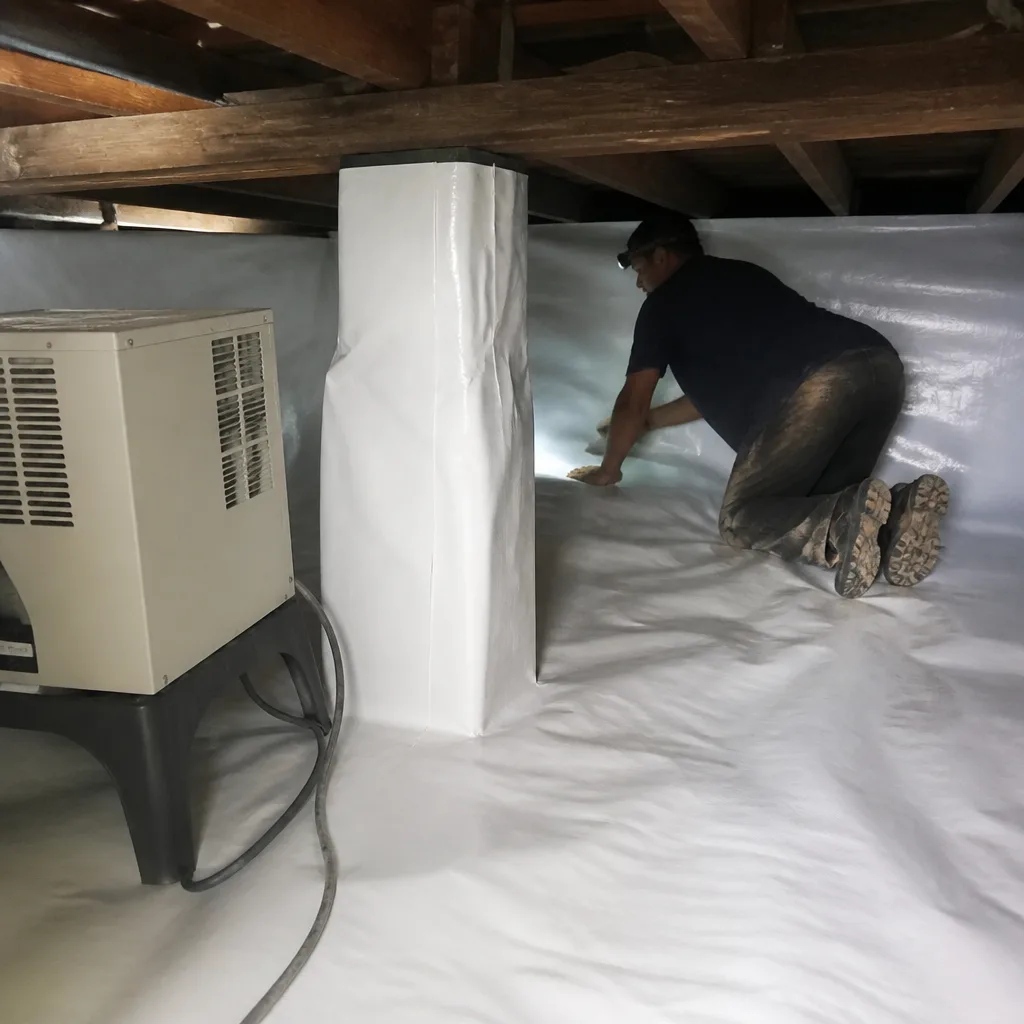
- Musty odors returning to living spaces. The vapor barrier has torn at seams or the perimeter seal has pulled away from the foundation wall, allowing soil gas and moisture to bypass the encapsulation. In West Hollywood’s older buildings with perimeter foundation vents, we often find the original sealant bead failed where stucco meets concrete.
- Condensation on the barrier surface. This means the dew point is being reached inside the crawl space, usually because the closed-cell foam on the walls has shrunk or cracked, reducing its thermal boundary function. Our summers don’t help: a 95-degree day with low humidity still drives ground moisture upward through compromised foam.
- Sagging or pooling on the barrier floor. The drainage matting beneath the vapor barrier has clogged with sediment, or the original installation omitted it entirely. We pulled up a barrier in a Norma Triangle duplex last year and found standing water on bare dirt; the homeowner had been told it was “encapsulated.”
- Visible mold on wood framing or the barrier itself. Once organic growth establishes on the polyethylene, the barrier is compromised and must be replaced; cleaning does not restore the vapor-tight seal. This is common where the original installer used 6-mil instead of 12-mil or thicker barrier.
- Rising energy bills with no other explanation. Failed crawl space encapsulation effectively returns the floor to an unconditioned state, forcing your HVAC to compensate. We verify this with a blower-door test - pressurizing the house to 50 pascals to locate the infiltration path - before quoting any repair.
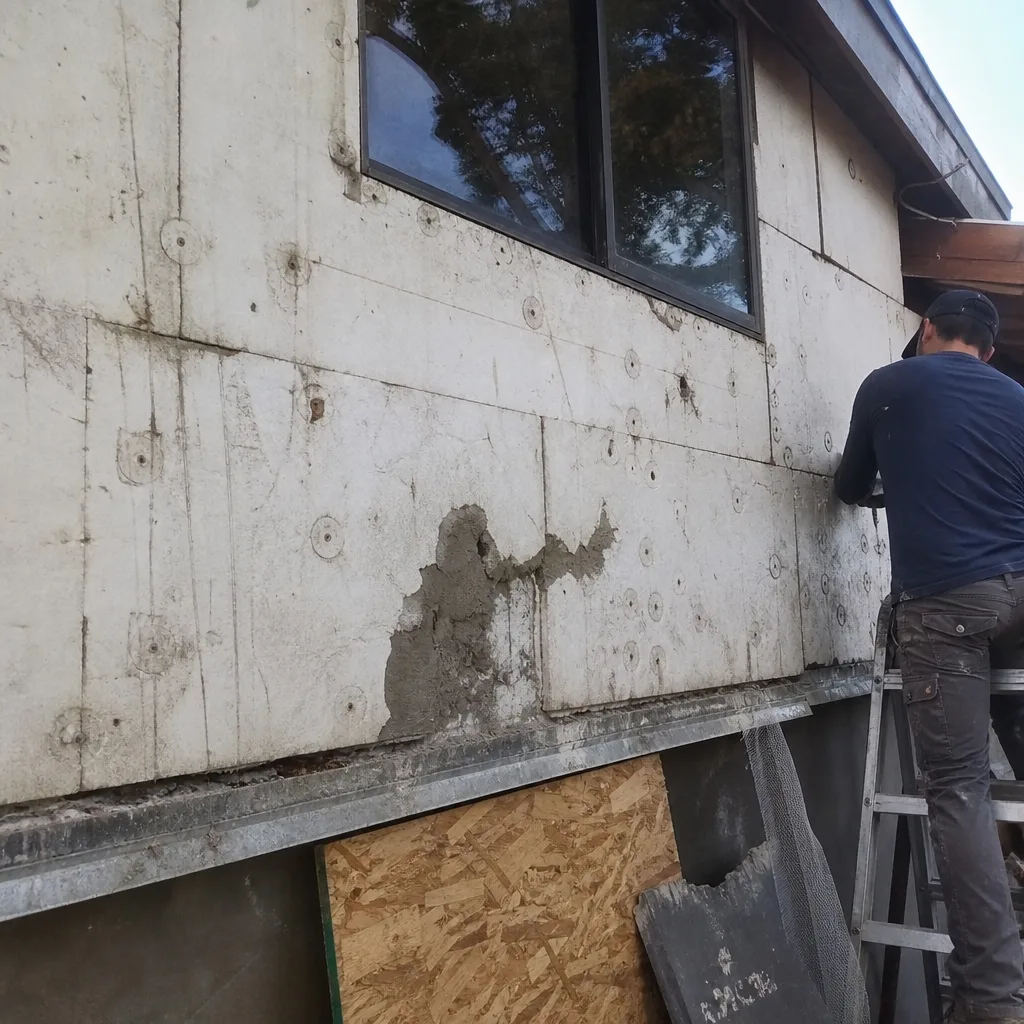 Before
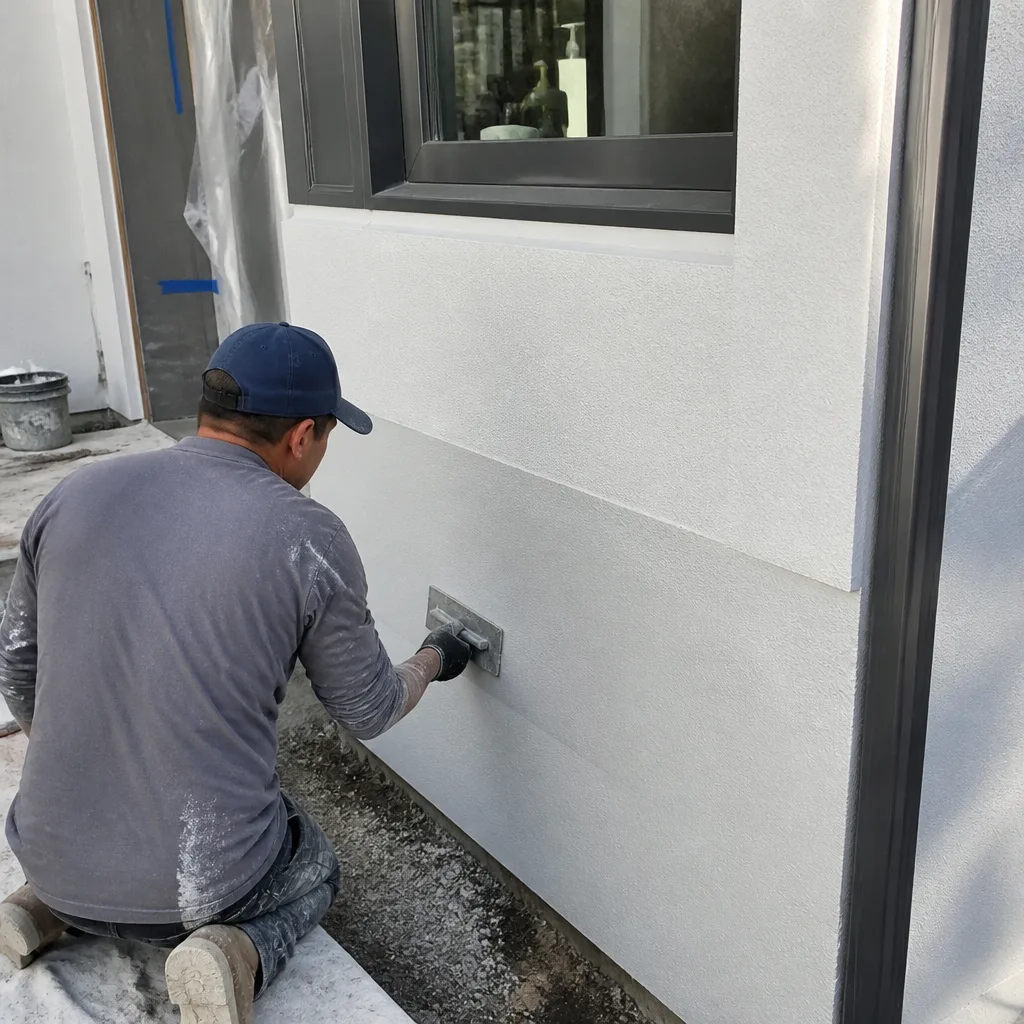 After
AfterReplacement Cost & What’s Included
Most Demilec crawl space encapsulation repairs or full replacements in West Hollywood fall between $4,200 and $7,800 for a 1,200-square-foot crawl space. Here’s how that breaks down:
| Component | Price Range |
|---|---|
| 12-mil reinforced vapor barrier (full floor) | $1,800 - $2,800 |
| 20-mil reinforced vapor barrier (heavy-duty / rodent-prone areas) | $2,400 - $3,600 |
| Closed-cell spray foam, 2-3″ walls (Demilec Heatlok HFO Pro or equivalent) | $2,200 - $3,800 |
| Drainage matting and sump pump (if needed) | $800 - $1,400 |
| Labor, seam taping, perimeter sealing, cleanup | $1,600 - $2,800 |
What drives the range: crawl space height (anything under 18 inches requires different equipment), existing debris removal, whether the original foam needs full removal or can be patched, and foundation wall condition. We provide a written price before any work starts - Haven Standard Clause 1 - and that price includes the Documented Photo Record you’ll receive at completion. Our 365-Day Done Right Promise covers all encapsulation work; if a seam fails or a seal pulls, we return and fix it.
DIY or Call Us?
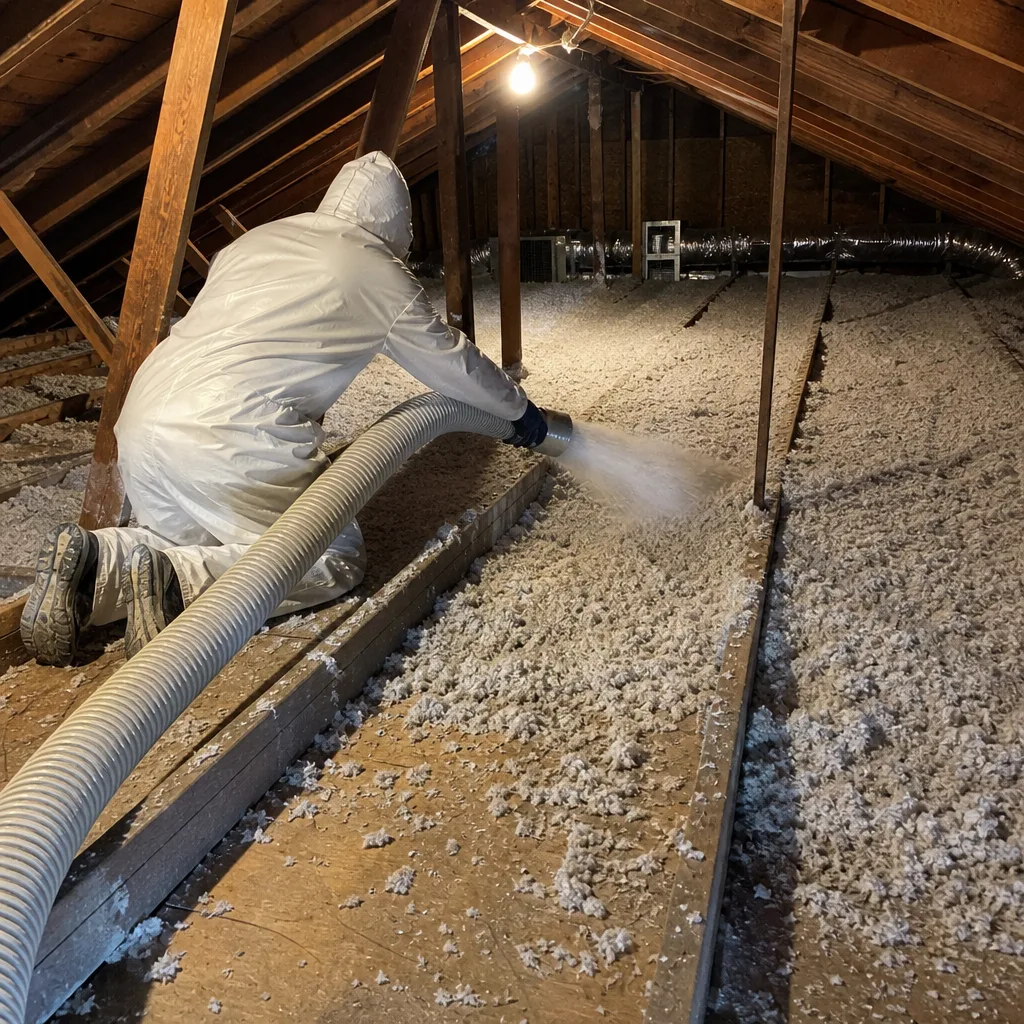
There’s a short list of things a homeowner can safely check: confirm your crawl space access door is intact, look for obvious tears in the vapor barrier from the access point without entering, and verify your dehumidifier (if installed) is running and draining. Do not enter the crawl space if you smell gas, see exposed wiring, or if the space is below 24 inches in height - confined space work carries real risk.
Where DIY goes wrong: vapor barrier installation looks simple but requires heat-sealed seams and a perimeter seal that bonds to concrete, stucco, or block. We’ve re-done four West Hollywood jobs this year where the homeowner used hardware-store tape that failed within one season. Closed-cell spray foam demands professional application; the isocyanate component is a respiratory hazard, and thickness must be verified with a probe to meet code. Seal the leaks first. Then insulate. The R-value on the bag assumes you did it in that order. Call (213) 306-2607 for a written price - estimates are free, and we’ll show you the blower-door numbers from comparable jobs so you know what to expect.
FAQs
A properly installed Demilec encapsulation with 12-mil or thicker barrier and 2-plus inches of closed-cell foam should last 15-20 years in our climate, though seam tape at the perimeter may need refresh at 8-12 years due to thermal cycling. West Hollywood’s combination of clay soils and occasional heavy winter rains accelerates wear at the foundation wall interface. Call (213) 306-2607 for an exact quote - estimates are free.
Localized repairs work if the damage is limited to under 20% of the barrier surface and the existing foam is still firmly adhered; we patch with matching material and extend the warranty to the repair zone. If the foam is delaminating or mold is present on framing, partial or full replacement is the only code-compliant path. Call (213) 306-2607 for an exact quote - estimates are free.
A full replacement on a standard 1,200-square-foot crawl space takes two to three days: one day for removal and prep, one day for foam application and curing, and a half day for barrier installation and final sealing. We also stock Reflectix materials for radiant barrier upgrades if your crawl space has ductwork that needs shielding. Call (213) 306-2607 for an exact quote - estimates are free.
We stock 12-mil and 20-mil vapor barrier, Demilec-compatible seam tape, closed-cell foam in Heatlok HFO Pro and equivalent chemistry, and drainage matting on every West Hollywood truck. Full re-foam requiring a fresh drum of OEM Demilec product typically ships next-day. Topside Attic Insulation West Hollywood is an independent service provider, not affiliated with Demilec. Call (213) 306-2607 for an exact quote - estimates are free.
Written by Wes Okafor, Owner, Topside Attic Insulation West Hollywood at Topside Attic Insulation West Hollywood, serving West Hollywood and nearby areas.