
Demilec Attic Insulation: The West Hollywood Owner’s Guide
Most Demilec attic insulation replacements in West Hollywood run $2,800-$5,400 for a complete removal and reinstall, depending on square footage and whether the existing foam has degraded or separated from the substrate. We stock Demilec-compatible open-cell and closed-cell formulations on our truck, and we can typically inspect and quote same-day. Homeowners usually notice the problem first as a spike in their summer cooling bill, hot spots on the ceiling, or a musty smell that starts after a Santa Ana wind event dries the foam beyond its design tolerance.
Which Demilec Models This Applies To
Demilec, now part of Huntsman Building Solutions, produced several formulations common in West Hollywood attics installed between 2010 and 2020. The two you’re most likely to encounter are Heatlok HFO Pro (closed-cell, 2.0 lb density) and Sealection 500 (open-cell, 0.5 lb density). Check the spray-foam surface for a stamped or handwritten date code, usually found on the perimeter where the foam meets the roof deck. Heatlok HFO Pro will feel rigid and dense, almost like stiff bread; Sealection 500 compresses slightly under thumb pressure.
The critical compatibility gotcha in our market: Demilec’s early-generation HFO blowing agents can shrink measurably after repeated heat cycling above 140°F, which happens in West Hollywood attics with dark shingle roofs and minimal ventilation. If your original installer used a first-run Heatlok HFO batch (pre-2018 reformulation), you may see gap formation at the foam-to-deck interface that newer formulations don’t exhibit. We don’t push proprietary lock-in - our materials list includes Owens Corning, Johns Manville, Knauf, Rockwool, CertainTeed, Icynene, Demilec, and GreenFiber - but we match replacement foam to what remains structurally sound, not just what brand was there before.
OEM Demilec replacement foam is available through Huntsman distribution, but for partial repairs we often specify a compatible third-party closed-cell with matching density and R-value per inch (R-6.5 for Heatlok HFO Pro, R-3.7 for Sealection 500 at full thickness). The decision hinges on whether we’re feathering into existing foam or stripping to substrate. We stock both options on our West Hollywood truck.
Signs Your Demilec Attic Insulation Is Failing
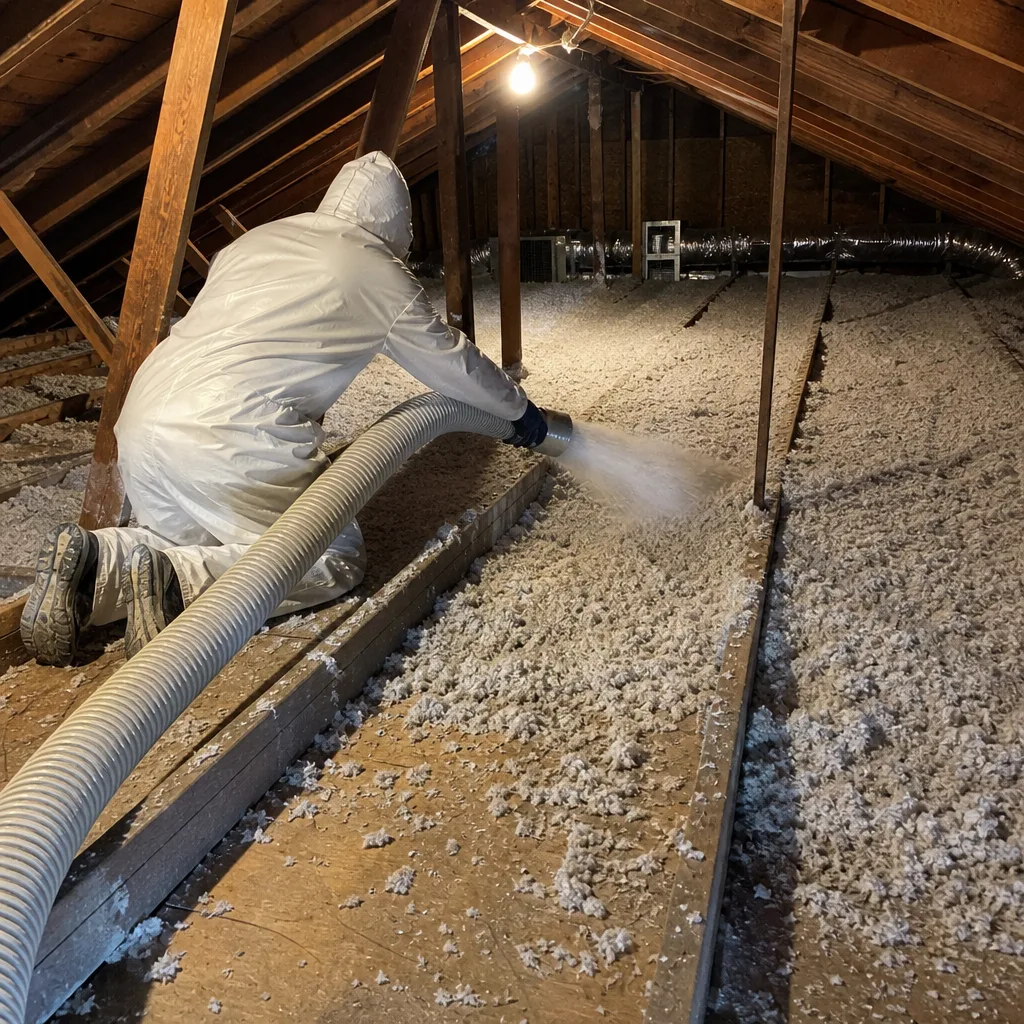
- Hot ceiling patches in summer. The foam has pulled away from the roof deck, creating thermal bypass channels. In West Hollywood, this often starts on the south-facing slope where attic peak temperatures exceed 150°F for weeks each summer.
- Musty or chemical odor after wind events. Open-cell Sealection 500 can act as a reservoir for humidity if the vapor retarder placement was skipped or degraded. When Santa Ana winds drop relative humidity rapidly, trapped moisture releases as a detectable smell.
- Visible yellowing or surface chalking. UV degradation of the foam’s top skin, usually where attic ventilation grilles allow filtered light to hit the surface. The polymer chain breaks down; R-value doesn’t immediately drop, but structural adhesion weakens.
- HVAC runtime increased 20% or more year-over-year. Your conditioned air is leaking faster than the foam can resist it. We verify this with a blower-door test - pressurizing the house to 50 pascals to measure infiltration in CFM50 - before and after any repair.
- Pest intrusion at foam edges. Rodents exploit gaps where foam has separated from framing. We’ve found this particularly in the bungalows off Santa Monica Boulevard, where 1940s balloon framing meets newer foam applications with incompatible expansion ratios.
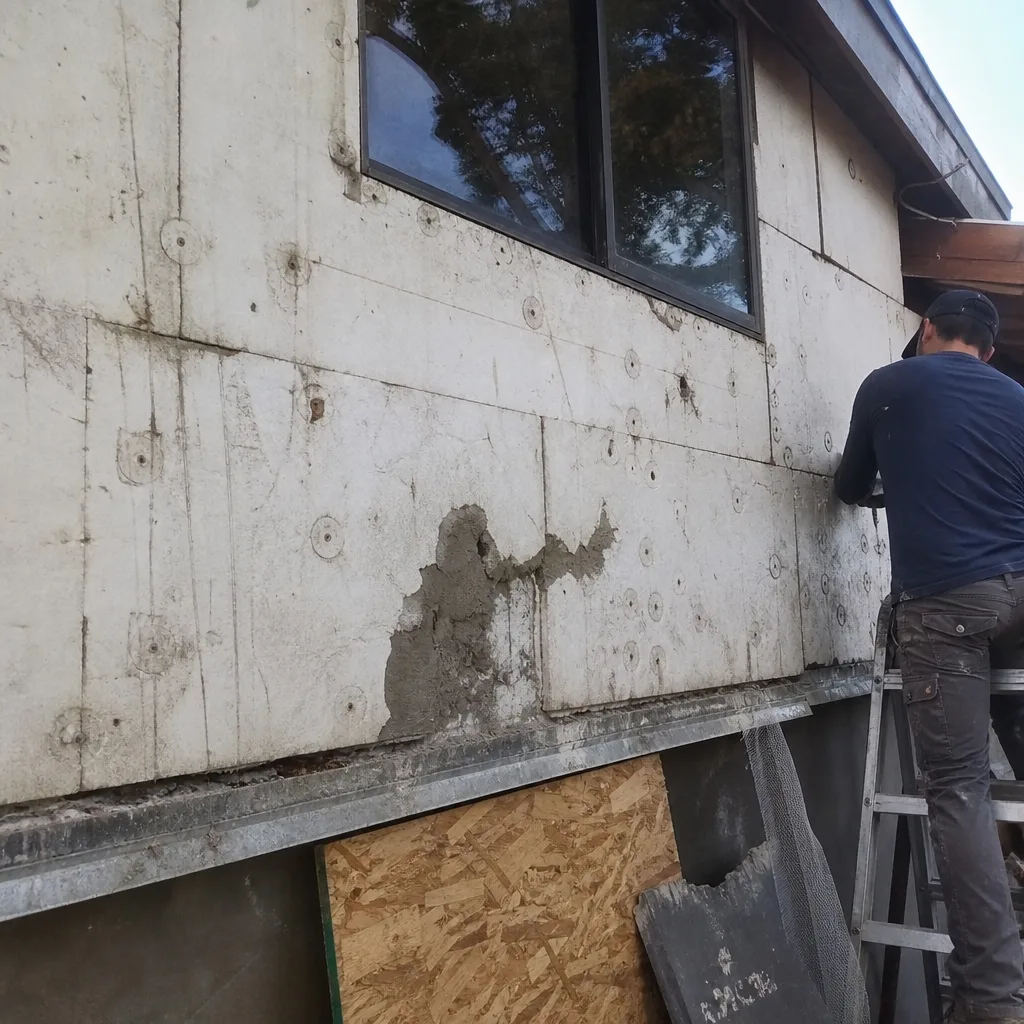 Before
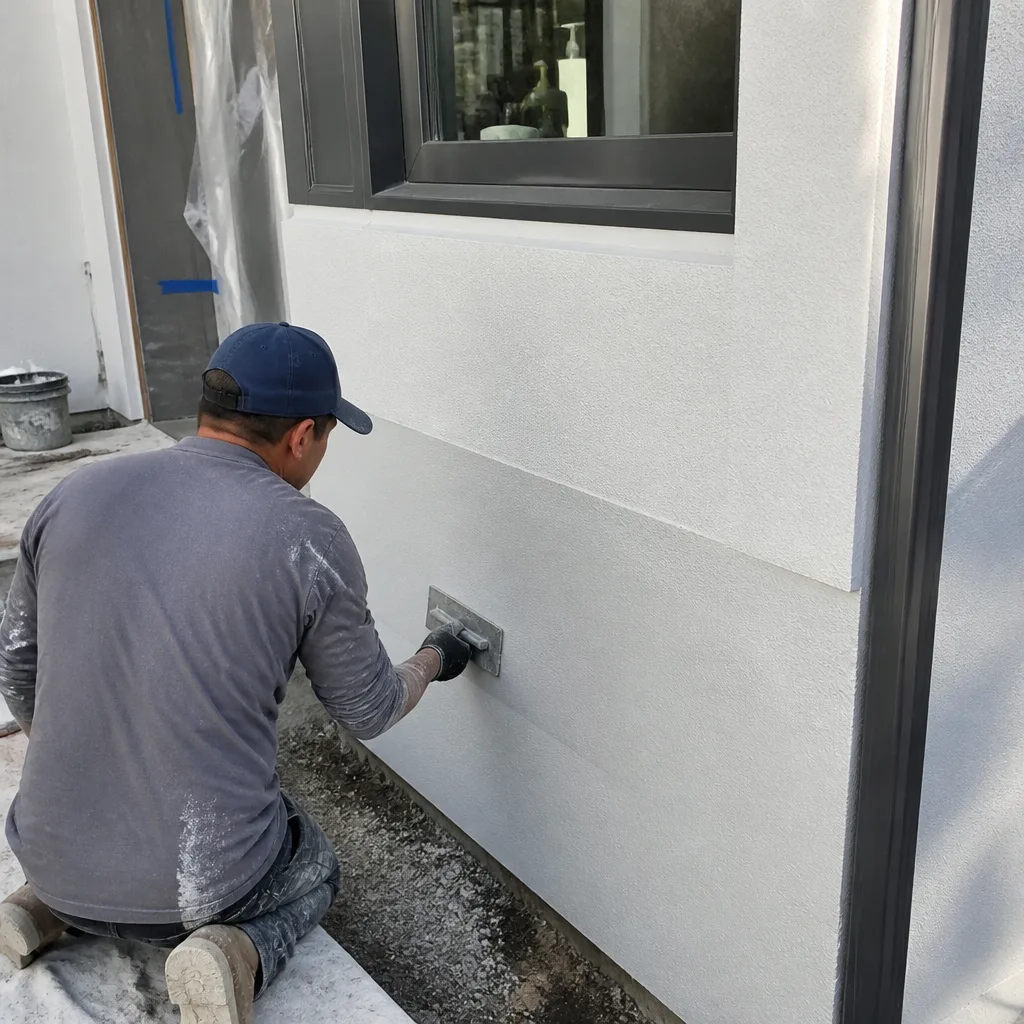 After
AfterReplacement Cost & What’s Included
For a typical West Hollywood single-family attic, 800-1,400 square feet:
- Partial repair (localized removal + patch): $1,200-$2,400
- Full removal and replacement with air sealing: $2,800-$5,400
- Full removal + replacement + upgraded ventilation: $4,200-$6,800
What drives the range: attic accessibility (cathedral ceilings add labor), existing foam condition (fully adhered removal is slower than loose scrap), and whether we find unsealed top plates or can light penetrations that the original installer skipped. Our price includes removal, disposal, substrate prep, air sealing of all penetrations, new foam application, and a Documented Photo Record. On applicable jobs, we provide before-and-after blower-door numbers so you can verify the air-sealing result when your utility bill arrives. Every job begins with a written price - no work starts without it - under Haven Standard Clause 1.
DIY or Call Us?
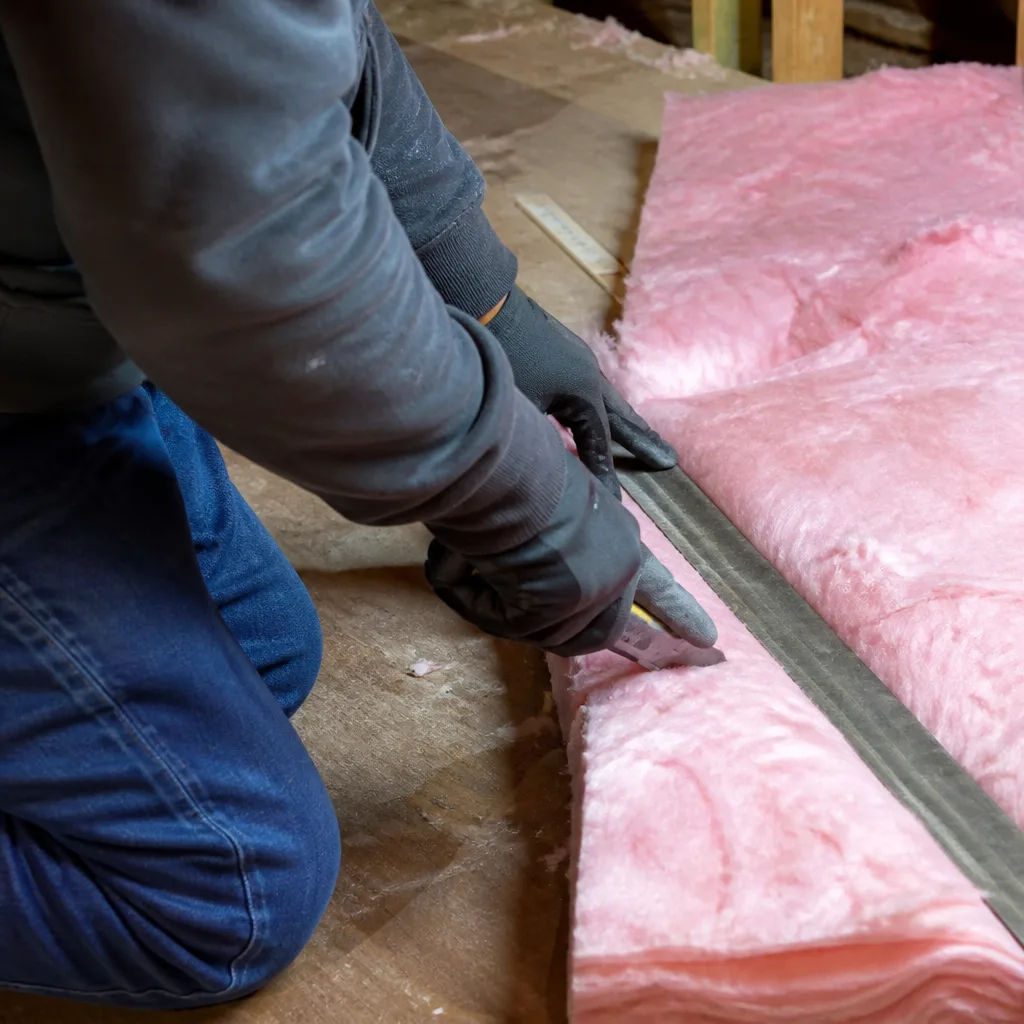
There’s no high-tension spring or live electrical component here, but Demilec foam removal is genuinely unpleasant work that most homeowners underestimate. The cured material must be cut or scraped from substrate, and the dust is a respiratory irritant requiring P100 filtration and controlled ventilation. Reapplication demands precise substrate temperature, humidity, and mixing ratios; off-ratio foam crumbles or fails to cure, and you won’t know for weeks.
What you can safely check: walk your attic with a flashlight and photograph any gaps, discoloration, or pest damage. Note your HVAC runtime increase if you have smart thermostat data. Then call us at (213) 306-2607 - we offer a Free Second Opinion on any written estimate, and we’ll read a competing quote with you line by line. Seal the leaks first. Then insulate. The R-value on the bag assumes you did it in that order.
FAQs
Properly applied Demilec closed-cell foam should perform 20-25 years, but we’ve found pre-2018 Heatlok HFO Pro formulations showing shrinkage gaps in as little as 8-10 years in poorly ventilated West Hollywood attics with dark roofs. Open-cell Sealelection 500 lasts 15-20 years if the vapor retarder was installed correctly, though humidity management matters more than with closed-cell. Call (213) 306-2607 and we’ll inspect what you have - estimates are free.
Yes, if the failure is localized and the remaining foam is fully adhered to substrate with no internal fracturing. We cut back to sound material, feather the edge, and apply compatible new foam. We won’t patch over compromised substrate - that’s a callback waiting to happen, and we don’t do callbacks. Call (213) 306-2607 for an exact quote on your specific damage.
Most West Hollywood attics take one day for removal and air sealing, plus a second day for foam application and cure monitoring. We don’t rush the cure schedule; off-gassing must complete before we close the attic. You’ll get a written timeline with your price before anyone lifts a tool.
We stock Demilec-compatible open-cell and closed-cell formulations, plus equivalents from Icynene and other manufacturers we specify. We match to your existing foam’s density and R-value per inch, not just the brand name. Same-day inspection is usually available in West Hollywood.
Written by Wes Okafor, Owner, Topside Attic Insulation West Hollywood at Topside Attic Insulation West Hollywood, serving West Hollywood and nearby areas.