
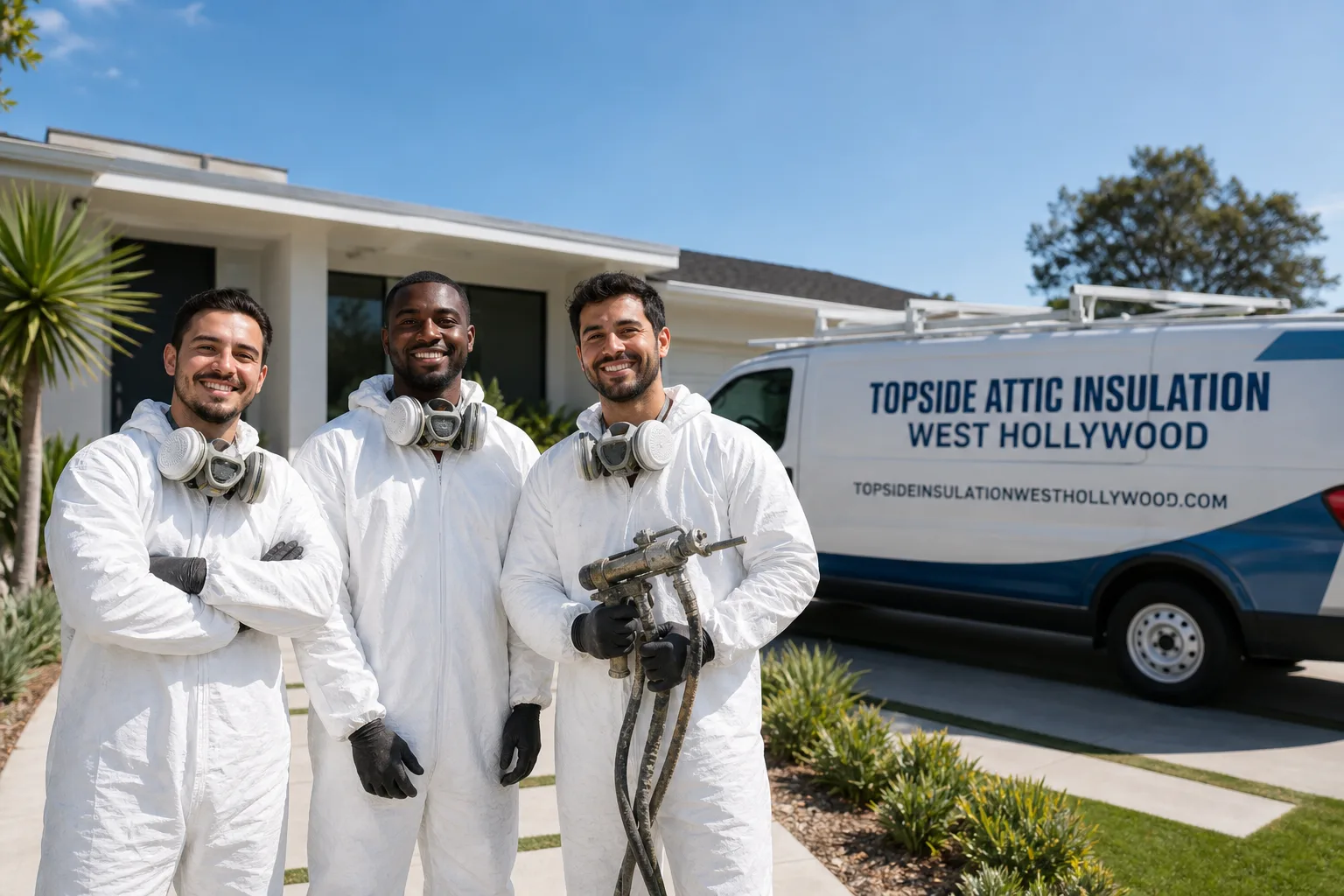
Fast, Reliable Blown-In Insulation Across West Hollywood
Blown-in insulation in West Hollywood typically costs $2.80-$5.50 per square foot installed, with most attic top-ups running $1,800-$3,400 and full dense-pack wall retrofits on a 1,200-square-foot dingbat unit ranging $4,200-$7,800. Our crews are dispatched from the Los Angeles office and usually reach West Hollywood properties within 45 minutes during business hours. Call (213) 306-2607 for a written price before any work starts.
We know the building stock here. The 1950s-60s dingbat apartments cantilevered over open carports on streets like Holloway Drive and Fairfax Avenue. The 1920s-40s Spanish Colonial Revival courtyards with plaster-over-lath walls near Melrose. The low-slope roofs that bake under the urban heat island while club sound bleeds through uninsulated party walls from the Sunset Strip. Our Blown-In Insulation team has retrofitted hundreds of these exact assemblies. We don’t guess at what’s behind your walls. We test, document, and write the scope before anyone lifts a tool.
Why Topside Attic Insulation West Hollywood Is West Hollywood’s Preferred Blown-In Insulation Company
We’ve sealed and insulated over 9,000 homes since 2016, and a significant share of those have been in West Hollywood’s rent-controlled stock where tenants can’t be displaced for open-cavity work. That experience matters. When you’re dense-packing cellulose through a 3-inch hole in stucco, you need to know how that specific stucco was applied in 1962, how the lath behind it is fastened, and what pressure will pack the cavity without blowing the keys on vintage plaster next door.
Our reviews from West Hollywood customers consistently note the same things: the written price that showed up before the crew did, the blower-door numbers they could photograph and keep, the photo record of every wall cavity before it was closed. Response time to West Hollywood averages under an hour for scheduled assessments, and a live person answers (213) 306-2607 around the clock. No voicemail loops. No callback windows measured in business days.
Local knowledge that actually affects your job: we know which West Hollywood blocks fall under the city’s specific noise-ordinance enforcement zones, which means we know where STC-rated dense-pack assemblies aren’t just a comfort upgrade but a compliance necessity. We know the flat-roof drainage patterns on dingbats that trap moisture against low-slope ceiling cavities. We know that Santa Monica Boulevard corridor buildings face different heat-gain profiles than those north of Sunset. That knowledge changes what we spec and how we install it.
Our Blown-In Insulation Services in West Hollywood
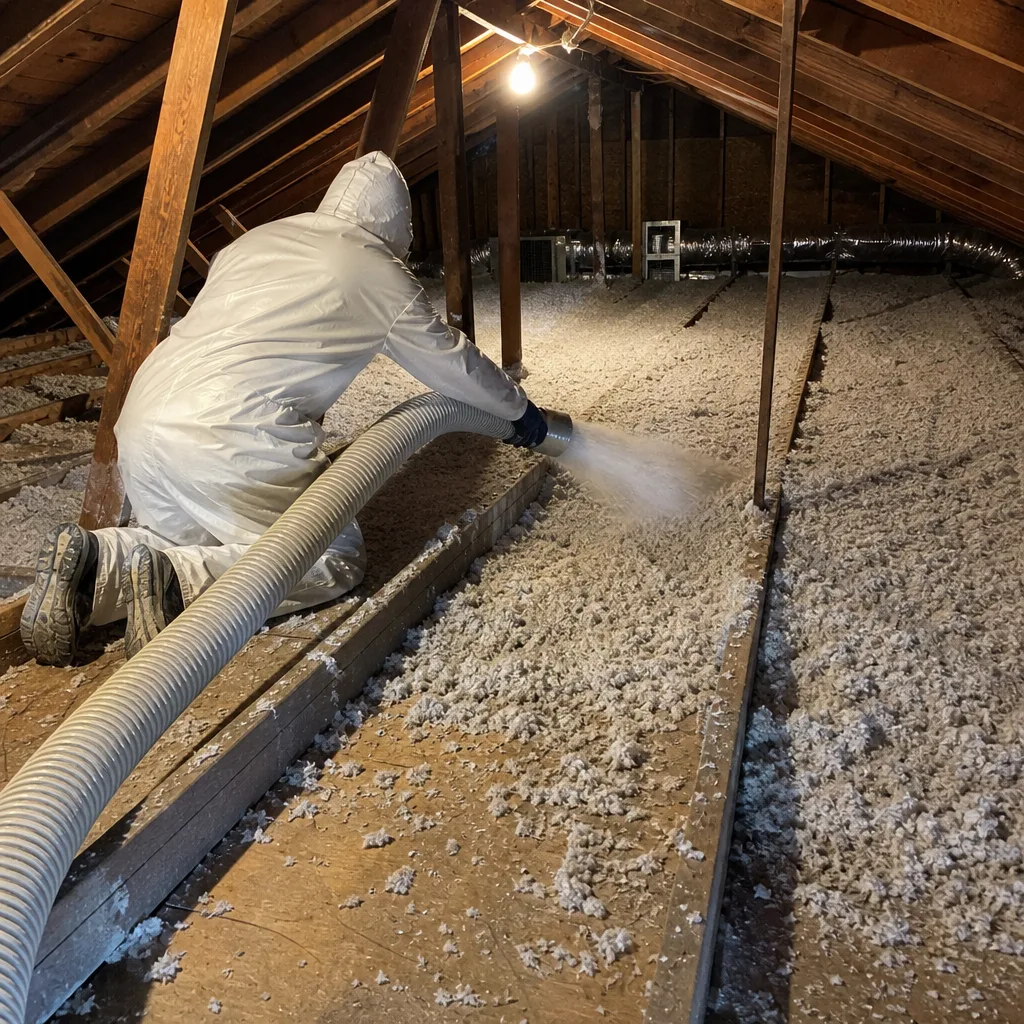
Blown-In Cellulose
We use GreenFiber cellulose on most West Hollywood retrofits, treated with borate for fire and pest resistance. Cellulose settles at roughly 1-2 percent annually, which matters less in attics than in wall cavities, so we over-pack walls by design and mark the settled depth on your documentation. In dingbat open-carport ceilings, where cellulose is prone to settling away from the top plate and creating a thermal bridge, we spec a two-stage install: dense-pack the accessible perimeter, then blown-fill the field with an engineered settling allowance. On that 1962 dingbat on Holloway Drive just north of Santa Monica Boulevard, our crew dense-packed the cantilevered stucco party walls with GreenFiber cellulose and topped off the low-slope roof cavity with blown-in fiberglass, cutting venue noise bleed from the Sunset Strip blocks and easing afternoon cooling loads in the upper units. The building’s open carport ceiling - the coldest surface in the assembly - got a blown-in top-up with Owens Corning fiberglass to stop the stack-effect draft that had been pulling club sound up through the stairwell.
Blown-In Fiberglass
We stock Owens Corning and Johns Manville fiberglass for West Hollywood jobs where moisture management is the primary concern. Fiberglass doesn’t absorb water the way cellulose can, which matters in low-slope dingbat roof cavities where coastal-adjacent humidity plus the urban heat island cycle drives condensation against un-faced insulation. We never install unfaced fiberglass in these assemblies; every cavity gets a vapor-smart facing or an explicit ventilation path documented in the scope. The R-value per inch is lower than cellulose, but in West Hollywood’s mild-winter climate, the cooling-load reduction from a properly ventilated fiberglass cavity often outperforms a damp, compressed cellulose install.
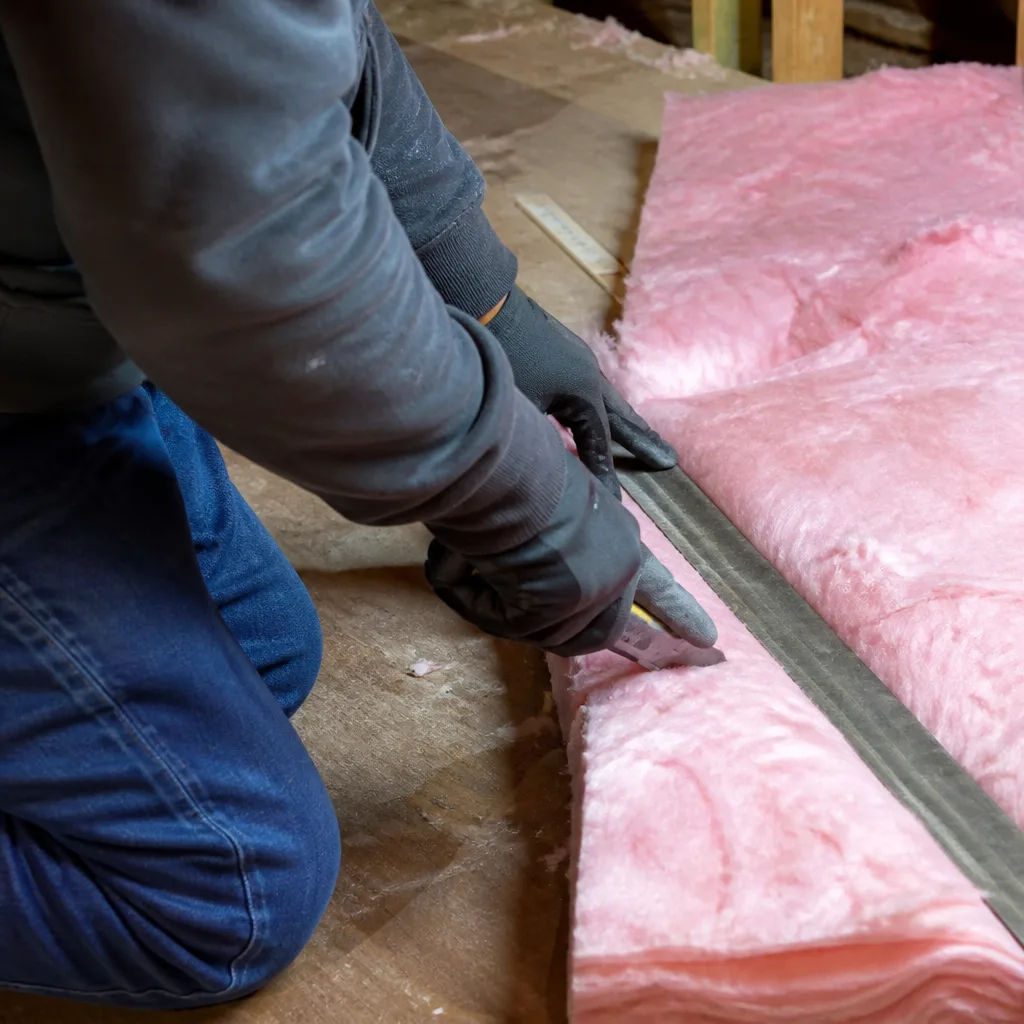
Dense-Pack Wall Insulation
This is where our West Hollywood work diverges from standard practice. Dense-pack injection through existing walls is the only practical retrofit for rent-controlled units that can’t be gutted, and West Hollywood’s density of protected tenancy is unmatched by neighboring cities. The technique: drill 2-3 inch holes at stud-bay intervals, inject cellulose or mineral wool at 3.5-4.5 pounds per cubic foot until the cavity reaches refusal pressure, then patch and match texture. For 1920s-40s Spanish Colonial Revival plaster-over-lath walls, we dial pressure back to 2.5-3.0 pounds per cubic foot and use a slower-fill nozzle to avoid blowing the plaster keys. Blow a key on vintage plaster and you’re looking at a full skim-coat repair. We document the pressure setting on every bay. Property managers along the Sunset Strip blocks - particularly buildings on Holloway Drive or immediately north of Santa Monica Boulevard - regularly field noise complaints tied to venue hours; contractors who quote STC-rated mineral wool or dense-pack cellulose for party walls and ceiling assemblies, rather than just fiberglass batts, consistently close those jobs where a generic insulation bid would lose on scope.
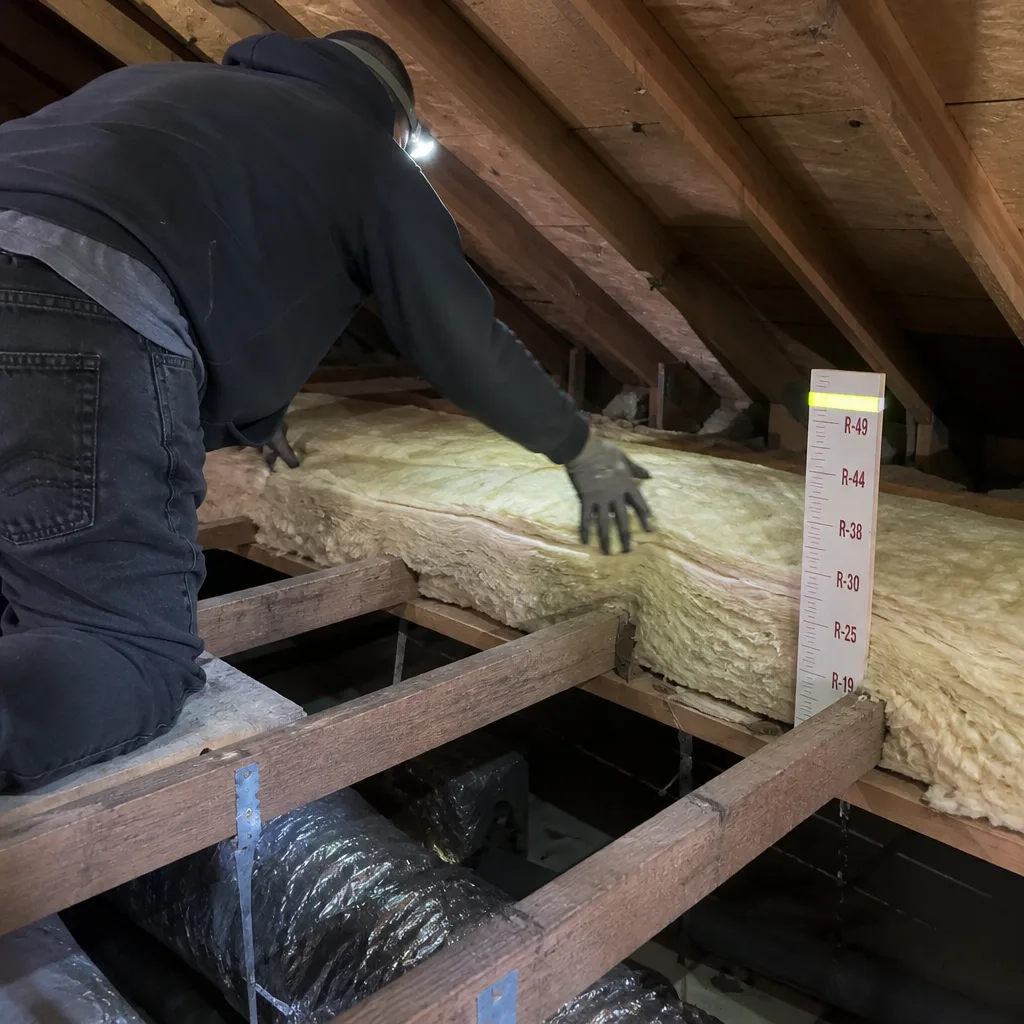
Blown-In Top-Up
Existing attic insulation in West Hollywood dingbats is often original 1950s-60s loose-fill fiberglass at R-11 to R-19, well below current Title 24 requirements. A blown-in top-up brings the assembly to R-38 or R-49 without disturbing the ceiling below, critical in occupied units where access is through a scuttle or a small hatch. We measure existing depth with a calibrated probe, photograph the pre-condition, calculate the volume needed, and blow to the marked depth. Every top-up includes air sealing of top plates, can lights, and penetrations first - we will not blow insulation over an unsealed attic floor. The blower-door test before and after documents the improvement. Most West Hollywood top-ups run $1,800-$3,400 depending on attic square footage and access difficulty.
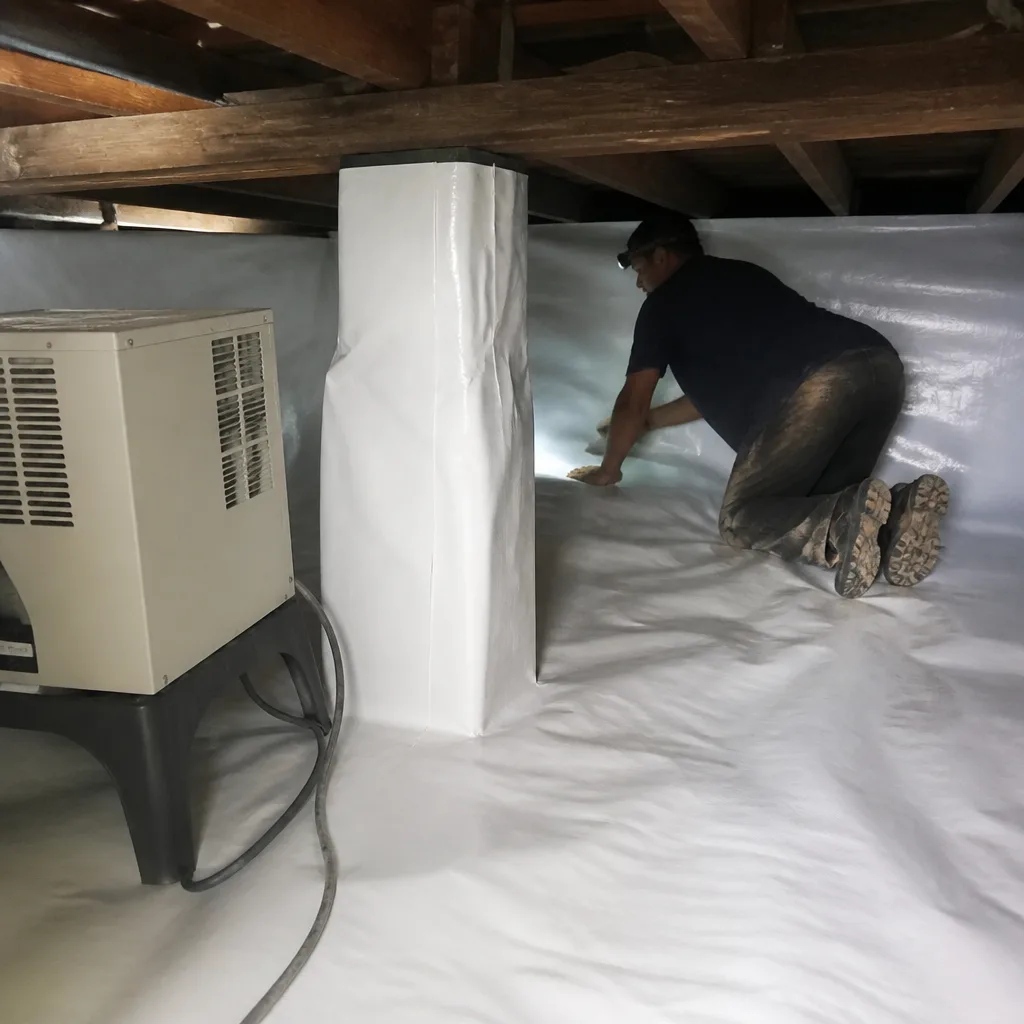
What happens when you call
- 1
A real person answersNo phone trees - you reach a local pro.
- 2
You get an upfront price rangeHonest numbers before anyone is dispatched.
- 3
A background-checked tech heads outLicensed & insured, dispatched right away.
- 4
You approve before work beginsNothing starts until you say go.
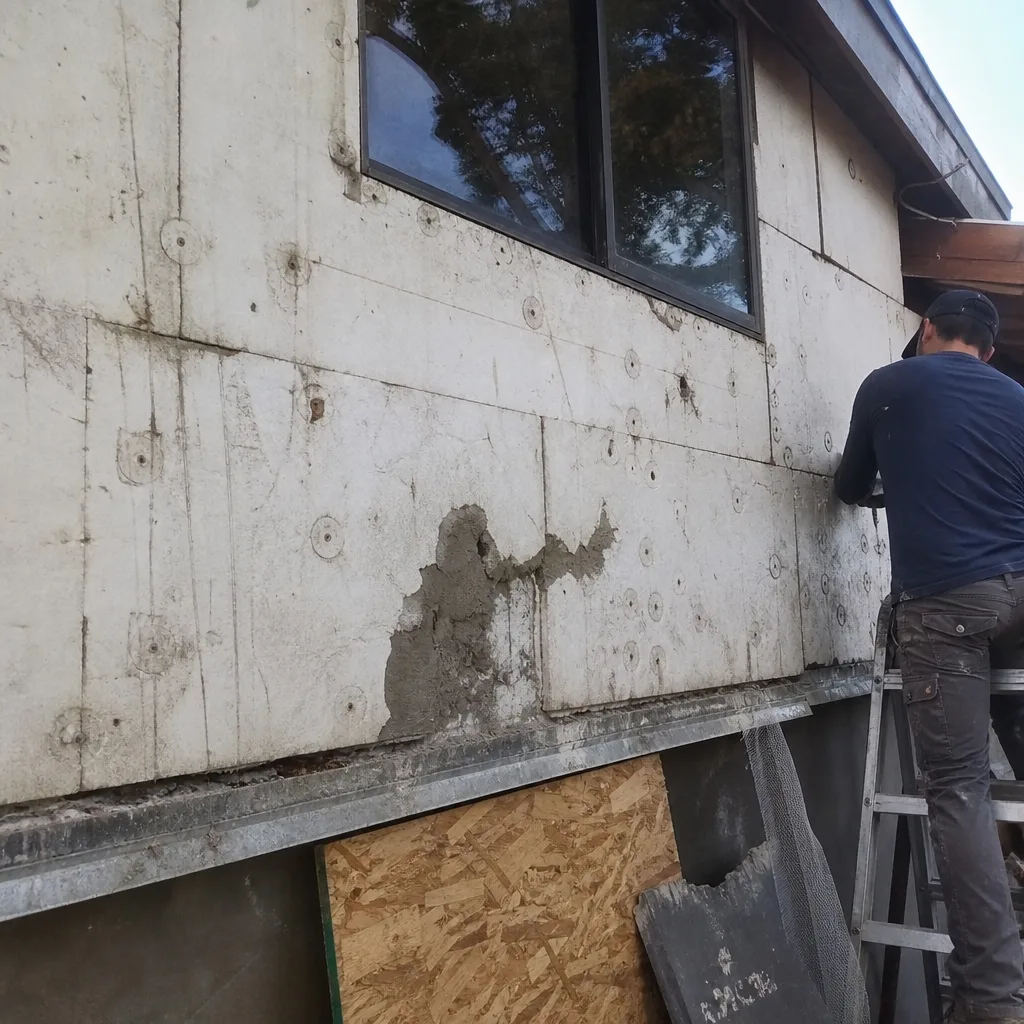 Before
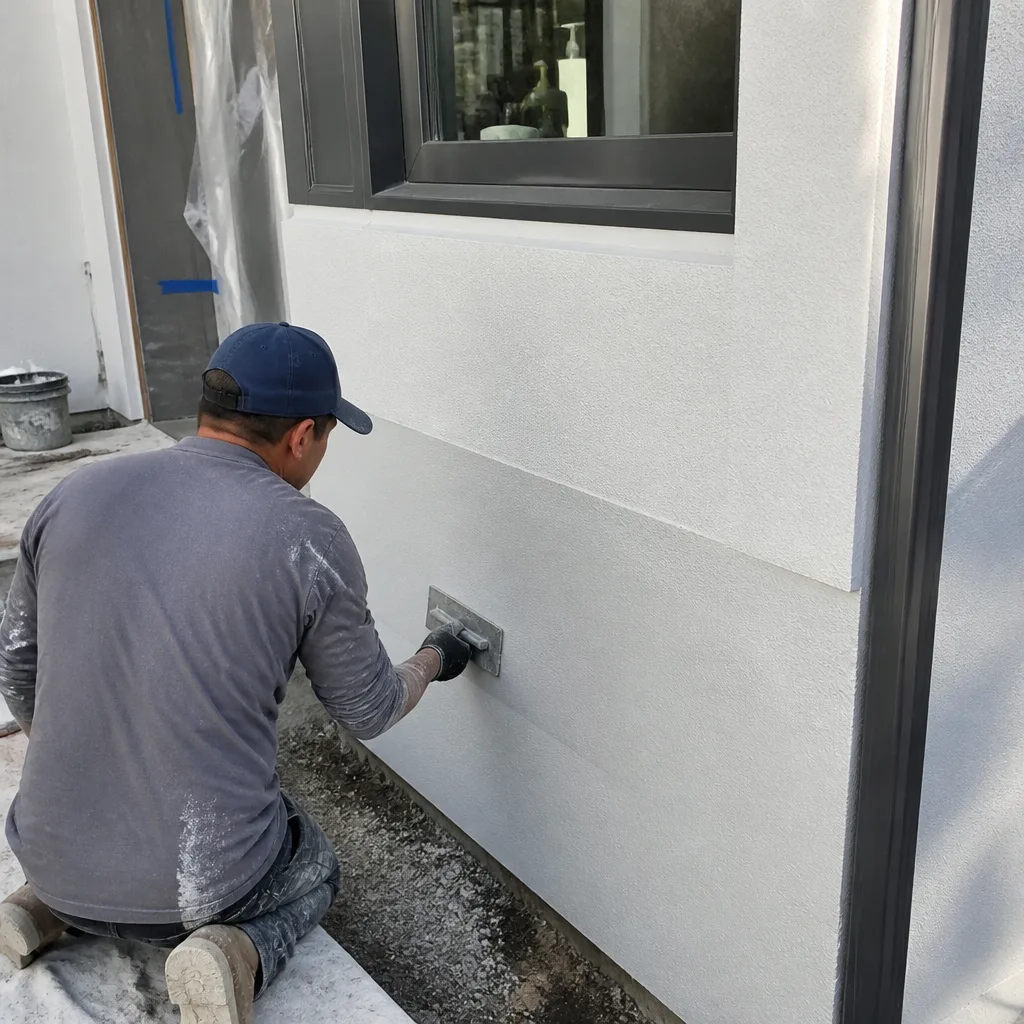 After
AfterTrusted Brands We Service in West Hollywood
We source materials from Owens Corning, Johns Manville, GreenFiber, and Demilec, among others - no proprietary lock-in, so we spec what the assembly actually needs rather than what our supplier is pushing this quarter. For West Hollywood’s dense-pack wall retrofits, we keep GreenFiber cellulose and Owens Corning fiberglass in stock locally, which means no supply-chain delay on standard jobs. Specialty materials like Demilec open-cell spray foam for hybrid assemblies (dense-pack walls plus foam-sealed rim joists) are ordered to job with a 48-hour lead time. Every bag or drum is photographed on-site with the lot number, included in your Documented Photo Record.
Common Blown-In Insulation Problems We See in West Hollywood Homes
- Cellulose settling in open carport ceilings leaves the top plate of the wall assembly uninsulated, creating a thermal bridge that defeats the wall retrofit above it. We see this constantly in dingbats where a previous contractor filled the carport soffit without addressing the perimeter detail. Our fix: dense-pack the perimeter band joist, then fill the field.
- Dense-pack blowouts through aged plaster keys happen when pressure isn’t dialed back for 1920s-40s Spanish Colonial Revival plaster-over-lath walls. The plaster key - the blob of wet plaster that squished through the lath and hardened, holding the wall surface in place - shears off under excessive injection pressure. This failure mode doesn’t exist in newer drywall stock. We test-pressure an inconspicuous bay first.
- Condensation degradation in low-slope roof cavities where coastal-adjacent humidity plus the urban heat island cycle meets un-faced blown-in fiberglass. The insulation gets damp, the R-value collapses, and ceiling stains appear within a few seasons. We always specify faced fiberglass or an explicit ventilation path in these assemblies.
- Sound transmission through uninsulated party walls in Sunset Strip-adjacent buildings where generic fiberglass batts were stuffed without attention to cavity density or STC rating. Standard R-13 batts in a 2×4 wall test at STC 35-38; dense-pack cellulose at 3.5 pounds per cubic foot in the same wall hits STC 42-45, and mineral wool can reach STC 48-52. That difference is whether your tenant calls you at midnight or doesn’t.
Pricing for Blown-In Insulation in West Hollywood, CA
| Service | Typical Range in West Hollywood |
|---|---|
| Attic blown-in top-up (R-19 to R-38, ~1,000 sq ft) | $1,800 - $3,400 |
| Full attic blown-in replacement with air sealing | $3,200 - $6,500 |
| Dense-pack wall insulation, per unit (dingbat, ~1,200 sq ft) | $4,200 - $7,800 |
| Blown-in cellulose or fiberglass, open carport ceiling | $2,400 - $4,600 |
| Hybrid assembly (dense-pack walls + attic top-up + air seal) | $6,800 - $12,400 |
What moves the number: access difficulty (scuttle vs. full hatch vs. exterior scaffold), existing insulation condition (removal adds $0.75-$1.50/sq ft), cavity density for dense-pack (2×4 vs. 2×6 walls, balloon framing vs. platform), and whether blower-door verification is included. Every job gets a Written Price Before Any Work Starts - Haven Standard Clause 1 - with the scope, the warranty, and the documentation you’ll receive all spelled out. Free Second Opinion on any written estimate: bring us a competing quote and we’ll read it with you. Call (213) 306-2607 to schedule.
We Also Serve Cities Near West Hollywood
Our crews work throughout the metro corridor, including Blown-In Insulation in West Hollywood and surrounding cities: Beverly Hills, Culver City, Glendale, and Burbank. Each market has different building stock, code enforcement, and retrofit practicalities; we adjust the scope accordingly rather than paste the same spec across zip codes.
Serving West Hollywood, CA - Our Local Coverage Area
We’re based in the West Hollywood area and know this community well. Use the map below to see our service coverage - if you’re nearby, we can almost certainly help.
FAQs - Blown-In Insulation in West Hollywood
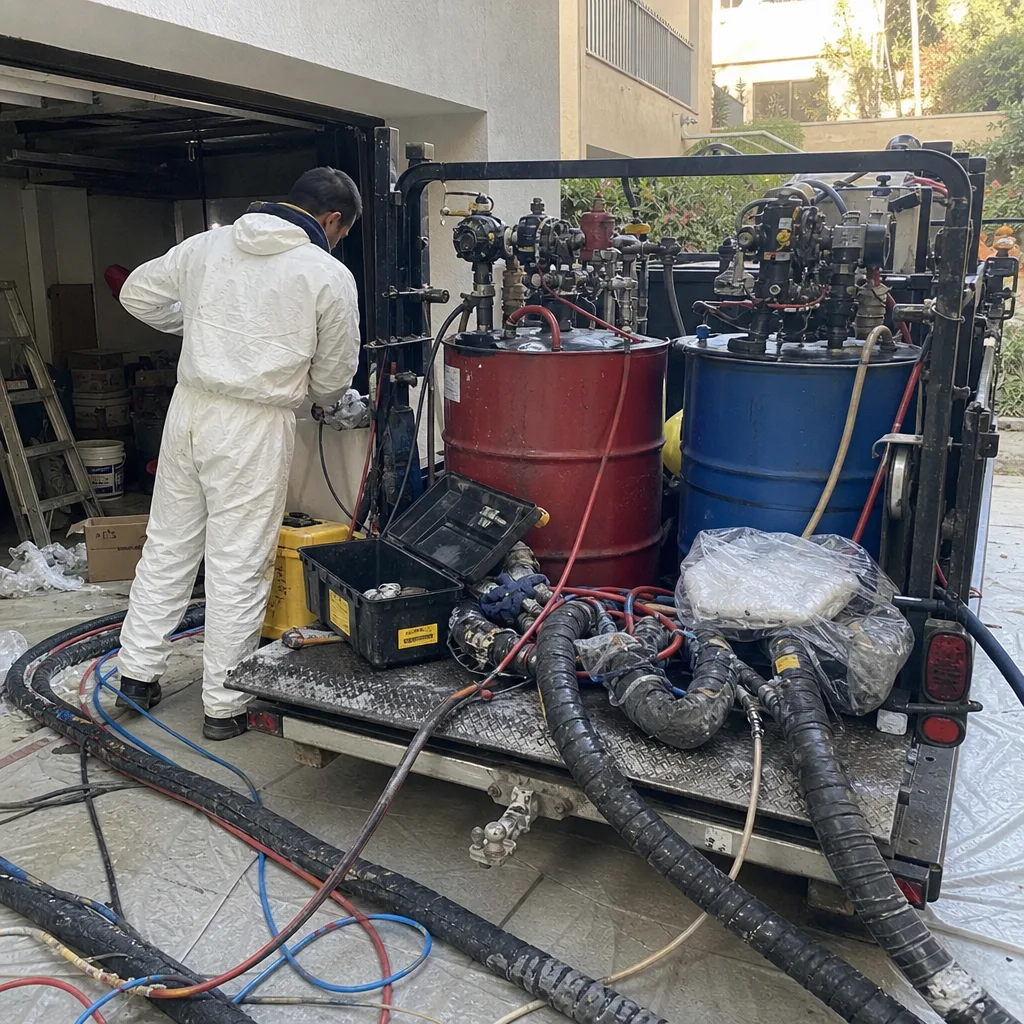
Yes. Dense-pack injection through 2-3 inch exterior holes is the standard retrofit for occupied dingbat units that can’t be gutted due to rent-control protections. We drill at stud-bay intervals, inject cellulose or mineral wool at controlled pressure, then patch and match stucco texture. The interior remains undisturbed. Call (213) 306-2607 for a written scope and price on your specific building.
Yes, if the right material and density are specified. Standard fiberglass batts in party walls provide minimal acoustic benefit; dense-pack cellulose at 3.5+ pounds per cubic foot or mineral wool can improve STC ratings by 7-14 points, which is the difference between hearing bass lines and not. We’ve documented this on multiple Holloway Drive and Santa Monica Boulevard corridor buildings. The key is treating both the party walls and the ceiling/floor assembly, since sound travels the path of least resistance.
It can, if pressure isn’t controlled. The plaster key - the hardened plaster blob behind the lath that holds the wall surface - shears off under excessive injection pressure, a failure mode unique to pre-drywall construction. We test-pressure an inconspicuous bay first, typically starting at 2.5 pounds per cubic foot and adjusting based on what the lath and plaster tell us. Every pressure setting is documented per bay in your photo record.
Yes, absolutely. West Hollywood sits inland enough to experience summer temperatures in the low-to-mid 90s°F, noticeably hotter than Santa Monica just a few miles west. Attic insulation upgrades on flat and low-slope roofs - common to dingbats - directly reduce cooling loads and tenant comfort complaints. ROI conversations here should focus almost entirely on air conditioning, not heating. Most of our West Hollywood customers see their peak summer cooling hours drop 15-30 percent after a proper attic top-up with air sealing.
We primarily use GreenFiber cellulose, Owens Corning fiberglass, and Johns Manville mineral wool for dense-pack applications, with Demilec open-cell spray foam for hybrid assemblies where rim joists or complex penetrations need sealing before blown-in goes in. No proprietary lock-in; we spec what the assembly needs. Every material lot is photographed on-site and included in your Documented Photo Record. Call (213) 306-2607 to discuss what’s right for your building.
Written by Wes Okafor, Owner at Envelope Insulation Co., serving West Hollywood since 2016 under The Haven Standard.