
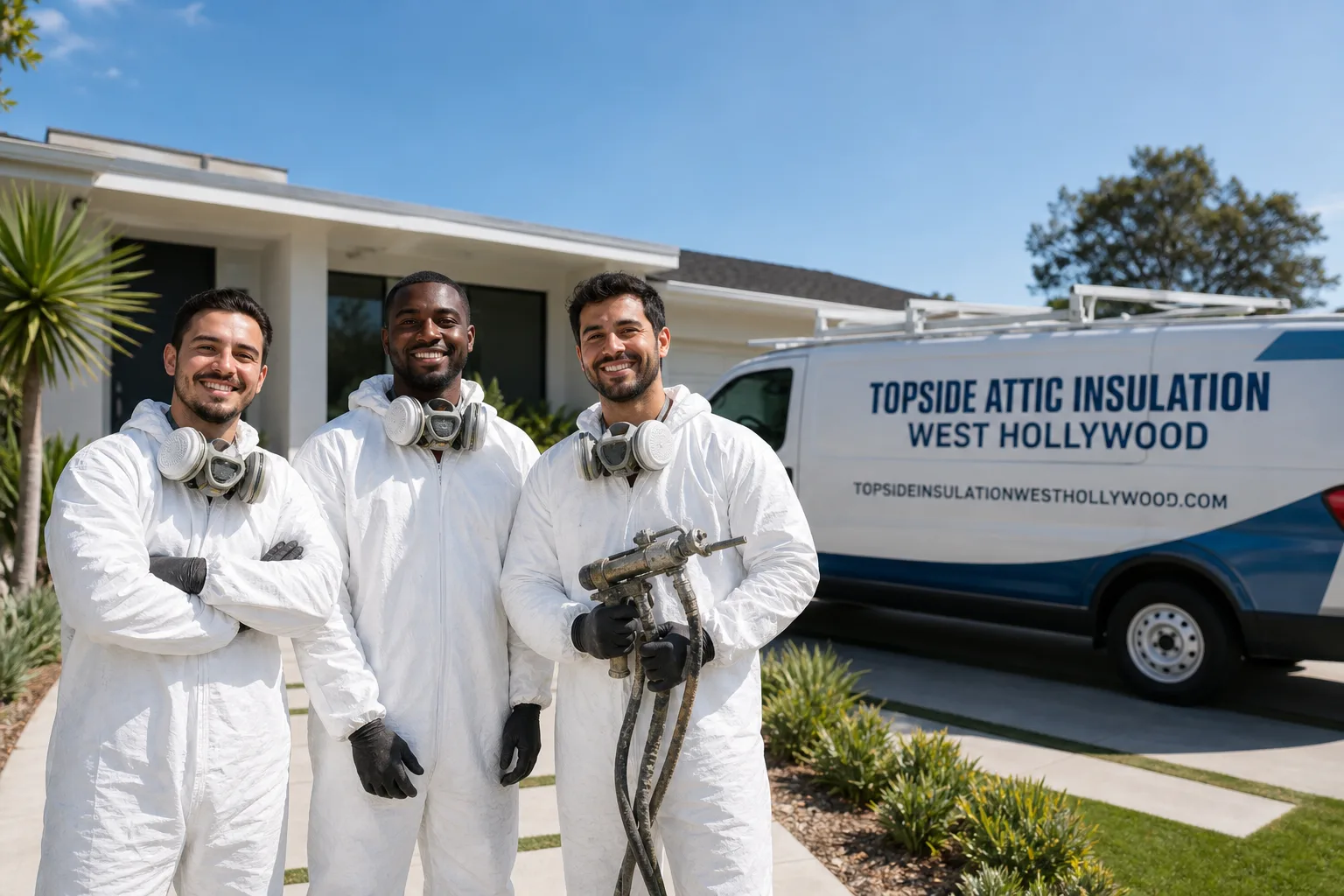
How Much Does Blown-In Insulation Cost in West Hollywood?
Blown-in insulation in West Hollywood typically costs between $1,800 and $4,200 for a standard attic, depending on square footage, current insulation condition, and whether air sealing is done first. Most West Hollywood homeowners with a 1,200-1,800 sq ft attic pay somewhere in the $2,200-$3,400 range for a complete blown-in job that starts with sealed top plates and penetrations. If you’re adding blown-in to existing walls via injection ports, expect a separate cost range of $1.50-$3.50 per square foot of wall area for our Blown-In Insulation services.
Blown-In Insulation Cost Breakdown (2026)
These ranges reflect actual West Hollywood market conditions as of 2026 – labor rates here run higher than the San Fernando Valley or Inland Empire, and access issues in the older Craftsman and Spanish Revival homes common to West Hollywood add time to every job.
| Service | Typical Cost Range (West Hollywood, 2026) | Notes |
|---|---|---|
| Blown-in attic insulation (cellulose or fiberglass) – 1,000 sq ft | $1,800 – $2,600 | To R-38; assumes accessible attic with standard hatch |
| Blown-in attic insulation – 1,500 sq ft | $2,400 – $3,400 | To R-38; common for West Hollywood bungalows and duplexes |
| Blown-in attic insulation – 2,000+ sq ft | $3,200 – $4,800 | To R-49; larger homes in the Norma Triangle or Sunset Strip area |
| Attic air sealing (top plates, can lights, penetrations) | $600 – $1,400 | Always done before any blown-in at Envelope Insulation Co. |
| Injection foam wall insulation (existing walls) | $1.50 – $3.50 per sq ft of wall area | Typical for pre-1980 WeHo homes with uninsulated 2×4 cavities |
| Old insulation removal (batt or degraded blown-in) | $1.00 – $2.25 per sq ft | Often necessary in mid-century West Hollywood apartments |
| Blower-door test (before and after) | $300 – $500 standalone; included on applicable jobs | Measures CFM50 – the single number that shows how much conditioned air your home was losing |
| Radiant barrier installation (attic) | $900 – $2,200 | Useful in West Hollywood’s sun-exposed south-facing rooflines |
What Drives Cost Up
A few things push a West Hollywood blown-in job toward the higher end of these ranges consistently. Attic access is the biggest one: many of the smaller single-family homes and garden-style apartments near Santa Monica Boulevard have low-pitch roofs, tiny hatches, or knee walls that add crew time. Any time access is awkward, labor costs climb.
The depth of insulation required matters too. California’s Title 24 energy code currently requires R-38 as a minimum for attic insulation in Climate Zone 9, which covers West Hollywood. If you want R-49 – and in a city where cooling loads run high from late May through October, the extra depth pays for itself faster than most homeowners expect – you’re looking at more material and more blowing time. That’s a legitimate cost driver, not padding.
Existing insulation condition is the third factor. In our experience across West Hollywood since 2016, about 40% of the attics we inspect have either degraded fiberglass batts that have settled and lost R-value, or old cellulose that’s been compressed by foot traffic or soaked by a previous roof leak. Blowing over compromised insulation wastes material. Removal first is usually the right call, and that adds $1.00-$2.25 per square foot to the total.
What Keeps Cost Down
Good attic access and clean conditions let a two-person crew move efficiently. If the attic is clear, the hatch is at least 22 inches wide, and there’s no existing material to remove, a 1,200 sq ft attic can often be air-sealed and blown to R-38 in a single day. Single-trade days cost less than multi-day jobs, and that savings comes back to you in the final written price.
Combining services on one visit also reduces mobilization cost. If you need blown-in insulation and a Blown-In Insulation in West Hollywood assessment at the same time, bundling keeps crew travel and equipment setup to one charge rather than two.
What Affects Blown-In Insulation Pricing in West Hollywood
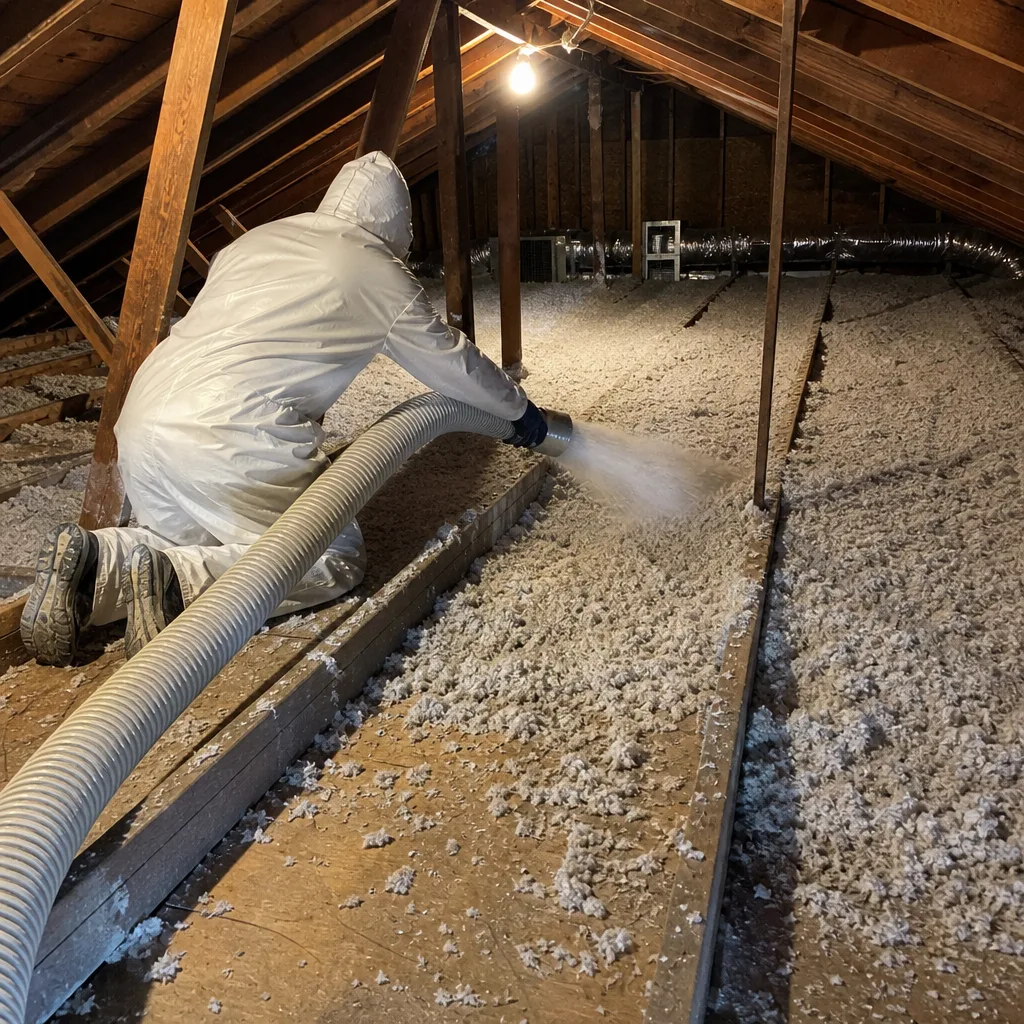
- Attic square footage and geometry: West Hollywood’s housing stock ranges from compact 800 sq ft bungalows near Melrose to 2,400 sq ft mid-century homes above Fountain Avenue. Every additional square foot adds material cost, and irregular geometry – hip roofs, split-level attic floors, knee walls – adds labor time on top of that.
- Current insulation R-value and condition: California Title 24 sets R-38 as the minimum for attics in Climate Zone 9. If your current insulation tests below R-19 (common in pre-1980 West Hollywood construction), you’re essentially starting from zero, and the gap to code minimum is wider. Wider gap, more material, higher cost.
- Air sealing requirements: At Envelope Insulation Co., air sealing of top plates, can lights, and attic penetrations is completed before any blown-in material goes in. This is not an upsell – it’s a prerequisite. An unsealed attic floor lets conditioned air bypass the insulation entirely, which means the R-value you paid for doesn’t translate into the energy savings you expected. Air sealing adds $600-$1,400 to the job total, but it’s what makes the insulation actually work.
- Material choice – cellulose vs. fiberglass vs. mineral wool: Cellulose (recycled paper fiber, typically from brands like GreenFiber) runs slightly cheaper per bag than blown-in fiberglass batts from Owens Corning or Johns Manville, but it settles slightly over time and requires more initial depth to account for that. Mineral wool (Rockwool) costs more per square foot but performs better at fire resistance – relevant in West Hollywood’s dense urban environment where homes sit close together. The right material depends on the specific attic, not on which one costs less at the counter.
- Old insulation removal: Removing degraded or contaminated insulation before blowing adds cost, but it’s often necessary. In West Hollywood specifically, we regularly find attics where previous pest activity has contaminated existing insulation, or where DIY work has left gaps and voids that can’t be corrected by blowing over the top. Skipping removal in those cases produces a worse thermal result than the homeowner started with.
- Accessibility and site conditions: West Hollywood’s older multi-unit buildings often have shared attic spaces with low clearance and limited hatch access. Permit requirements in West Hollywood (governed by Los Angeles County Building and Safety for unincorporated areas, or City of West Hollywood Building and Safety for incorporated parcels) may apply to certain scopes of work – particularly if structural changes are needed to improve attic access. Wes Okafor and the Envelope team identify any permitting requirements during the assessment, before a written price is issued.
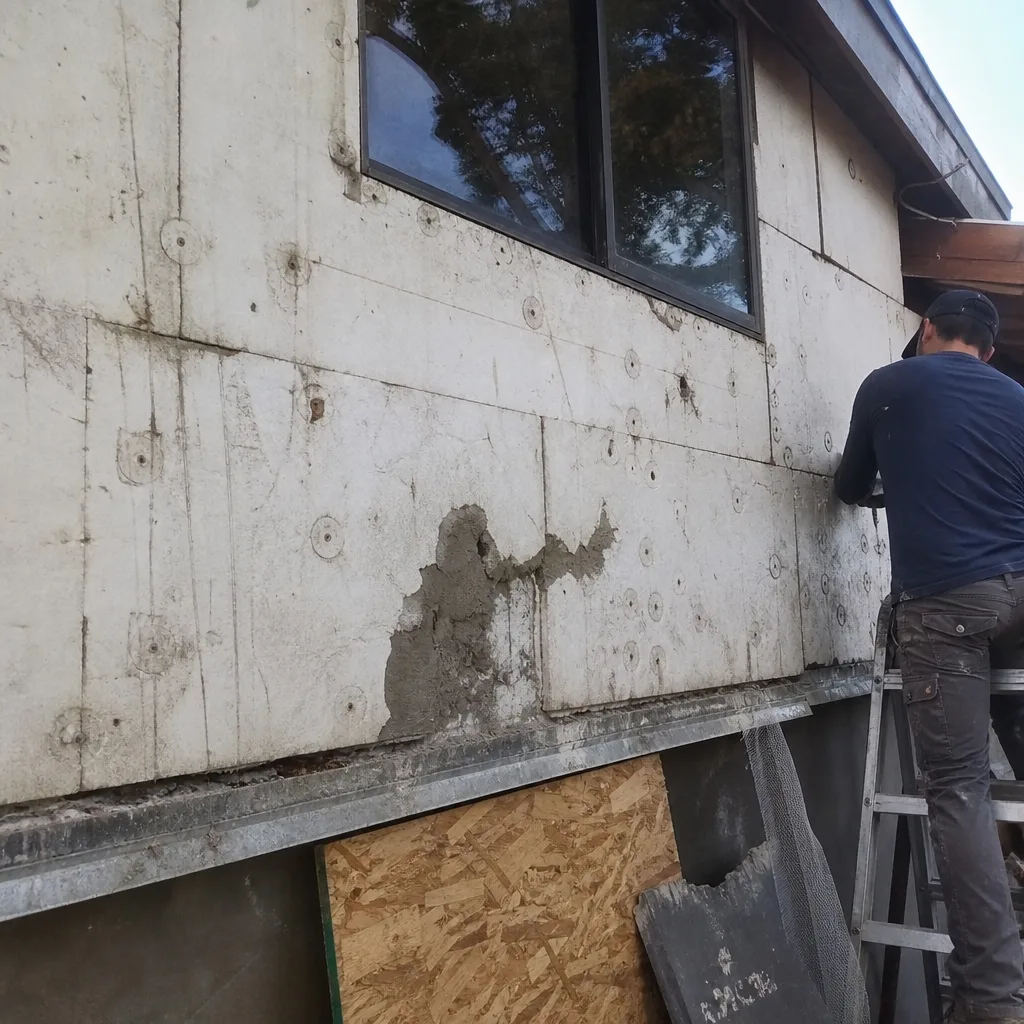 Before
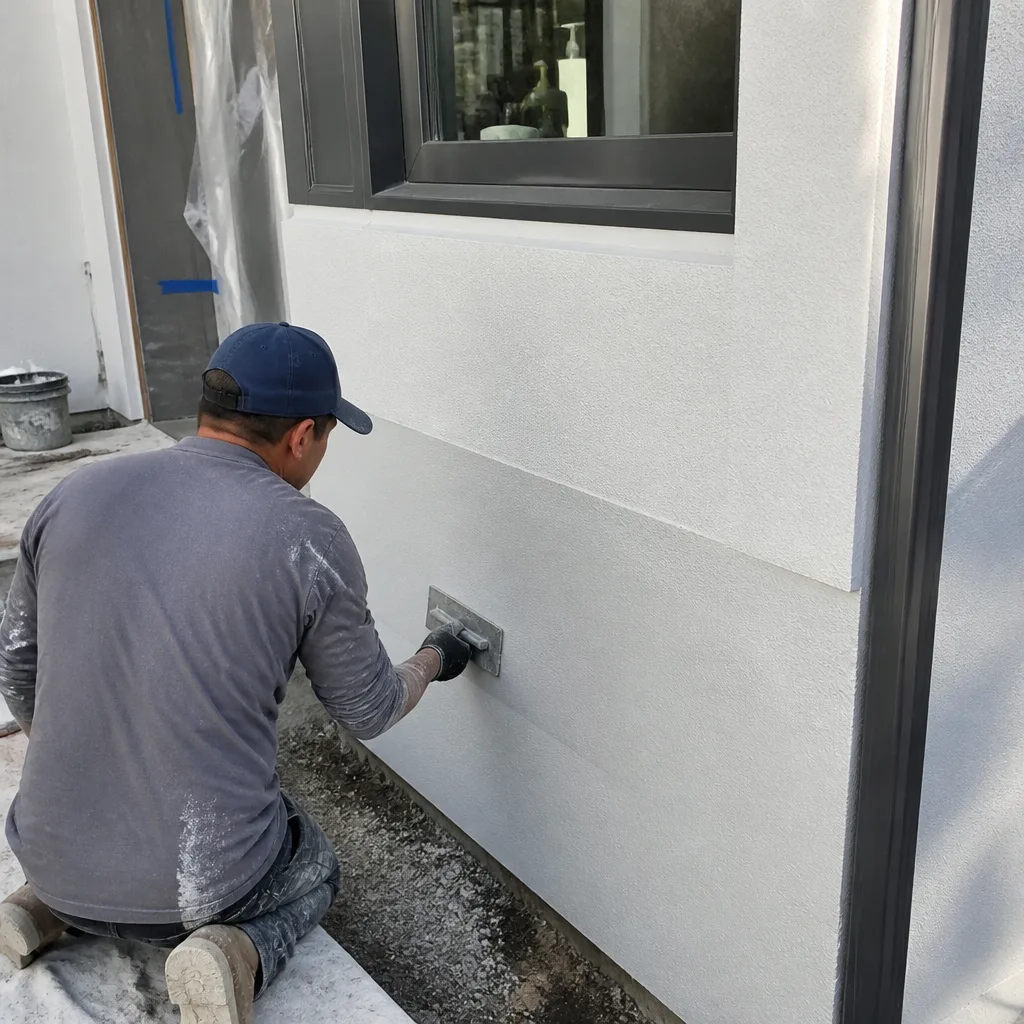 After
AfterTypical West Hollywood Home Scenarios
The Pre-War Bungalow Near La Brea
These homes, built between 1920 and 1945, typically have 900-1,100 sq ft of attic floor area, 2×4 wall framing with no cavity insulation, and original plaster ceilings. The attic hatch is usually a small pull-down in a closet. Air sealing in these homes takes longer because the top plate is often open to the wall cavity at multiple points. A full scope – air sealing plus blown-in cellulose to R-38 – typically runs $2,600-$3,800 for this building type. If walls are added via injection foam, add $1.50-$2.50 per square foot of exterior wall area.
The 1960s Garden Apartment on Formosa
Mid-century garden apartments throughout West Hollywood’s flatlands frequently have flat or very low-slope roofs with minimal attic space. Many were insulated during construction with 3.5 inches of fiberglass batt – roughly R-11 – which has been compressed and degraded over 60 years. In many cases the right answer is removal first ($1.00-$1.50 per sq ft), air sealing, and then blown-in fiberglass or cellulose to the current code minimum. Total cost on a 1,400 sq ft apartment footprint: $3,200-$4,600 depending on removal complexity.
The 1990s Townhouse in the Norma Triangle
The Norma Triangle’s townhome stock from the late 1980s and 1990s often has attic insulation that’s technically present but well below current Title 24 standards. These homes usually have better attic access than older construction, which keeps labor costs more predictable. A top-up job – air sealing plus blowing over existing insulation to reach R-38 – typically runs $1,800-$2,800 for a 1,200-1,500 sq ft footprint, assuming the existing material doesn’t need removal.
The Air Sealing Question: Why It Changes the Total
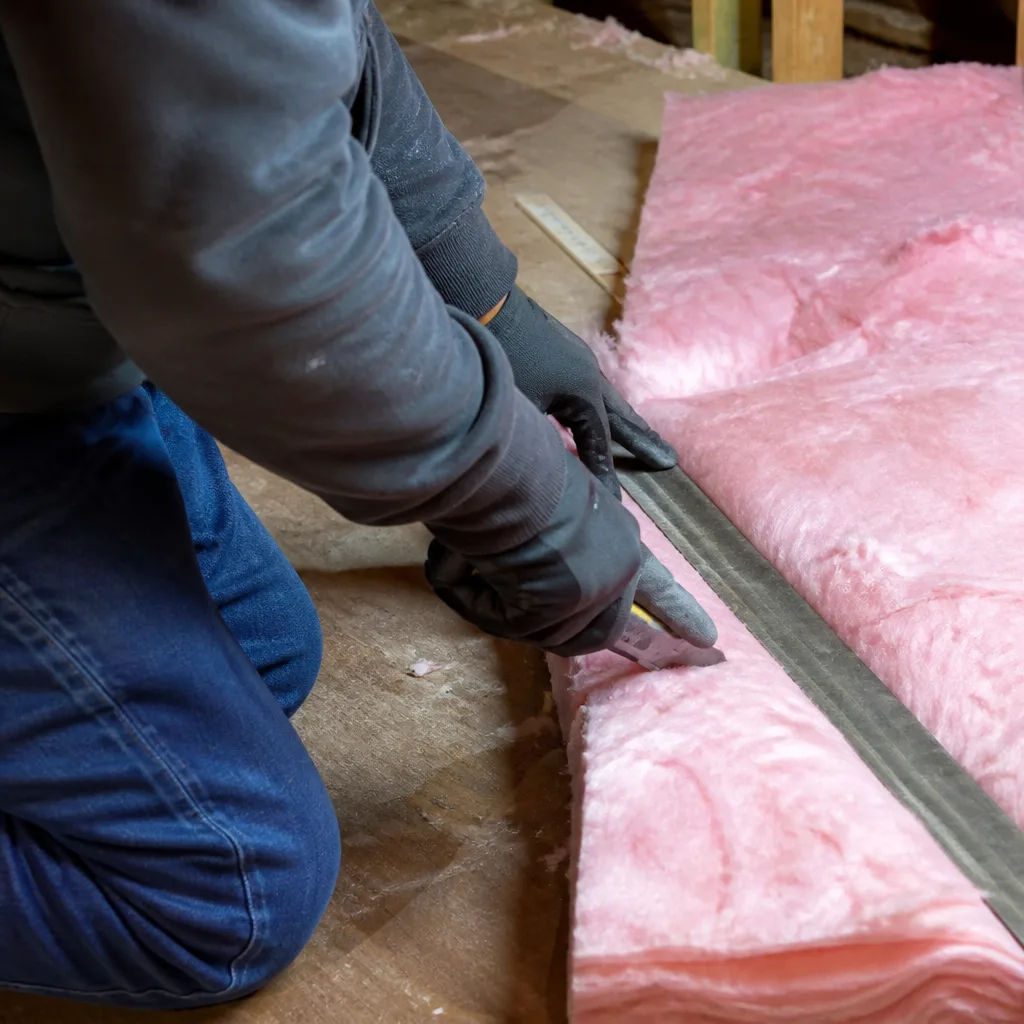
This is worth its own section because it’s the part of the quote that surprises homeowners most often.
A blower-door test – a pressurization measurement that shows, in one number expressed as CFM50, how much conditioned air a home is losing through gaps in the building envelope – almost always reveals more leakage than the homeowner expected. In West Hollywood’s older housing stock, pre-sealing blower-door readings of 3,500-6,000 CFM50 are common. After attic air sealing and blown-in insulation, the same homes typically test at 1,800-3,200 CFM50. That’s a measurable, documented change – not an estimate of savings, not a feeling, but a number on paper.
Envelope Insulation Co. publishes before-and-after blower-door numbers on every applicable job. You receive the readings as part of the Documented Photo Record that comes with every visit. This is standard practice under The Haven Standard, not an add-on service.
If a contractor quotes you blown-in insulation without mentioning air sealing, ask them directly: what happens to the conditioned air that bypasses the insulation through the top plate gaps? If they don’t have a clear answer, that’s a gap in the scope – not just in the attic.
California Title 24 and West Hollywood Code Requirements
West Hollywood falls in CEC Climate Zone 9. The current Title 24 minimum for attic insulation is R-38 for altered or newly insulated attics. If your home is permitted for an HVAC replacement or a roofing job, the building department may trigger a requirement to bring attic insulation up to code at the same time – this is called the “like-for-like” or “consequential alteration” trigger, and it catches homeowners off guard when they thought they were only pulling a roofing permit.
West Hollywood’s incorporated parcels are governed by the City of West Hollywood Building and Safety Division. Unincorporated county areas that share zip codes with West Hollywood go through Los Angeles County’s Department of Regional Planning and Building and Safety. The distinction matters because permit requirements, inspection schedules, and plan check processes differ between the two jurisdictions.
Wes Okafor and the team identify which jurisdiction your parcel falls under during the initial assessment and flag any permit triggers before the written price is issued. That’s Haven Standard Clause 1 in practice: a flat price, a written scope, and a written warranty before anyone lifts a tool.
How to Save on Blown-In Insulation in West Hollywood
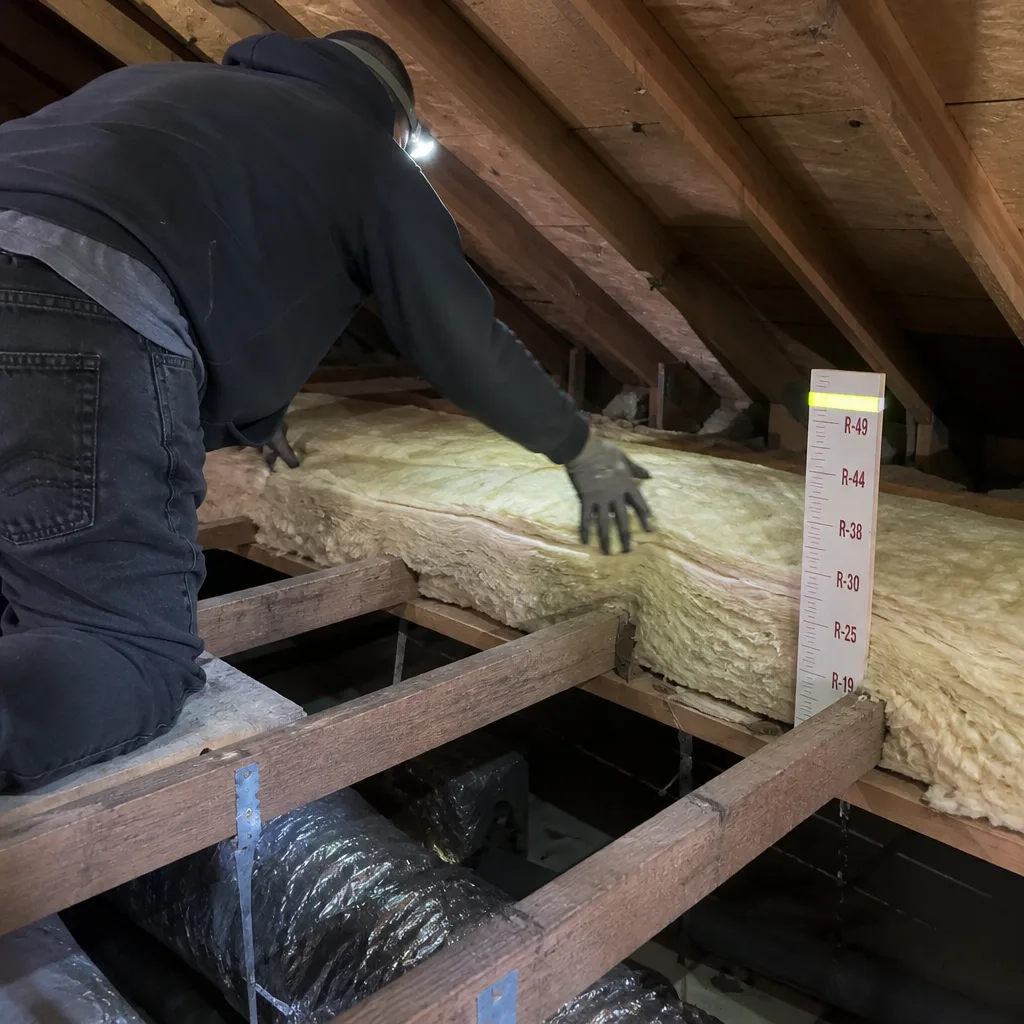
Understand What You’re Actually Buying
The cheapest quote on a blown-in job is rarely the cheapest job once you account for what was left out of the scope. The most common omissions we see on competing quotes brought to us for a second opinion: no air sealing line item, no removal of existing compromised insulation, no blower-door verification. A quote that skips air sealing saves you $600-$1,400 upfront and costs you the full benefit of the R-value you paid for, every month, for as long as you own the home.
Envelope Insulation Co. offers a Free Second Opinion on any written estimate. Bring us a competing quote – Wes Okafor or a member of the team will read it with you line by line and identify what’s in scope and what isn’t. That’s not a sales tactic; it’s how you make a confident decision with the information you actually need.
Combine Scopes Where It Makes Sense
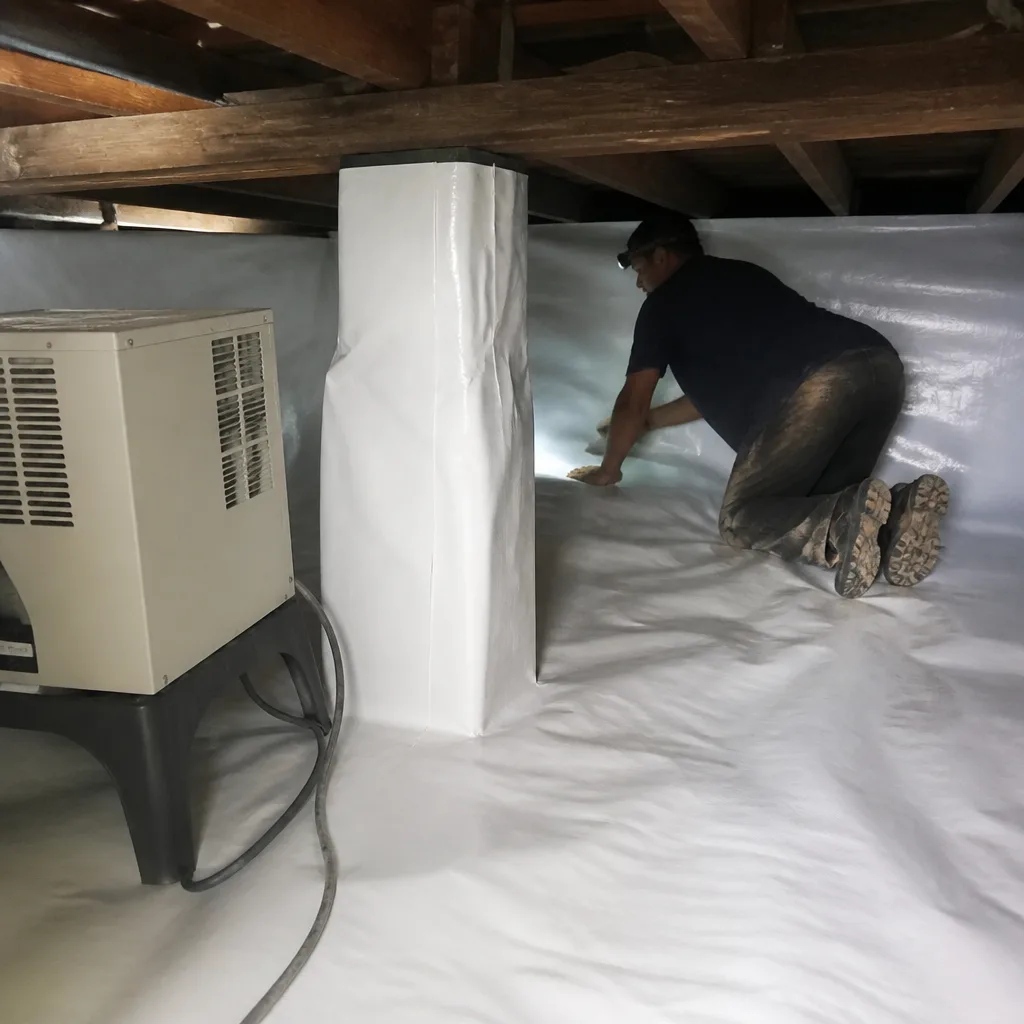
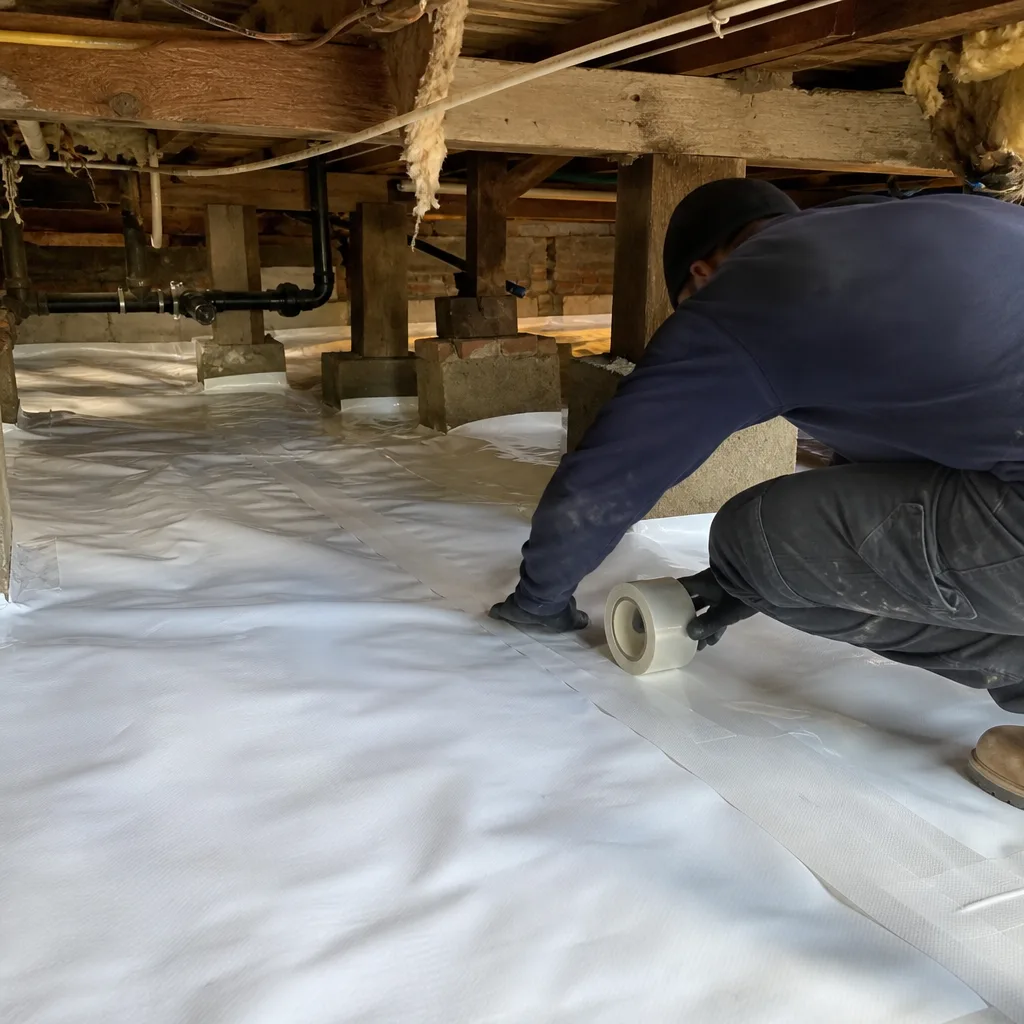
If you need insulation removal and replacement, combining that with radiant barrier installation or a crawl space vapor barrier in the same mobilization reduces the per-job overhead cost. A crew that’s already set up for attic work on your West Hollywood property can often complete a second scope – radiant barrier stapling, for example – at a lower incremental cost than scheduling it as a separate job. Ask about combined-scope pricing when you get your written estimate.
Utility Rebates Are Real, but Read the Fine Print
Southern California Edison and SoCalGas both offer rebate programs for qualifying insulation upgrades. The rebate amounts and eligibility criteria change regularly – as of early 2026, SCE’s Residential Energy Efficiency program offers rebates for insulation upgrades that meet specific R-value thresholds, but the qualifying scope, rebate amount, and documentation requirements are updated on an annual cycle. Check sce.com or socalgas.com directly for current program details, and ask your contractor whether their documentation package includes the paperwork you’ll need to submit.
The TECH Clean California program has also provided rebates for whole-home weatherization work, including air sealing, in certain income brackets. Income-qualified West Hollywood residents may be eligible for deeper subsidies through the Energy Savings Assistance (ESA) program administered by SCE. These programs require a qualifying assessment before work begins – a blower-door test or equivalent – which is another reason the pre-work measurement isn’t optional.
Don’t Over-Specify the R-Value
R-38 is the Title 24 minimum for Climate Zone 9 attics. R-49 costs roughly 20-30% more in material and adds some labor time. In West Hollywood’s climate, the incremental energy savings from R-49 over R-38 are real but modest compared to what air sealing delivers. If budget is a constraint, prioritizing air sealing to a tight standard and insulating to R-38 will outperform a rushed job insulated to R-49 with poor air sealing every time. Spend the money in the right order.
Get a Written Price Before You Commit to Anything
Haven Standard Clause 1 means exactly what it says: a flat price, a written scope, and a written warranty before any work starts. No verbal quotes, no “we’ll figure it out when we get up there.” If a contractor won’t put the price in writing before the job starts, that’s information about how the rest of the job will go.
Call (213) 306-2607 to schedule a free estimate. A named technician will assess the attic, air seal requirements, and existing insulation condition, and you’ll receive a written price before any crew returns to do work.
FAQs: Blown-In Insulation Cost in West Hollywood
How much does blown-in insulation cost per square foot in West Hollywood?
Blown-in insulation in West Hollywood runs $1.20-$2.80 per square foot of attic floor area for the material and installation combined, not including air sealing or removal of existing insulation. At R-38 depth using cellulose (GreenFiber or equivalent), expect the lower end of that range in a straightforward attic. Blown-in fiberglass from Owens Corning or Johns Manville sits in the middle, and premium mineral wool products from Rockwool push toward the upper end. Add $0.50-$1.20 per sq ft if attic air sealing is included, which it should be. Call (213) 306-2607 for a written price specific to your attic’s square footage and current condition – estimates are free.
Is it cheaper to add blown-in insulation over existing insulation or start fresh?
Adding blown-in insulation over existing material costs less upfront – typically $0.80-$1.50 per sq ft less than a remove-and-replace job. But the savings disappear if the existing insulation is compressed, contaminated, or has significant voids, because you’re essentially locking problems in rather than correcting them. In West Hollywood homes built before 1980, we find existing insulation worth building on roughly 60% of the time. The other 40% needs removal first. A proper assessment tells you which category you’re in before you commit to either approach. Written price, either way, before any work starts.
How long does blown-in insulation last in a West Hollywood attic?
Properly installed blown-in cellulose or fiberglass insulation lasts 20-30 years under normal conditions in a West Hollywood attic, though performance degrades gradually as material settles. The bigger enemy of insulation longevity in this market is moisture intrusion from roof leaks – which West Hollywood’s infrequent but sometimes heavy winter rains can cause – and rodent activity, which is common in older residential areas near Plummer Park and the Melrose corridor. Insulation that has been wet or disturbed by pests loses R-value faster and may require earlier replacement. A documented photo record at installation gives you a baseline to compare against if you’re assessing the attic years later.
Does blown-in insulation actually reduce my energy bills in West Hollywood’s climate?
Yes, but the reduction depends heavily on whether air sealing was done first. In West Hollywood’s Climate Zone 9, summer cooling loads drive the majority of residential energy costs from May through October. An attic insulated to R-38 without air sealing may reduce cooling costs by 8-12% compared to an uninsulated attic. The same attic, air-sealed and then insulated, typically shows 18-28% reductions in cooling energy use – and some homes in older West Hollywood construction see even higher reductions because the pre-seal leakage was so significant. The before-and-after blower-door readings we document on every applicable job give you a verifiable number rather than a projected percentage. That’s the difference between a contractor telling you something and being able to show you.
Can blown-in insulation be installed in the walls of an older West Hollywood home?
Yes. Injection foam and blown-in wall insulation via drilled ports is a standard approach for West Hollywood’s pre-1960 homes with uninsulated 2×4 stud cavities. The process involves drilling 2-inch holes into either the interior wall surface or the exterior cladding (depending on access and finish material), injecting material to fill the cavity, and patching the holes. Cost runs $1.50-$3.50 per square foot of wall area depending on access method and material. On stucco-clad homes – which are common throughout West Hollywood – exterior drilling is often cleaner than interior work because the patches are easier to match. Wes Okafor assesses the wall construction type and recommends the appropriate approach during the estimate visit.
What You’ll Have When the Job Is Done
At Envelope Insulation Co., every blown-in insulation job in West Hollywood closes with the same set of documents. You receive a Documented Photo Record of the attic before and after, including photos of air sealing work at top plates, can lights, and penetrations. On applicable jobs, you receive the before-and-after blower-door readings: two numbers, in CFM50, that show exactly how much conditioned air your home was losing before the work and after. You receive the written warranty that was agreed to before the job started – not issued after the crew leaves.
This is The Haven Standard, and it’s been how Envelope Insulation Co. has operated every job since 2016. Wes Okafor built the company around the premise that a homeowner should know exactly what they paid for and exactly what they got, in writing, with no ambiguity. Nine thousand homes sealed and insulated later, that hasn’t changed.
The 365-Day Done Right Promise applies to all completed work. If something isn’t right within 365 days of project completion, we make it right. That promise is in the written warranty you receive before anyone starts.
For more background on what the service covers and how assessments work, visit our home to see the full building envelope service line.
Key Takeaways
- Blown-in insulation in West Hollywood costs $1,800-$4,800 for most attic jobs, depending on square footage, material, and whether removal is needed.
- Air sealing ($600-$1,400) is a prerequisite, not an upsell. Insulation without air sealing underperforms on paper and in practice.
- California Title 24 requires R-38 minimum in Climate Zone 9 (West Hollywood). Some permit triggers can make bringing insulation to code a requirement even if insulation wasn’t the original scope.
- Before-and-after blower-door readings are documented on every applicable job. You’ll have two numbers – before and after – not a verbal estimate of improvement.
- A written price before any work starts is not optional under The Haven Standard. If a contractor can’t give you that, it’s worth asking what else won’t be in writing.
- Free Second Opinion on any competing written estimate. Call (213) 306-2607 to schedule.
- The 365-Day Done Right Promise covers all completed work, in writing.
Get a Written Price for Your West Hollywood Home
If you’re ready to see what a properly scoped blown-in insulation job looks like in writing – with air sealing included, a blower-door baseline on applicable jobs, and a Documented Photo Record when the crew leaves – call Topside Attic Insulation West Hollywood at (213) 306-2607. Wes Okafor and the team assess West Hollywood attics regularly across the Norma Triangle, the flatlands near Santa Monica Boulevard, the older construction above Fountain Avenue, and the denser multi-unit corridors near La Brea and Formosa. The estimate is free, the price will be in writing before any work starts, and no one lifts a tool without your approval.
Pricing reflects the West Hollywood market as of 2026. Topside Attic Insulation West Hollywood offers free estimates – call (213) 306-2607.
Written by Wes Okafor, Owner at Envelope Insulation Co., serving West Hollywood since 2016.
What Our Customers Say
"Crawl space encapsulation done properly. Photographs of the vapour barrier at every seam, and the damp smell in the hallway is gone."
- Ainsley P."They photographed rodent damage in the old insulation that we had no idea about, and priced the exclusion work separately so we could decide."
- Harriet N."Turned up on time, protected the hallway, and the written scope matched what was actually done."
- Bruno S.