
How Much Does Attic Air Sealing Cost in West Hollywood?
Attic Air Sealing services in West Hollywood typically cost between $950 and $2,800 for a single-family home, with most jobs landing in the $1,200 to $1,900 range depending on attic square footage, number of penetrations, and current air barrier condition. Most jobs are completed in one day, and if you’re combining air sealing with new insulation - which is the correct sequence - the total project usually runs $2,400 to $5,500 for a 1,500 to 2,200 sq ft home.
Attic Air Sealing Cost Breakdown (2026)
The table below reflects what we actually see in the West Hollywood market. These are not national averages padded to look local - they’re the ranges that show up on written scopes for homes in this area, from smaller bungalows in the Norma Triangle to larger craftsman and mid-century buildings closer to the Sunset Strip corridor.
| Scope of Work | Typical Price Range (2026) | Notes |
|---|---|---|
| Air sealing only - small attic (under 800 sq ft) | $950 - $1,300 | Fewer top-plate penetrations; common in older WeHo condos and attached units |
| Air sealing only - mid-size attic (800-1,400 sq ft) | $1,200 - $1,750 | Most common range for single-family homes in West Hollywood |
| Air sealing only - larger attic (1,400-2,200 sq ft) | $1,700 - $2,800 | Homes with complex framing or multiple HVAC penetrations push toward the top |
| Air sealing + blown-in insulation (mid-size home) | $2,400 - $4,200 | Sealed first, then insulated - the only sequence we will do |
| Air sealing + blown-in insulation (larger home) | $3,800 - $5,500 | Includes documented blower-door readings before and after |
| Air sealing + spray foam at critical penetrations | $1,400 - $2,500 | Two-component closed-cell foam at top plates, can lights, plumbing chases |
| Pre-sealing blower-door test (standalone) | $250 - $450 | Often credited toward the full job; gives you a baseline CFM50 reading |
| Before-and-after blower-door test (included on applicable jobs) | Included | We publish the numbers - you see the actual air-change improvement |
A few things drive these numbers. Labor accounts for roughly 55 to 65 percent of most air-sealing jobs because the work is slow, physical, and done in a confined space in summer heat that regularly hits the attic floor at 140°F or above in West Hollywood. Materials - two-part spray foam, fire-rated caulk, rigid foam board, mastic tape - are not expensive per unit, but a thorough job on a home with 40 or 50 penetrations uses more than people expect. Homes built before the mid-1970s tend to cost more to seal because the framing is less standardized: top plates don’t always line up where you expect them, and there are often old electrical runs that require careful mastic work around them rather than direct foam application.
If a contractor quotes you significantly below $900 for anything but a very small attached unit, it’s worth reading the scope carefully. Air sealing that skips the top plates - the gap that runs the full perimeter of your ceiling between the drywall and the attic floor - is not air sealing. It’s foam applied to the visible holes, which leaves the biggest bypass untouched.
What Affects Attic Air Sealing Pricing in West Hollywood
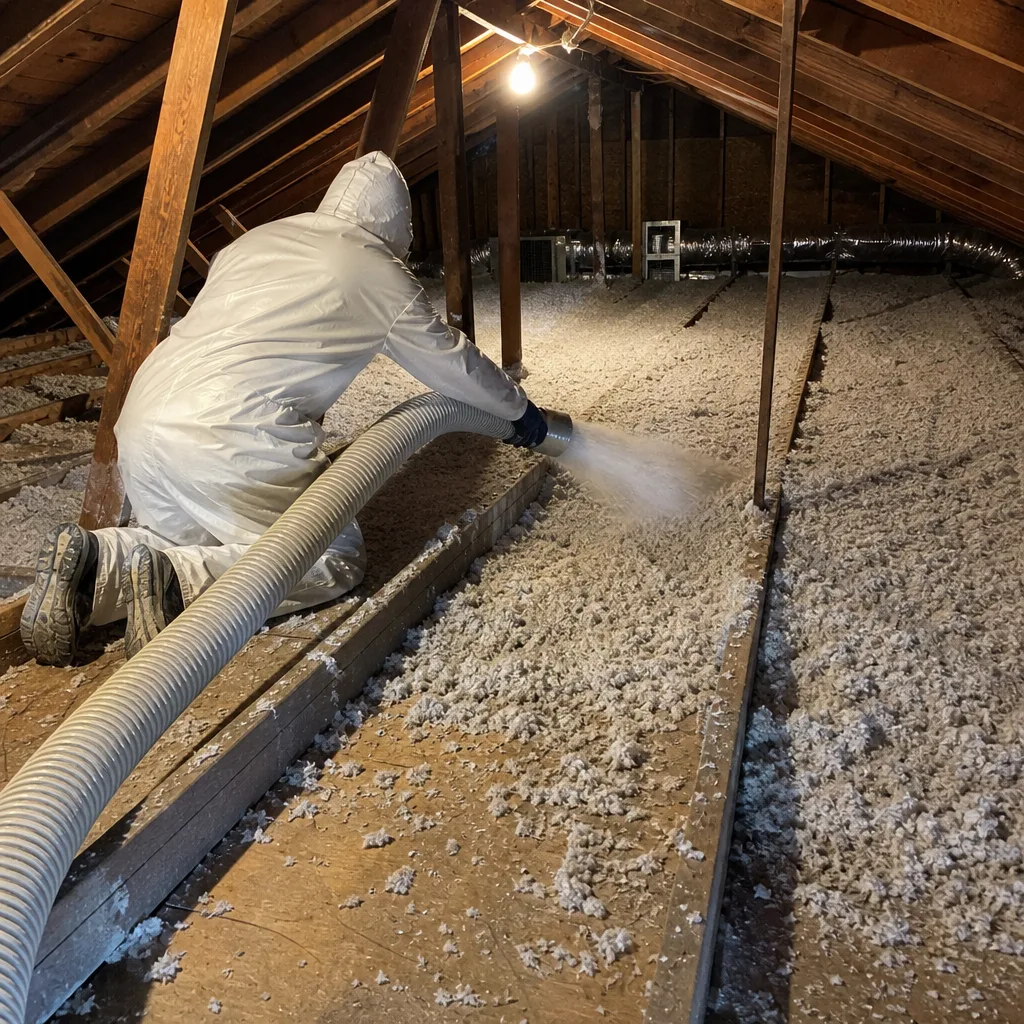
- Attic square footage and access. A 900 sq ft attic with a single hatch off a hallway takes longer to work through than the same square footage with a pull-down stair. West Hollywood has a mix of both - many of the post-war dingbat-style apartment buildings converted to condos have genuinely awkward access that adds time. Tight clearances under roof trusses also slow the technician’s movement, which increases labor cost.
- Number and type of penetrations. Every can light, every plumbing vent stack, every HVAC boot, every top-plate gap is a separate task. A 1,600 sq ft home in West Hollywood built in the 1950s or 1960s might have 35 to 55 individual penetrations to address. A 2005 build with updated can lights already fitted with airtight IC housings might have 15. The count matters more than the square footage in some cases.
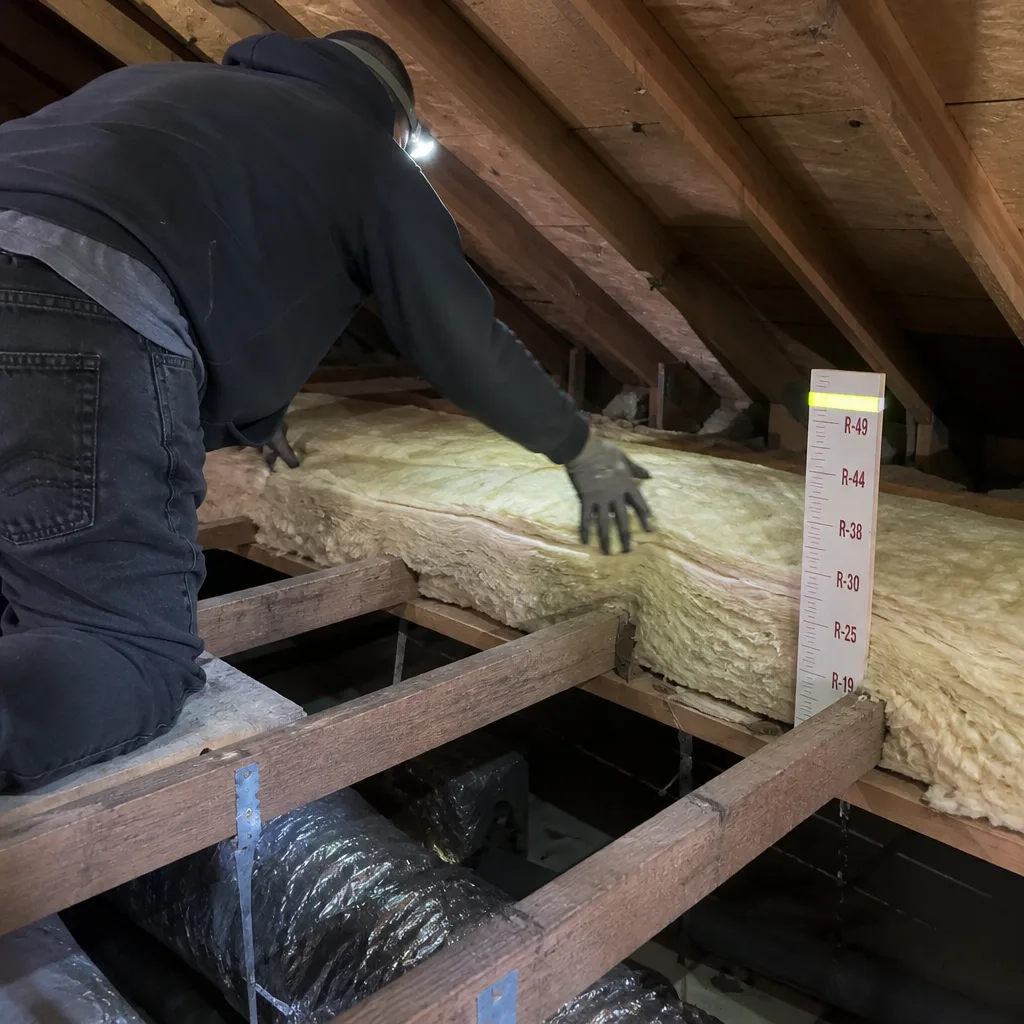
- Existing insulation removal or work-around. If the attic has old, settled fiberglass batts laid flat across the floor, a technician can often work around them for the sealing phase without removing everything. But if the insulation is blown-in cellulose that’s piled against the top plates, it has to be pulled back before sealing can happen, then replaced. That adds two to four hours and shows up in the price.
- Presence of recessed lighting (can lights). Open-bottomed can lights - still common in West Hollywood homes built between 1970 and 2000 - are one of the single largest air-bypass points in an attic floor. Sealing them properly requires either a fire-rated rigid foam box sealed with caulk, or replacement with airtight fixtures. The latter is an electrician’s job, but building the box is part of our scope. Homes with many of these push cost upward.
- West Hollywood’s climate position. West Hollywood sits just inland from the marine layer, which means the attic temperature swings are less extreme than the San Fernando Valley - but summer afternoons still push attic temps well past 130°F, and the real driver of energy loss here is the HVAC system fighting an unsealed thermal boundary year-round. That climate reality makes air sealing more economically justified in WeHo than in purely coastal neighborhoods, but it doesn’t change the price; it changes the payback period.
- HVAC equipment and ductwork in the attic. If the air handler and supply plenum are sitting in the attic - which is common in a lot of West Hollywood single-family homes - the sealing scope becomes more involved. Every duct penetration through the attic floor is a potential bypass, and the area around the air handler itself often has poorly sealed openings that outperform all the can lights combined in terms of conditioned air lost per hour. Jobs with attic HVAC equipment routinely come in 15 to 25 percent higher than comparable homes with mechanical rooms or garage-mounted equipment.
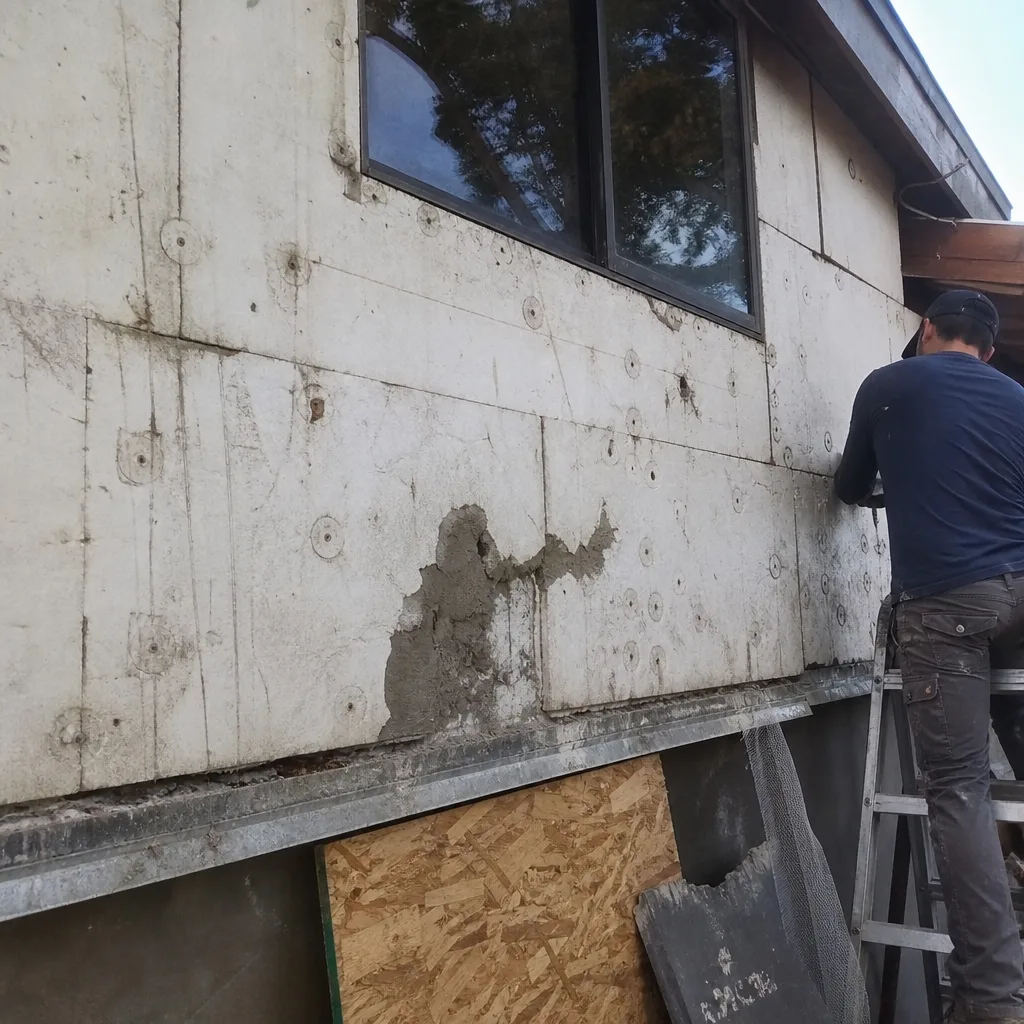 Before
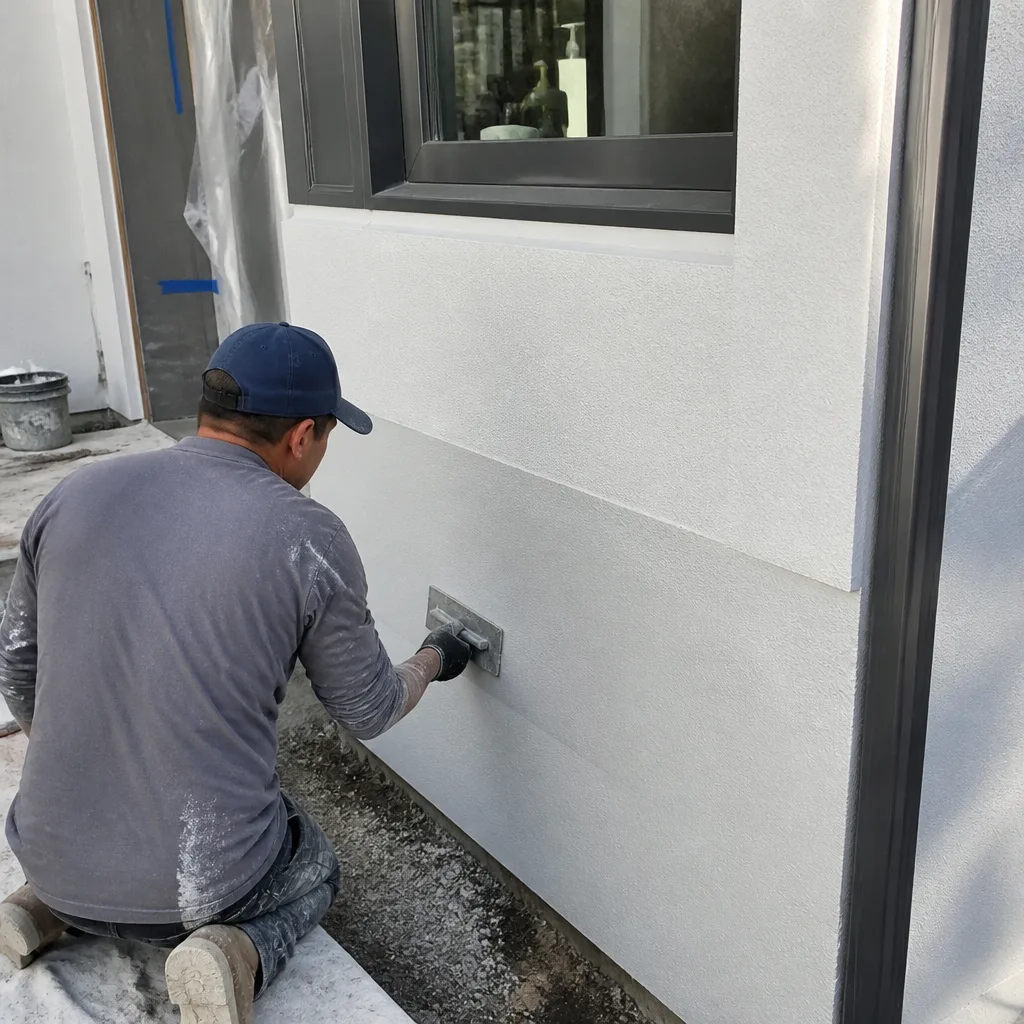 After
AfterHow to Save on Attic Air Sealing
Bundle the work correctly
The biggest single way to reduce your cost per square foot is to combine air sealing with a full insulation replacement in one mobilization. When we’re already in the attic pulling out old insulation, addressing the top plates and penetrations before blowing in new material costs less in labor than scheduling it as a separate visit. Most homeowners who are already at the point of replacing insulation that’s 20 or 30 years old get the air sealing done at the same time for a meaningful discount on the combined scope.
What we won’t do is skip the sealing to reduce the price. Insulation over an unsealed attic floor is the single most common mistake we reverse in West Hollywood, and the energy math doesn’t work without the air barrier in place first. You’re paying for R-value that underperforms because conditioned air is bypassing the insulation entirely through the top-plate gaps.
Get the blower-door baseline before you decide anything
A pre-sealing blower-door test - a pressurization reading that shows, in one number, how much air your building envelope is losing - tells you whether air sealing is the right priority or whether window and door infiltration is actually the bigger problem. In West Hollywood, we often find that homes in older blocks near Santa Monica Boulevard have envelope issues spread across multiple locations, not just the attic. Knowing your CFM50 number before committing to a scope prevents spending money in the wrong place.
Use California’s utility rebate programs
SoCalGas and SCE both offer rebates on air-sealing work completed as part of an energy upgrade. The rebate amounts change annually, but qualifying homes in the 2026 program year have recovered between $150 and $400 depending on the scope and verified air-change improvement. The verification is one reason we provide before-and-after blower-door readings: the post-job number is often required documentation for rebate submission. Ask us about current program eligibility when you call for your written price.
Ask for a written scope before agreeing to anything
Under Haven Standard Clause 1, a written price before any work starts is not optional for us - it’s the foundation of how Envelope Insulation Co. operates. But not every contractor in West Hollywood works this way. When you’re getting multiple quotes, insist on a written scope that itemizes what’s being sealed, what materials are being used, and what the finished job looks like. A verbal quote for “attic air sealing” could mean anything from a thorough top-plate-to-penetration job to aerosol foam around two plumbing vents. The written scope is how you compare apples to apples.
Take advantage of our free second opinion
If you already have a written estimate from another contractor, bring it to us. We’ll read it with you, line by line, and tell you what’s in it, what’s missing, and how our own written price compares. There’s no obligation and no sales pressure. Call (213) 306-2607 to schedule a free estimate or a second opinion on an existing quote.
What the Work Actually Looks Like
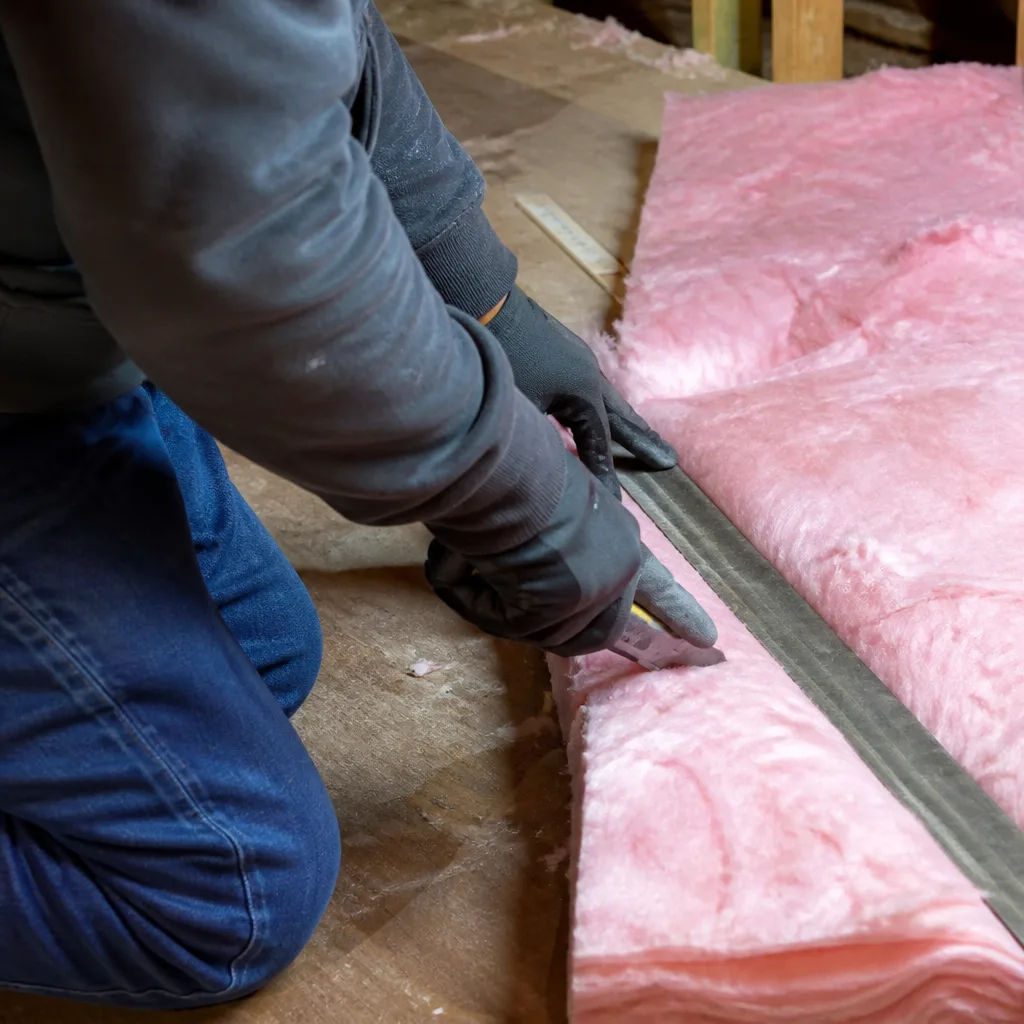
This section exists because “attic air sealing” means something specific - and a lot of homeowners in West Hollywood have been quoted for it without ever seeing a clear description of what a thorough job includes.
Here’s what we document and complete on a standard job:
- Top-plate sealing: The gap that runs the full perimeter of your ceiling between the drywall plane and the attic floor. On most older West Hollywood homes, this is the primary bypass. We use two-component spray foam or fire-rated caulk depending on gap width, and we work the full perimeter, not just the visible sections.
- Can-light enclosures: Open-bottomed recessed fixtures are capped with rigid foam boxes sealed at the base with caulk. If the fixture is not IC-rated (safe for insulation contact), the box creates the required clearance. This is not optional - skipping it leaves a direct thermal chimney through the ceiling.
- Plumbing vent stack penetrations: Each stack is sealed where it passes through the attic floor using fire-rated caulk or mastic, depending on pipe diameter and material.
- Electrical penetrations: Wire bundles and electrical boxes passing through the ceiling plane are sealed with fire-rated caulk. We do not use standard spray foam on electrical penetrations.
- HVAC duct boots and chases: Where supply and return duct boots pass through the attic floor, the gap around the boot is sealed. Where there is an unsealed chase, we install rigid foam board and seal the perimeter.
- Attic hatch: The hatch frame is weather-stripped and, where applicable, a rigid foam panel is added to the back of the hatch door to bring it to a reasonable R-value. An unsealed hatch can account for 10 to 15 percent of total attic air leakage on its own.
When the work is done, you receive a Documented Photo Record covering each completed area, plus the before-and-after blower-door numbers on applicable jobs. The blower-door readings are not a marketing document - they’re a pressurization measurement that shows, in a single figure, how much conditioned air the home was losing before and after the work. If the number didn’t move meaningfully, the job didn’t work, and we’d tell you that before we left.
All of this is covered under the 365-Day Done Right Promise: if the work we completed isn’t performing as scoped, we come back and make it right. That promise is in writing before anyone starts, not offered verbally after the invoice is paid.
Air Sealing vs. Adding More Insulation: What West Hollywood Homes Actually Need
This comes up on nearly every job we assess in West Hollywood. A homeowner has noticed high cooling bills or uneven temperatures from room to room, and the first instinct - or the first contractor recommendation - is to add more insulation. Sometimes that’s right. Often it isn’t.
Insulation slows heat transfer by conduction. Air sealing stops air movement - infiltration and exfiltration - which carries heat by convection. These are two separate physical mechanisms, and they require two separate solutions. A home can have R-38 in the attic and still lose enormous amounts of conditioned air through top-plate gaps and can lights, because the insulation is not stopping air movement; it’s only slowing the heat that conducts through the material itself.
In West Hollywood specifically, we regularly find homes in the Melrose Hill and West Knoll Drive areas where insulation was added on top of existing batts without any air sealing underneath. The blower-door readings on these homes often come back high - sometimes 3,500 to 5,000 CFM50 or more - which tells us the envelope is leaking heavily despite adequate insulation depth. Adding another two inches of blown-in on top does almost nothing for that number.
The correct sequence is sealed first, then insulated. That’s not a preference - it’s the physical reality of how building envelopes work. And it’s the only sequence we use at Attic Air Sealing in West Hollywood.
Permits and Code Requirements for Attic Air Sealing in West Hollywood
West Hollywood is its own incorporated city and falls under the Los Angeles County Fire Code for attic work, but enforces its own building and permit requirements through the City of West Hollywood Community Development Department. For a straight air-sealing-only job with no structural modifications, a permit is typically not required. However, if the job involves replacing can lights with airtight fixtures, adding an attic access hatch where none existed, or modifying HVAC connections, a permit may be required depending on the scope.
We pull permits when the work requires them. We don’t advise unpermitted shortcuts to reduce the price, and if a quote you’ve received doesn’t address permitting at all on a scope that might require it, it’s worth asking the question directly.
California’s Title 24 energy code, which governs building envelope performance standards, is increasingly relevant in WeHo as homeowners do partial or full remodels. If you’re doing any work that triggers a Title 24 compliance review, air sealing and blower-door verification may be required as part of the final inspection. We can provide the documentation needed for those submissions.
What West Hollywood Homes Are Up Against
West Hollywood’s housing stock is unusually diverse for a city of its size. You have post-war apartment buildings from the late 1940s and 1950s, craftsman bungalows from the 1920s and 1930s, mid-century modern homes from the 1960s, and significant newer construction from the 2000s and 2010s on infill lots throughout the city. Each era has its own air-sealing challenges.
Pre-1960 homes typically have open, uninsulated top plates and zero original air barrier. The framing was done before energy codes existed, and the gaps at the ceiling plane can be large and numerous. These homes benefit the most from air sealing and often show the largest blower-door improvement numbers after a thorough job.
Homes from the 1970s and 1980s often have the worst combination: some insulation that was added as an afterthought, but no air sealing underneath it, and a high density of recessed can lights that were fashionable in that era and were installed without any air-barrier provisions. The Santa Monica Boulevard corridor has a lot of this vintage.
Newer construction in West Hollywood is more airtight by code, but “more airtight” is relative. We’ve pulled blower-door readings on homes built in 2008 or 2012 that were still leaking at levels that justify full air sealing. Code minimum is not the same as optimal.
If you’re not sure where your home falls, a pre-sealing blower-door test gives you an exact number to work from rather than a guess.
Frequently Asked Questions: Attic Air Sealing Cost in West Hollywood
How much does attic air sealing cost in West Hollywood in 2026?
Most attic air-sealing jobs in West Hollywood run between $1,200 and $1,900 for a standard single-family home. Smaller attached units or condos can come in at $950 to $1,300, and larger homes with complex penetrations or attic HVAC equipment typically land between $1,700 and $2,800. These prices reflect labor and materials for a thorough job - top plates, can lights, plumbing and electrical penetrations, HVAC boots, and attic hatch. Call (213) 306-2607 for a written price specific to your home’s footprint and current attic condition.
Is it cheaper to just add insulation instead of air sealing first?
Adding insulation without air sealing first costs less upfront but doesn’t fix the actual problem in most West Hollywood homes. Insulation slows conductive heat transfer; it doesn’t stop air movement. If your attic floor has significant top-plate gaps or open can lights, conditioned air is bypassing the insulation entirely through convection. We’ve measured homes with R-38 attics that still read 4,000+ CFM50 on the blower door because no air sealing was done first. The correct sequence is sealed first, then insulated, and when both are done together in one mobilization, the combined cost is usually more economical than two separate visits.
Does attic air sealing require a permit in West Hollywood?
For a standard air-sealing-only job with no structural modifications or fixture replacements, a permit is typically not required in West Hollywood. If the scope includes replacing existing can lights with new airtight fixtures (which requires a licensed electrician), or adding a new attic hatch, a permit may apply. We assess this during the initial walkthrough and include permit requirements in the written scope before any work starts.
How long does attic air sealing take, and is it done in one day?
Most attic air sealing jobs in West Hollywood are completed in a single day. A mid-size home of 1,000 to 1,600 sq ft with a standard number of penetrations typically takes four to seven hours. Larger homes, or homes with attic HVAC equipment and many can lights, may run eight hours or occasionally require a second half-day visit. The written scope we provide before starting will tell you what to expect in terms of timeline, so there are no surprises.
What documentation do I receive after attic air sealing?
Every job closes with a Documented Photo Record covering each sealed area - before-and-after images of top plates, penetrations, can-light enclosures, and the attic hatch. On applicable jobs, we provide before-and-after blower-door readings: the CFM50 number your home was at before sealing and the number after. These are not approximate; they are the actual pressurization measurements taken with calibrated equipment. You also receive the written warranty tied to the 365-Day Done Right Promise, and a written record of the materials used by brand and type. This documentation is included on every visit, not available on request.
Can attic air sealing in West Hollywood qualify for utility rebates?
Yes. SoCalGas and SCE both run rebate programs that can apply to qualified air-sealing work in West Hollywood. Rebate amounts in the 2026 program year have ranged from $150 to $400 for qualifying scopes, and some projects may qualify for additional incentives under California’s statewide energy efficiency programs. Verification of the air-change improvement - typically documented with blower-door readings before and after the work - is often required for rebate submission. We provide those numbers as standard on applicable jobs. Ask about current program eligibility when you call for your estimate.
Key Takeaways
- Attic air sealing in West Hollywood costs $1,200 to $1,900 for most single-family homes in 2026.
- The price is driven by attic size, penetration count, existing insulation condition, and whether HVAC equipment is in the attic.
- Air sealing without insulation, or insulation without air sealing first, are both partial solutions. The correct order is sealed first, then insulated.
- Before-and-after blower-door readings are included on applicable jobs so you can verify the result in a single number.
- California utility rebates (SoCalGas, SCE) can reduce net cost by $150 to $400 for qualifying work.
- A written price before any work starts is non-negotiable. The written scope tells you exactly what’s being sealed, with what materials, and what the job looks like when it’s done.
- The 365-Day Done Right Promise covers all completed work in writing.
Get a Written Price for Your West Hollywood Home
Wes Okafor and the team at Envelope Insulation Co. have worked through more than 9,000 homes since 2016, and every one of those jobs started with a written price and closed with a documented record. If you’re researching attic air sealing in West Hollywood and want a specific number for your home, call (213) 306-2607. You’ll reach a live person, not a voicemail. We’ll schedule an assessment, walk the attic, and give you a written scope and flat price before anyone picks up a tool.
If you already have a written estimate from another contractor, bring it. We offer a free second opinion on any written quote, and we’ll read it with you line by line. No obligation.
To learn more about our process and what a thorough job includes, visit the home page or read through the full service overview for Attic Air Sealing in West Hollywood.
Written by Wes Okafor, Owner at Envelope Insulation Co. (operating as Topside Attic Insulation West Hollywood), serving West Hollywood since 2016.
Pricing reflects the West Hollywood market as of 2026. Topside Attic Insulation West Hollywood offers free estimates – call (213) 306-2607.
What Our Customers Say
"Turned up on time, protected the hallway, and the written scope matched what was actually done."
- Bruno S."Two other companies quoted to blow more insulation on top of what was there. These were the only ones who said the existing material had to come out first, and explained why."
- Clifford E."Crawl space encapsulation done properly. Photographs of the vapour barrier at every seam, and the damp smell in the hallway is gone."
- Ainsley P.