
GreenFiber Radiant Barrier Installation: The West Hollywood Owner’s Guide
GreenFiber radiant barrier installation in West Hollywood typically runs $1,800-$3,400 for a 1,200-2,000 sq ft attic, and we stock the full GreenFiber-compatible line for same-day or next-morning scheduling. Most West Hollywood homeowners realize their radiant barrier is compromised when second-floor rooms won’t cool below 78°F even with the AC running flat out, or when they spot sagging, dusty sections in the attic that have pulled loose from the rafters. We carry the 24-inch and 48-inch rolls, the staple-up and draped configurations, plus the GreenFiber-recommended breathable tape for seam sealing.
Which GreenFiber Models This Applies To
GreenFiber doesn’t sell radiant barrier as a standalone branded system. Instead, their cellulose insulation - the SANCTUARY line, formerly sold as Cocoon - is frequently paired with reflective radiant barrier in attics across West Hollywood’s 1940s-1970s housing stock. The compatibility question isn’t model-to-model; it’s whether your existing radiant barrier was installed as a draped assembly over the rafters, a staple-up application against the roof deck, or a hybrid system with GreenFiber blown-in on the attic floor and reflective barrier on the slope.
To identify what you’ve got, look for the ASTM C1313 marking on the reflective face, check the mil thickness (most GreenFiber-compatible installs use 4-6 mil reinforced foil), and measure the roll width against your rafter spacing. West Hollywood’s older bungalows off Santa Monica Boulevard often have irregular 19.2-inch or 24-inch on-center framing, not the modern 16-inch standard. We stock both widths. OEM-spec barrier runs about 15-20% higher than quality aftermarket equivalent from Reflectix, but the emissivity rating - 0.03 to 0.05 on either - is functionally identical for our climate zone.
Signs Your GreenFiber Radiant Barrier Installation Is Failing
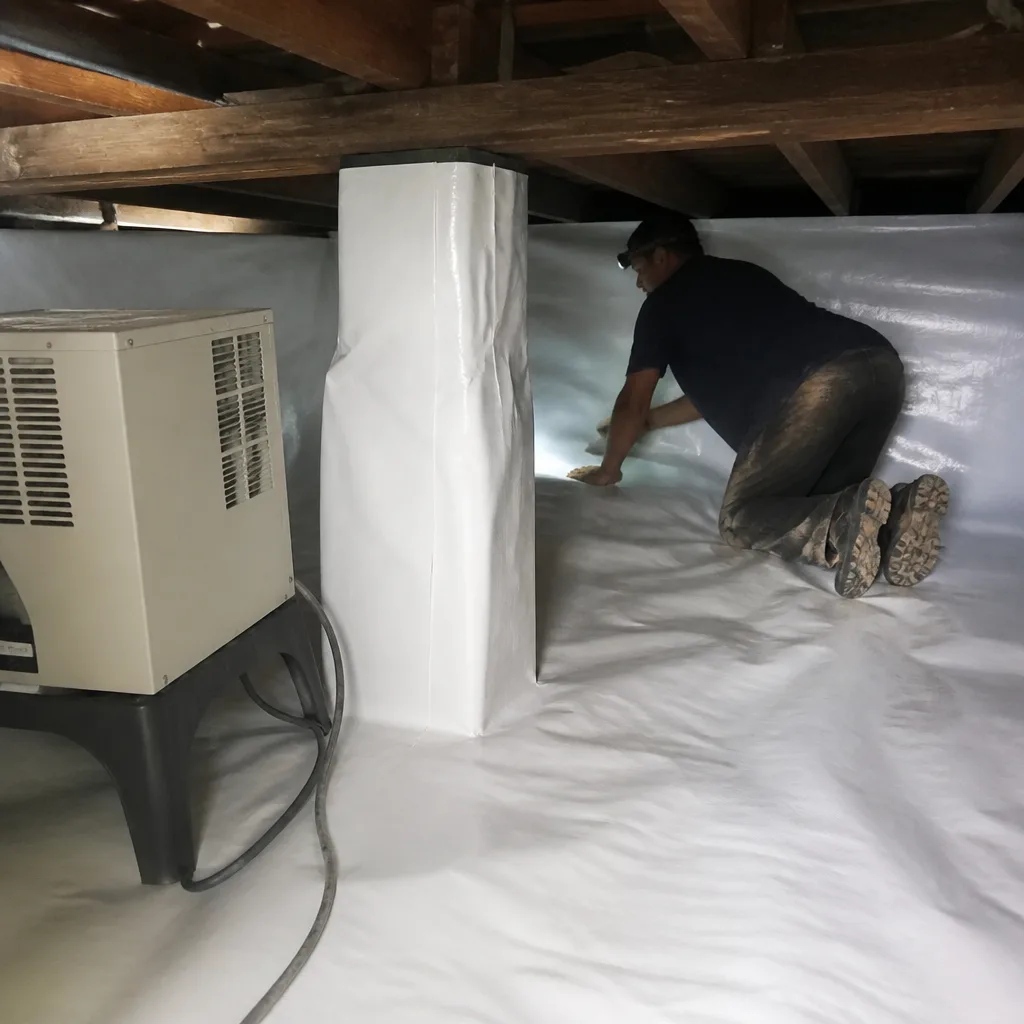
- Sagging or fallen sections. West Hollywood’s dry heat cycles attic temperatures past 140°F in summer, degrading the adhesive on tape seams and causing draped barrier to pull away from rafter clips. Once a section drops onto the insulation below, it stops reflecting radiant heat entirely and becomes a conductor.
- Dust-coated reflective surface. GreenFiber cellulose is treated with borate fire retardant, but fine particles still migrate in attic airflow. A reflective surface with visible dust film has emissivity that jumps from 0.03 to 0.30 or higher - meaning it’s reflecting maybe 10% of radiant heat instead of 97%. We see this most in homes near the La Brea corridor where Santa Ana winds press dust through ridge vents.
- Hot second floor despite functional AC. Your compressor runs, ducts are sealed, but upstairs rooms hit 82°F by 4 PM. The radiant barrier may have gaps at the ridge or eaves where installers cut corners, or sections may have torn at penetrations for bath fans or solar conduit.
- Visible tears at electrical or HVAC penetrations. Every recessed light, junction box, or flex-duct boot that punches through radiant barrier needs a sealed collar. In West Hollywood’s 1960s ranch remodels, we regularly find bare holes where an electrician ran Romex through the barrier and never sealed the gap - a thermal short circuit.
- Moisture staining on the foil face. This signals a backwards install. Radiant barrier needs the reflective face toward the open attic air, not pressed against roof sheathing where trapped condensation breeds mold. GreenFiber-compatible installs gone wrong often show this on north-facing slopes where morning dew lingers.
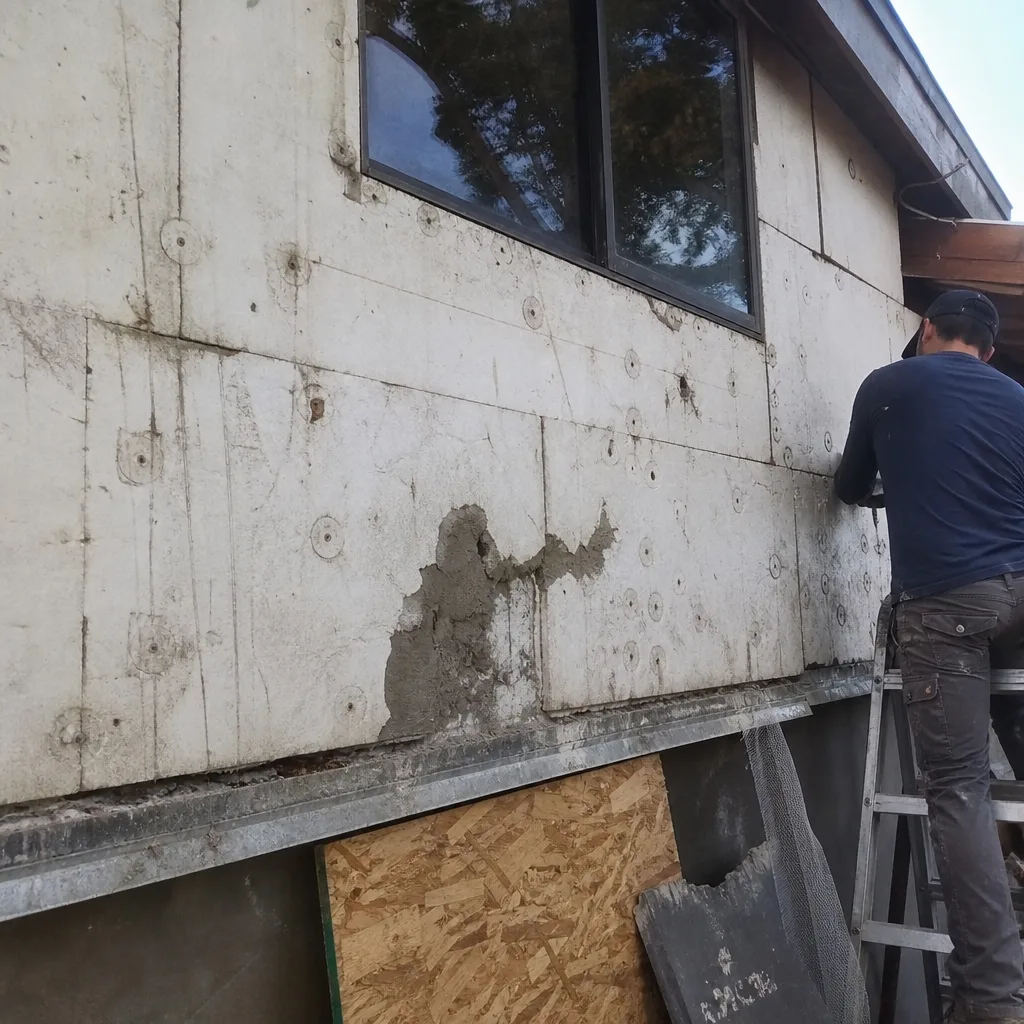 Before
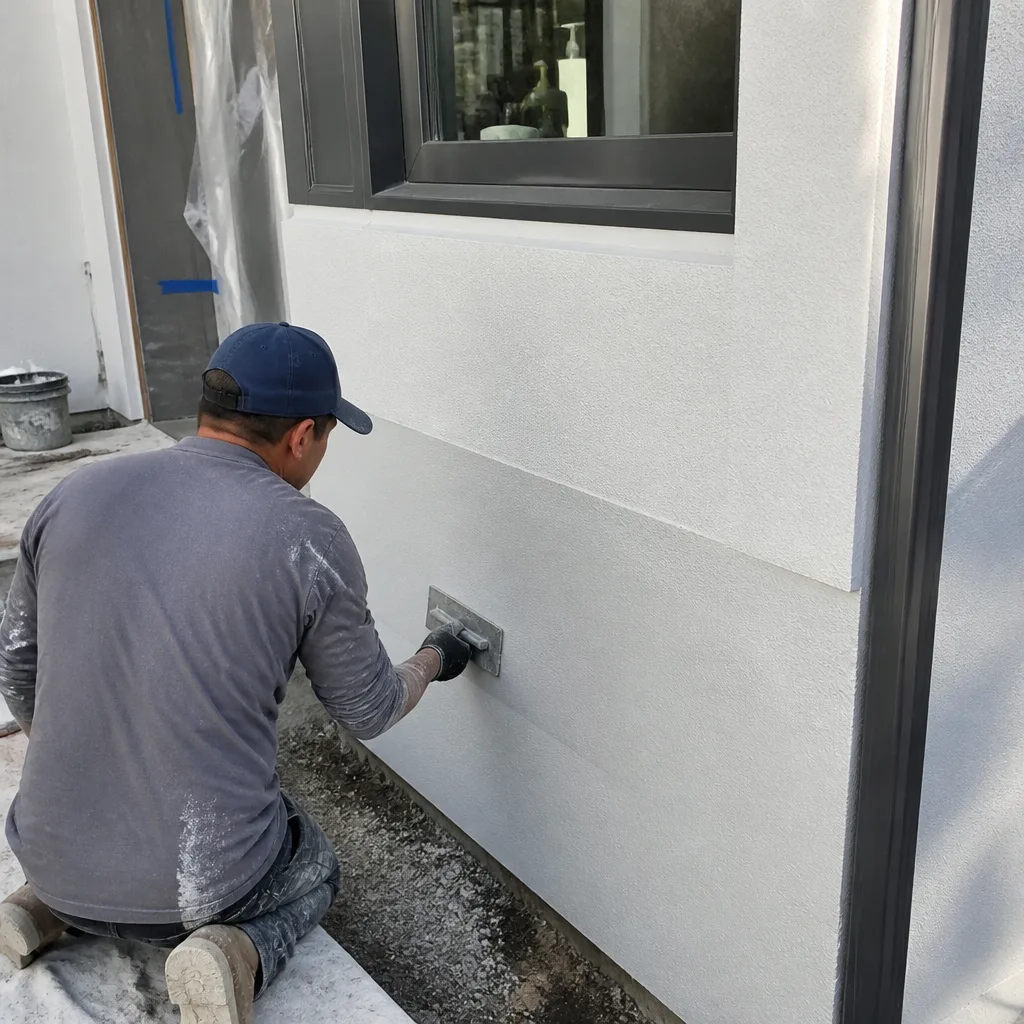 After
AfterReplacement Cost & What’s Included
In West Hollywood, most GreenFiber radiant barrier replacements run $1,800-$3,400 installed, with the final price driven by attic square footage, accessibility (truss height and hatch location), and whether we’re repairing a partial failure or stripping and replacing the full assembly. A typical job includes removal of compromised sections, air sealing of top plates and penetrations with fire-rated caulk and rigid foam, installation of new reinforced foil barrier with GreenFiber-compatible breathable tape at all seams, and a Documented Photo Record of the completed work.
Jobs with blower-door testing included - our standard on full replacements - add the before-and-after pressurization reading so you can verify the air-sealing result in a single figure. We don’t start without a Written Price Before Any Work Starts, and every replacement carries our 365-Day Done Right Promise. Materials come from our GreenFiber and Reflectix inventory; no proprietary lock-in, no surprise upcharges.
DIY or Call Us?
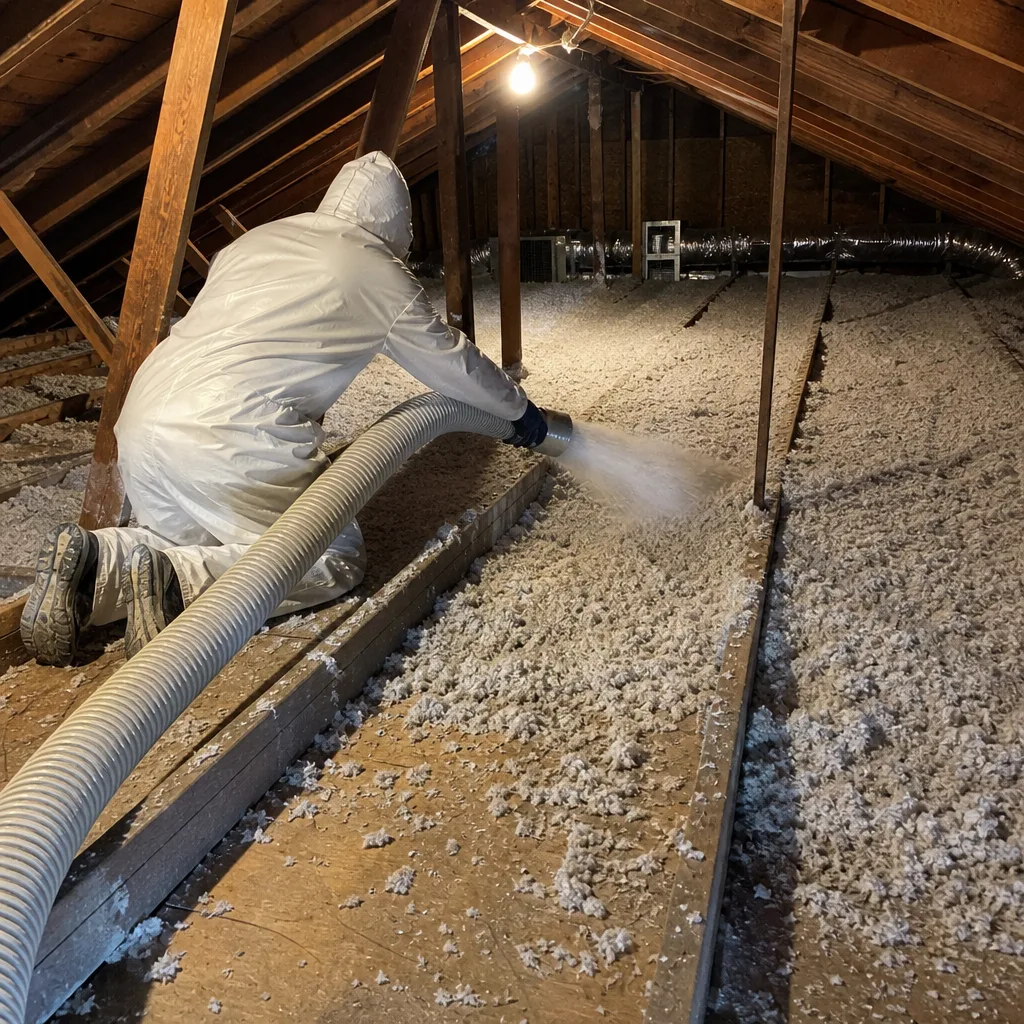
There’s no high-tension danger in radiant barrier work, but there are genuine ways to make the problem worse. A homeowner can safely inspect from the attic hatch with a flashlight, photograph sagging sections, and check for the ASTM marking on existing foil. What goes wrong fast: walking the rafters in a 1940s West Hollywood attic with 2×4 ceiling joists not rated for foot traffic, compressing GreenFiber cellulose below and destroying its R-value; installing barrier with the reflective face backwards, trapping moisture against roof sheathing; or sealing seams with standard duct tape that fails in three months of attic heat.
We carry 4-mil and 6-mil rolls, both widths, plus the fire-rated tape GreenFiber specifies for contact with cellulose. If your barrier is failing in multiple locations or your attic hasn’t been air-sealed, call (213) 306-2607. We’ll read your situation with you - no charge for the assessment, and we’ll put the price in writing before anyone lifts a tool.
FAQs
Properly installed reinforced foil radiant barrier lasts 20-30 years in our dry climate, though dust accumulation and tape seam failure often reduce effective performance to 10-15 years without maintenance. The foil itself doesn’t degrade; the installation details fail first. Call (213) 306-2607 for an attic inspection and exact condition report - estimates are free.
Localized tears and fallen sections can be patched if the surrounding barrier is clean and structurally sound, but we rarely recommend it for systems over 12 years old. The labor to patch often approaches half the cost of replacement, and you still inherit the original tape seams and dust load. We price both options in writing so you can compare.
Most West Hollywood homes run one full day for removal, air sealing, and new installation; larger attics or jobs requiring insulation redistribution may extend to a second day. The crew arrives with materials on the truck, so there’s no supply run delay. You’ll get a text when we’re en route and a Documented Photo Record before we leave.
We stock 24-inch and 48-inch reinforced foil rolls, GreenFiber-compatible breathable tape, and Reflectix equivalent on every truck serving West Hollywood. Same-day scheduling is usually available for assessments; replacement work typically starts next business day once the written price is approved. Call (213) 306-2607 to check current availability.
Topside Attic Insulation West Hollywood is an independent service provider, not affiliated with GreenFiber. We source materials from GreenFiber, Reflectix, Owens Corning, Johns Manville, Knauf, Rockwool, CertainTeed, Icynene, and Demilec with no proprietary lock-in.
Written by Wes Okafor, Owner, Topside Attic Insulation West Hollywood at Topside Attic Insulation West Hollywood, serving West Hollywood and nearby areas.