
Demilec Radiant Barrier Installation: The West Hollywood Owner’s Guide
Demilec radiant barrier installation in West Hollywood typically runs $2,800-$4,200 for a 1,200-2,000 sq ft attic, and we stock Demilec-compatible reflective sheeting and spray-foam hybrid systems on our trucks for same-day starts. Most West Hollywood homeowners discover their radiant barrier is failing when second-floor rooms stay hot past 7 p.m. despite the AC running nonstop, or when their summer electric bill jumps 30-40% year-over-year. The 2024 California Energy Code update pushed minimum attic performance higher, so older foil-only installs that passed inspection five years ago often fall short today.
Which Demilec Models This Applies To
Demilec doesn’t brand its radiant barrier as a standalone consumer product the way Reflectix does. What you’re likely dealing with is a Demilec Heatlok HFO or Demilec Sealection 500 spray-foam system with an integrated reflective component, or a hybrid assembly where Demilec open-cell foam was paired with a radiant barrier substrate during original construction. Check your attic for a Demilec batch label on the foam itself, usually stamped on the stud bay or rim joist. The label shows the product series, install date, and certified applicator number.
The OEM approach is re-establishing that reflective plane with Demilec-compatible materials rated for the same substrate. Aftermarket equivalents exist, but the compatibility gotcha is California Title 24’s emissivity requirement: any replacement radiant barrier must test below 0.05 emissivity at 75°F to pass LA County inspection, and not all aftermarket rolls carry current CRRC certification. We source Demilec-listed products through our Johns Manville, Owens Corning, and Demilec supply chain, no proprietary lock-in. If your original install was 2015-2019 vintage, the foam may be Heatlok XT, which used a slightly different substrate adhesion profile than current Heatlok HFO formulations. We verify that match before ordering.
Signs Your Demilec Radiant Barrier Installation Is Failing
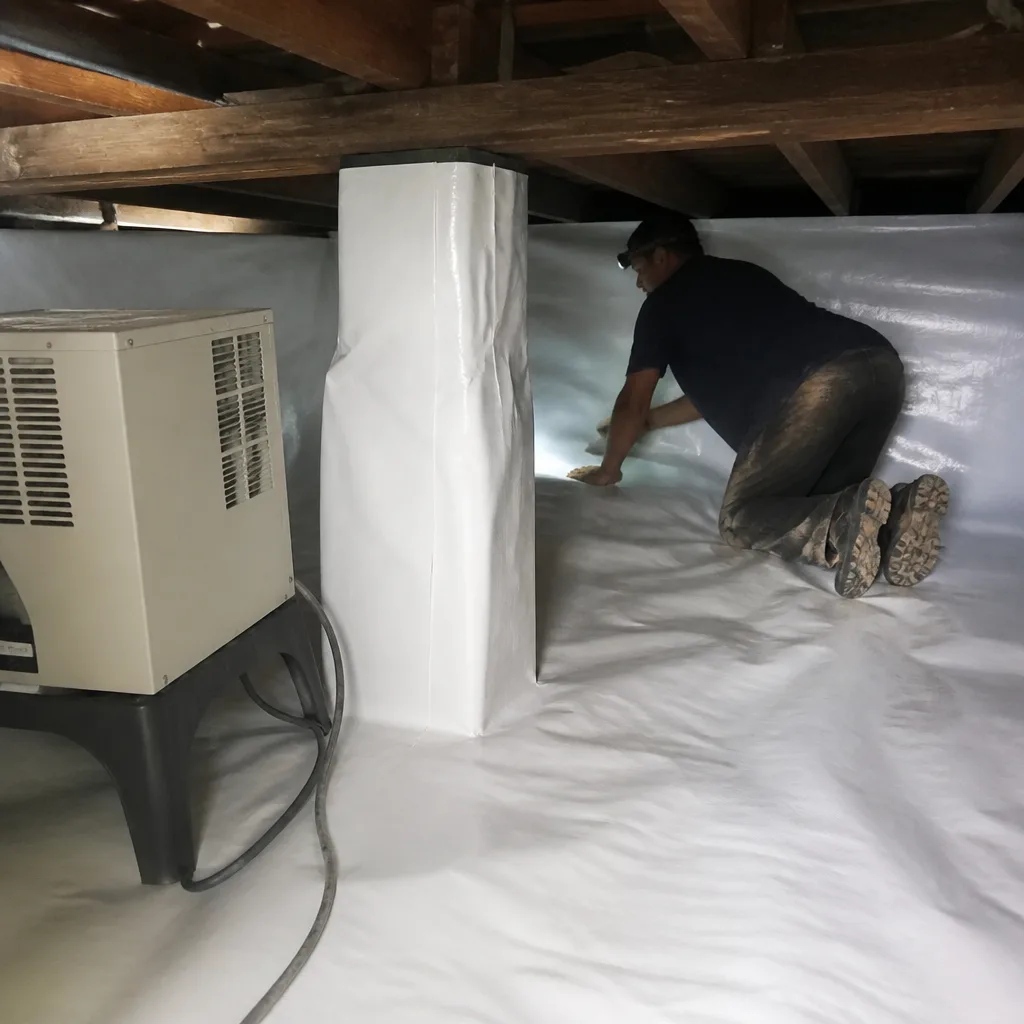
- Hot ceiling patches in afternoon sun. The radiant barrier’s reflective surface has oxidized or collected dust, dropping its reflectivity from 95% to 60% or lower. In West Hollywood’s basin heat, that delta is the difference between a ceiling you can touch and one you can’t.
- AC runs continuously from 2 p.m. to sunset. Your cooling load has shifted later because the attic is radiating stored heat back into conditioned space after the sun angle drops. The barrier isn’t rejecting infrared radiation the way it did when new.
- Visible tears, drooping, or delamination in the attic. Demilec hybrid systems rely on mechanical fasteners or adhesive bond to the foam substrate. West Hollywood’s dry heat followed by occasional marine layer moisture cycling stresses that bond; we’ve found delaminated sections above bathrooms where vent stacks create thermal bridges.
- Insulation crew footprints or storage damage. Previous trades walked on the radiant barrier surface, compressing or puncturing it. The R-value on the bag assumes you did it in that order, seal the leaks first. Then insulate. But if someone blew cellulose over an unsealed barrier and then stepped through it, the damage is often invisible from below.
- Utility bill spike with no rate change. Southern California Edison’s tiered pricing hasn’t shifted, but your kWh usage climbed 20% or more. A failing radiant barrier is usually the culprit when the home’s envelope was previously performing and no major equipment changed.
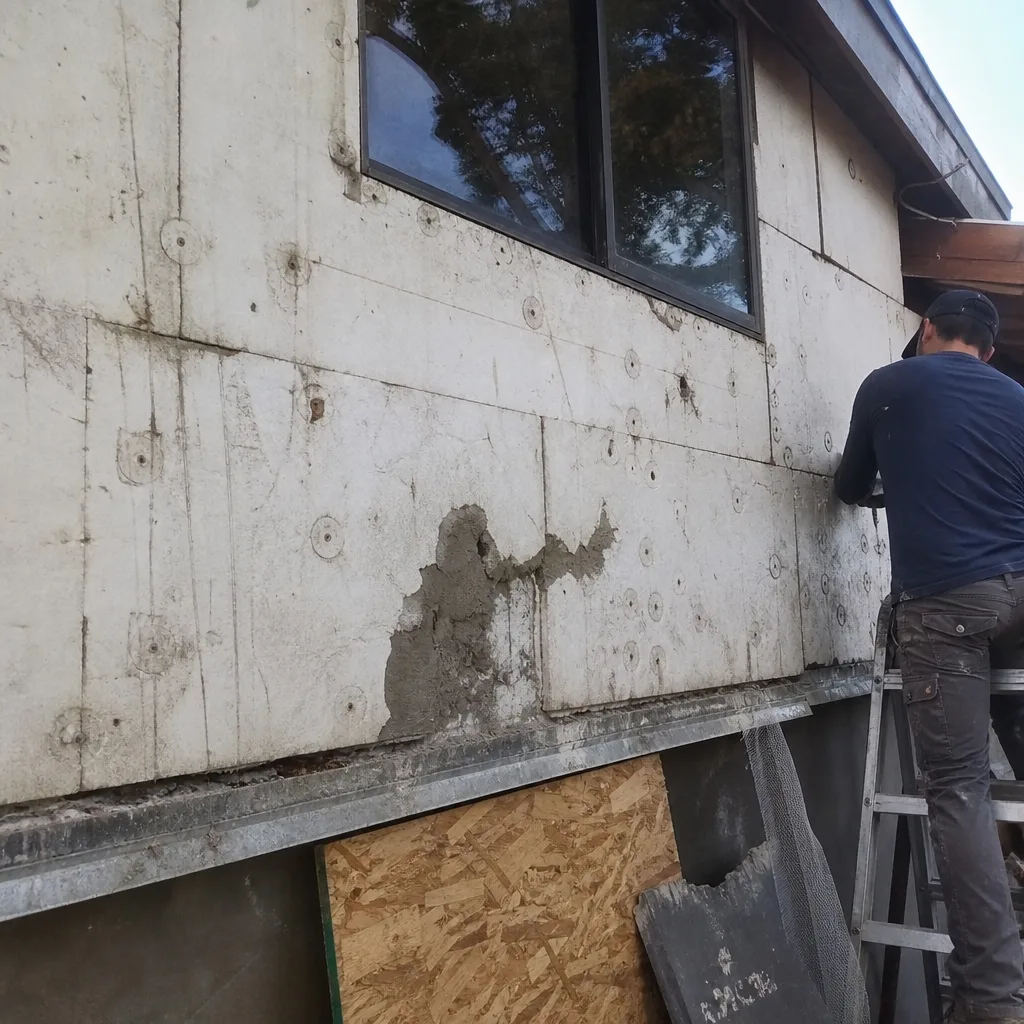 Before
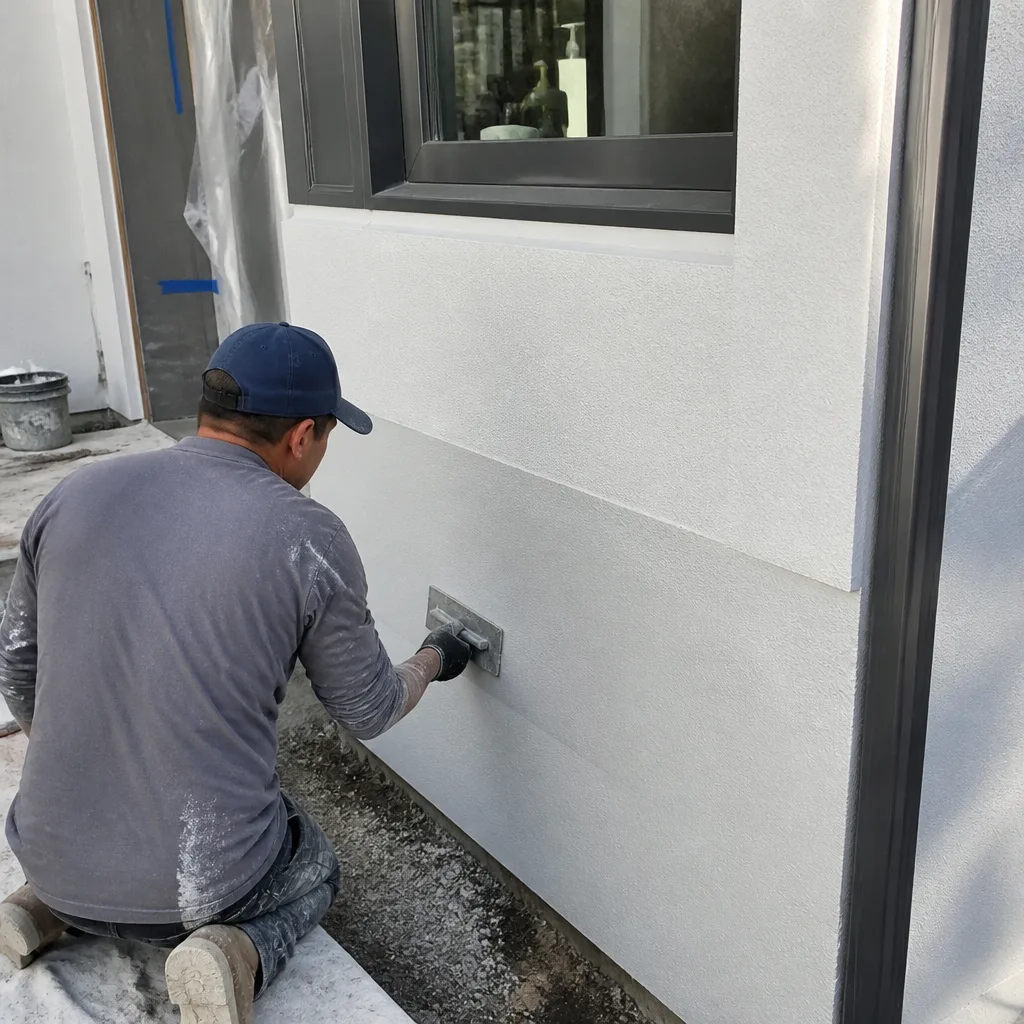 After
AfterReplacement Cost & What’s Included
| Scope | Typical Range (West Hollywood) |
|---|---|
| Partial repair, localized delamination (up to 400 sq ft) | $1,400 - $2,200 |
| Full attic radiant barrier replacement, 1,200-1,800 sq ft | $2,800 - $4,200 |
| Hybrid system: Demilec foam touch-up + new reflective substrate | $3,600 - $5,400 |
| Air sealing + radiant barrier (recommended sequence) | $4,200 - $6,800 |
What drives the range: attic accessibility (cathedral ceilings through a scuttle versus full walk-up), existing foam condition, whether we need to remove degraded material first, and if the top plates and can lights need sealing before the new barrier goes in. Every job gets a Written Price Before Any Work Starts, flat, with the scope itemized. The 365-Day Done Right Promise covers labor and materials. On applicable jobs, we run a blower-door test before and after, pressurizing to 50 pascals, so you have a documented CFM50 number showing the actual air leakage reduction. Wes Okafor and our crew have been inside enough bungalows off Santa Monica Boulevard to know which attics have original 1940s framing that complicates fastener placement.
DIY or Call Us?
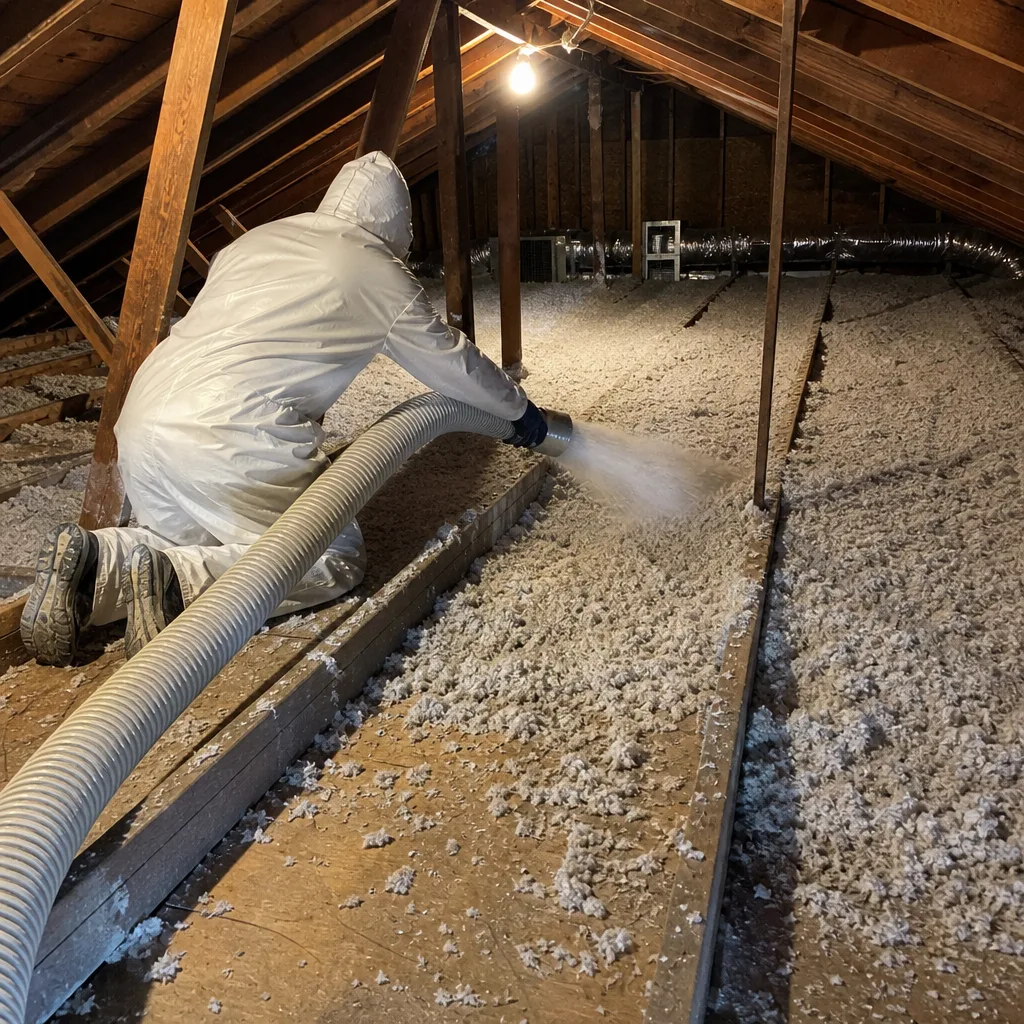
What you can safely check: confirm the Demilec batch label is legible, photograph any visible damage from the attic hatch with your phone flash, and note whether the barrier is drooping in specific zones. That documentation helps us scope the job before we arrive.
Where DIY goes wrong: radiant barrier installation in a West Hollywood attic involves working at height on joists spaced 16 or 24 inches apart, often in 140°F+ temperatures. More critically, disturbing a Demilec foam substrate without understanding its ignition barrier requirements, or covering it with an unlisted material, voids the original warranty and can create a fire-code violation. The California Energy Code and LA County amendments specify exposed foam must meet ignition barrier standards; a homeowner-installed radiant barrier that traps heat against the foam can accelerate degradation. We carry the listed materials, understand the code chapter, and submit permit documentation when required. Call (213) 306-2607 for a free estimate with a written price.
FAQs
In West Hollywood’s climate, a properly installed Demilec-compatible radiant barrier lasts 15-25 years, though dust accumulation and attic traffic can cut that to 10-12. The marine layer’s occasional humidity spikes, combined with basin heat, create more thermal cycling than inland desert installs face. Call (213) 306-2607 for an exact quote on replacement or inspection, estimates are free.
Localized delamination can sometimes be re-adhered if the substrate foam is intact and the reflective surface isn’t oxidized, but partial repairs often leave thermal bridges that show up on infrared imaging. We photograph the damage, show you the blower-door and thermal images, and quote both repair and replacement so you can decide. Call (213) 306-2607 for a free estimate, estimates are free.
A full replacement in a typical West Hollywood single-family attic takes one to two days: half a day for air sealing and prep, half to full day for barrier installation and verification. Hybrid systems with Demilec foam touch-up add a day for cure time. You’ll get a written schedule with your price before anyone starts. Call (213) 306-2607 to book, estimates are free.
We stock reflective sheeting, substrate adhesives, and fasteners for Demilec hybrid systems on our trucks, and we source Demilec-listed products through our Owens Corning, Johns Manville, and Demilec supply chain with no proprietary lock-in. Most West Hollywood jobs start within 48 hours of written approval. Call (213) 306-2607 to confirm current stock for your specific batch label, estimates are free.
Written by Wes Okafor, Owner, Topside Attic Insulation West Hollywood at Topside Attic Insulation West Hollywood, serving West Hollywood and nearby areas.