
Icynene Radiant Barrier Installation: The West Hollywood Owner’s Guide
We stock and install Icynene-compatible radiant barrier systems for attics across West Hollywood, with most completed jobs running between $2,800 and $4,600 depending on attic square footage and existing insulation condition. Same-day installation is available when we have your measurements and attic access confirmed by 10 a.m. Most West Hollywood homeowners discover their radiant barrier is failing when second-floor rooms spike 8-12 degrees warmer than the thermostat setting, or when summer utility bills jump 30% or more despite the AC running constantly.
Which Icynene Models This Applies To
Icynene does not manufacture standalone radiant barrier products; instead, their open-cell and closed-cell spray foam systems - primarily the LD-C-50, MD-R-200, and H2Foam Lite series - are frequently paired with radiant barrier sheathing or foil-faced insulation boards in hybrid attic assemblies common to West Hollywood’s 1920s-1950s bungalows and 1960s-1980s courtyard apartments. The critical compatibility gotcha: Icynene’s open-cell foam must never contact unvented radiant barrier foil directly, as the off-gassing during cure can corrode aluminum surfaces and void the material warranty. We verify this by checking your existing assembly for a proper air gap - minimum 3/4 inch per California Title 24 - before specifying the barrier type.
To identify your specific Icynene product, look for the application tag left by the original installer, usually stapled to a rafter or joist near the attic hatch. The tag lists the product series, density class, and install date. If the tag is missing, we measure cured foam density - open-cell runs 0.5-0.6 pounds per cubic foot, closed-cell runs 1.7-2.0 - and cross-reference against Icynene’s published spec sheets. We source radiant barrier materials from Icynene’s approved partners as well as quality equivalents from Reflectix; the decision depends on your existing foam type and whether your attic is vented or unvented, which changes the barrier orientation entirely.
Signs Your Icynene Radiant Barrier Installation Is Failing
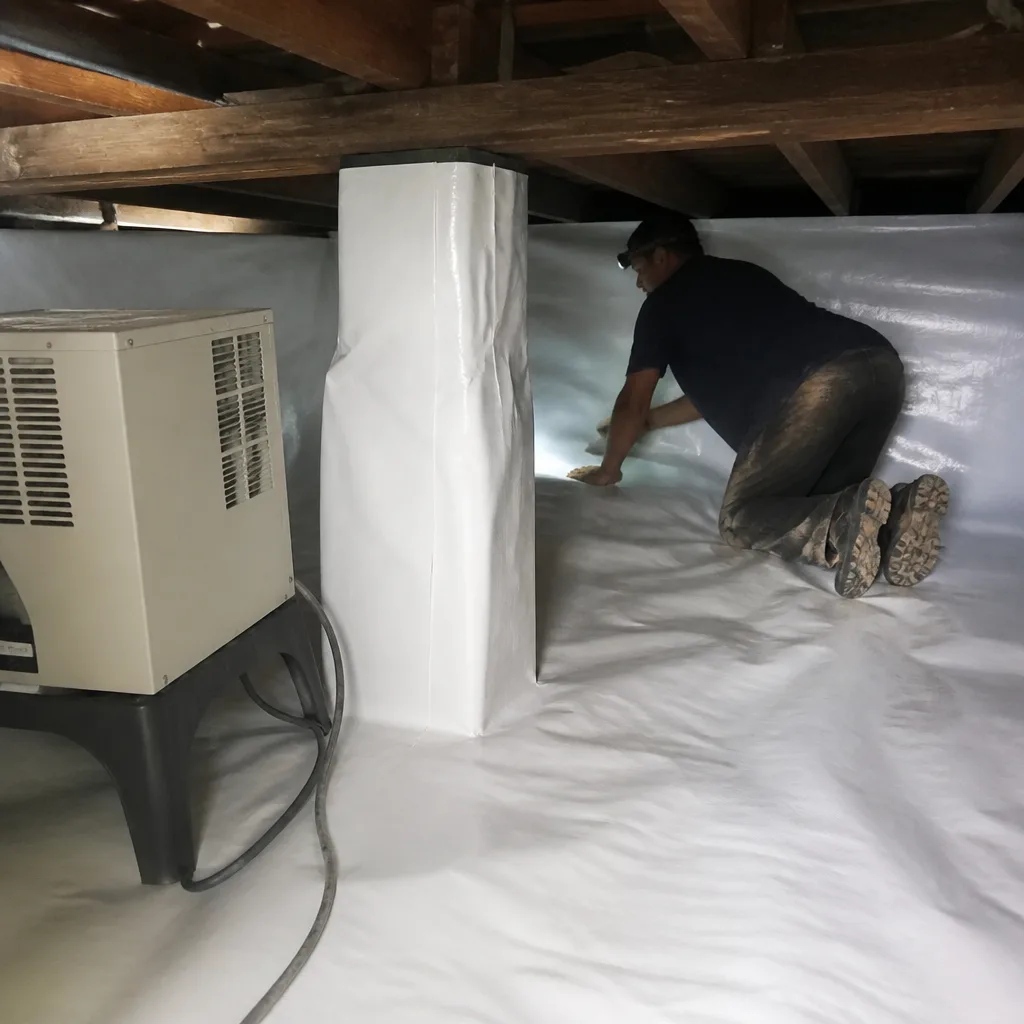
- Uneven second-floor temperatures. West Hollywood’s compact rooflines and minimal eave overhangs mean radiant barriers degrade faster from UV exposure at cut edges. When the foil delaminates or dust accumulates on the reflective surface, radiant heat transfers straight through to ceiling drywall. You’ll feel it as hot spots directly under the roof ridge.
- AC runs continuously from 2-6 p.m. in summer. A properly installed radiant barrier should reduce attic heat gain by 20-35 degrees during peak sun. If your compressor never cycles off, the barrier has likely torn at fasteners, creating thermal bypasses where heat streams through unimpeded.
- Visible dust coating on foil surfaces. This is the silent killer in West Hollywood’s dry, windy climate. Santa Ana winds pull fine particulate through every gap; once dust covers more than 30% of the reflective surface, emissivity drops below effective thresholds. The barrier still looks intact but performs like bare plywood.
- Moisture staining on rafters or roof sheathing. Icynene foam is vapor-permeable in its open-cell form; if the radiant barrier was installed on the wrong side of the assembly for your ventilation strategy, condensation forms against cold foil in winter. We see this most in hillside homes north of Sunset Boulevard where marine layer moisture lingers.
- Foil pulling away at staples or adhesive points. Thermal cycling - 140°F attic peaks dropping to 50°F winter nights - fatigues mechanical fasteners over 7-10 years. The fix isn’t more staples; it’s switching to a continuous attachment method that accommodates movement without tearing the membrane.
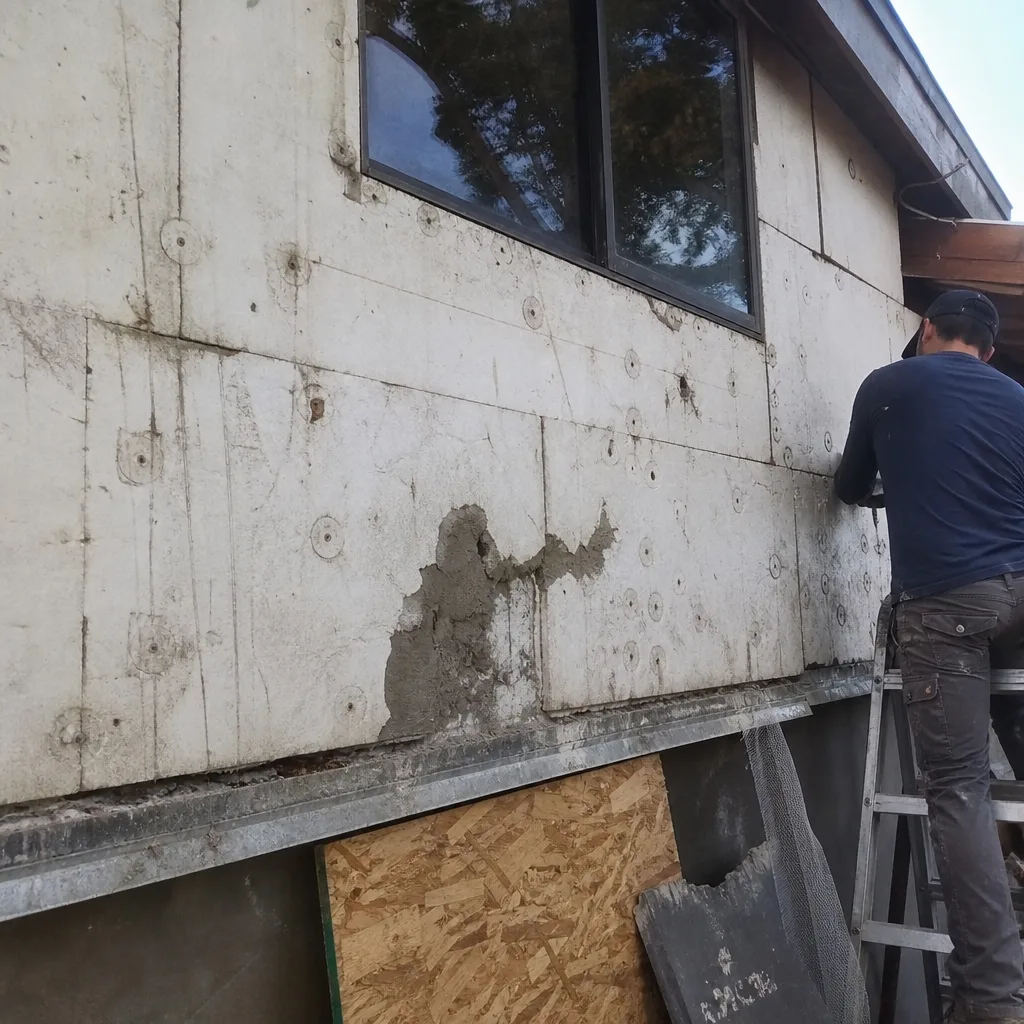 Before
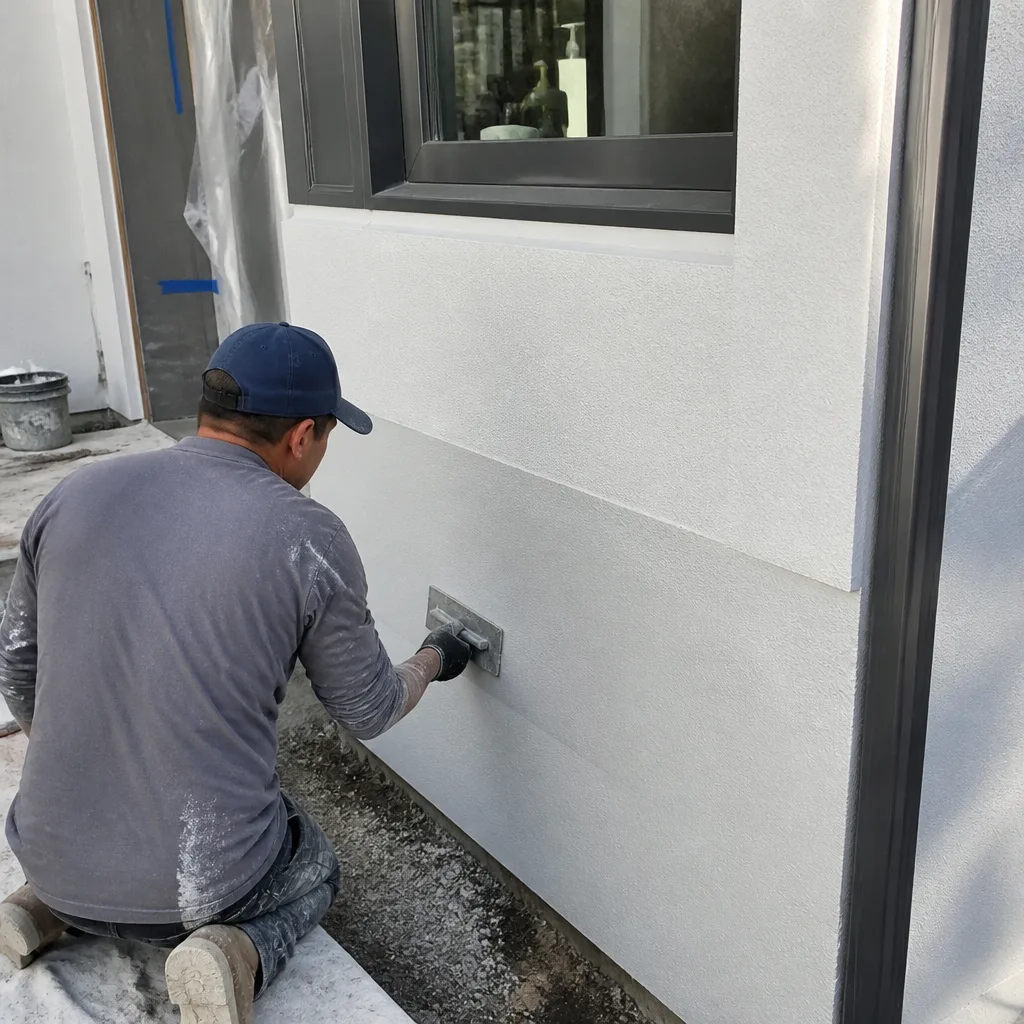 After
AfterReplacement Cost & What’s Included
Most Icynene-compatible radiant barrier replacements in West Hollywood run $2,800-$4,600 for attics between 800 and 1,800 square feet. The low end covers vented attics with clear access, standard foil-faced OSB or woven polyethylene barrier, and intact Icynene foam that doesn’t require remediation. The high end reflects unvented assemblies needing proper air-gap reconstruction, barrier products rated for zero-permeance contact with foam, and attics with limited hatch access or stored contents requiring temporary relocation.
Every quote breaks down parts, labor, and disposal separately - Haven Standard Clause 1, flat price in writing before anyone climbs the ladder. The installed barrier carries a 10-year material warranty from the manufacturer; our workmanship is covered by the 365-Day Done Right Promise. You’ll receive a Documented Photo Record showing before condition, installation progress, and completed assembly, plus blower-door readings if we’re also air-sealing the attic floor.
DIY or Call Us?
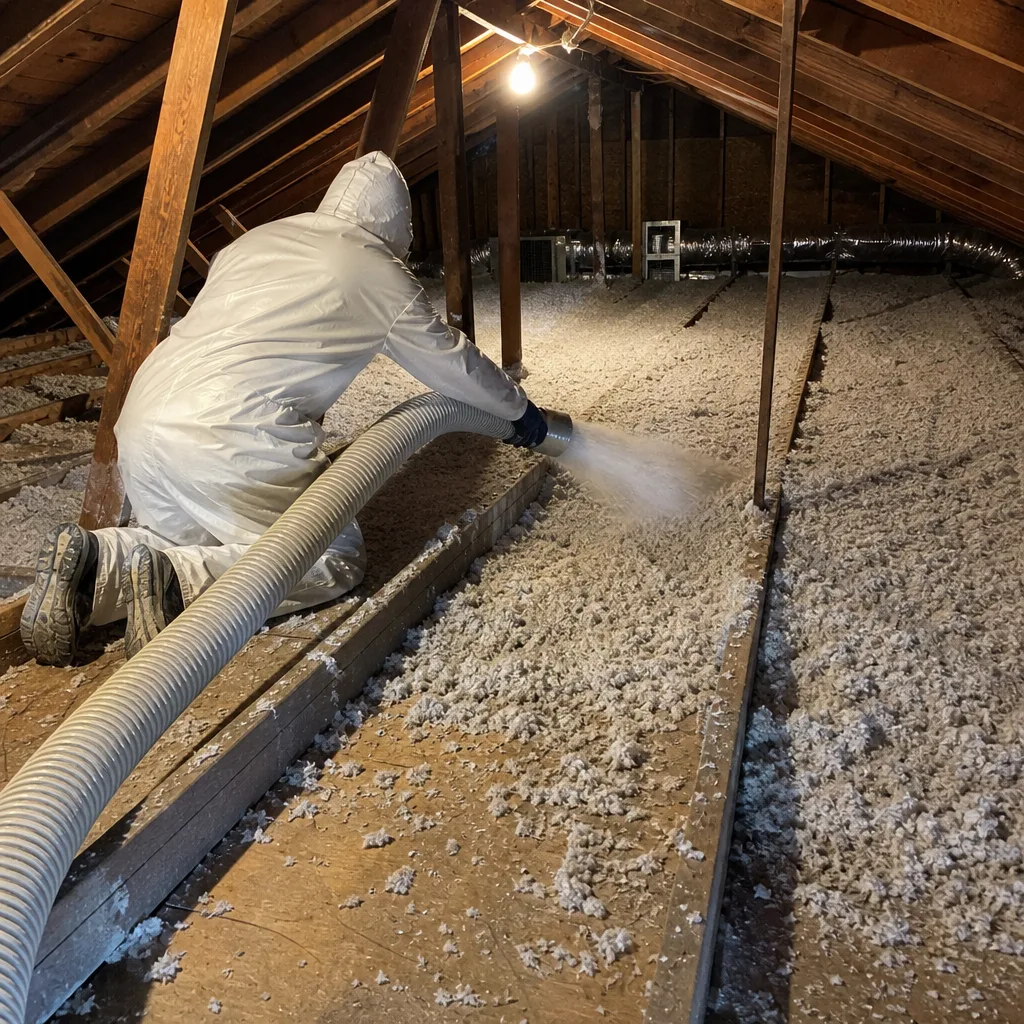
There’s no high-tension danger in radiant barrier work, but there are genuine ways to make your attic perform worse. What you can safely check: confirm your attic is vented or unvented (look for soffit vents and ridge vents), photograph any visible foil damage, and note whether your Icynene tag specifies open-cell or closed-cell. Where DIY goes wrong: installing barrier on the wrong side of the assembly traps moisture and rots sheathing; using the wrong tape or fastener creates thermal bridges; and disturbing existing Icynene foam without understanding its vapor profile can create condensation problems that don’t appear for two seasons.
We carry Icynene-compatible radiant barrier materials on every truck, sized for West Hollywood’s typical attic dimensions. Call (213) 306-2607 and we’ll walk through what you’re seeing - no charge for the conversation, and if you bring us another contractor’s written estimate, we’ll review it with you under our Free Second Opinion.
FAQs
Properly installed woven polyethylene or foil-faced OSB barriers last 15-25 years, but dust accumulation and Santa Ana wind exposure in West Hollywood typically reduce effective performance to 10-12 years before reflective degradation becomes measurable. Annual attic inspection - which we include with every installation - catches this early. Call (213) 306-2607 to schedule; estimates are free.
Localized tears or fastener pull-through can be patched if the surrounding foil is still clean and reflective, but dust-coated or corroded barrier requires full replacement - patching over degraded surface area doesn’t restore emissivity. We assess this during our initial attic visit and document the finding with photos. Call (213) 306-2607 for an exact recommendation; estimates are free.
Most West Hollywood attic replacements finish in one day - 4 to 6 hours for standard vented assemblies, up to 8 hours for unvented systems requiring air-gap reconstruction. We arrive with materials pre-cut to your rafter spacing and leave with debris removed and the Documented Photo Record delivered. Call (213) 306-2607 to confirm same-day availability.
Yes - we carry foil-faced OSB, woven polyethylene, and perforated radiant barrier rated for contact with open-cell Icynene foam, plus Reflectix equivalents for vented assemblies. We measure your rafter spacing and Icynene foam thickness before arriving so the material is pre-cut and ready. Call (213) 306-2607 to confirm compatibility with your specific Icynene series.
Topside Attic Insulation West Hollywood is an independent service provider, not affiliated with Icynene or Demilec. We source materials from multiple manufacturers - including Icynene, Reflectix, Owens Corning, and Johns Manville - based on what your specific assembly requires, not on any exclusive arrangement.
Wes Okafor keeps that worn California Energy Code on his truck seat for a reason. In West Hollywood’s mix of vintage framing and modern energy standards, the sequence matters: seal the leaks first. Then insulate. The R-value on the bag assumes you did it in that order. We’ve air-sealed the top plates in bungalows off Santa Monica Boulevard where the original 1940s plaster was doing more to block airflow than the “insulation” someone blew in during the 1980s. The blower-door test - pressurizing the house to 50 pascals to locate infiltration paths - doesn’t lie, and neither do the before-and-after numbers we hand you in writing.
If your second floor won’t cool down, your bills have spiked, or you’ve spotted dust-coated foil in your attic, call (213) 306-2607. We’ll answer - a live person, 24/7 - and get you a written price before any work starts.
Written by Wes Okafor, Owner, Topside Attic Insulation West Hollywood at Topside Attic Insulation West Hollywood, serving West Hollywood and nearby areas.