
CertainTeed Radiant Barrier Installation: The West Hollywood Owner’s Guide
Most CertainTeed radiant barrier installations in West Hollywood run between $2,800 and $4,600 for a typical 1,200-1,800 square foot attic, including materials, labor, and the air-sealing prep that makes the barrier actually perform. We stock CertainTeed-compatible radiant barrier rolls and tape on every truck, and we can usually inspect and quote same-day if you call before noon. Homeowners usually figure out something’s wrong when their upstairs rooms won’t cool below 78 degrees even after sunset, or when their July electric bill jumps 30% year-over-year despite the AC running constantly.
Which CertainTeed Models This Applies To
CertainTeed manufactures radiant barrier products under several product lines, and the right installation approach depends on which one you’re working with. The CertainTeed MemBrain smart vapor retarder is sometimes paired with radiant barrier in hybrid attic systems, while the CertainTeed Solaris reflective roof sheathing comes factory-laminated with an aluminum facing that requires different handling than loose rolls. For retrofit installations, we most commonly see CertainTeed’s foil-faced kraft barrier rolls, which ship in 500-square-foot rolls with a labeled ASTM C1313 compliance mark on the core.
To identify your exact product, check the printed label on the roll core or the stapled tag left by the original installer. You’re looking for a product code starting with CT-RB or RB- followed by a width measurement (typically 48″ or 60″). The 48″ width is standard for 16″ on-center framing in West Hollywood’s 1920s-1950s bungalows; the 60″ width is more common in post-1980 construction with 24″ truss spacing. If your original installer used CertainTeed’s proprietary seam tape (white backing, red CertainTeed logo), standard foil tape won’t adhere properly to the aged residue, and you’ll need a compatibility prep step most homeowners miss.
We’re an independent service provider, not affiliated with CertainTeed. We source OEM CertainTeed materials through authorized distribution, but we also stock quality aftermarket equivalents from Reflectix when the job calls for it and the homeowner prefers that route. The aftermarket rolls we carry meet the same ASTM C1313 emissivity standard (0.05 or lower) and install identically, though the warranty terms differ.
Signs Your CertainTeed Radiant Barrier Installation Is Failing
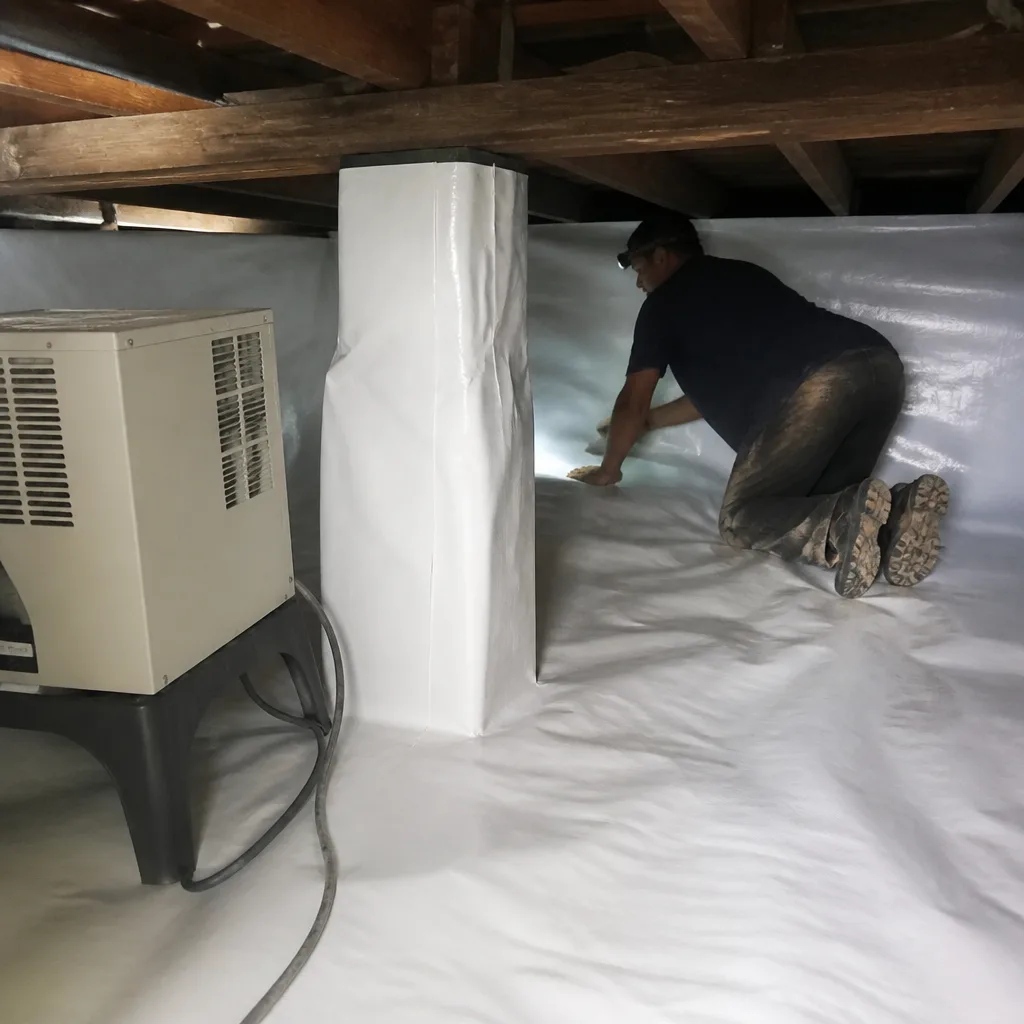
- Hot ceiling patches directly below the attic. Radiant barrier works by reflecting infrared heat back toward the roof deck. When sections tear, sag, or get buried under new insulation, that reflection stops and heat conducts straight through the drywall. In West Hollywood, we see this most often over bathrooms where vent fans were added after the original barrier went in, and the installer never sealed the penetration.
- Dust-caked, dull foil surface. A clean radiant barrier reflects up to 97% of radiant heat. After five to eight years in a ventilated attic, LA basin dust accumulates and drops that reflectivity to 60% or lower. We’ve tested this with an infrared thermometer in attics off Laurel Avenue, where a dusty barrier read 12 degrees hotter on the attic floor side than a clean section in the same house.
- Sagging or torn sections hanging from rafters. CertainTeed’s foil-faced kraft uses a paper-based substrate that weakens in sustained attic heat above 140°F. West Hollywood attics with dark shingle roofs and poor ventilation regularly hit that threshold by 2 PM in August. Once the paper tears, the barrier flaps, catches on stored items, and rips further.
- Moisture staining on the attic side of the barrier. This means warm, humid interior air is hitting the cold foil surface and condensing, which happens when the barrier was installed before air sealing was completed. The R-value on the bag assumes you did it in that order. We find this in about one-third of the pre-2010 installations we inspect in the area.
- Insulation added on top of the barrier. Some homeowners or inexperienced contractors blow cellulose or fiberglass directly over a radiant barrier, thinking more insulation is better. It isn’t. The barrier needs an air gap to function, typically a minimum 3/4 inch. Buried barrier is wasted barrier, and we see this mistake repeatedly in flipped properties near Melrose.
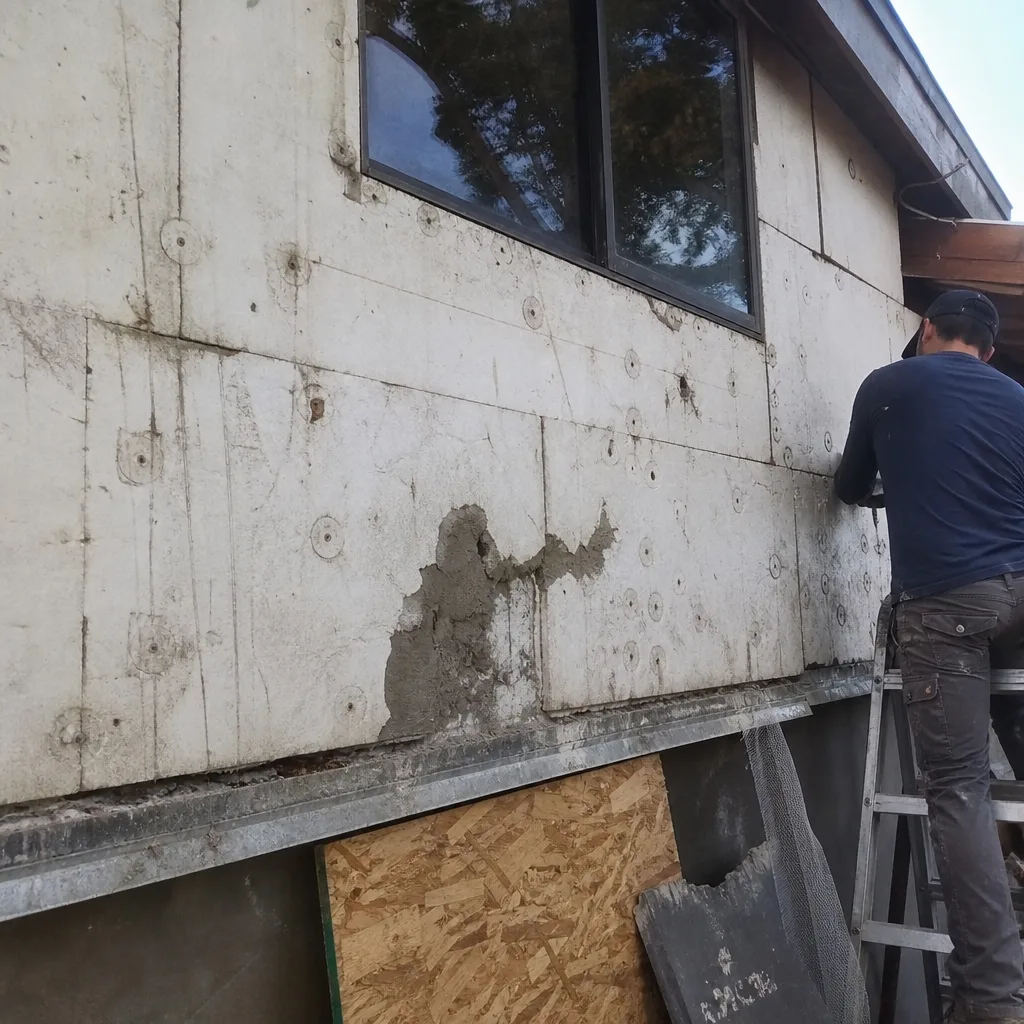 Before
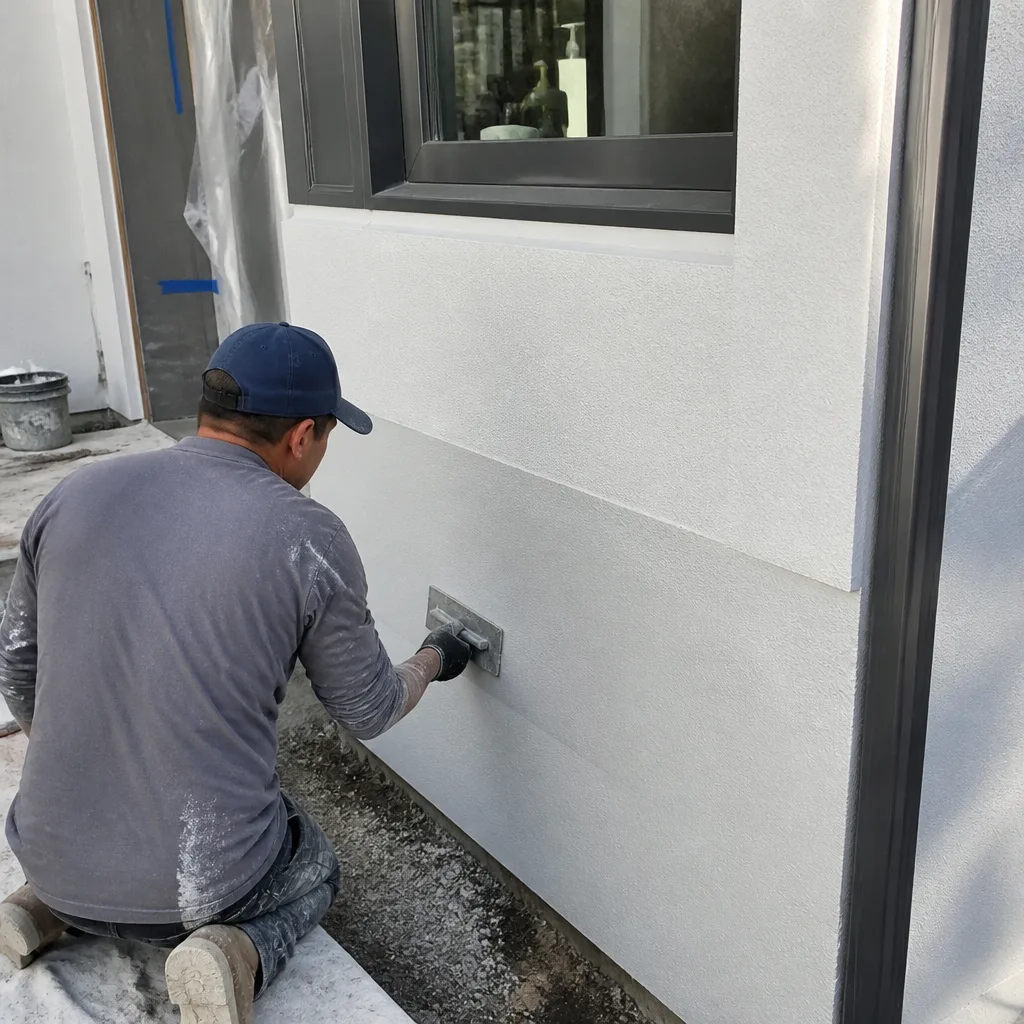 After
AfterReplacement Cost & What’s Included
Here’s how pricing breaks down for a typical CertainTeed radiant barrier replacement in West Hollywood:
| Service Item | Typical Range |
| Attic air sealing (top plates, can lights, penetrations) | $680 - $1,200 |
| CertainTeed radiant barrier material (500-1,000 sq ft) | $1.10 - $1.45 per sq ft installed |
| Compatible seam tape and fasteners | $180 - $320 |
| Attic access, prep, and cleanup | $240 - $400 |
| Before-and-after blower-door test (applicable jobs) | Included |
| Total typical installed cost | $2,800 - $4,600 |
The wide range comes down to three factors: attic square footage, how much demolition of the old barrier is required, and whether we find unsealed penetrations that need addressing first. A 900-square-foot attic with a partially intact barrier and already-sealed top plates lands near the bottom. A 2,200-square-foot attic with a buried, shredded barrier and six unsealed can lights lands near the top. Every job gets a Written Price Before Any Work Starts, always, with a flat number and a written scope you sign off on before anyone lifts a tool. The 365-Day Done Right Promise covers the installation, and we publish before-and-after blower-door numbers on every applicable job so you can verify the air-sealing result.
DIY or Call Us?
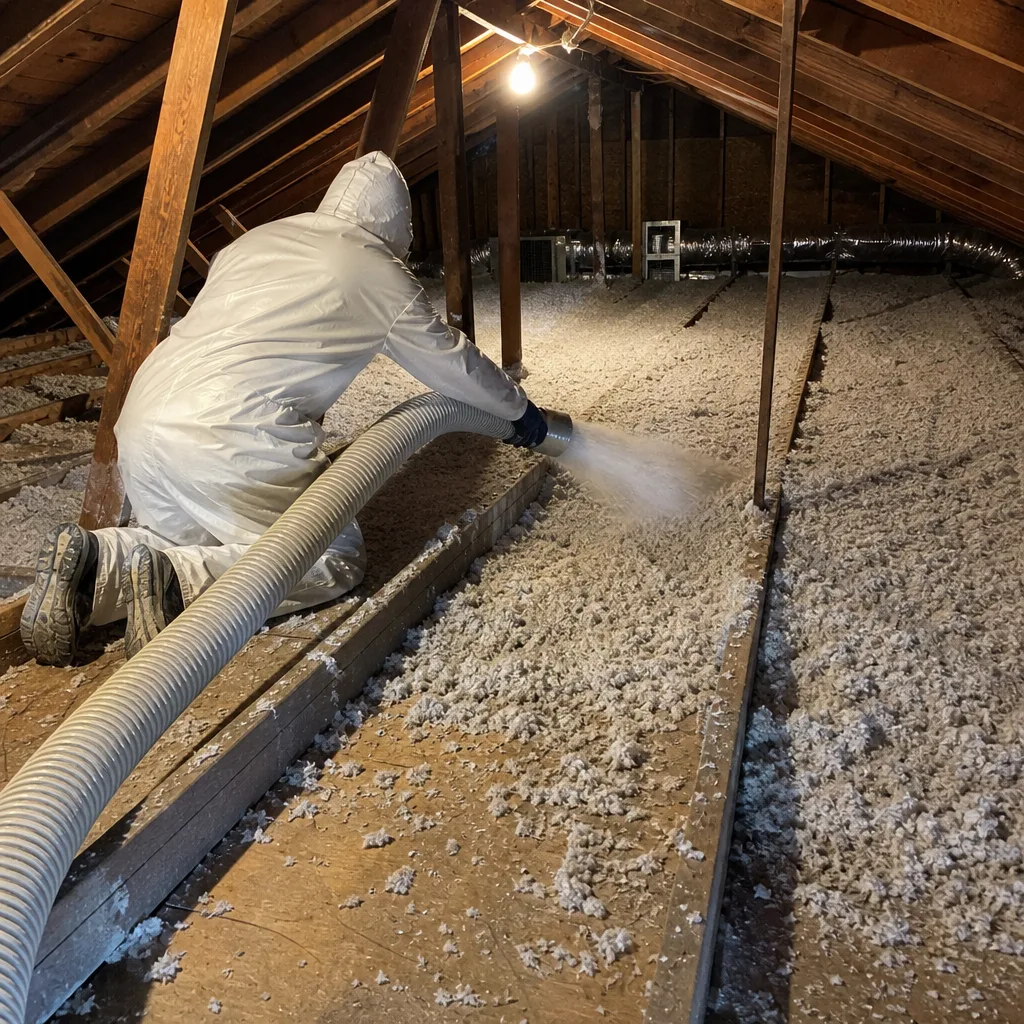
There’s a safe middle ground here, and then there’s where DIY gets expensive or dangerous.
What you can safely check yourself: Visually inspect your attic for the symptoms above, take photos of any product labels you find, and note whether your attic has active ventilation (ridge vent, gable vents, powered fan). Measure your attic floor area with a tape measure. That’s useful information, and it won’t hurt you or the house.
Where DIY goes wrong: Walking in an unfinished attic risks stepping through drywall between joists, especially in older West Hollywood homes with 2×6 ceiling joists spaced 24 inches apart. More critically, radiant barrier installation in a ventilated attic is hot, cramped work that requires consistent stapling pressure and proper overlap sequencing, missed seams create thermal bypasses that defeat the entire job. We’ve been called in to fix homeowner installations where 30% of the seams were unsealed and the attic was actually performing worse than before. If you’re comfortable on a ladder and have done finish carpentry, you might handle a small, accessible space. For anything involving air sealing, combustion safety checks near a furnace, or a roof pitch over 6:12, call someone who does this daily.
Call (213) 306-2607 and we’ll walk through what you’re seeing. If it sounds like a job, we’ll schedule a same-day inspection and hand you a written price before any work starts.
FAQs
In the LA basin’s dry climate, a properly installed CertainTeed radiant barrier typically maintains effective performance for 15 to 25 years before dust accumulation and substrate degradation require replacement. West Hollywood’s combination of high summer attic temperatures and minimal rainfall actually extends foil life compared to humid climates, though the paper-based kraft substrate is the usual failure point, not the aluminum facing. Call (213) 306-2607 for an attic inspection and we’ll tell you where yours stands.
Patching small tears with compatible foil tape is possible, but it’s rarely cost-effective because the underlying substrate is usually degrading across the entire installation. We find that by the time a homeowner notices a problem, multiple sections have failed and the dust loading has reduced reflectivity system-wide. A partial repair often leaves you with uneven performance and the same callback in two years. We price both options when we inspect, but most West Hollywood homeowners choose full replacement once they see the condition. Call (213) 306-2607 for a free estimate and we’ll show you exactly what we found.
Most residential radiant barrier replacements in West Hollywood take one full day for crews of two technicians, assuming standard attic access and no unexpected structural issues. Jobs requiring extensive air sealing of top plates and can lights may extend to a second day. We complete the air sealing first, run a blower-door test to verify, then install the barrier. You get a Documented Photo Record of the completed work before we leave. Call (213) 306-2607 to check availability, we can usually start within a week of your call.
We stock CertainTeed-compatible radiant barrier rolls, seam tape, and fasteners on every service vehicle, along with Reflectix equivalents for homeowners who prefer that route. For uncommon widths or specialty CertainTeed products like Solaris sheathing, we pull from local distribution with a one-day lead time. In most cases, if we inspect today, we can install tomorrow. Call (213) 306-2607 to confirm stock for your specific product code.
Written by Wes Okafor, Owner, Topside Attic Insulation West Hollywood at Topside Attic Insulation West Hollywood, serving West Hollywood and nearby areas.