
Knauf Vapor Barrier Installation: The West Hollywood Owner’s Guide
Knauf vapor barrier installation in West Hollywood typically runs $1,400-$2,800 for a standard crawl space or attic application, depending on square footage and whether the existing barrier needs full removal. We stock Knauf Insulation’s Faced Batt and Ecoseal-compatible vapor retarder systems on our trucks, and most West Hollywood jobs can start same-day or next-day. Most homeowners discover the problem when they notice a musty smell coming from floor registers, find condensation dripping from ductwork in a 1960s bungalow, or spot white mold blooming on the north-facing wall of their crawl space after a Santa Ana season gives way to winter rain.
Which Knauf Models This Applies To
Knauf doesn’t sell vapor barriers as standalone branded SKUs the way they sell batts or blown-in. What we install are Knauf-compatible systems: the kraft-faced side of their EcoBatt glass mineral wool, the poly sheeting paired with their Ecoseal air-sealing system, or standalone 6-mil poly specified for Knauf crawl-space encapsulations. The key identifier is the facing. Knauf’s kraft facing carries an ASTM E96 perm rating of approximately 1.0, which qualifies as a Class II vapor retarder - fine for most West Hollywood wall cavities where the HVAC runs steady and the exterior is stucco over paper-backed lath. If your home was built 1940-1975 in the Norma Triangle or West Hollywood Heights, you likely have unfaced rock wool or early fiberglass with no vapor retarder at all, which means we’re installing new, not replacing old.
The compatibility gotcha: Knauf’s Ecoseal water-based elastomeric sealant must go down on clean, dry substrate. We’ve opened jobs where a previous contractor sprayed it over dusty sheathing, and it delaminated within 18 months. We don’t do that. We also don’t use generic 4-mil poly where Knauf’s system calls for 6-mil reinforced - the thinner stuff tears on West Hollywood’s abundant crawl-space rebar stubs.
OEM vs. aftermarket: Knauf doesn’t manufacture poly sheeting themselves; they specify third-party production to their perm and tensile standards. We source the specified 6-mil reinforced poly from the same supply chain, not big-box shelf stock. For the facing on batts, we use Knauf factory-faced product only - aftermarket facing adhesives fail at the West Hollywood temperature swing, 45°F winter nights to 95°F summer attic peaks.
Signs Your Knauf Vapor Barrier Installation Is Failing
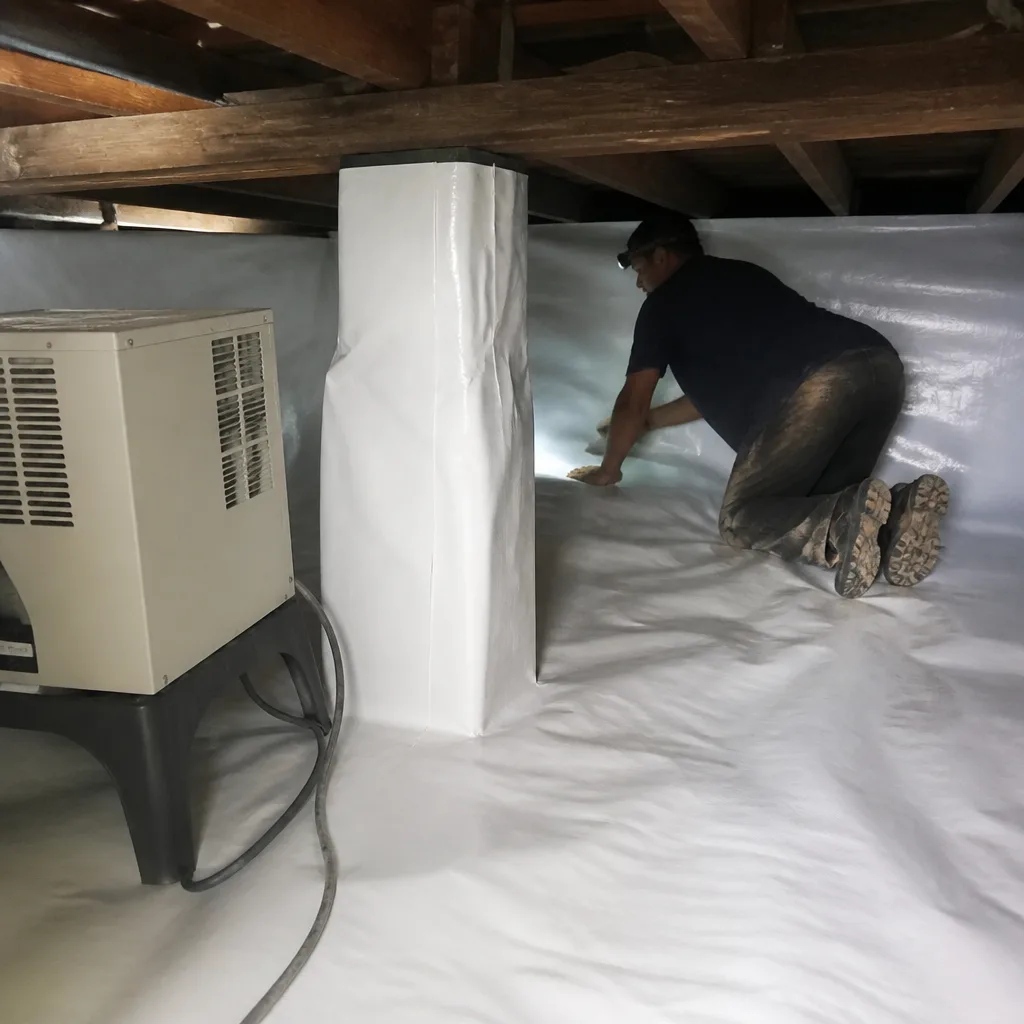
- Musty odor from floor registers. Your crawl space vapor barrier has a tear or seam failure, and soil moisture is evaporating upward into the floor joist cavity. The HVAC return pulls that air right through the gaps in your subfloor. We find this constantly in the older duplexes south of Santa Monica Boulevard where access hatches were cut too small for proper installation.
- Condensation on ductwork or insulation. The vapor barrier’s perm rating has been compromised - kraft facing torn by rodents, poly sheeting UV-degraded near foundation vents - so warm moist air hits cold surfaces. In West Hollywood’s mild but marine-influenced climate, this happens winter mornings when the slab is cold and the heater cycles on.
- White or gray mold on framing or insulation. This is advanced failure. The vapor barrier is no longer retarding moisture migration, and the wood has reached 20% moisture content, the threshold for fungal growth. We’ve pulled back poly in the Spaulding Square area to find the original 1970s barrier intact but riddled with pinholes from decades of foot traffic during plumbing repairs.
- Sagging or fallen insulation. Knauf’s kraft facing acts as both vapor retarder and fastening surface. When the facing delaminates from the batt - usually from attic temperatures exceeding 150°F in unvented rafter bays - the batt drops and the vapor retarder function is lost. West Hollywood’s flat-roofed mid-century apartments are prone to this.
- Peeling paint or efflorescence on interior walls. Moisture driven through the envelope condenses behind the drywall, pushing salts and paint outward. This often traces to a missing or improperly lapped vapor barrier at the top plate, where we find gaps big enough to slide a hand through.
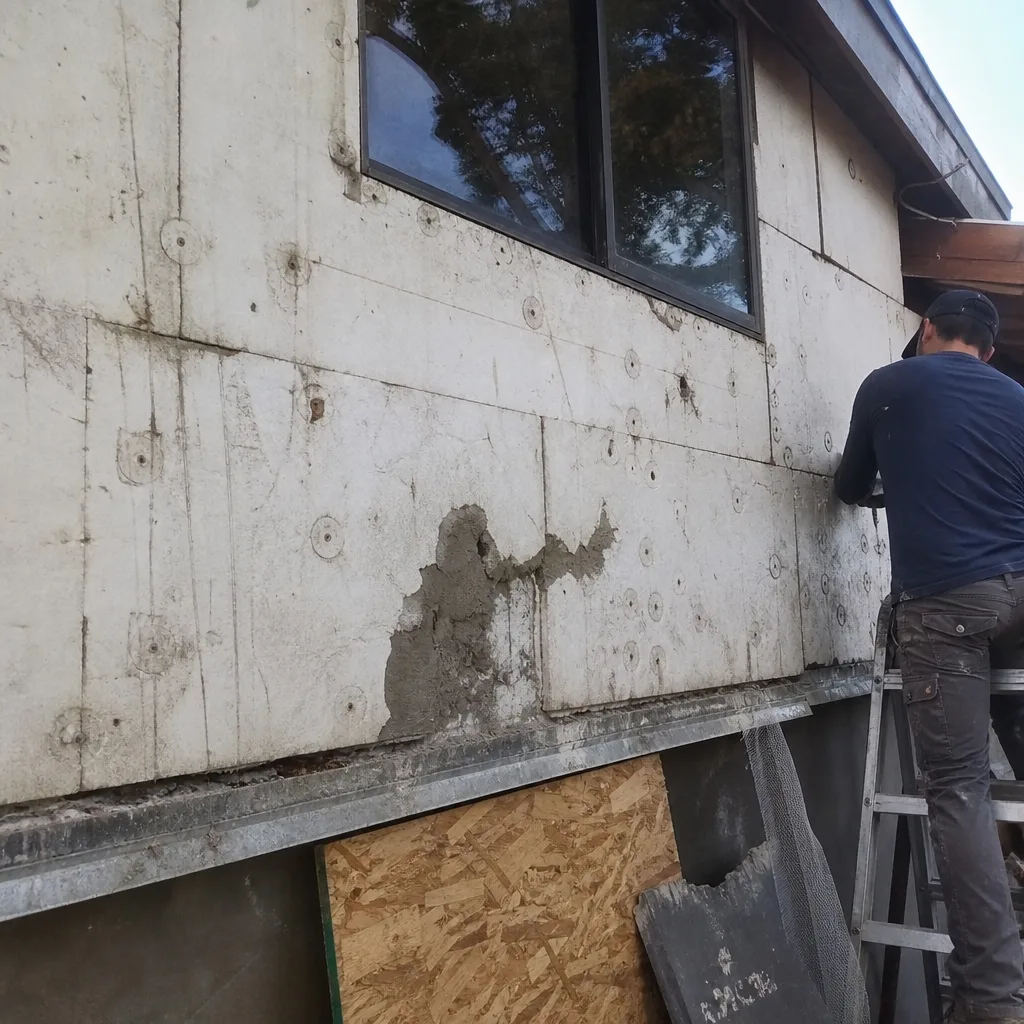 Before
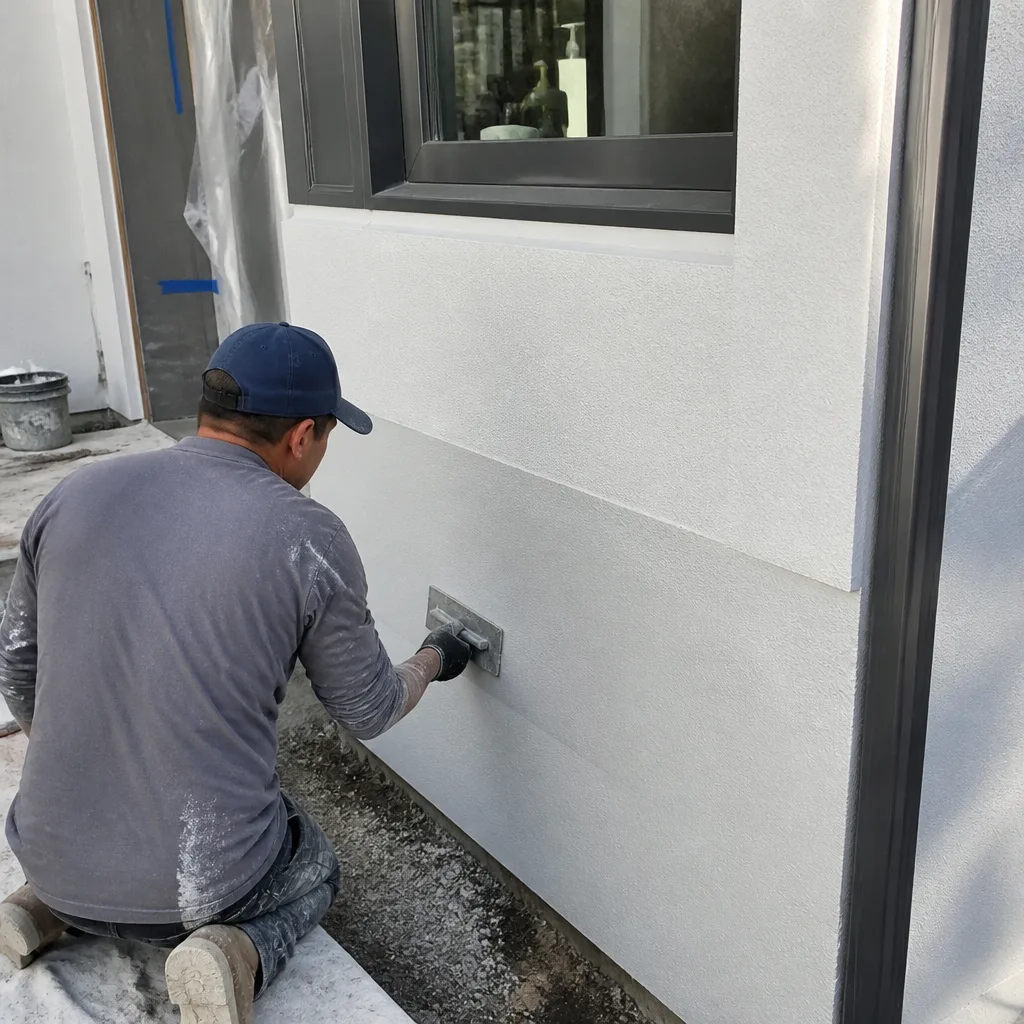 After
AfterReplacement Cost & What’s Included
Most full crawl-space vapor barrier replacements in West Hollywood run $1,400-$2,800. Attic vapor retarder installations, typically kraft-faced batts in a retrofit, range $2,200-$4,500 depending on whether we’re air-sealing top plates and can lights first. The spread comes from three factors: square footage, existing material removal (old poly with rodent soiling costs more to handle safely), and whether the job includes blower-door-verified air sealing before the new barrier goes in.
Every job includes: removal and responsible disposal of existing barrier material, substrate cleaning and drying, installation of specified Knauf-compatible vapor retarder with taped seams and mechanical fastening at laps, and a Documented Photo Record showing before, during, and after. If we’re in the crawl space or attic anyway, we run a blower-door test - pressurizing the house to 50 pascals to locate infiltration paths - and air-seal what we find before the barrier goes up. Seal the leaks first. Then insulate. The R-value on the bag assumes you did it in that order.
The written price you get before anyone lifts a tool includes all of this. No line-item surprises. Work is covered by our 365-Day Done Right Promise.
DIY or Call Us?
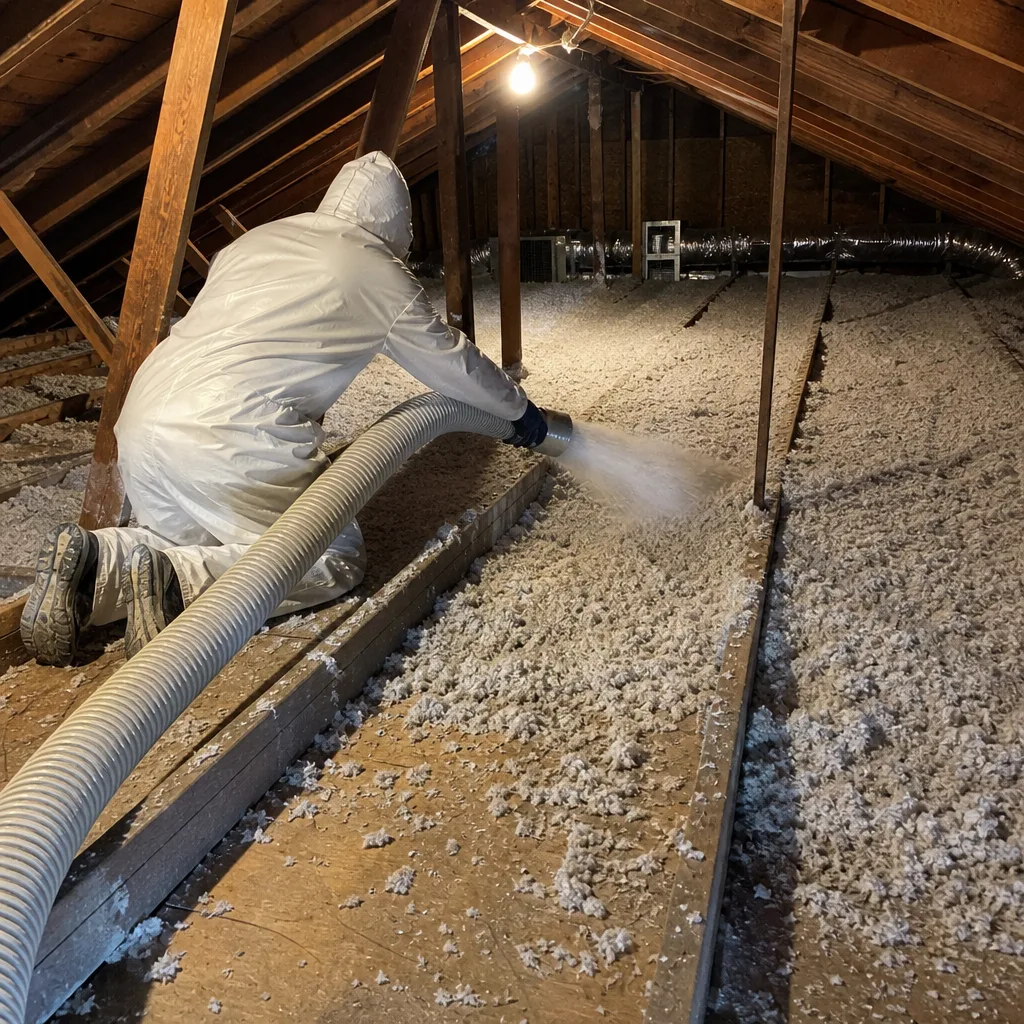
Here’s what you can safely check yourself: look at your crawl space access hatch for visible tears in existing poly, sniff for mustiness when the HVAC kicks on, and note any wet spots on the soil surface after rain. What you shouldn’t do: crawl under there with a box cutter and start pulling back material. Rodent droppings carry hantavirus, disturbed mold releases spores, and fiberglass particulate without proper PPE will itch for days. More critically, vapor barrier installation looks simple but fails on the details - seam overlap, termination at piers, integration with the foundation sill plate. A gap at the seam is a vapor barrier in name only.
We carry Knauf-compatible 6-mil reinforced poly, seam tape, and mechanical fasteners on every truck. Call (213) 306-2607 and we’ll read your situation with you, no charge. If you’ve got a written estimate from another contractor, bring it - we offer a Free Second Opinion on any written estimate.
FAQs
In West Hollywood’s climate, a properly installed 6-mil reinforced poly vapor barrier lasts 15-25 years in a crawl space; kraft facing on batts in an attic lasts 20-30 years if attic ventilation is adequate. The killer is foot traffic during plumbing or electrical work - we’ve replaced 8-year-old poly that looked 30 because every tradesman since 2016 walked on it with muddy boots. Call (213) 306-2607 for an exact quote - estimates are free.
Small punctures under 2 inches can be patched with compatible tape if the surrounding material is clean and pliable. Anything larger, or poly that’s become brittle or UV-chalked, needs replacement - patches on stiff material peel within a season. We don’t sell patch jobs that fail; we document what we found and give you a written price for the right fix. Call (213) 306-2607 - estimates are free.
A standard West Hollywood crawl space, 800-1,200 square feet, takes one crew day including removal, air sealing, and new barrier installation. Attic kraft-faced batt retrofits run 1-2 days depending on top-plate accessibility. We don’t rush the sequence: air seal, verify with blower door, then install. Same-day starts are usually available. Call (213) 306-2607 to check current scheduling.
Yes - 6-mil reinforced poly in 12-foot and 16-foot widths, Knauf-compatible seam tape, mechanical fasteners, and kraft-faced EcoBatt in standard R-values. We also stock Reflectix radiant barrier for jobs where the roof deck needs both vapor management and radiant heat control. If your job calls for a Knauf specification we don’t have pre-loaded, we source it for next-day start. Call (213) 306-2607 to confirm availability for your model.
Topside Attic Insulation West Hollywood is an independent service provider, not affiliated with Knauf Insulation. We source Knauf-compatible materials through standard wholesale channels and do not claim exclusive or preferred status with any manufacturer.
Written by Wes Okafor, Owner, Topside Attic Insulation West Hollywood at Topside Attic Insulation West Hollywood, serving West Hollywood and nearby areas.