
How Much Does Attic Cleaning & Rodent Proofing Cost in West Hollywood?
Attic Cleaning & Rodent Proofing in West Hollywood typically runs between $1,200 and $4,800 for a standard single-family home, with most jobs landing around $2,000 to $3,200 once contaminated insulation removal, sanitizing, and full exclusion work are included. The wide range comes down to attic size, how long an infestation went unaddressed, and whether the old insulation needs to come out entirely before new material goes in. Most West Hollywood homeowners dealing with a confirmed rodent problem should plan for the full scope – cleaning plus exclusion – because treating one without the other almost always means a repeat call within a year.
Attic Cleaning & Rodent Proofing Cost Breakdown (2026)
The table below reflects what we see in the West Hollywood market as of 2026, covering the range of services involved in a complete attic cleaning and exclusion project. A single-line quote that only covers one piece of this work is worth questioning.
| Service Component | Typical Price Range | Notes |
|---|---|---|
| Initial attic inspection & assessment | $0 – $150 | Many contractors include this; we provide a written price before any work starts |
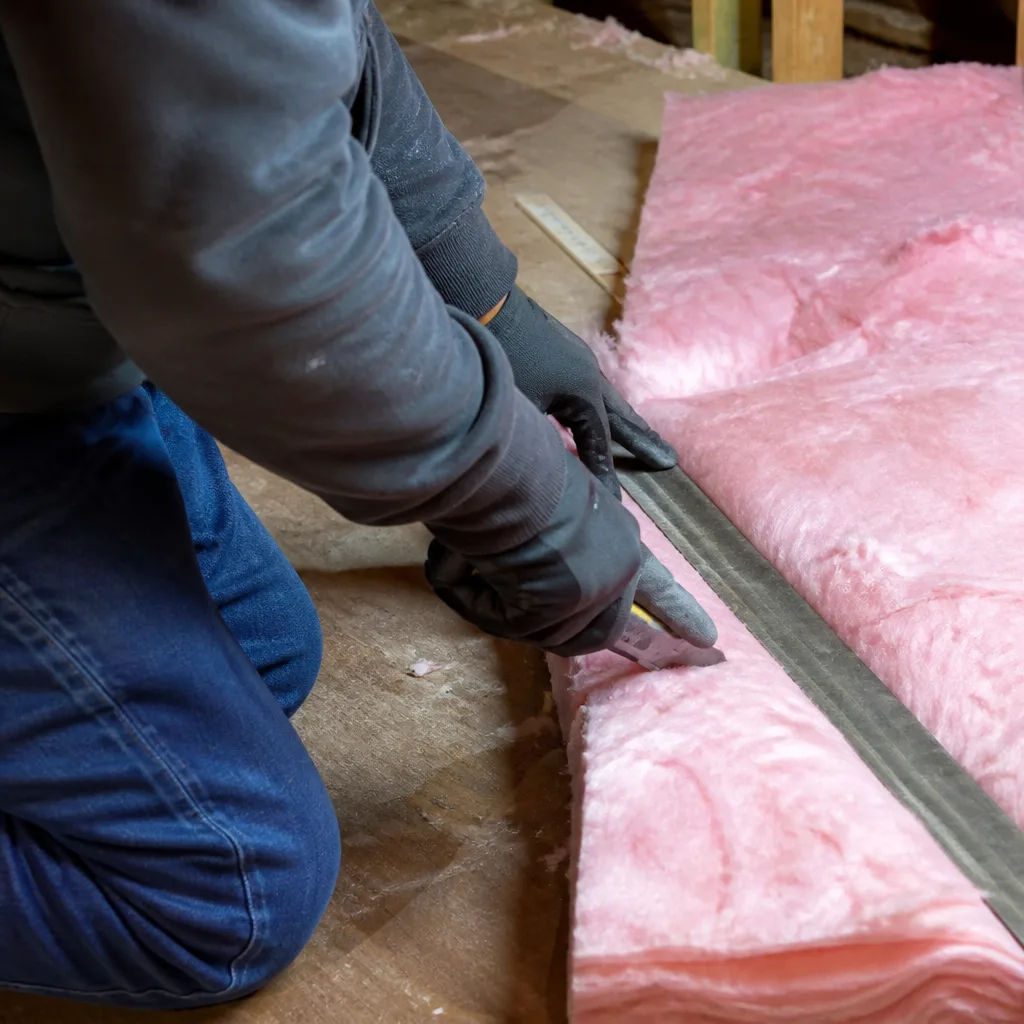
| Contaminated insulation removal (per sq ft) | $1.50 – $3.50/sq ft | A 1,000 sq ft attic runs $1,500 – $3,500 for removal alone |
| Attic debris & rodent waste cleanup | $300 – $900 | Higher end when nesting material is extensive or access is tight |
| Sanitizing & deodorizing treatment | $250 – $600 | Enzyme-based fogging is standard; heavier contamination needs multiple passes |
| Rodent exclusion (entry point sealing) | $400 – $1,500 | Depends on number of penetrations and access difficulty |
| Air sealing of top plates & penetrations | $300 – $800 | Done before new insulation; not optional on a proper job |
| New blown-in insulation (replacement) | $1,200 – $3,000+ | Varies by R-value target and attic square footage |
| Full project (cleaning + exclusion + new insulation) | $2,500 – $6,500 | Typical West Hollywood single-family home with moderate infestation |
A few things push jobs toward the higher end of those ranges in West Hollywood specifically. Homes in the Norma Triangle and the blocks west of La Cienega built before 1970 frequently have original blown-in insulation that has compressed, absorbed decades of rodent activity, and in some cases contains asbestos-adjacent materials that require separate handling protocols. Older craftsman and Spanish revival structures common along Fountain Avenue and in the flats south of Sunset also tend to have more irregular framing, which means more labor hours to find and seal every gap. Attic access through a small scuttle rather than a full pull-down stair adds time and cost to both removal and installation work.
On the lower end, a smaller condominium attic or townhome with a contained infestation caught early – maybe a Norway rat found a single entry point near the roofline – might be resolved for $1,200 to $1,800 total. That assumes insulation is still serviceable and only targeted cleaning plus exclusion is needed. Those situations are less common in West Hollywood’s older housing stock, but they do happen.
Under Haven Standard Clause 1, every job at Envelope Insulation Co. starts with a flat written price and a written scope. No work begins until you have that document in hand. There is no line item that appears on the invoice that was not on the written price beforehand.
What Affects Attic Cleaning & Rodent Proofing Pricing in West Hollywood
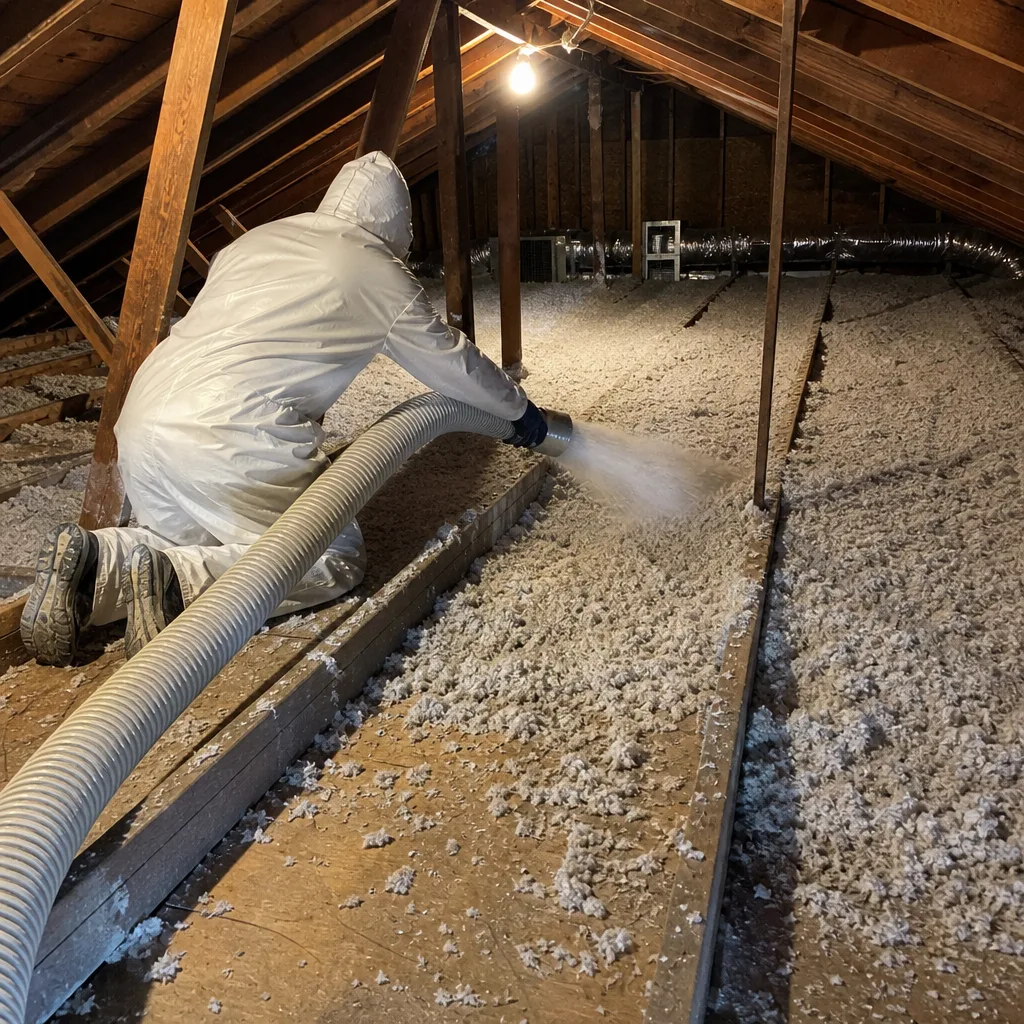
- Attic square footage and access difficulty: West Hollywood properties vary significantly – a compact single-story bungalow near Santa Monica Boulevard might have 600 square feet of attic space, while a two-story home near Laurel Canyon can push past 1,800 square feet. Larger attics mean more material to remove and more ground to cover during exclusion. Tight access points, low clearance, or irregular roof lines all add labor time that shows up in the final price.
- Severity and duration of infestation: A fresh infestation caught within a season looks nothing like one that has been active for two or three years. Extended activity means more nesting material, more waste saturation into the insulation, more structural contamination, and a longer sanitizing process. In West Hollywood, we regularly see spring and fall pressure from roof rats coming in through Mediterranean-style clay tile roofs – a gap at the ridge or around a vent boot that seems minor from outside can let activity build for months before a homeowner notices it.
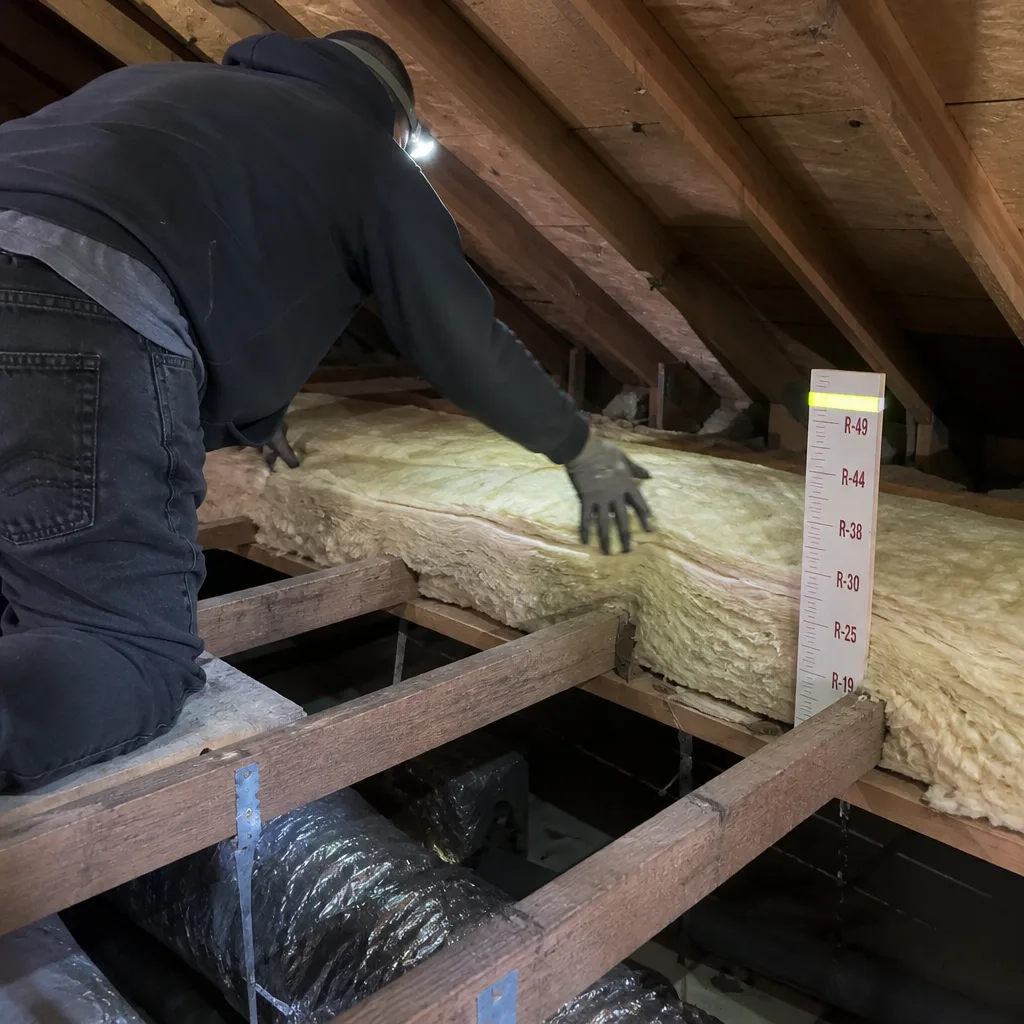
- Condition and type of existing insulation: If the existing insulation is old fiberglass batts that have been flattened and soiled, removal is straightforward vacuum work. Original 1950s blown-in that has clumped, or insulation that contains urea-formaldehyde foam from a previous retrofit, can complicate removal and disposal. California has specific disposal requirements for certain materials, and disposal fees in Los Angeles County are not trivial – budget $150 to $400 for haul-away depending on volume.
- Number and complexity of entry points: Rodent exclusion pricing scales with the number of gaps that need sealing. A home with a straightforward roofline and standard eave construction might have four or five identifiable entry points. A property with a complex roofline, multiple additions, and aging fascia boards – common in the older residential blocks north of Melrose – can have fifteen or more gaps requiring hardware cloth, expanding foam, and caulk to close properly. Each additional penetration adds material and time.
- Air sealing scope before new insulation: This step is not optional when done correctly. Before any new insulation goes into the attic, top plates, can light housings, HVAC penetrations, and any other bypasses need to be sealed. Envelope Insulation Co. will not blow insulation over an unsealed attic floor – air sealing is a hard prerequisite, not a line item we skip to lower a bid. That work costs money, but it is the difference between insulation that performs and insulation that sits on top of a sieve. In West Hollywood’s mild but cooling-season-heavy climate, unaddressed air bypasses are frequently the largest energy loss in the home.
- Whether ongoing pest control is bundled or separate: Attic cleaning and exclusion address the physical structure. Ongoing rodent monitoring – bait stations, traps, follow-up inspections – is typically handled by a licensed pest control operator and is separate from the insulation contractor’s scope. Some homeowners try to combine these into one contract; others prefer to keep them separate. Either approach works, but make sure the scope language on any written price is clear about exactly what is included and what is not.
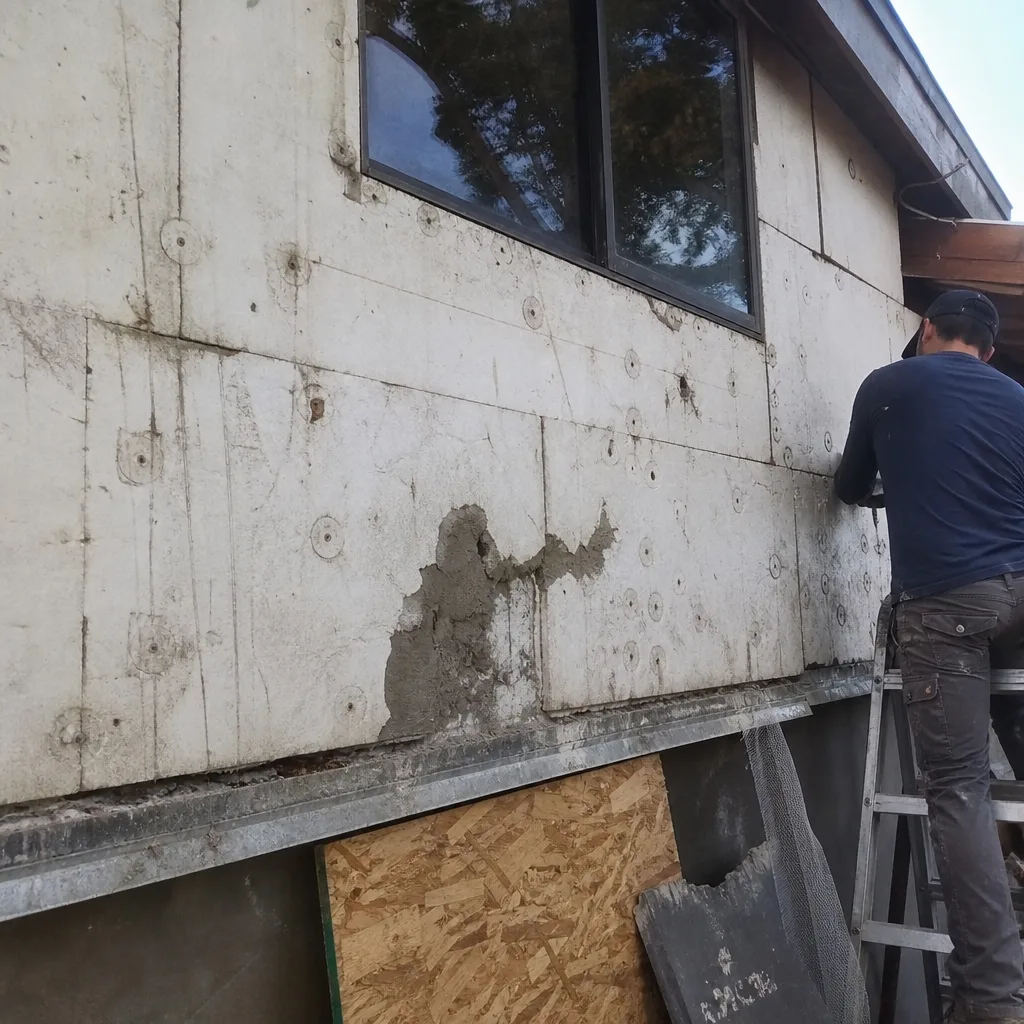 Before
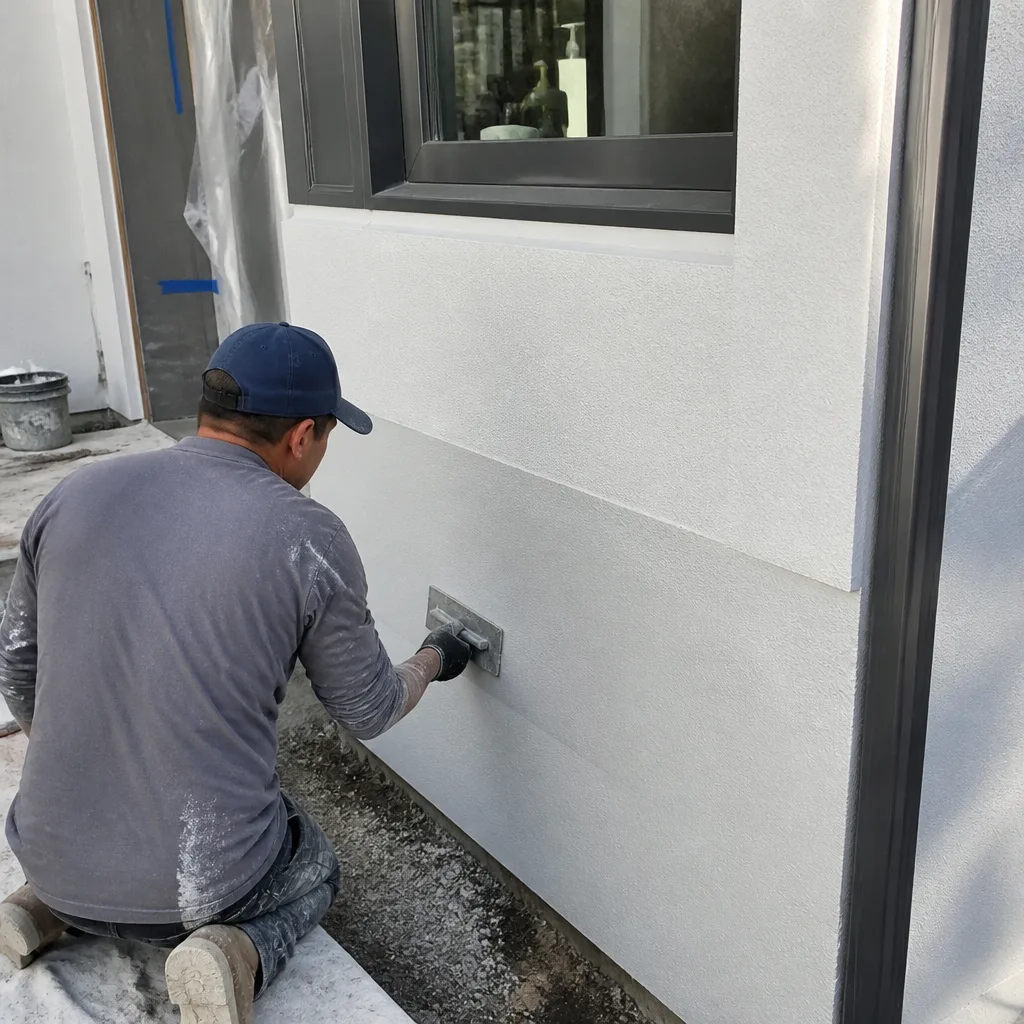 After
AfterHow to Save on Attic Cleaning & Rodent Proofing
Act on Early Signs Before the Scope Grows
The single most reliable way to keep costs down is to act early. Scratching sounds in the ceiling, a musty odor from vents, or droppings near the attic hatch are each a signal that something is active. Every additional month of activity means more waste saturation, more nesting material, and more entry points chewed open. A job that costs $1,500 to address in October can easily cost $3,500 or more if left until spring. West Hollywood’s mild winters mean rodent activity does not slow down the way it might in colder climates – there is no seasonal pause that buys you time.
Get a Written Scope Before Agreeing to Anything
This applies to any contractor, not just us. A written price with a line-item scope protects you from add-ons that appear after the crew is already in your attic. Under the Haven Standard, a written price before any work starts is non-negotiable – every line item is named before anyone lifts a tool. If a contractor cannot or will not put the full scope in writing before starting, that is a useful data point about how the rest of the job is likely to go. Bring any written estimate to us and we will review it with you at no charge – that is our Free Second Opinion offer, and it applies to any competing quote in the West Hollywood area.
Combine Services When Possible
If you are already having contaminated insulation removed, the cost per square foot for new insulation installation drops when it is part of the same mobilization. Scheduling cleaning, exclusion, air sealing, and insulation replacement in one project avoids a second setup charge and keeps the crew on-site rather than returning for a separate visit. Homeowners in West Hollywood who combine Attic Cleaning & Rodent Proofing in West Hollywood with a full attic air sealing and insulation replacement typically save 10 to 20 percent compared to scheduling those scopes separately.
Understand What You Actually Need
Not every attic cleaning job needs full insulation replacement. If the infestation was caught early and the insulation is less than seven years old with good R-value depth remaining, targeted cleaning and exclusion plus sanitizing may be sufficient. An honest assessment – documented with photos so you can see exactly what was found – tells you what the attic actually needs rather than what generates the largest invoice. Every visit from Envelope Insulation Co. includes a Documented Photo Record so you see the same thing the technician saw.
Use Utility Rebates for the Insulation Portion
If your project includes installing new attic insulation to current California Energy Code standards – R-38 or R-49 depending on the assembly – Southern California Edison and SoCalGas both offer rebate programs for qualifying upgrades. The rebate amounts change year to year, but in 2025 they ran between $0.10 and $0.25 per square foot for blown-in insulation reaching program thresholds. Ask for the documentation you will need to file: a written scope, the installed R-value, and photos of the completed work. We provide all three as standard.
Request a Free Estimate With Numbers, Not a Range
A verbal estimate or a wide range given over the phone is not a price. Call (213) 306-2607 and we will schedule an attic assessment, put the findings in writing with a flat price for the full scope, and leave you with photos of what we found. There is no obligation and no pressure to proceed. That written number is yours to compare against other quotes.
FAQs – Attic Cleaning & Rodent Proofing Cost
How much does attic cleaning and rodent proofing cost in West Hollywood?
Most attic cleaning and rodent proofing projects in West Hollywood run between $1,200 and $4,800, with the majority of full-scope jobs – cleaning, exclusion, sanitizing, and new insulation – landing between $2,500 and $4,200 for a standard single-family home. Smaller jobs with a contained infestation and serviceable existing insulation can come in under $1,500. Jobs involving extensive contamination, complex rooflines, or original 1950s insulation that needs careful removal push toward or past the $5,000 mark. Call (213) 306-2607 for a written price specific to your attic – the estimate is free.
Do I need to replace my insulation after a rodent infestation?
Not always, but more often than not. Rodent waste contains pathogens including hantavirus and leptospira, and both urine and feces saturate insulation fibers in ways that cannot be cleaned – only removed. If nesting or waste is distributed throughout the attic rather than isolated to one area, full removal is the correct answer. If a technician tells you otherwise without seeing the attic and providing documentation, ask for photos that justify that assessment. On every job we complete in West Hollywood, the Documented Photo Record shows exactly what was present before removal and what the attic looked like after. You do not need to take our word for it.
Can I just have the rodent entry points sealed without cleaning the attic?
Exclusion-only work – sealing entry points without removing contaminated material – costs between $400 and $1,500 depending on the number of penetrations, and it does stop new rodents from entering. What it does not do is address the contamination already present, the odor signals that can attract new activity even through sealed gaps, or the degraded insulation that is no longer performing. In West Hollywood’s older housing stock, exclusion-only work tends to be a temporary fix that leads to a larger project twelve to eighteen months later. We will perform exclusion-only work if that is what you want, but the written scope will clearly note what is not included so you understand what you are and are not purchasing.
How long does attic cleaning and rodent proofing take?
A standard attic cleaning and exclusion project on a West Hollywood single-family home typically takes one to two days. Insulation removal alone for a 1,000 to 1,500 square foot attic runs four to six hours with a two-person crew and a commercial vacuum system. Sanitizing, exclusion sealing, and air sealing add another two to four hours. If new insulation is going in as part of the same project, plan for a full two-day scope or a very long single day. Attics with tight access or extensive contamination can extend that timeline. We will give you a time estimate alongside the written price so you know what the schedule looks like before the crew arrives.
Is attic rodent proofing covered by homeowners insurance in West Hollywood?
Generally, no. Standard homeowners insurance in California treats rodent infestation as a maintenance issue rather than a sudden or accidental loss, which means the cleaning and exclusion work is typically not covered. There are exceptions – if a covered peril like water damage created an entry point that led to an infestation, the damage from that original event might be covered – but the rodent remediation itself usually is not. A handful of specialty or endorsement policies do cover pest-related damage; check your declarations page and call your agent to confirm before assuming coverage. If you are filing a claim for connected damage, the Documented Photo Record from your attic assessment is the kind of evidence adjusters ask for.
What is the difference between attic cleaning and attic sanitation?
Attic cleaning refers to the physical removal of debris, droppings, nesting material, and contaminated insulation. Attic sanitizing – sometimes called fogging or deodorizing treatment – is the step that follows, using an enzyme-based or antimicrobial agent to neutralize pathogens and reduce odor compounds left in the structural wood after the physical material is removed. Both steps are part of a complete remediation. Cleaning without sanitizing leaves active biological material on the framing. Sanitizing without cleaning first is largely ineffective because the spray cannot penetrate through layers of waste and nesting material. In West Hollywood, where roof rats are the dominant species and their urine trails actively signal other rodents, skipping the sanitizing step is a common reason homeowners end up re-infested within a year.
What Happens After the Cleaning: Air Sealing and Insulation
Once the attic is cleaned, sanitized, and the exclusion work is done, the attic floor is essentially a blank surface – and that is when the air sealing work matters most. In West Hollywood homes built before 1990, the attic floor typically has open top plates, unsealed can light housings, gaps around HVAC ducts and flue penetrations, and wire chase openings that connect directly to conditioned living space. Those bypasses are not insulation deficiencies; they are air leakage pathways, and adding insulation over them without sealing first is a documented waste of both material and energy.
Envelope Insulation Co. operates under a fixed rule on this: air sealing comes first. We will not blow insulation over an unsealed attic floor. The top plates, can lights, and all identifiable penetrations are sealed with two-part expanding foam or fire-rated caulk before a single bag of new material goes in. On applicable jobs, we run a blower-door test – a pressurization reading that produces one number showing how much conditioned air the building envelope was losing – before and after sealing so the homeowner has documented evidence of the change. A reading of 3,800 CFM50 before sealing and 1,900 after is a real result. “We significantly improved efficiency” is not.
For West Hollywood homeowners who want to understand the full attic service line – not just the cleaning and exclusion piece – the home page covers the complete building envelope work Envelope Insulation Co. performs since 2016. Every service follows the same structure: written price before work starts, documented photo record when the crew leaves, 365-Day Done Right Promise in writing.
West Hollywood Attic Conditions Worth Knowing
West Hollywood’s housing stock creates a specific set of attic conditions that affect both the difficulty and the cost of this work. Understanding what the technician is likely to find before an inspection helps set realistic expectations.
Roof Rat Activity Along the Hillside Adjacency
Properties near the Sunset Strip corridor and the blocks backing up to the Hollywood Hills are particularly active for roof rats. These animals travel along utility lines and tree branches, enter through gaps at the roofline or around attic vents, and establish nesting sites in insulation within days of entry. Because West Hollywood has no true cold season, populations do not collapse in winter the way they might in northern California – pressure is year-round, with peaks in early spring and late fall when food sources shift. That sustained pressure means exclusion work needs to be thorough, not approximate.
Older Construction and Irregular Framing
A significant share of West Hollywood’s single-family housing stock was built between 1920 and 1960, with additions and modifications layered on top of original framing over the decades. That history creates attic configurations that do not match a standard template: split-level attic spaces separated by interior walls, blocked joist bays that make vacuum work difficult, and original plaster ceilings with gaps that open directly into living space. Inspection in these homes takes longer, exclusion sealing requires more material, and the blower-door results before sealing are often significantly worse than in newer construction.
Mediterranean and Spanish Revival Roof Details
Clay tile roofs on Spanish revival and Mediterranean-style homes – common in the residential blocks between Santa Monica Boulevard and Fountain Avenue – create natural gaps at the ridge and eave where tile meets fascia. Those gaps are effective rodent entry points that are easy to miss on a surface inspection and require specific materials (hardware cloth and appropriate sealants) to close without damaging the tile. If an exclusion quote does not mention the roofline specifically on a tile-roof property, ask about it directly.
HVAC and Duct Penetrations
Many West Hollywood homes have ductwork running through the attic, and duct boots – the point where a duct connects through the ceiling into a register – are common air leakage points and occasional rodent entry points. During attic cleaning, those connections should be inspected and documented. Damaged duct insulation that has been chewed through should be noted in the written scope and either included in the remediation or explicitly excluded so the homeowner knows to address it separately.
Why Written Documentation Matters on This Specific Type of Job
Attic cleaning and rodent proofing is one of the service categories where documentation matters most, for two reasons. First, the work happens in a space most homeowners never visit, which means there is no natural way to verify what was done without a photo record. Second, insurance companies and future buyers sometimes ask for evidence of remediation when a rodent history is disclosed during a sale. A Documented Photo Record showing the before and after condition – the waste that was removed, the entry points that were sealed, the sanitizing that was applied, and the new insulation that was installed – is a usable document, not just a courtesy.
Under the Haven Standard, every visit from Envelope Insulation Co. produces that photo record as a standard deliverable, not an add-on. The written scope delivered before work starts names what will be done. The photo record delivered after work is complete shows that it was done. Those two documents together are the full accountability structure for the job.
Key Takeaways
- Attic cleaning and rodent proofing in West Hollywood typically costs $1,200 to $4,800, with full-scope projects (cleaning, exclusion, air sealing, and new insulation) averaging $2,500 to $4,200.
- The biggest cost drivers are attic size, infestation severity, insulation condition, and the number of entry points requiring exclusion work.
- Roof rats are the dominant species in West Hollywood and stay active year-round – early action consistently reduces total project cost.
- Air sealing before new insulation is not optional on a correctly performed job; adding insulation over unsealed penetrations wastes material and energy.
- Ask for a written scope and written price before agreeing to anything – and ask what documentation you will receive when the work is complete.
- Utility rebates from SCE and SoCalGas may partially offset the cost of new insulation if the installation reaches qualifying R-value thresholds.
- Envelope Insulation Co. offers a Free Second Opinion on any written competing estimate and a 365-Day Done Right Promise on all completed work.
Get a Written Price for Your West Hollywood Attic
If you have found evidence of rodent activity – or if you simply do not know what your attic looks like inside and want to – call (213) 306-2607. We will schedule an assessment, inspect and photograph the attic, and give you a flat written price for the full scope before anyone starts work. The estimate is free. The written price is yours to keep and compare. If you have an existing written quote from another contractor, bring it and we will review it with you.
Wes Okafor leads the team at Envelope Insulation Co., and the same standard Wes built the business on in 2016 applies to every job in West Hollywood: written price first, documented record when the crew leaves, and a 365-Day Done Right Promise in writing before anyone picks up a tool.
Pricing reflects the West Hollywood market as of 2026. Topside Attic Insulation West Hollywood offers free estimates – call (213) 306-2607.
Written by Wes Okafor, Owner at Envelope Insulation Co., serving West Hollywood since 2016.
What Our Customers Say
"They photographed rodent damage in the old insulation that we had no idea about, and priced the exclusion work separately so we could decide."
- Harriet N."Turned up on time, protected the hallway, and the written scope matched what was actually done."
- Bruno S."Two other companies quoted to blow more insulation on top of what was there. These were the only ones who said the existing material had to come out first, and explained why."
- Clifford E.