
How Much Does Wall Insulation Cost in West Hollywood?
Wall insulation in West Hollywood typically costs between $1,800 and $6,500 for a standard single-family home or older bungalow, depending on wall area, insulation type, and whether existing material needs to come out first. Most homeowners in the 90046 and 90069 zip codes land somewhere between $2,400 and $4,200 for a blown-in or batt retrofit project on a 1,200-to-1,800-square-foot home. At Envelope Insulation Co., every job starts with a written price before anyone lifts a tool – that’s not a policy, it’s the foundation of how we work under The Haven Standard.
Wall Insulation Cost Breakdown (2026)
The table below reflects actual project pricing in the West Hollywood market as of 2026. These are not national averages pulled from a database – they’re based on what jobs in this city actually cost, accounting for local labor rates, older construction common to WeHo’s 1920s-1960s housing stock, and material costs at current supply-chain pricing.
| Project Type | Typical Cost Range | Notes |
|---|---|---|
| Blown-in cellulose (retrofit, per 1,000 sq ft of wall) | $800 – $1,400 | Drill-and-fill through stucco or drywall; most common in older WeHo bungalows |
| Blown-in fiberglass (retrofit, per 1,000 sq ft) | $900 – $1,500 | Slightly higher R-value per inch than cellulose; similar install process |
| Fiberglass batts – open-wall installation | $1.00 – $1.80 per sq ft | Only viable during remodel when walls are open; lowest material cost |
| Spray foam (closed-cell, per 1,000 sq ft) | $2,000 – $4,200 | Highest R-value; also acts as air and vapor barrier; recommended when moisture history exists |
| Mineral wool / Rockwool batts – open wall | $1.40 – $2.20 per sq ft | Fire-resistant and sound-dampening; popular in multi-unit conversions on Santa Monica Blvd corridor |
| Insulation removal (prior to replacement) | $400 – $1,200 | Required when existing material is contaminated, rodent-damaged, or moisture-compromised |
| Air sealing (top plates, penetrations) – before insulation | $350 – $900 | At Envelope, this is always completed before insulation goes in – never optional |
| Full exterior wall retrofit – average WeHo home (1,400 sq ft) | $2,400 – $4,200 | Blown-in cellulose or fiberglass, patching, air sealing included |
| Large home or duplex (2,000+ sq ft of wall area) | $4,500 – $6,500+ | Multi-story adds staging and labor time |
What Pushes Costs Up or Down
The single biggest cost driver on a wall insulation job in West Hollywood isn’t the material – it’s wall access. Older stucco homes built between 1930 and 1960 (which make up a large share of the housing stock north of Santa Monica Blvd and through the Norma Triangle) require drilling small holes into the stucco, inserting a fill tube, and patching afterward. When the stucco is textured or has multiple paint layers, matching the patch finish adds labor time and sometimes a separate stucco contractor visit.
Homes with wood-siding or exposed drywall interiors are less complex to drill and patch, which keeps costs closer to the lower end of the range. Homes with asbestos-containing stucco – common in properties built before 1978 in this area – require abatement before any drilling happens, and that’s a separate scope that we’ll flag during the estimate rather than discover after the job starts.
Wall cavity depth matters too. A 2×4 stud wall common in 1940s construction gives you 3.5 inches of cavity space, which limits R-value to around R-13 with dense-pack cellulose. A 2×6 wall found in newer builds or additions gets you closer to R-21. If maximum thermal performance is the goal, a spray foam application or an additional layer of rigid foam board on the interior or exterior face can push that number higher – but that’s a remodel-phase decision, not something done on an occupied wall.
Learn more about the full scope of what goes into this work on our Wall Insulation in West Hollywood service page, or visit our home page for a full overview of what Envelope Insulation Co. covers across the building envelope.
What Affects Wall Insulation Pricing in West Hollywood
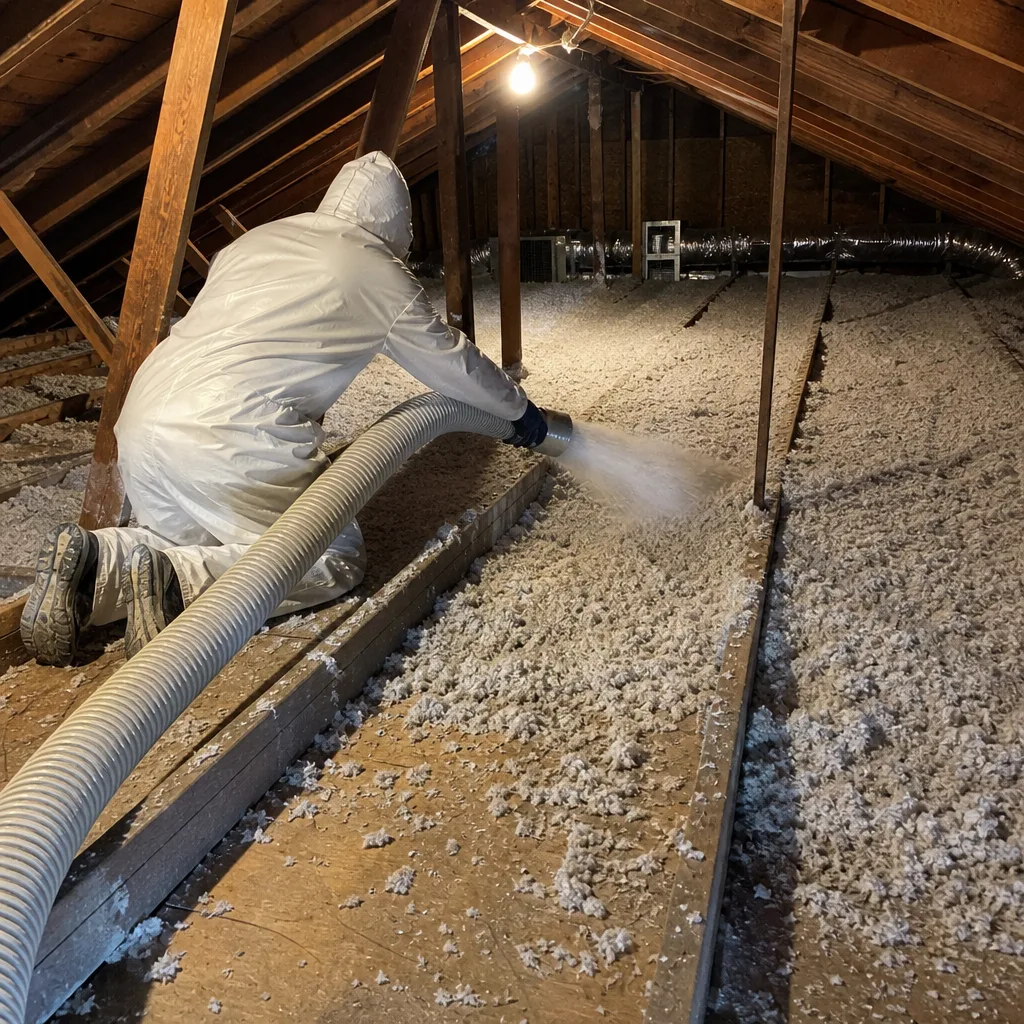
- Wall construction type and era: Stucco-clad homes built before 1960 – common throughout West Hollywood’s flatlands and the hills above Sunset – require a drill-and-fill approach that adds $200 to $600 in labor compared to wood-sided homes where access is simpler. Some of these older walls were built without a vapor barrier, which changes how we spec the insulation material to avoid trapping moisture.
- Existing insulation condition: Many West Hollywood homes we assess have either no wall insulation at all or degraded material from the 1960s and 1970s that’s lost its loft and settled to the bottom of the cavity. When the existing material is intact and not contaminated, we can sometimes dense-pack over it. When it’s compromised – rodent activity, moisture damage, or previous pest treatment chemicals – removal adds cost before new material goes in.
- Air sealing scope: At Envelope, we seal top plates, can light penetrations, and wall-to-attic transitions before insulation goes in – always. This is not a line item you can cut to lower the price. The reason is straightforward: insulation slows heat transfer, but it doesn’t stop airflow. Blowing cellulose into a wall with open top-plate penetrations just gives the air a new path around the material. The air sealing scope varies by home, typically adding $350 to $900 to the project, but the blower-door readings before and after show you exactly what that work did.
- Insulation material selected: Blown-in cellulose from GreenFiber sits at the lower end of material cost and performs well in West Hollywood’s mild but sometimes marine-influenced climate. Closed-cell spray foam from Icynene or Demilec costs significantly more per square foot but doubles as an air barrier and performs well in walls that have had any water intrusion history – something worth considering in homes near the hillside areas above Laurel Canyon Blvd where seasonal moisture can work into older wood framing. Rockwool batts from Rockwool (used in open-wall applications) add fire resistance and sound attenuation, which matters in multi-unit buildings and mixed-use corridors.
- Linear footage of patching and finishing: Every drill hole needs to be patched and painted to match. On a stucco home with a complex texture, that patching work is a real labor cost. Some contractors skip this step or do it poorly, leaving visible witness marks. We include patching in our written scope, and our photo record documents the finished surface so you can see the condition we left the wall in.
- Permit requirements in West Hollywood: The City of West Hollywood falls under LA County building codes for residential insulation work. Most blown-in retrofit jobs don’t require a permit when no structural work is involved, but if the scope includes opening walls or modifying framing, a permit is required. We’ll tell you which category your job falls into during the estimate – not after. When permits are required, that fee (typically $150 to $400 for residential work in this jurisdiction) gets added to the written price upfront.
- Home geometry and stories: Single-story homes in the flats of West Hollywood – areas around Formosa Ave, Havenhurst Dr, and the residential blocks between Fountain Ave and Santa Monica Blvd – are straightforward to access. Two-story homes or hillside properties with significant grade changes require staging or scaffold on at least one side, adding $300 to $800 in setup time. We scope this during the site visit so you’re not seeing it for the first time on the invoice.
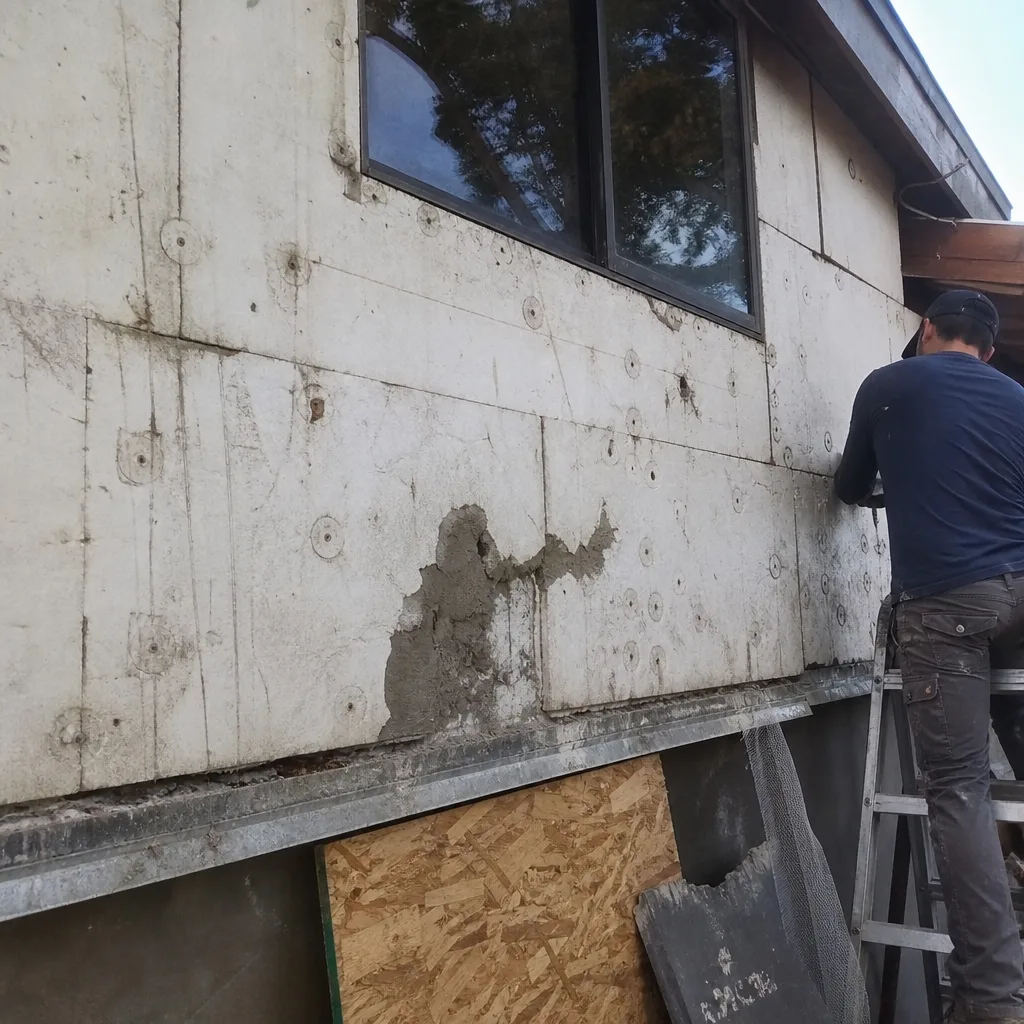 Before
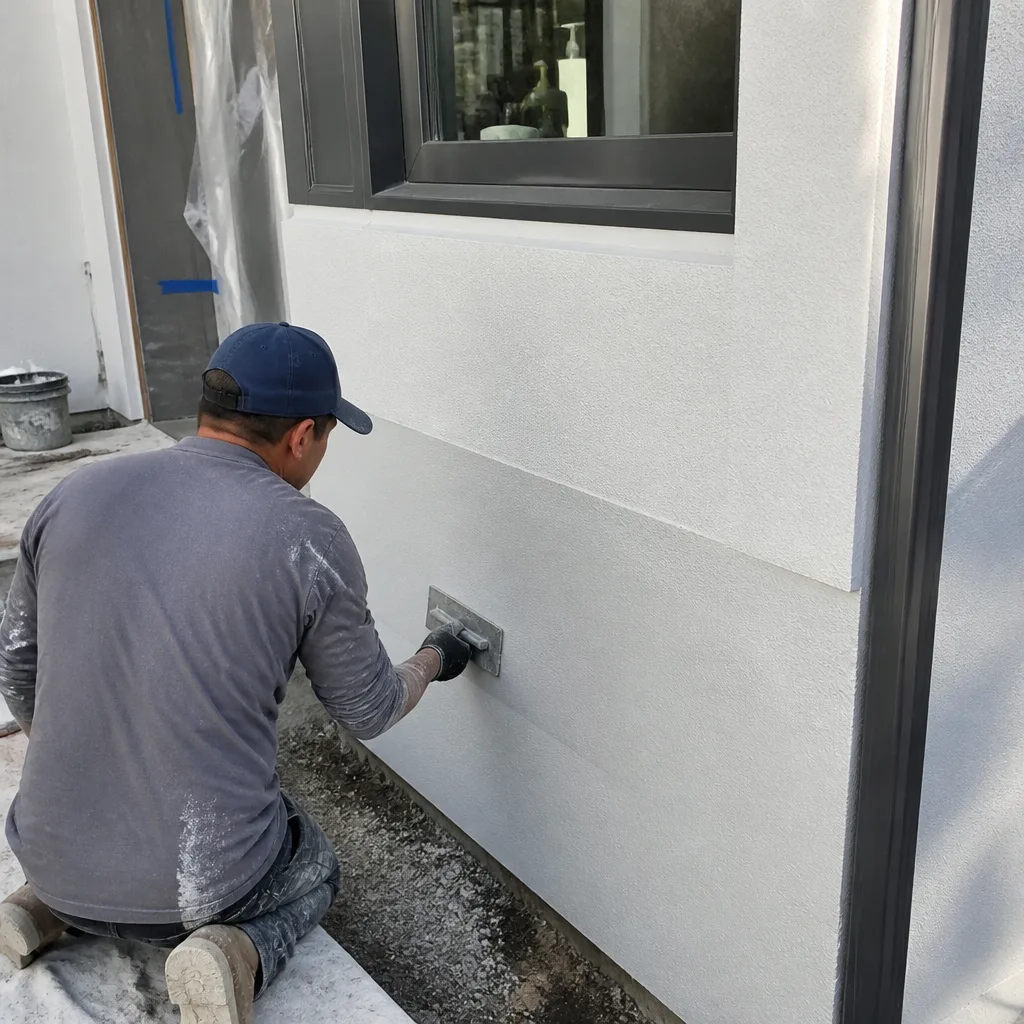 After
AfterHow to Save on Wall Insulation in West Hollywood
Combine Wall and Attic Work When Possible
The largest single efficiency in any insulation project is crew mobilization – getting a trained technician to your home, setting up equipment, and performing blower-door testing. When you’re already doing attic insulation or attic air sealing, adding wall insulation to the same project typically reduces the per-square-foot cost by 10 to 20 percent compared to scheduling it as a standalone visit. We see this regularly on jobs in the Norma Triangle and the streets north of Fountain, where homes have both undersized attic insulation and empty wall cavities.
Get the Scope Right Before the Work Starts
One of the more reliable ways to overspend on wall insulation is to start with an incomplete scope and add items mid-job. Our estimate process is a site visit, not a phone quote. A technician walks the home, checks wall access, identifies any moisture or contamination issues, and builds a flat written price that covers everything we discussed – including patching and air sealing. Under Haven Standard Clause 1, that price is in writing before we schedule the work. No surprises on the invoice because there are no additions that weren’t in the scope.
Use California’s Energy Efficiency Incentives
California’s Title 24 energy code creates a framework for rebates through utilities including SoCalGas and Southern California Edison. As of 2026, rebates for wall insulation in qualifying single-family homes can offset $200 to $600 of project cost depending on R-value achieved and current program availability. The specifics change by program cycle, so ask during your estimate whether your project qualifies – we’ll tell you what documentation the utility will need and include it in the project record so you can submit the paperwork without going back to find receipts.
Don’t Skip Air Sealing to Cut Costs
This sounds counterintuitive in a section about saving money, but it’s the right call: wall insulation that goes in over unsealed top plates and penetrations performs at a fraction of its rated R-value. You pay for R-13 and get something closer to R-7 in practice because conditioned air is bypassing the insulation through gaps. The air sealing scope adds a few hundred dollars to the project and the blower-door reading afterward shows you the actual result. That’s real performance verification, not a sales claim. Skipping it to save money up front means the energy savings you were expecting don’t show up in your utility bills.
Bring in a Second Opinion on Any Estimate You’ve Received
If you already have a written quote from another contractor, we’ll read it with you – line by line – at no charge. That’s our Free Second Opinion offer, and it exists because the West Hollywood insulation market has a wide spread of pricing and an even wider spread of what’s actually included in the scope. Sometimes a lower quote reflects a legitimate efficiency. Sometimes it reflects missing line items that appear mid-job as change orders. Knowing which one you’re looking at before signing is worth the time.
To get a written price on our Wall Insulation services, call (213) 306-2607. A live person answers – no voicemail loops – and we’ll schedule a site visit at a time that works for your schedule.
Wall Insulation vs. Attic Insulation: Where Should West Hollywood Homeowners Start?
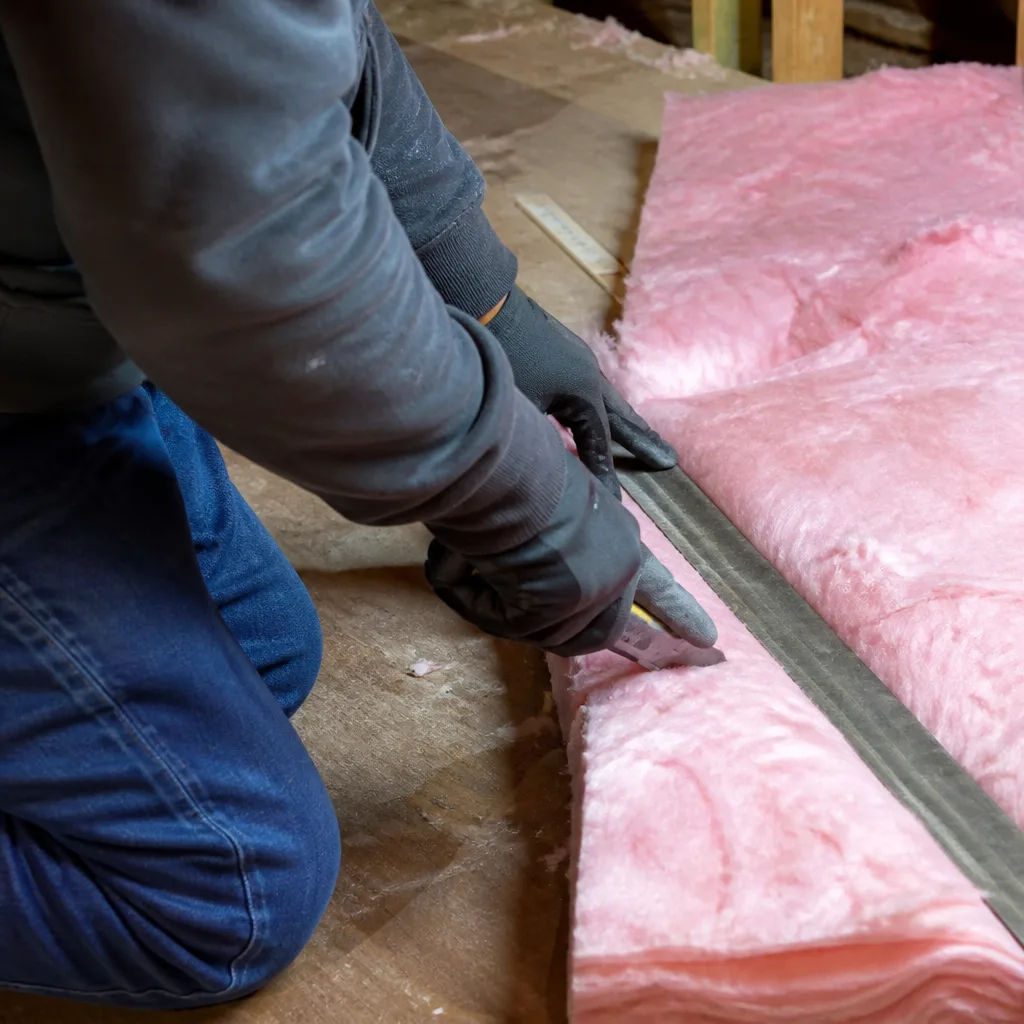
This comes up often, so it’s worth addressing directly. In most West Hollywood homes we assess, the attic is the higher-priority project. Heat gain through an uninsulated or under-insulated attic floor in a Southern California climate accounts for a disproportionate share of cooling load compared to heat gain through walls. The wall-to-floor area ratio in a typical single-story bungalow makes this especially true.
That said, wall insulation matters more than it often gets credit for in this climate. West Hollywood sits in a Mediterranean climate zone where nighttime temperatures drop significantly compared to daytime highs, especially in summer. Walls with no insulation don’t hold the cooler overnight temperatures inside the home’s envelope – they allow heat exchange in both directions, meaning your AC fights harder in the afternoon and your home loses the benefit of overnight cooling faster than it should. In older homes on the hillside streets above Sunset Strip where ambient temperatures can be 5 to 8 degrees cooler than the flats, this thermal cycling effect is pronounced.
When budget requires sequencing, we recommend attic first, walls second. When the project timeline and budget allow both, do both together and take advantage of the mobilization savings.
What the Job Documentation Looks Like
Every Envelope Insulation Co. job closes with a Documented Photo Record. For a wall insulation project, that means photos of the wall condition before drilling, the fill tubes in place during installation, the completed patch work, and the blower-door test setup and result readings. You receive that documentation when the crew leaves – not on request, not after a follow-up email. It’s part of what we deliver on every job, and it’s the reason our blower-door numbers mean something: you can see what we measured, not just what we claimed.
On applicable wall insulation jobs where air sealing is part of the scope, the before-and-after blower-door readings – a pressurization measurement that shows, in a single number, how much conditioned air the building envelope was losing before and after the work – are included in that record. The number before sealing and the number after are both in the document. Wes Okafor built the Envelope documentation process around a single principle: a homeowner who can verify the result doesn’t need to trust the salesperson.
The Envelope Approach to Wall Insulation in West Hollywood
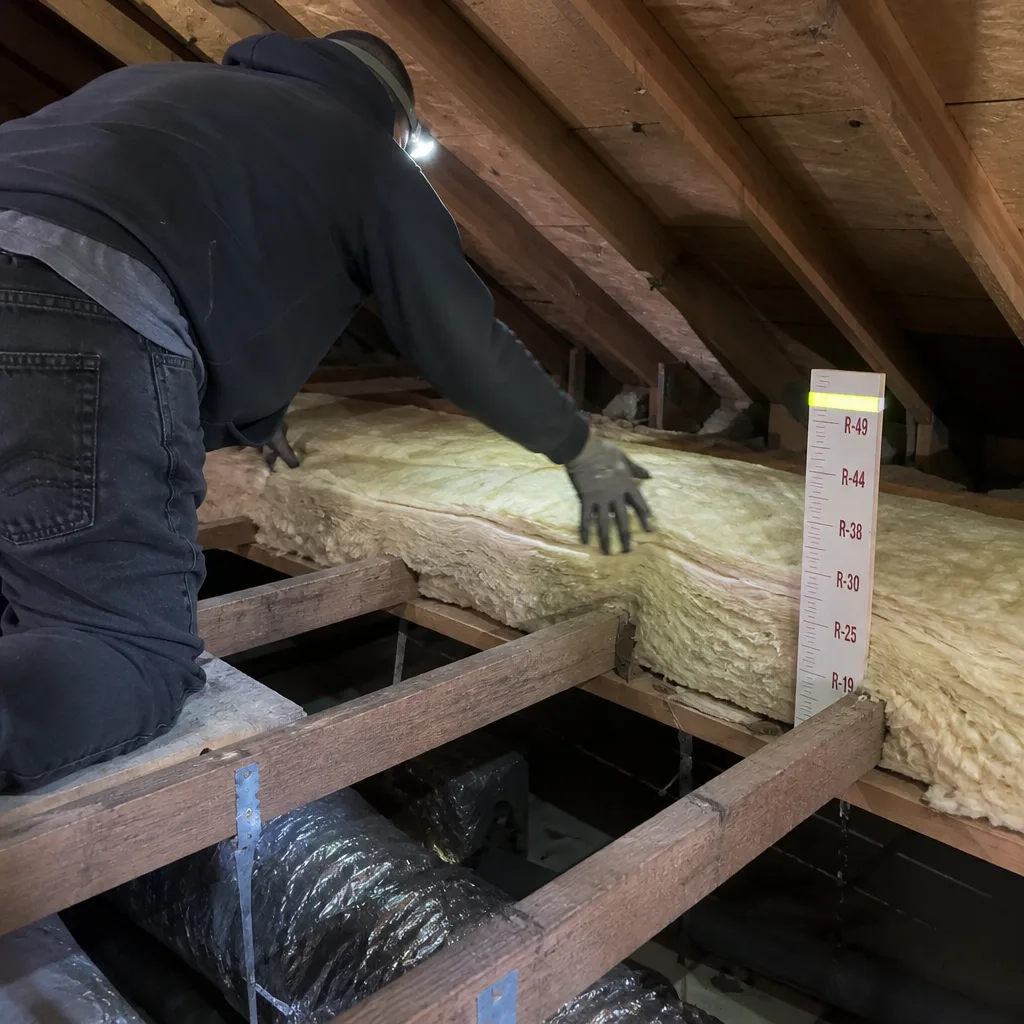
We’ve assessed homes throughout West Hollywood since 2016 – on the quiet residential streets around Larrabee Park, in the older multifamily buildings along La Brea Ave near the city’s eastern border, in the hillside properties above Sunset that deal with both heat and moisture challenges depending on the season. The construction patterns we see here are consistent enough that we’ve developed a clear sense of what works in these walls and what doesn’t.
The most common mistake we see on previous jobs is insulation installed without air sealing – often by contractors who either didn’t know to do it or chose not to charge for it. The second most common is the wrong material for the wall condition: expanding spray foam used in a wall cavity that still has active moisture movement, which can trap water against framing and create a wood rot problem over time. Getting the material selection right for the specific wall condition is as important as getting the R-value right, and it’s part of what Wes Okafor built the Envelope site-assessment process around.
On every wall insulation project we take on in West Hollywood, the scope is written, the price is written, the work is photographed, and the blower-door numbers are documented. That’s not a differentiator for marketing copy – it’s how building performance work should be done, and it’s how we’ve done it on 9,000+ homes since 2016.
FAQs – Wall Insulation Cost in West Hollywood
How much does wall insulation cost per square foot in West Hollywood?
Blown-in wall insulation in West Hollywood runs $0.80 to $1.50 per square foot of wall area for cellulose or fiberglass, installed. Spray foam costs more – typically $2.00 to $4.20 per square foot – but also functions as an air and vapor barrier. Open-wall batt installation during a remodel runs $1.00 to $2.20 per square foot depending on material. Most homes in West Hollywood are stucco-clad with 2×4 framing, which puts the typical project in the $2,400 to $4,200 range all-in for a 1,200-to-1,800-square-foot home. For an exact number on your specific walls, call (213) 306-2607 – estimates are free and always delivered in writing.
Is blown-in insulation or spray foam better for West Hollywood walls?
Blown-in cellulose or fiberglass is the right call for most West Hollywood homes where the wall cavities are dry and structurally sound. It installs with minimal disruption through small drill holes and fills irregularly shaped cavities well, which matters in 1940s and 1950s construction where framing isn’t always perfectly uniform. Closed-cell spray foam from products like Icynene or Demilec is the better choice when there’s a moisture history in the wall, when you need maximum R-value in a shallow cavity, or when the wall is being opened during a remodel and you want a single material that handles thermal, air, and vapor control at once. The material recommendation should follow the wall condition – not the other way around. We specify which material is right for your walls after the site assessment, not before we’ve seen them.
Do I need a permit for wall insulation in West Hollywood, CA?
Most blown-in retrofit wall insulation projects in West Hollywood – where no walls are opened and no structural work is involved – do not require a permit under current City of West Hollywood and LA County residential building codes. If your project involves opening walls, modifying framing, or changing the building’s thermal envelope in a way that triggers Title 24 compliance review, a permit is required. The permit fee for residential work in this jurisdiction is typically $150 to $400. We determine the permit requirement during the estimate and include it in the written price if applicable – you won’t find out at the invoice stage that a permit was needed and wasn’t pulled.
Can wall insulation reduce my energy bills in West Hollywood?
Yes, though the reduction varies by how much insulation (if any) is already in the walls and how well the home is air-sealed. Homes in West Hollywood with empty wall cavities and no air sealing at top plates typically see cooling load reductions of 10 to 25 percent after a full wall insulation and air sealing project, based on the blower-door measurement changes we document before and after. The air sealing component drives much of that result – insulation alone slows conductive heat transfer through the wall material, but air sealing stops the bypasses that carry conditioned air out of the building entirely. The before-and-after blower-door readings we provide on applicable jobs let you see the actual change in your specific home’s air exchange rate rather than relying on a national average estimate.
How long does wall insulation installation take in a typical West Hollywood home?
A single-story home with 1,200 to 1,500 square feet of exterior wall area typically takes one full day for blown-in insulation, including drilling, filling, and patching. Air sealing of top plates and penetrations adds 2 to 4 hours depending on the attic access situation and the number of penetrations found. Two-story homes or hillside properties with difficult exterior access usually take 1.5 to 2 days. The blower-door test adds roughly 90 minutes at the start and end of the air sealing phase. We give you a clear timeline in the written scope so you can plan accordingly – including which areas of the home need to be cleared and for how long.
What’s the difference between insulating interior walls and exterior walls in West Hollywood?
Exterior wall insulation – the walls that separate conditioned living space from the outside air – is where the thermal and energy performance work happens. Interior wall insulation between rooms doesn’t affect energy use in any meaningful way, but it does reduce sound transmission between rooms, which is worth considering in multi-unit buildings or homes with home offices, bedrooms adjacent to common areas, or kitchens that share a wall with a living space. In West Hollywood’s older apartment conversions and duplexes, interior wall sound insulation with Rockwool mineral wool batts runs roughly $1.40 to $2.20 per square foot on an open-wall basis. We include interior and exterior wall insulation in our scope and will quote both if that’s what your project calls for.
Key Takeaways
- Most West Hollywood wall insulation projects cost between $2,400 and $4,200 for a typical 1,200-to-1,800-square-foot home using blown-in cellulose or fiberglass.
- Stucco construction, common throughout West Hollywood, requires a drill-and-fill approach with patching – factor that into any quote you receive.
- Air sealing always comes before insulation at Envelope. It’s not optional and it’s not an upsell – it’s what makes the insulation perform at its rated R-value.
- Before-and-after blower-door readings are documented on every applicable job. You get the numbers, not just a promise.
- Every project starts with a written price and ends with a Documented Photo Record. That’s Haven Standard Clause 1, and it applies to every job we take on.
- The 365-Day Done Right Promise covers all completed work. If it’s not done right, we make it right – in writing, before we start.
- Permit requirements for West Hollywood residential insulation projects depend on scope. We determine this at the estimate stage, not after the work is done.
Get a Written Price for Your West Hollywood Wall Insulation Project
If you’re ready to find out exactly what wall insulation will cost for your specific home in West Hollywood, the next step is a site visit – not a phone estimate built on square footage assumptions. A technician comes to your home, assesses the wall construction, checks for existing material or moisture issues, identifies the air sealing scope, and delivers a flat written price covering everything discussed. That price doesn’t change after the work starts.
Call (213) 306-2607 to schedule your free estimate. A live person answers – no voicemail loops, no callback windows measured in days. If you have a written quote from another contractor and want a second set of eyes on it, bring it. We’ll read it with you and tell you exactly what we see.
Under the 365-Day Done Right Promise, if the work isn’t right, we make it right. That’s in writing before we start, and it applies to every wall insulation project we complete in West Hollywood.
Written by Wes Okafor, Owner at Envelope Insulation Co., serving West Hollywood since 2016. Pricing reflects the West Hollywood market as of 2026. Topside Attic Insulation West Hollywood offers free estimates – call (213) 306-2607.
What Our Customers Say
"Two other companies quoted to blow more insulation on top of what was there. These were the only ones who said the existing material had to come out first, and explained why."
- Clifford E."Crawl space encapsulation done properly. Photographs of the vapour barrier at every seam, and the damp smell in the hallway is gone."
- Ainsley P."They photographed rodent damage in the old insulation that we had no idea about, and priced the exclusion work separately so we could decide."
- Harriet N.