
How Much Does Insulation Cost in Los Angeles?
Insulation in Los Angeles typically costs between $1,200 and $4,800 for a full attic job, depending on square footage, material, and whether air sealing is done first - which it always should be. Most single-family homes in the San Fernando Valley, Silver Lake, or the Westside fall in the $1,800 to $3,400 range for blown-in attic insulation installed to R-38 or R-49. If you’re adding spray foam, wall insulation, or a radiant barrier to the scope, the total can run higher - but the numbers below will give you a reliable starting point before you talk to anyone.
Insulation Cost Breakdown (2026)
These ranges reflect what Los Angeles homeowners are actually paying in 2026 - not national averages. Square footage matters most, but so does the condition of what’s already up there and whether the attic floor has been air-sealed properly before insulation goes in.
| Service | Typical Price Range (Los Angeles) | Notes |
|---|---|---|
| Blown-in attic insulation (cellulose or fiberglass) | $1,200 – $3,200 | Per job; most LA homes 1,200-2,200 sq ft attic floor |
| Attic air sealing (top plates, can lights, penetrations) | $450 – $1,200 | Should precede any blown-in work - not optional |
| Spray foam insulation (open-cell, attic or walls) | $1,800 – $5,500 | Icynene and Demilec are common materials used in LA |
| Spray foam insulation (closed-cell) | $3,200 – $7,500 | Crawl spaces, rim joists, conditioned attic conversions |
| Radiant barrier installation | $800 – $2,200 | High value in hot-climate zip codes like Chatsworth, Granada Hills |
| Wall insulation (blown-in retrofit) | $1,500 – $4,000 | Older stucco homes in Mid-City and Los Feliz are common candidates |
| Insulation removal + replacement | $1,800 – $5,500 | Old vermiculite, rodent-damaged batt, or soaked fiberglass |
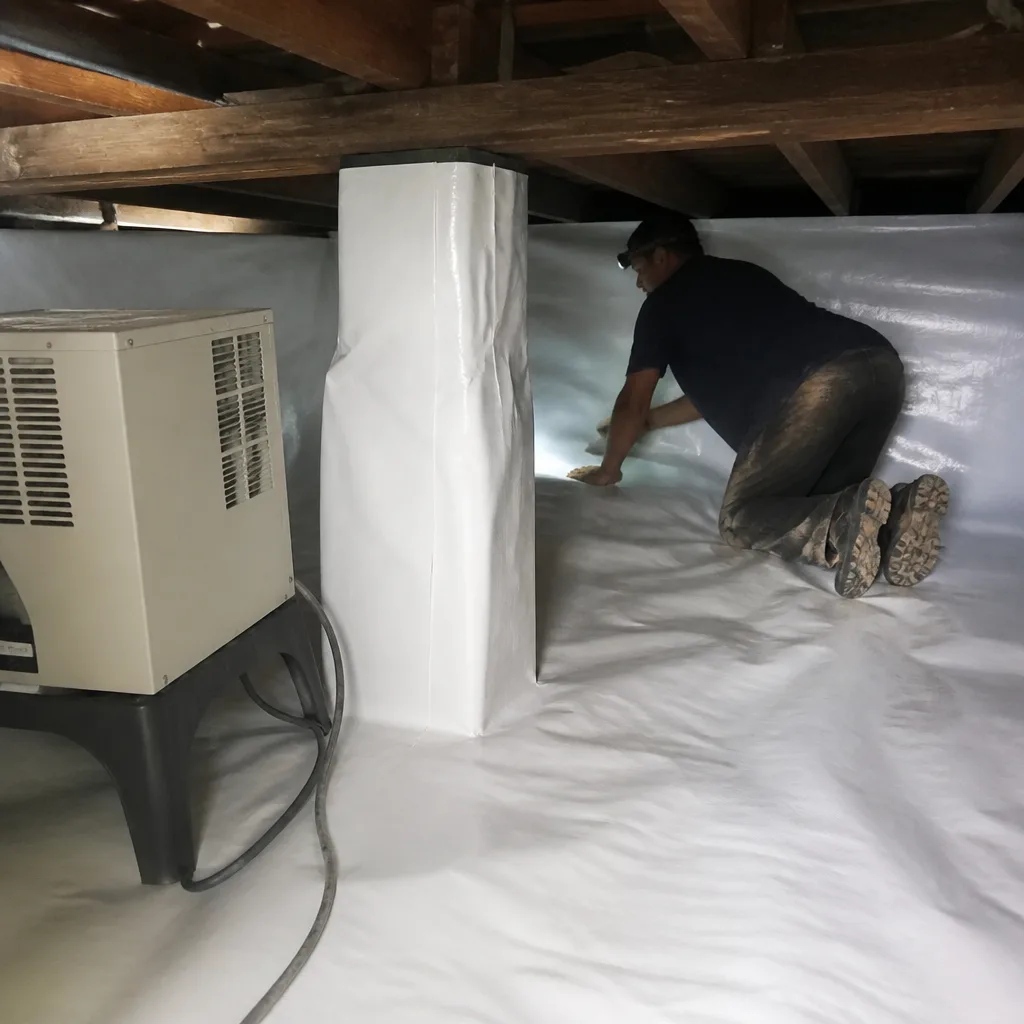
| Crawl space encapsulation + vapor barrier | $1,800 – $4,800 | Common in older craftsman bungalows in Highland Park, Pasadena |
| Attic cleaning + rodent proofing | $900 – $3,000 | Frequently needed before re-insulation in the Northeast LA hills |
| Home energy audit (blower-door test) | $300 – $600 | Baseline measurement; identifies where to prioritize spending |
| Full attic package (air seal + blown-in + radiant barrier) | $2,800 – $5,500 | Most complete single-visit scope for an LA single-family home |
What Pushes the Price Up – or Down
The biggest price driver in Los Angeles is access. A tight attic on a 1940s bungalow in Leimert Park with a 16-inch clearance and two HVAC units strung through it takes longer than an open attic above a newer Woodland Hills tract home. Labor time is everything when crews are working in 120-degree attic heat from June through September.
The second driver is existing insulation condition. If we pull back the hatch and find rodent-contaminated batt from the 1980s, or old blown-in that’s compacted to an R-8 when it was supposed to be R-30, that material has to come out before anything new goes in. Removal adds cost. So does biohazard remediation if there’s significant rodent activity - which we see regularly in homes near the Verdugo Hills and the Santa Monica Mountains interface.
Material choice is a real factor too, but maybe less than people expect. Knauf or GreenFiber cellulose and Owens Corning fiberglass blown-in are the workhorse materials for attic floors, and they’re priced similarly. Spray foam - Icynene open-cell or Demilec closed-cell - costs more per square foot but does a job that batt and blown-in can’t: it stops air, moisture, and insects simultaneously. When the scope calls for it, it’s the right call. When it doesn’t, it’s an upsell you shouldn’t have to pay for.
One thing that should not be a price variable: air sealing. In Los Angeles’s Mediterranean climate, where air conditioning runs hard from May to October, an unsealed attic floor with can light penetrations and open top plates works against every dollar of insulation sitting above it. Any contractor quoting you blown-in without mentioning air sealing first is leaving your biggest performance gain off the table. At Envelope Insulation Co., air sealing is a hard prerequisite - it gets done before the blower starts, not as a line item you can waive.
What Affects Insulation Pricing in Los Angeles
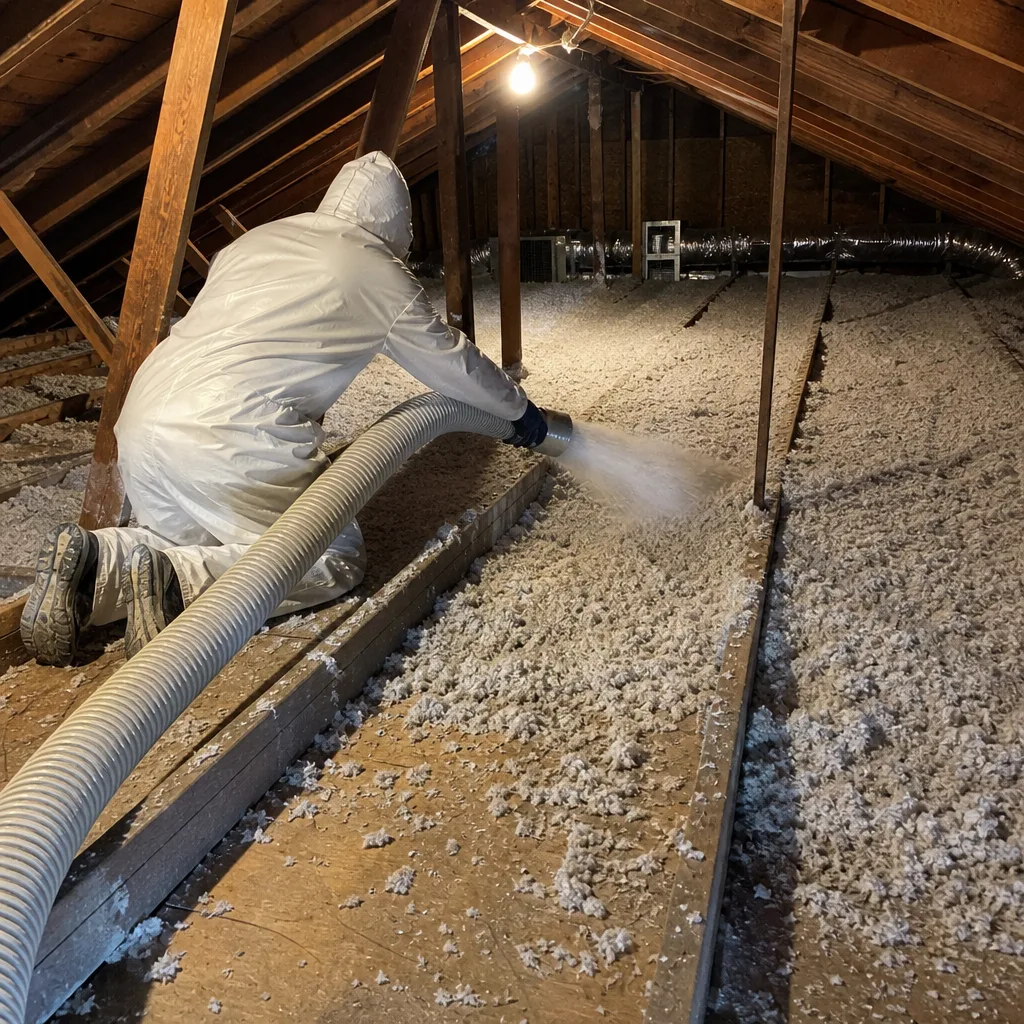
- Attic square footage and geometry: A 2,400 sq ft attic floor in a Northridge ranch home is a faster job than a 1,600 sq ft attic in a Silver Lake hillside house where half the floor is inaccessible knee wall space. Geometry matters as much as total area.
- Existing insulation condition: Homes built before 1990 across most of Los Angeles were insulated to standards that are genuinely inadequate by today’s Title 24 requirements. Compacted, contaminated, or aged insulation usually needs to come out, which adds removal cost before any new material goes in.
- Target R-value: California’s Title 24 energy code requires R-38 minimum for most existing homes in Los Angeles’s climate zone, with R-49 increasingly specified in new construction. Going from R-11 to R-38 is a bigger material investment than going from R-19 to R-38, even on the same footprint.
- Air sealing scope: A home with 30 recessed can lights (common in 1980s-2000s homes in Encino, Sherman Oaks, and Brentwood) has 30 potential air bypasses through the attic floor. Sealing each one takes time. That time is reflected in the price, but so is the performance gain - before-and-after blower-door readings on these homes frequently show a 30-50% reduction in air leakage after sealing.
- Material type selected: Blown-in cellulose and fiberglass are the most cost-effective for open attic floors. Spray foam earns its higher price in conditioned attic conversions, crawl spaces, and tight rim-joist applications. Radiant barrier foil adds real value in inland Los Angeles zip codes where summer attic temperatures regularly exceed 150 degrees Fahrenheit.
- Local permit requirements: Most insulation-only projects in the City of Los Angeles and LA County do not require a permit. Conditioned attic conversions using spray foam to the roofline may require a mechanical permit depending on the HVAC configuration. We confirm this before writing your price, so there are no surprise line items after the job is approved.
- Duct condition in the attic: Leaky ducts running through an uninsulated or under-insulated attic in Los Angeles can account for 20-30% of cooling loss. If duct sealing and insulation work are done together, some costs overlap favorably. If duct repairs are discovered after insulation is blown in, the job is more expensive and more disruptive. We inspect and document duct condition as part of the assessment, before anyone lifts a tool.
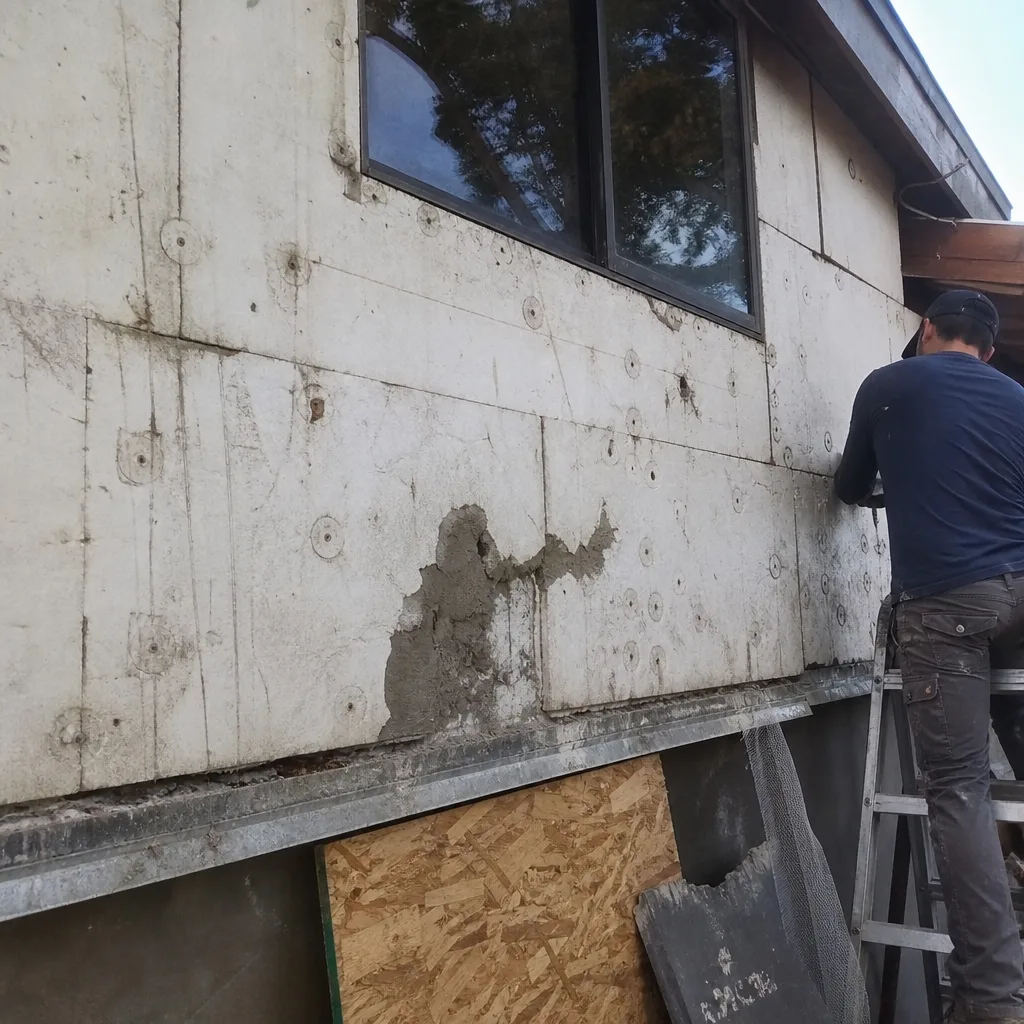 Before
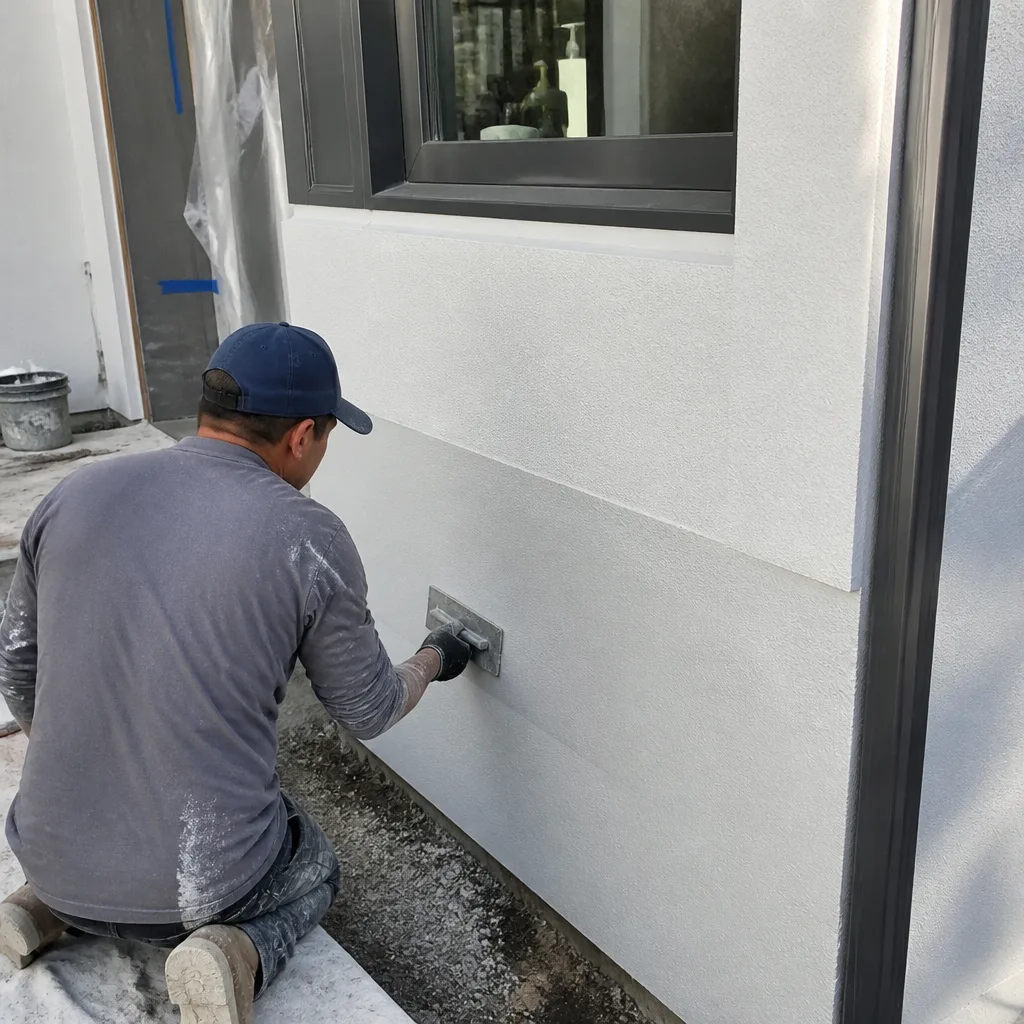 After
AfterLos Angeles-Specific Factors That Don’t Show Up in National Guides
Most national insulation cost guides are written for Chicago or Atlanta climate assumptions. Los Angeles has a genuinely different set of variables that shift what the right insulation strategy looks like and what it costs.
First, the heat direction matters. Most of the country insulates primarily against cold. In Los Angeles, the dominant load is radiant heat from a hot roof beating down on an attic all afternoon. That means a radiant barrier - a reflective foil product stapled to the underside of the roof deck or the top of the rafters - does real work in LA that it doesn’t do in colder climates. In zip codes like Chatsworth (91311), Sylmar (91342), and Granada Hills (91344), where summer temperatures routinely reach 105-110 degrees, radiant barriers have been shown to reduce attic temperatures by 20-30 degrees. That directly reduces the load on the air conditioner. For a home in those areas, a $1,200 radiant barrier install often has a faster payback than an equivalent spend on additional blown-in depth.
Second, Los Angeles has a large stock of 1920s-1950s construction across neighborhoods like West Adams, Koreatown, Echo Park, and the Eastside. These homes were built without insulation standards and often with minimal wall cavity depth. Retrofit wall insulation using Johns Manville or Owens Corning blown-in through small holes in the exterior or drywall is a viable scope for these houses but requires experienced crews who understand stucco construction. Not every insulation contractor in Los Angeles has that experience.
Third, the hills create access challenges that flat-land homes don’t have. A Glassell Park or Beachwood Canyon home on a steep lot may require equipment staging that adds time. Crawl spaces in hillside homes are often deep but irregular, and vapor barrier work in those spaces is more labor-intensive than in a standard foundation. These are real cost factors, and a written price from us will reflect the actual scope rather than a flat-rate estimate that later grows.
Fourth, Los Angeles County and the City of Los Angeles both participate in utility rebate programs through SoCalGas and Southern California Edison that can offset insulation costs. As of 2026, rebates for qualifying attic insulation upgrades can range from a few hundred dollars to over $1,000 depending on the project scope and income qualification. We can help you identify what programs your project may qualify for. The rebate doesn’t change our price to you – our written price is our price – but it can change your net cost after filing.
How to Save on Insulation in Los Angeles
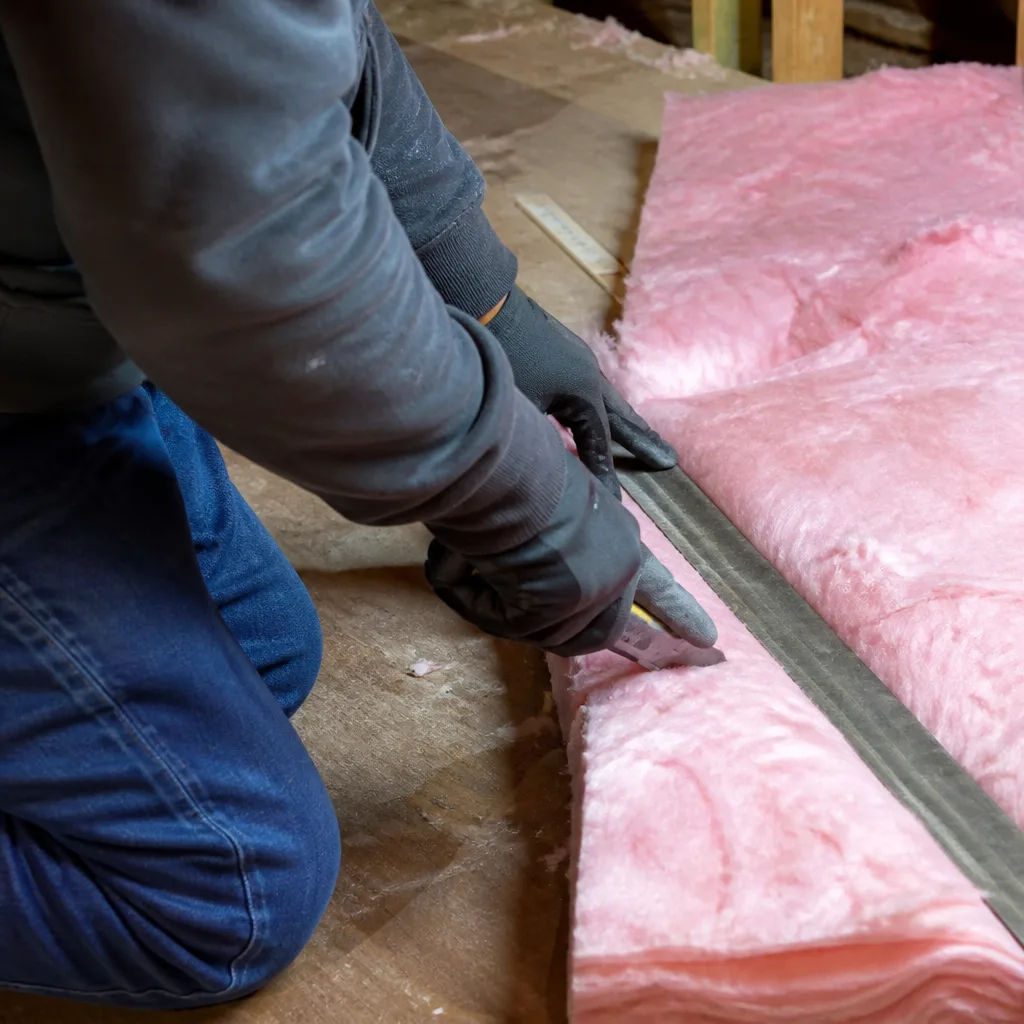
The most reliable way to save money on insulation is to spend the right amount on the right scope the first time. Blown-in over an unsealed attic floor performs at a fraction of its rated R-value because air convects through gaps in the attic floor and bypasses the insulation entirely. We’ve measured homes in Palms and Mar Vista where a homeowner had paid for R-30 installation five years prior but the blower-door test read as if there was almost nothing there. The insulation was intact. The sealing work had never been done. They paid twice.
Practical steps that reduce your total project cost:
- Bundle the air sealing and insulation into one visit. The crew is already in the attic. Sealing top plates, can lights, and utility penetrations during the same mobilization is always cheaper than two separate visits.
- Get a real energy audit first. A blower-door test – a pressurization reading that gives you a single number (CFM50) representing how much air your building envelope is losing – tells you where to prioritize spending. If your CFM50 is high, air sealing delivers more dollar-for-dollar performance than extra insulation depth. If the air barrier is already reasonable, more R-value is the right call. Spending $300-$600 on an audit before committing to a $3,000 job is often the highest-return decision you can make.
- Ask about utility rebates before you approve the scope. Southern California Edison’s rebate programs for insulation and air sealing are real money. The application process is manageable if someone walks you through it before the job is done – not after.
- Use a free second opinion. If you’ve already received a written estimate from another contractor, bring it in. We’ll read it with you line by line and tell you whether the scope matches the home, whether the price is in range for the Los Angeles market, and whether anything is missing. There’s no cost for that review and no obligation to proceed with us.
- Don’t skip attic cleaning to save money if rodent damage is present. Contaminated insulation is a health issue, not just a performance issue. Installing new material over compromised old insulation is a code problem in most Los Angeles jurisdictions and will show up in a home inspection if you ever sell. Doing it right once costs less than doing it twice.
- Time the project for fall or early winter. LA attic insulation demand peaks April through August when homeowners feel the cooling bills. Fall scheduling sometimes allows more flexibility in timing and crew availability. We don’t manufacture scarcity or pressure timelines, but the practical reality is that October and November often allow for faster scheduling than July.
For a free written estimate on your home, call (213) 306-2607. Wes Okafor and the Envelope Insulation Co. team will assess the home, identify the right scope, and give you a flat price in writing before any work is discussed further.
How Envelope Insulation Co. Prices Jobs (The Haven Standard)
Every quote we deliver is a written, flat price with a defined scope and a written warranty. Under Haven Standard Clause 1, no work starts until you have that document in your hands. The number on the page is the number on the invoice. If the job scope changes because we found something during the work that wasn’t visible during the assessment, we stop, document what we found, and get written approval before continuing.
After the job, you receive a Documented Photo Record showing the condition of the attic or space before and after the work. On jobs that include air sealing, you receive before-and-after blower-door numbers – a CFM50 reading taken before sealing began and again after completion. That number tells you, in a single figure, what changed. It’s not a claim we make about how well the job went. It’s a measurement.
Since 2016, the team at Envelope Insulation Co. has completed insulation and air sealing work on more than 9,000 Los Angeles-area homes. Every one of those jobs began with a written price. All work is covered by the 365-Day Done Right Promise: if something about the job isn’t right, we make it right. That promise is in writing before the crew arrives, not offered after a complaint.
Materials come from Owens Corning, Johns Manville, Knauf, Rockwool, CertainTeed, Icynene, Demilec, and GreenFiber. We don’t have a proprietary product line we’re trying to move, which means the material specified for your project is the one that fits the application – not the one with the best margin.
If you’re working through pricing on your own and comparing bids, the home page outlines the full service line and the Haven Standard commitments in detail.
FAQs – Insulation Cost in Los Angeles
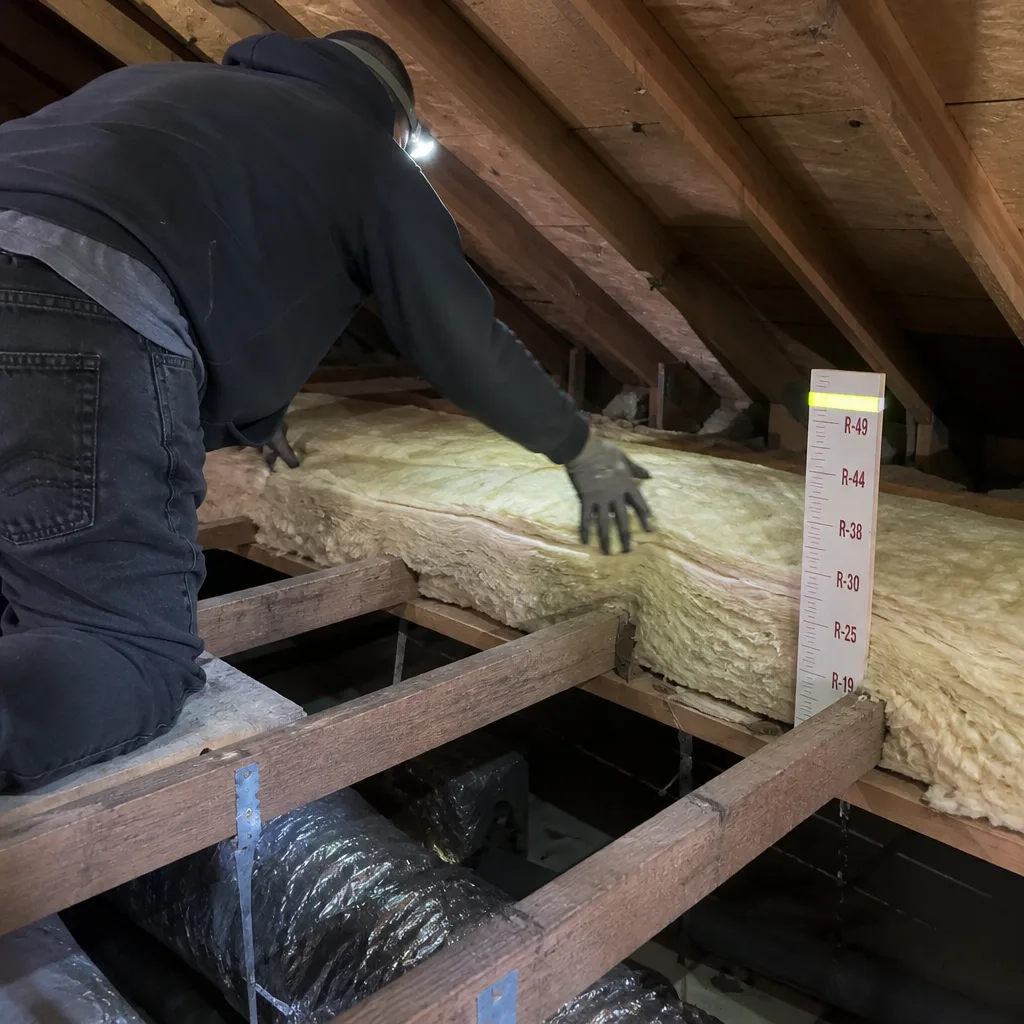
How much does attic insulation cost in Los Angeles in 2026?
Most attic insulation jobs in Los Angeles run between $1,200 and $3,200 for blown-in cellulose or fiberglass on a standard single-family home, before air sealing. A complete scope – air sealing plus blown-in insulation plus radiant barrier – typically falls between $2,800 and $5,500 depending on attic size, access conditions, and existing material condition. For an exact number based on your home’s square footage and attic configuration, call (213) 306-2607 and we’ll schedule a written-price assessment.
Is spray foam insulation worth the higher cost in Los Angeles?
Spray foam costs $1,800 to $5,500 for open-cell and $3,200 to $7,500 for closed-cell in Los Angeles, which is meaningfully more than blown-in. Whether it’s worth the difference depends on the application. For a conditioned attic conversion where insulation goes to the roofline rather than the attic floor, spray foam is the right material because it functions as both insulation and air barrier simultaneously. For a standard vented attic floor application in a West Hollywood, Silver Lake, or Culver City home, blown-in with proper air sealing typically delivers comparable thermal performance at lower cost. We’ll tell you which is appropriate for your home – and why – before writing a price.
Does Los Angeles require permits for attic insulation?
Most insulation-only projects in the City of Los Angeles and unincorporated LA County do not require a permit. Adding blown-in to an existing attic floor, installing a radiant barrier, or completing air sealing typically falls below the permit threshold. Conditioned attic conversions using spray foam to the roofline can require a mechanical permit depending on HVAC configuration, particularly in jurisdictions like Pasadena or Santa Monica that have specific building department interpretations. We confirm permit requirements as part of the assessment and include any applicable fees in the written price – they don’t appear as surprises on the invoice.
How much does insulation removal cost in Los Angeles?
Insulation removal in Los Angeles typically costs $1,000 to $3,500 depending on volume, material type, and whether contamination (rodent activity, moisture damage, or old vermiculite) requires additional handling protocols. Homes in older neighborhoods like Atwater Village, Boyle Heights, and Mid-Wilshire that still have original 1950s-era batt are common candidates. Removal cost plus replacement cost is a real number – we’ll give you both figures in the same written estimate so you can evaluate the total scope before committing.
Can insulation lower my energy bills in Los Angeles?
Yes, but the range is wide. A home in the San Fernando Valley going from R-11 to R-38 with proper air sealing can see cooling-load reductions of 20-40% in summer months, based on blower-door and utility data we’ve collected across jobs in Canoga Park, Reseda, and Van Nuys. Homes in coastal zip codes like Pacific Palisades or Manhattan Beach, where summer temperatures are moderated by marine air, see smaller but still meaningful gains. The blower-door test we take before and after air sealing gives you a measured number – CFM50 before and after – so the performance change isn’t a claim, it’s a documented result. Call (213) 306-2607 to schedule a free estimate and assessment.
What is a blower-door test and do I need one before insulating?
A blower-door test is a pressurization measurement that uses a calibrated fan mounted in an exterior door to depressurize the home, then measures how much air flows through the building envelope to maintain that pressure. The result – expressed as CFM50, or cubic feet per minute at 50 Pascals of pressure – gives you a single number representing total air leakage. A typical pre-war Los Angeles home reads 3,500 to 6,000 CFM50. After thorough attic air sealing, that same home often reads 2,000 to 3,500 CFM50. We run this test before and after air sealing on applicable jobs, and both numbers go in your Documented Photo Record. You don’t strictly need one before insulating, but without it, you’re guessing at where the performance gap is – and guessing costs money.
Key Takeaways
- Blown-in attic insulation in Los Angeles typically costs $1,200 to $3,200 for a standard home; a full package with air sealing and radiant barrier runs $2,800 to $5,500.
- Air sealing should always precede insulation – adding R-value over an unsealed attic floor leaves most of the performance gain on the table.
- Los Angeles’s climate makes radiant barriers a high-value addition in inland and valley zip codes where attic temperatures exceed 150 degrees in summer.
- Older neighborhoods (pre-1960 construction) across the Eastside, Mid-City, and South LA often require removal before new insulation can go in – factor that into the total cost comparison.
- Southern California Edison and SoCalGas offer rebates that can reduce net project cost; ask about qualification criteria before the job is scoped.
- A written price before any work starts is not a perk – it’s the minimum standard. Any contractor who can’t provide a flat, written scope before beginning isn’t someone you should hire.
- Before-and-after blower-door numbers are the only reliable way to verify that air sealing delivered real results. Ask for them. Envelope Insulation Co. provides them on every applicable job.
Get a Written Price for Your Los Angeles Home
If you’re ready to move forward – or just want a number to compare against what you’ve already been quoted – call (213) 306-2607. Wes Okafor leads the team at Envelope Insulation Co. and has been doing this work across Los Angeles since 2016. A live person answers that line, any time you call. We’ll schedule an assessment, look at the attic, check for air sealing needs, and give you a flat written price before anything else happens. No work starts without it. That’s the Haven Standard, and it applies to every job we take on.
If you have a written estimate from another contractor and want a second opinion, bring it. We’ll read it with you and tell you what we see.
Pricing reflects the Los Angeles market as of 2026. Topside Attic Insulation West Hollywood offers free estimates – call (213) 306-2607.
Written by Wes Okafor, Owner at Envelope Insulation Co., serving Los Angeles, CA since 2016.
What Our Customers Say
"Turned up on time, protected the hallway, and the written scope matched what was actually done."
- Bruno S."Two other companies quoted to blow more insulation on top of what was there. These were the only ones who said the existing material had to come out first, and explained why."
- Clifford E."Crawl space encapsulation done properly. Photographs of the vapour barrier at every seam, and the damp smell in the hallway is gone."
- Ainsley P.