
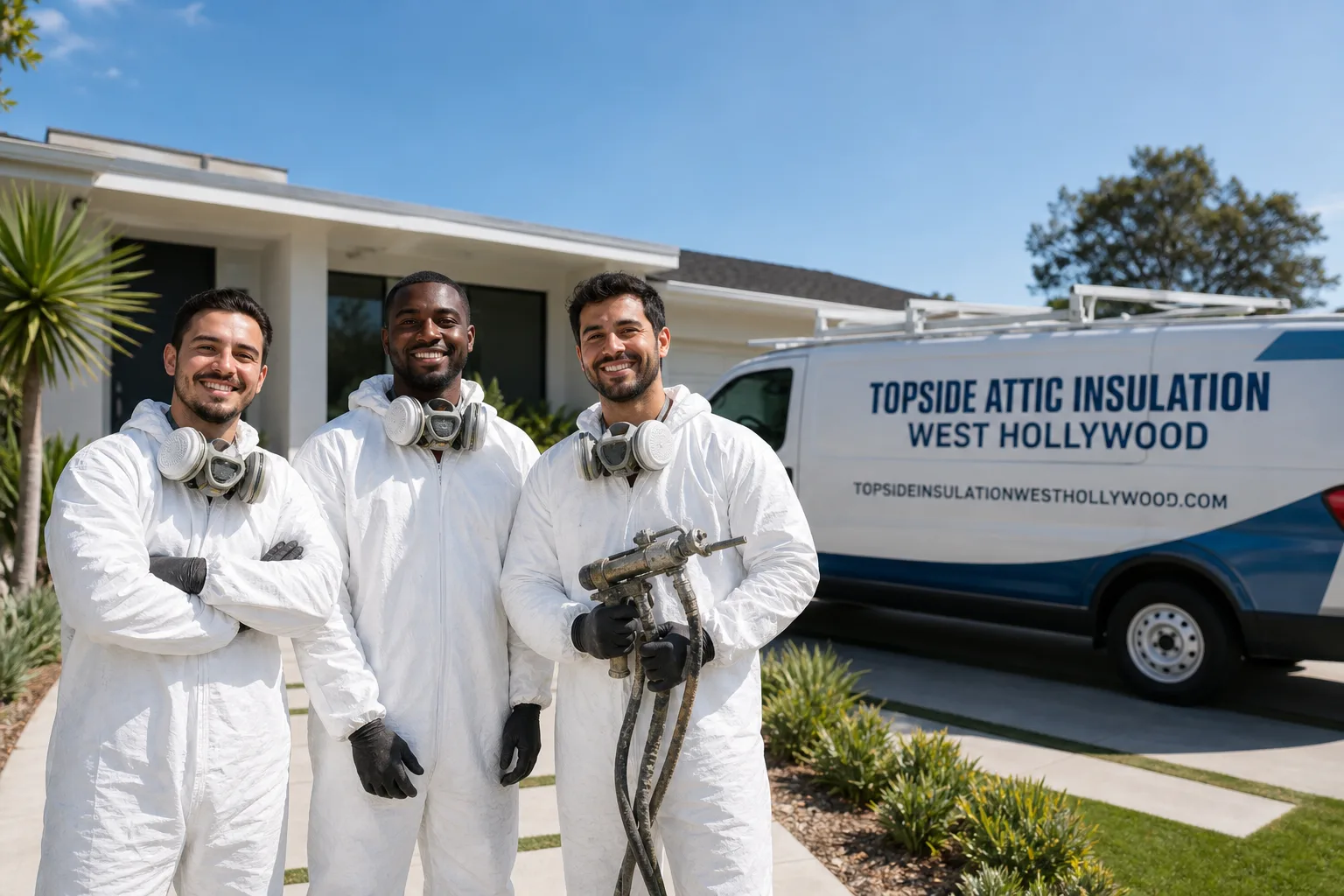
Fast, Reliable Spray Foam Insulation Across Culver City
Spray foam insulation in Culver City typically runs $2.80-$5.40 per board foot depending on open-cell or closed-cell application, with most whole-home retrofits falling between $3,200 and $8,500. We’re usually on-site in Culver City within 24 hours of your call, and our crews know the local building stock well enough to spot problems before the foam gun starts. Call (213) 306-2607 for a written price before any work starts - that’s Haven Standard Clause 1, no exceptions.
Our dispatch and scheduling runs from our Los Angeles office, but the crews serving Culver City live here or nearby. They know the difference between a Carlson Park Spanish Revival and a Fox Hills apartment complex, and they know which walls have cavities you can reach and which ones don’t. That local familiarity saves time and prevents the callbacks that happen when a crew treats every job like a suburban tract home.
Why Topside Attic Insulation West Hollywood Is Culver City’s Preferred Spray Foam Insulation Company
We’ve sealed and insulated over 9,000 homes since 2016, and a meaningful slice of that work has been in Culver City’s dense bungalow belt. Our Culver City customers leave reviews that mention specifics: the technician who found the uninsulated cavity behind a newly renovated wall, the blower-door printout that showed exactly how much air leakage we eliminated, the written warranty that arrived before anyone touched a tool. We don’t ask you to trust us because we’ve been around awhile. We ask you to read the documentation we give you on every job.
Response time to Culver City is typically same-day or next-day for standard calls, and our live-answered phone line means you’re talking to a person who can schedule you, not leaving a voicemail that bounces between offices. Our techs are background-checked, uniformed, and named in your appointment text - you’ll know who’s arriving and when.
The local knowledge that matters most here: we know Culver City’s 1920s-1940s housing stock wasn’t built with wall insulation, we know the recent gut-renovation boom has created a specific problem of modern-looking interiors with empty cavities, and we know how to fix it without tearing out your new drywall. That’s not generic expertise. That’s Culver City-specific experience.
Our Spray Foam Insulation Services in Culver City
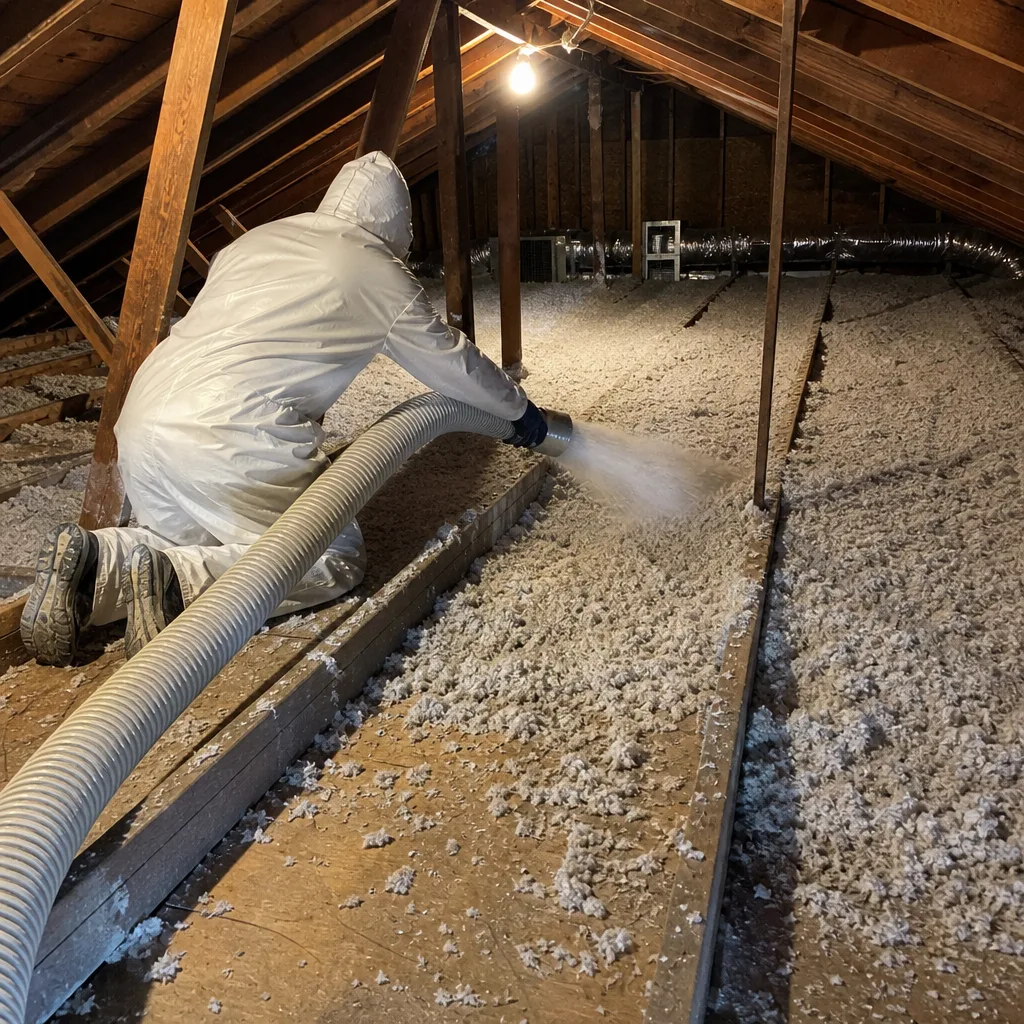
Open-Cell Spray Foam
Open-cell spray foam is our go-to for Culver City’s lath-and-plaster bungalow walls when we can access the cavity. The foam expands to fill irregular spaces, bonds to the plaster, and provides both insulation and air sealing in one application. In the field vignette we’ll share below, open-cell foam was what let us fix a Carlson Park bungalow without destroying the owner’s fresh renovation. We source open-cell products from Icynene and Demilec, among others - no proprietary lock-in, so we match the material to the job.
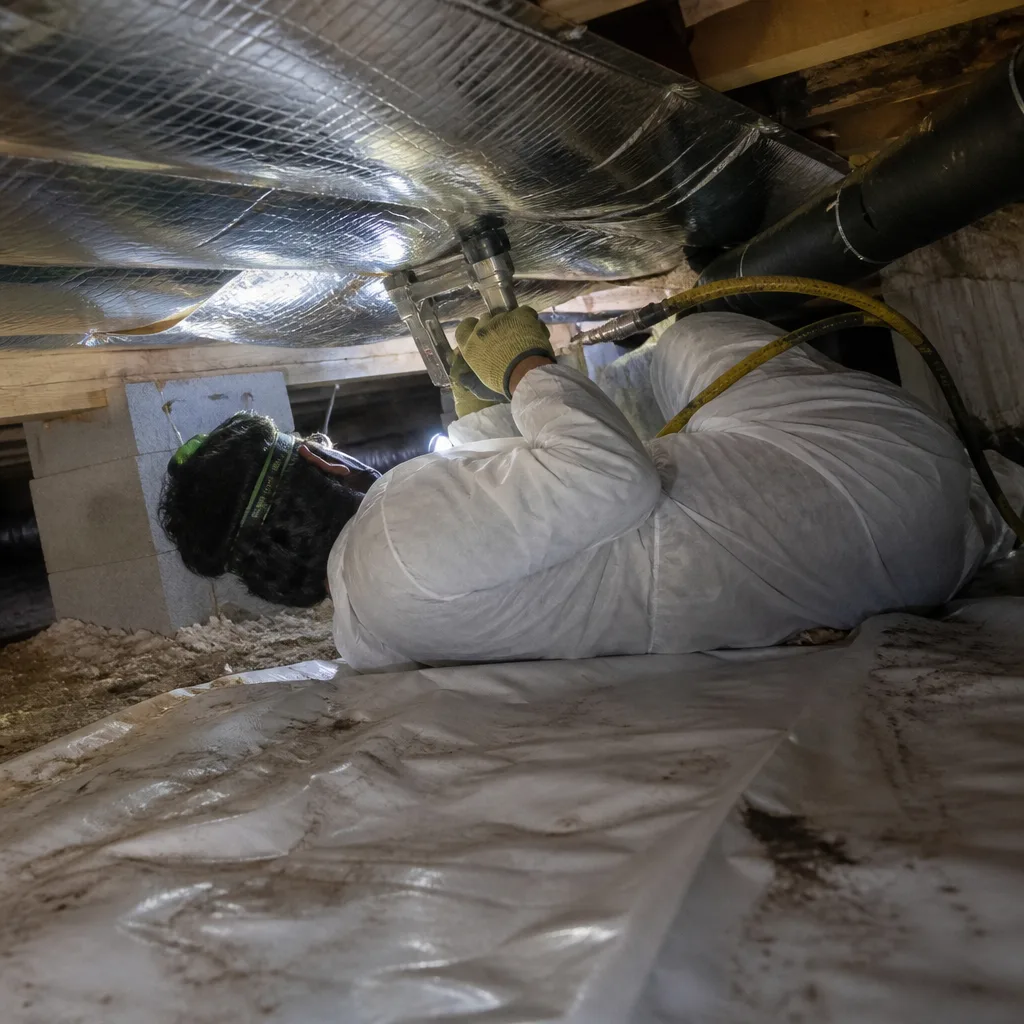
Closed-Cell Spray Foam
Closed-cell spray foam is denser, higher-R-value per inch, and moisture-resistant - the right choice for rim joists in Culver City’s older crawlspaces and for roof decks where space is tight. We use closed-cell from Owens Corning and Johns Manville formulations depending on the specific assembly. In Culver City’s climate, with those sharp 15-20°F daily thermal swings, closed-cell on a roof deck can mean the difference between an attic that stays stable and one that overheats your top floor by 2 PM.
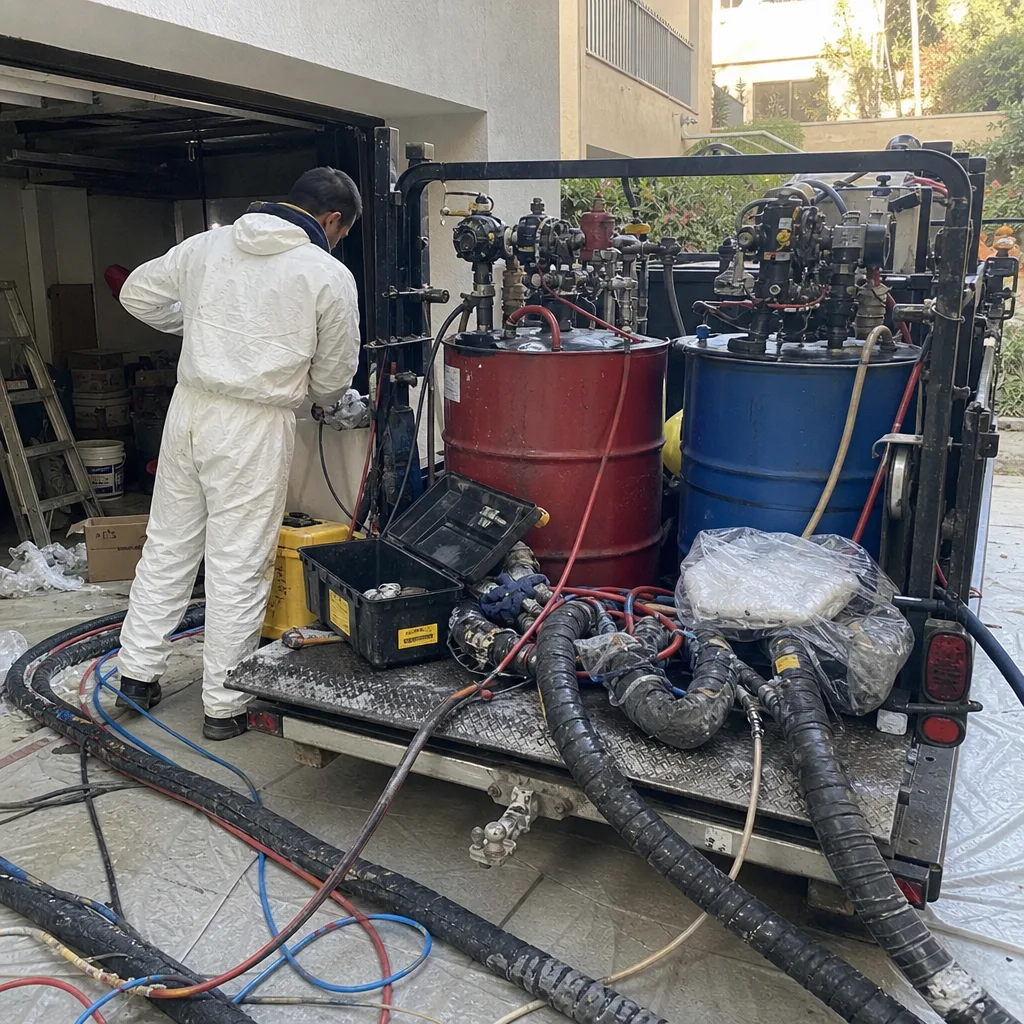
Rim Joist Spray Foam
Rim joist spray foam is critical in Culver City’s 1920s-1940s homes with unvented or partially vented crawlspaces. The rim joist is where your foundation wall meets your floor framing - it’s often the leakiest part of the building envelope, and in older Culver City homes with original redwood sill plates, it’s also where moisture problems start. We seal rim joists with closed-cell foam after verifying that the assembly can dry properly. We’ve seen what happens when foam traps moisture against old wood: rot that doesn’t show until a remodel tears into it. We check first, foam second.
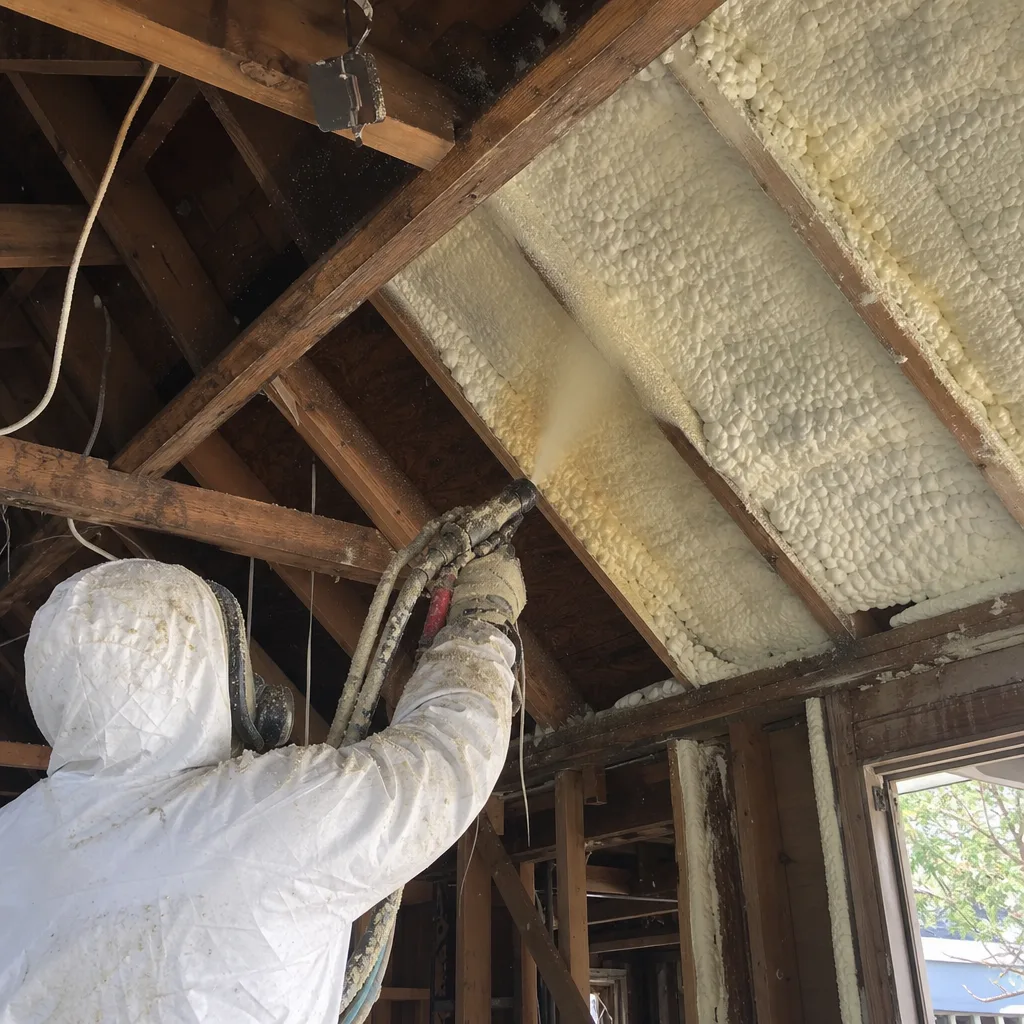
Garage Ceiling Spray Foam
Garage ceiling spray foam in Culver City is common for homeowners converting garages to ADUs or conditioned workspace. The garage ceiling is typically an uninsulated floor assembly over a space that gets hot in summer and cold in winter - not a comfortable living environment without treatment. We spray the garage ceiling with open-cell or closed-cell depending on whether there’s living space above, and we always air-seal the rim joist and any penetrations before insulating. In Culver City’s afternoon heat, an uninsulated garage ceiling can radiate enough heat to make the room above unusable.
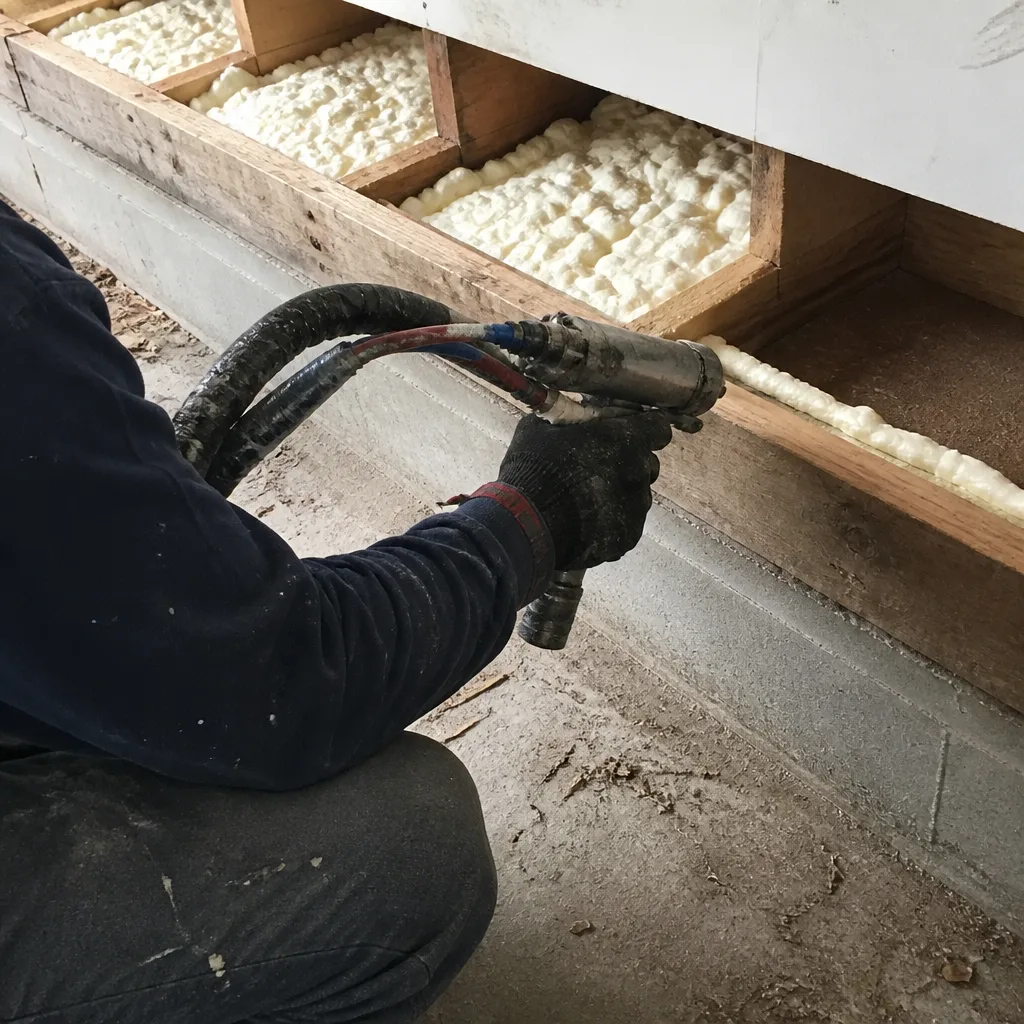
Spray Foam Roof Deck
Spray foam roof deck application is increasingly popular in Culver City’s older homes where the attic is being converted to conditioned space, or where the existing attic insulation is so degraded that a roof-deck approach makes more sense than trying to work at the floor level. We use closed-cell foam on roof decks in Culver City because of the thermal load, but we also verify that the attic has adequate mechanical ventilation - especially in Fox Hills-era buildings where the original design assumed passive ventilation that no longer functions. Foam without airflow is a recipe for overheated attic air that degrades the material and drives up your cooling bill.
What happens when you call
- 1
A real person answersNo phone trees - you reach a local pro.
- 2
You get an upfront price rangeHonest numbers before anyone is dispatched.
- 3
A background-checked tech heads outLicensed & insured, dispatched right away.
- 4
You approve before work beginsNothing starts until you say go.
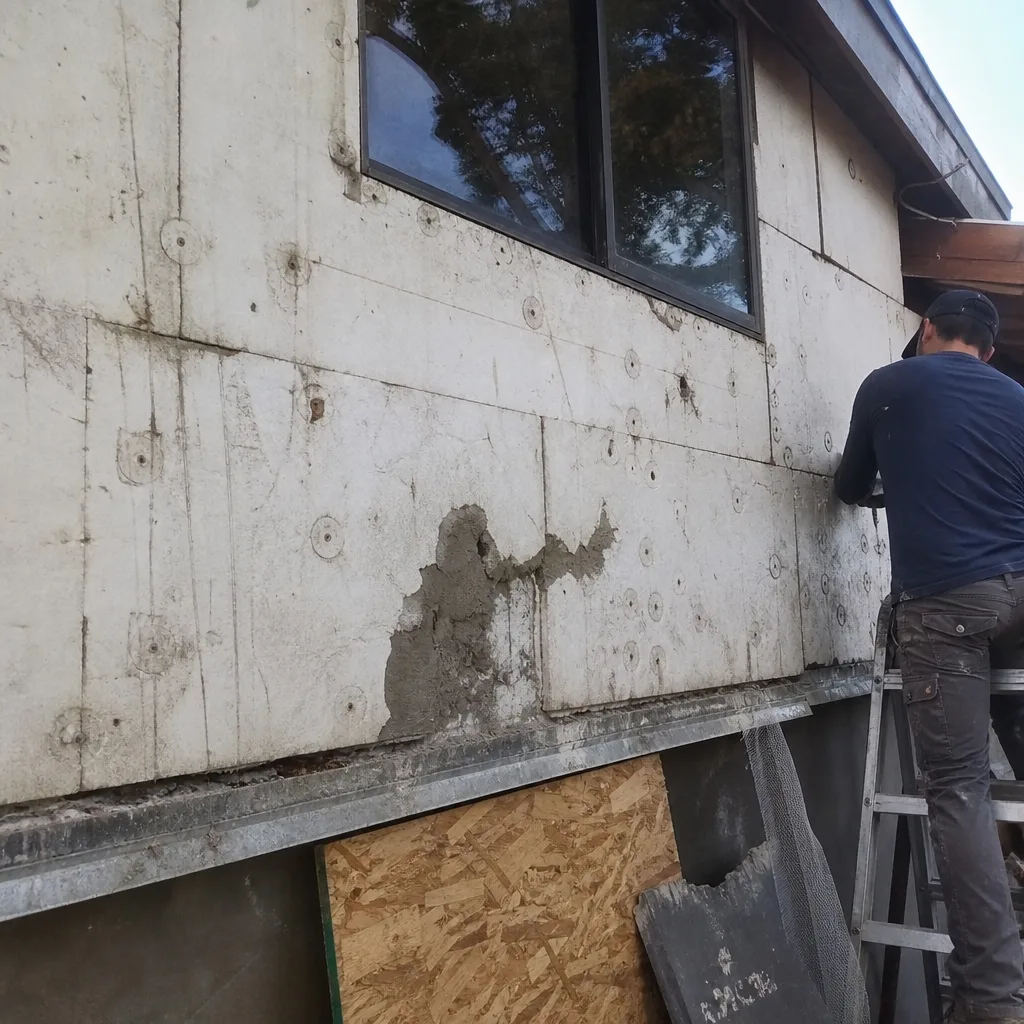 Before
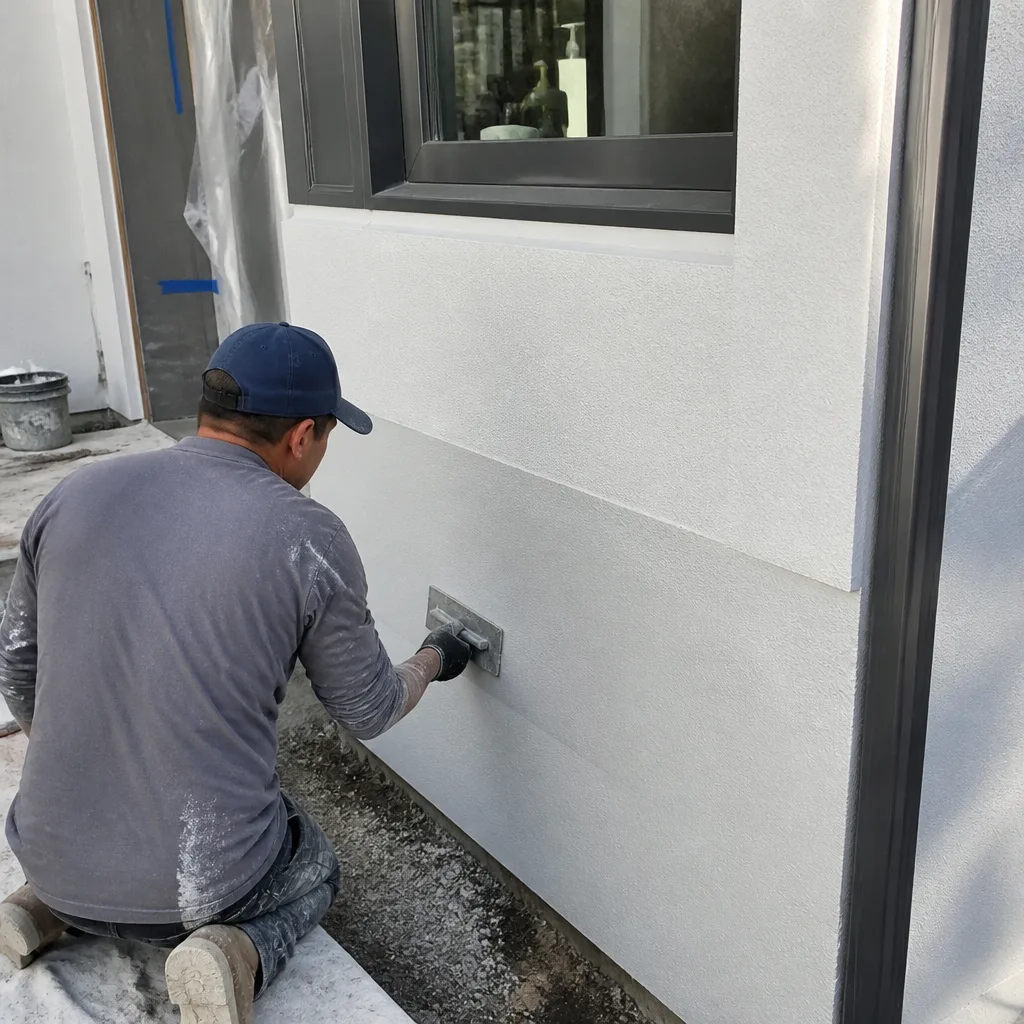 After
AfterTrusted Brands We Service in Culver City
We stock and install spray foam systems from Owens Corning, Johns Manville, and Knauf, plus open-cell formulations from Icynene and Demilec for specialized applications. We don’t push proprietary products or pretend one brand is magic - we match the material to your assembly, your budget, and your performance goals. For Culver City customers, that means we can source quickly and start fast, without waiting on a single-supplier backlog. Every product we use comes with manufacturer documentation, and we add our own 365-Day Done Right Promise on top.
Common Spray Foam Insulation Problems We See in Culver City Homes
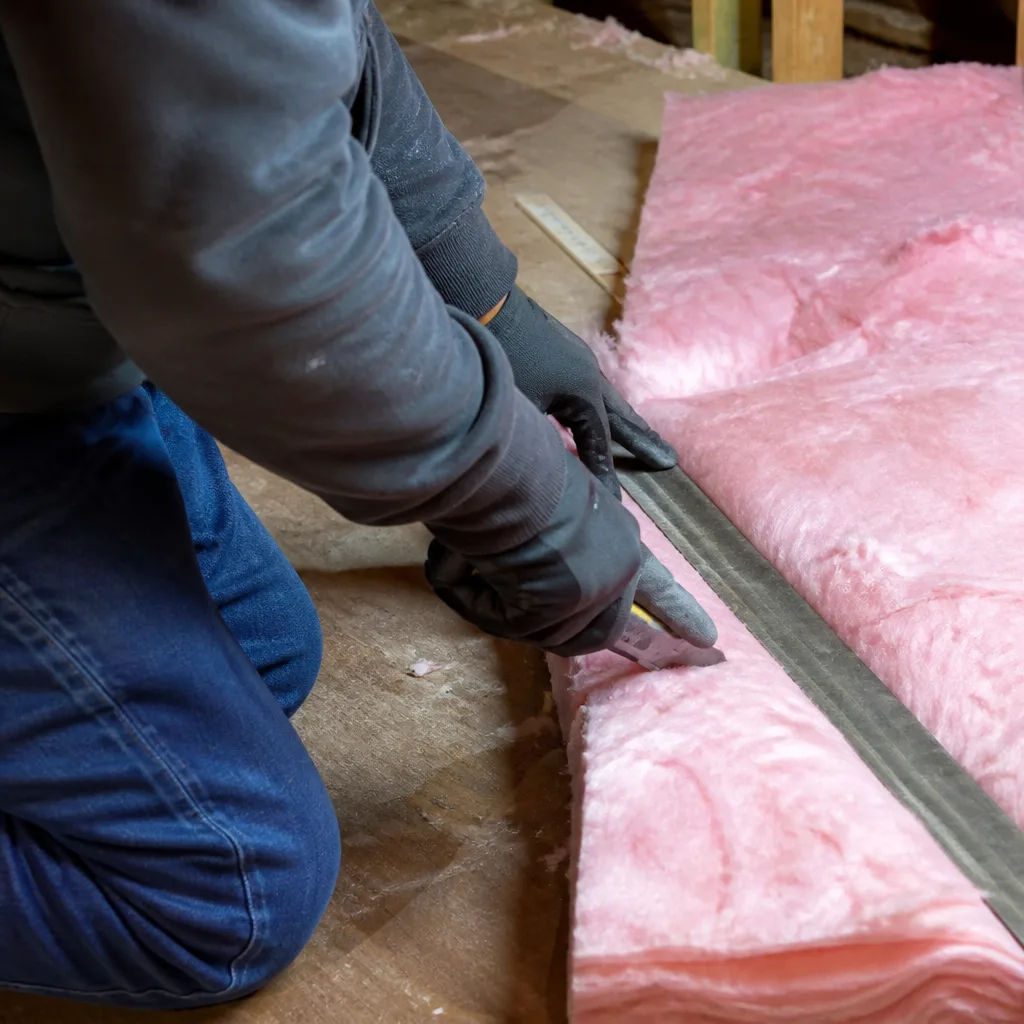
- Adhesion failure on original lath-and-plaster walls. Culver City’s 1920s-1940s Spanish Revival and Craftsman bungalows have plaster walls that can hold surprising moisture, especially near bathrooms and kitchens. Spray foam applied without checking substrate moisture content can delaminate within months. We test with a moisture meter before we foam, and we’ll tell you if the wall needs to dry first.
- Moisture-trapped rim joists in unvented crawlspaces. Older Culver City homes with original redwood sill plates and closed crawlspaces are vulnerable to moisture accumulation at the rim joist. Closed-cell foam seals well, but if it seals against wet wood, the rot continues hidden. We inspect with a borescope when needed, and we won’t foam a rim joist we can’t verify as dry.
- Overheated attic air in 1970s Fox Hills apartments. Spray foam on a roof deck without adequate ventilation creates a solar oven above your ceiling. Culver City’s inland afternoon heat, 10-15 degrees hotter than Santa Monica’s, makes this worse. We calculate ventilation requirements and install mechanical ventilation when the passive path is insufficient.
- Drywall-over-plaster with zero cavity insulation. This is the Culver City special. Gut-renovated bungalows in the Hayden Tract and Downtown periphery look modern inside but have literally no wall insulation - just new drywall screwed to 1920s lath. Spray foam injection through small ports is often the only fix that doesn’t require gutting the renovation.
Pricing for Spray Foam Insulation in Culver City, CA
Here’s what spray foam insulation costs in Culver City’s market as of 2024-2025:
| Application | Price Range | Typical Project Scope |
|---|---|---|
| Open-cell spray foam (walls) | $2.80-$3.80 per board foot | 1,200-2,500 sq ft of wall surface |
| Closed-cell spray foam (rim joists, roof deck) | $4.20-$5.40 per board foot | 300-800 linear feet of rim joist; 800-1,500 sq ft roof deck |
| Garage ceiling spray foam | $3,200-$5,800 total | Single-car to two-car garage, including air sealing |
| Whole-home retrofit (mixed open/closed cell) | $5,500-$8,500 total | Typical 1,200-1,800 sq ft Culver City bungalow |
What moves you within these ranges: cavity accessibility (drywall-over-plaster takes longer), foam thickness required to hit target R-value, whether we need to install mechanical ventilation alongside the roof-deck foam, and how much prep air sealing the building envelope needs before foam goes in. We don’t foam over unsealed top plates or can lights - that’s not how we work.
Every Culver City job starts with a written price, flat and complete, before anyone lifts a tool. Bring us a competing written estimate and we’ll give you a Free Second Opinion - we’ll read it with you line by line. Call (213) 306-2607 to schedule.
We Also Serve Cities Near Culver City
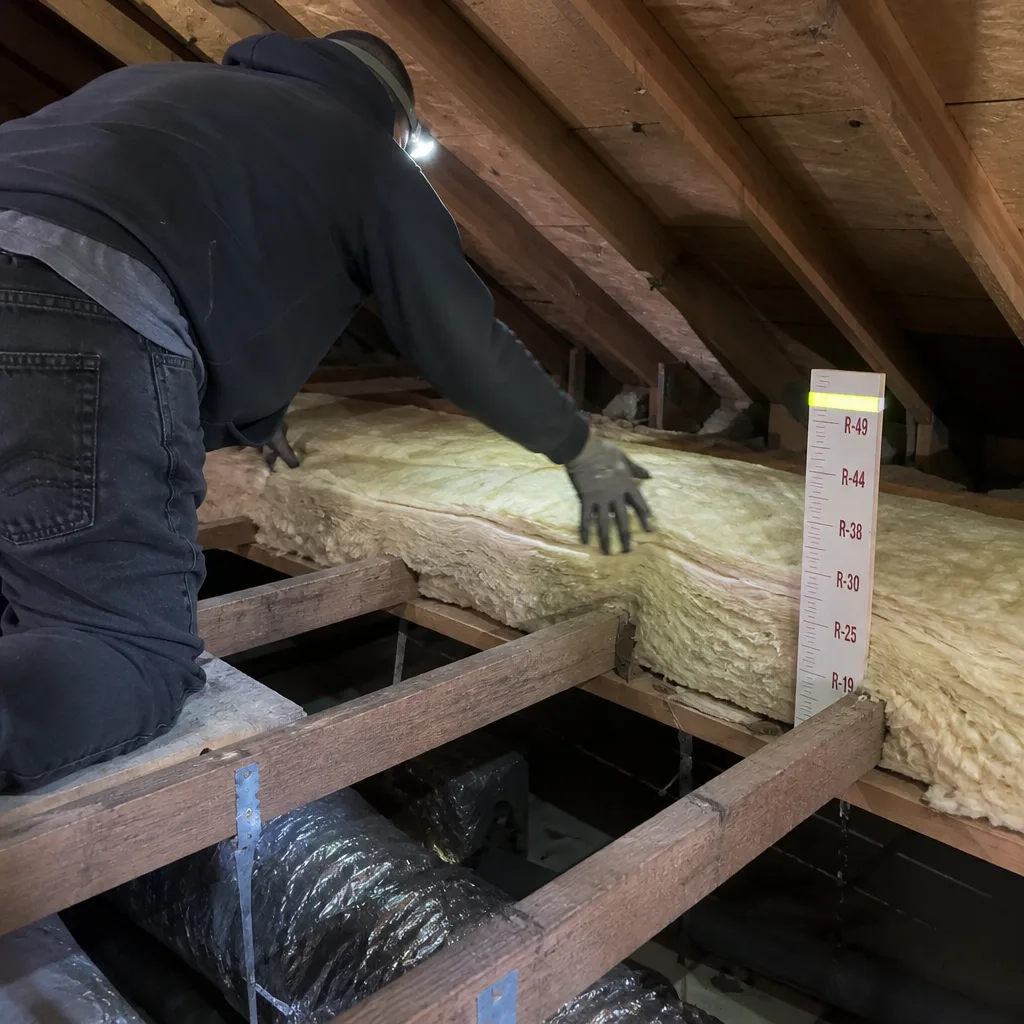
Our crews work throughout the Westside and South Bay, including Culver City and nearby Inglewood, Beverly Hills, Santa Monica, and Hawthorne. Each city gets the same written-price-first protocol and documented photo record, but the technical approach varies with the housing stock. Santa Monica’s marine-cooled bungalows have different moisture patterns than Culver City’s inland heat. Inglewood’s postwar tract homes present different cavity access challenges. We adjust accordingly. If you’re in one of these neighboring cities and found this page, our Spray Foam Insulation hub has broader context; for city-specific pricing and conditions, call us directly.
Serving Culver City, CA - Our Local Coverage Area
We’re based in the Culver City area and know this community well. Use the map below to see our service coverage - if you’re nearby, we can almost certainly help.
FAQs - Spray Foam Insulation in Culver City
Yes, we can spray foam lath-and-plaster walls in Culver City’s older homes, but only after we verify the plaster substrate is dry enough for adhesion. We test with a moisture meter at multiple points, especially near kitchens and bathrooms where decades of use may have elevated moisture content. If readings are too high, we’ll tell you what drying steps are needed before we foam - we don’t skip this check because delaminated foam is expensive to fix. Call (213) 306-2607 for an assessment; estimates are free.
Yes, spray foam can replace aging batts in Fox Hills-era apartments, but the approach depends on whether we’re working at the attic floor or the roof deck. Many 1970s Fox Hills buildings have attic insulation that predates current Title 24 requirements and performs poorly under Culver City’s afternoon heat load. If we’re foaming the roof deck, we also evaluate whether the attic has adequate mechanical ventilation - closed-cell foam without airflow can trap heat and degrade the material. We’ll give you a written scope that specifies foam type, thickness, and any ventilation upgrades before work starts.
Spray foam is often the only practical option for Hayden Tract and Downtown periphery homes that have been gut-renovated with new drywall over original lath-and-plaster walls. Blown-in cellulose requires cavity access through drilled holes, but when there’s a full layer of new drywall plus plaster, the cavity is sealed and inaccessible. Spray foam injection through small ports lets us insulate without destroying the renovation. We also see better air-sealing performance from foam in these assemblies - the blower-door numbers back it up. For attics with open access, blown-in remains a valid option; we match the method to the building.
Most spray foam insulation in Culver City does not require a separate building permit if it’s considered a repair or like-for-like replacement, but any work that alters the building envelope - such as converting an unconditioned attic to conditioned space with roof-deck foam - typically does. We handle permit research as part of our pre-work assessment and will tell you explicitly if your project triggers permitting requirements. Under Haven Standard, nothing starts until you have a written scope that includes this determination.
Culver City’s climate pattern - cool, marine-influenced mornings that burn off to inland-afternoon heat 15-20°F warmer - creates thermal stress on building assemblies that weaker insulation can’t handle. Spray foam’s air-sealing quality matters here because it reduces the infiltration of that hot afternoon air and the exfiltration of your cooled indoor air. The daily swing also means attics and roof decks see more expansion-contraction cycles, which is why we specify foam products rated for California’s climate zones and verify that roof-deck applications have ventilation to manage peak temperatures. Our before-and-after blower-door tests quantify exactly how much of that swing we’re keeping outside your envelope.
Written by Wes Okafor, Owner at Topside Attic Insulation West Hollywood, serving Culver City since 2016.